
If you’re a durian lover in Singapore, you know there’s nothing quite like biting into a creamy, fresh piece of durian at just the right moment. The best time to eat durian isn’t just about when it’s in season, but also about knowing how to spot the freshest fruit, where to find good deals, and even how to enjoy it if you’d rather skip the long queues. Whether you’re after the famous Musang King, want to try a durian buffet, or just want a taste of something new, timing and a few simple tips can make all the difference.
Key Takeaways
- Durian season in Singapore usually runs from May to July, with the best selection and prices during these months.
- Look for durians with a moist stem, a strong smell at the base, and a hollow sound when tapped – these signs mean it’s fresh.
- Long queues at durian stalls often mean the fruit is good, but you can also order online for home delivery if you want to skip the wait.
- Popular varieties like Musang King, Black Thorn, and Red Prawn are easiest to find and taste best during peak season.
- If you want to try something different, check out durian buffets, desserts, and even mooncakes for a unique way to enjoy the king of fruits.
Durian Season
Alright, let’s talk about the best time to get your hands on some proper durian in Singapore. The main event, the big durian season, usually kicks off around May and runs through to July, sometimes stretching into August. This is when you’ll find the most variety and, generally, the best quality fruit. It’s the period everyone looks forward to, and you’ll see stalls popping up everywhere, buzzing with activity.
While the peak season is a sure bet for freshness, you might find some early birds starting as early as April. It’s a bit of a gamble, but sometimes you can snag some decent fruit before the real rush begins. The secondary, smaller season tends to pop up around December to February, but honestly, the May to July window is where the magic really happens for the optimal durian consumption time.
Here’s a quick rundown of what to expect:
- Main Season: May to July/August. This is your prime time for the freshest, most flavourful durians.
- Early Season: April. Possible to find fruit, but selection might be limited.
- Secondary Season: December to February. A smaller window, often with fewer varieties available.
Knowing when to buy fresh durian is half the battle. The sheer excitement means you’ll often see long queues forming at popular spots, which is a good sign that the fruit is good. It’s all part of the experience, really. Just remember, the durian season Singapore waits for all year is that sweet spot in the middle of the year.
May To July
May to July is the prime window for enjoying fresh durian in Singapore. This stretch marks the main durian season on the island, when stalls are at their busiest and the fruit is at its most flavourful. If you’re hoping for that creamy, vibrant taste everyone raves about, this is really the only time to circle on your calendar.
During these months, the city’s durian stalls get their best supply straight from Malaysia, with new shipments arriving daily. This means that whether you visit a well-known street stall or a hidden local favourite, you’re likely to find an ample variety – Musang King, Black Thorn, Red Prawn and others. It’s worth checking out the main varieties because certain types can sell out especially fast, sometimes only available for a week or two at their peak.
Here’s what makes the May to July season stand out:
- The widest range of fresh durians, many at their ripest
- Competitive prices, since the supply overwhelms the demand
- Weekly deliveries ensure the fruit doesn’t spend long in storage
- Plenty of pop-up stalls and markets across neighbourhoods
| Month | Typical Supply | Price Trend | Quality |
|---|---|---|---|
| May | Increasing | Falling | Very Good |
| June | Peak | Lowest | Excellent |
| July | Peak/Tapering | Still Low | Excellent/Good |
When the scent of durian becomes impossible to ignore in the markets, it’s almost always a sign that you’re right in the middle of the season, and the king of fruits is ready to be enjoyed.
If you’re curious about how Singapore’s season lines up with neighbouring regions, you may find it runs alongside the famous Penang durian season, so fruit is often extra fresh at your local stall.
Long Queues
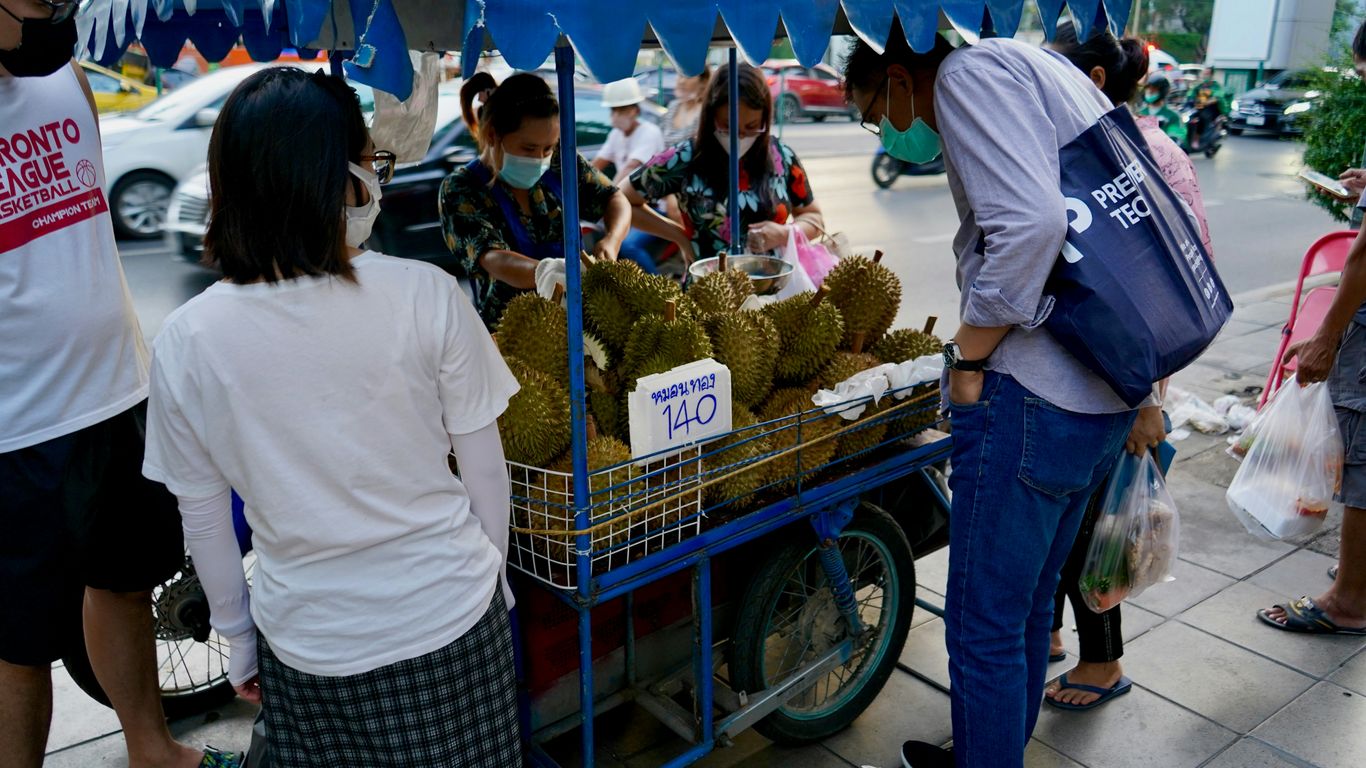
When durian season hits Singapore, you’ll quickly notice something: the queues. Seriously, some of these lines can stretch for ages, especially at the more popular spots. It’s not uncommon to see people waiting for 30 minutes, or even longer, just to get their hands on some fresh durian. Some places even have proper queue systems, handing out numbers and setting up separate lines to manage the crowd. It’s a real testament to how much Singaporeans love their durian, I guess. People will grab multiple boxes to make the wait worthwhile, so if you’re set on getting the good stuff, be prepared to put in the time.
It’s a bit of a ritual, really. You see the crowds, you join the crowd, and you wait.
- Patience is key: Don’t expect to just walk up and grab your durian.
- Timing matters: Try to go during off-peak hours if you can, though ‘off-peak’ is a relative term during peak season.
- Bring entertainment: A podcast, some music, or just good company can make the wait fly by.
The sheer number of people willing to stand in line for hours highlights the desirability of fresh, high-quality durian during its prime season. It’s a shared experience, a communal waiting game for a beloved fruit.
If you’re really keen, some stalls even give away free durians, which naturally attracts even more people. You might see a stall in Yishun giving out 1,000 free durians to seniors, with some waiting over three hours [7041]. It’s a whole scene!
Check Freshness
Spotting a truly fresh durian can feel like a bit of an art form, but there are a few tell-tale signs to look out for. Don’t just grab the first one you see; a little inspection goes a long way.
First off, give the stem a good look. A fresh durian will have a stem that’s a vibrant green or a lighter shade. If it’s looking dark and dried out, it’s probably been sitting around for a while. You want that stem to look like it was recently attached to the tree.
Next, try giving the durian a gentle shake. You should hear a slight sloshing sound inside. This indicates that the flesh is plump and juicy. If you don’t hear anything, or if it sounds too watery, it might not be at its peak. It’s a bit like checking a watermelon, really.
And here’s a pro tip: smell the stem. A good, ripe durian will have a strong, sweet aroma right from the stem. If there’s no smell, or if it smells a bit off, steer clear. This little sniff test can save you from a disappointing fruit.
Here’s a quick rundown of what to look for:
- Stem Colour: Green or light brown is good. Dark brown means it’s older.
- Shake Test: Listen for a gentle sloshing sound.
- Stem Aroma: A strong, sweet smell is a positive sign.
- Shell Condition: Avoid durians with cracked or obviously damaged shells.
Buying durian, especially from street stalls, means you’re relying on the seller’s honesty. While most are genuine, being able to spot these freshness cues yourself gives you a bit more confidence in your purchase. It’s all about getting that perfect, creamy flesh without any of the off-flavours that come from a durian that’s past its prime.
Remember, the goal is to get a durian that’s perfectly ripe, not too early and not too late. This attention to detail can make all the difference in your durian experience, ensuring you get the best flavour and texture possible. For more on how temperature affects your fruit, you might want to look into how to temper durian.
Moist Stem
When you’re picking out a durian, give the stem a good look and feel. A fresh durian will have a stem that feels moist to the touch, indicating it was likely picked recently. On the flip side, if the stem feels dry and brittle, it’s a sign the fruit has been sitting around for a while, and its prime freshness might have passed. It’s a simple check, but it can tell you a lot about how recently the durian was harvested.
Think of it like this:
- Moist Stem: Recently picked, likely fresher.
- Dry Stem: Been off the tree longer, potentially less fresh.
- Missing Stem: Could mean it was handled a lot or is older.
This little detail is a good first step in assessing the fruit’s quality before you even get to the smell or sound tests. It’s all about getting the best possible durian experience, and starting with a good stem is part of that. You can find more tips on selecting the best fruit at local Asian grocery stores.
The stem is your initial clue. Don’t overlook it when you’re trying to find that perfect durian.
Hollow Sound
When you’re picking out a durian, give it a gentle shake. If you hear a sloshing sound, it might be too ripe or watery. A good, fresh durian will have a hollow sound when tapped, almost like a drum. This indicates the flesh has pulled away slightly from the shell, which is a sign of ripeness.
Here’s a quick guide to the sound test:
- Hollow: Ideal. Means the flesh is ready and has started to separate from the rind.
- Solid/Muffled: Likely underripe. The flesh might still be firm and not at its best flavour.
- Sloshing: Too ripe or watery. The fruit might be past its prime.
This simple check can really help you avoid a disappointing durian. It’s all about listening to what the fruit is telling you.
The sound a durian makes when tapped is a subtle but useful indicator of its ripeness. It’s a technique that seasoned durian sellers and enthusiasts often use to gauge the quality of the fruit before even cutting it open.
Don’t forget to also check the stem; a moist stem is another good sign of freshness. If you’re keen on learning more about selecting the best durians, checking out guides on durian season can offer further insights.
Stem Smell
Beyond just looking at the stem, give it a good sniff. The aroma right at the base of the stem can tell you a lot about the durian’s readiness and flavour profile. A fresh, sweet durian will often smell like newly cut leaves, a pleasant and inviting scent. If you catch a whiff of something a bit sour or alcoholic, that’s usually a sign the fruit is past its prime, unless you’re specifically after an XO variety, which is fermented. No smell at all? It’s probably not ripe yet. It’s a bit like a perfume – you want that distinct, appealing fragrance, not something that’s gone off.
Here’s a quick guide to what the smell might mean:
- Freshly cut leaves: Sweet and ready to eat.
- Slightly pungent: Likely a bitter-sweet flavour, which some people really enjoy.
- Sour or alcoholic: Overripe, best avoided unless it’s a specific type.
- No smell: Underripe, not worth the effort.
Paying attention to the stem’s smell is a simple yet effective way to gauge the durian’s condition before you even cut into it. It’s a subtle clue that experienced sellers and buyers use to pick the best fruit.
This olfactory check is a key part of selecting a good durian, especially during the peak durian season when stalls are brimming with options.
Durian Delivery
Too tired to brave the heat and the queues for your durian fix? No worries, because getting your hands on the king of fruits has never been easier. Durian delivery services have popped up all over Singapore, bringing the creamy goodness straight to your doorstep. It’s a pretty straightforward process: just hop onto a vendor’s website, pick out your preferred variety, and place your order. They handle the rest, so you can just chill.
You can even get your durian delivered on the same day. Many places offer this service, often within a few hours of ordering. It’s a lifesaver when those cravings hit hard and fast. Plus, you usually get a clear breakdown of prices online, so there are no nasty surprises when it’s time to pay. Some places even offer free delivery if you spend a certain amount, which is always a nice bonus.
Here’s a quick rundown of what to expect:
- Convenience: Order from home, work, or anywhere really.
- Variety: Access to different types of durians, sometimes even those that sell out quickly at stalls.
- Transparency: Clear pricing and delivery fees upfront.
- Speed: Same-day or even within-hours delivery options are common.
While heading to a physical stall offers a certain atmosphere, the convenience of delivery is hard to beat, especially during peak season when stalls are packed. It means more time enjoying the fruit and less time waiting.
Delivery fees can vary, but they’re often quite reasonable, and many vendors have minimum order requirements for free delivery. It’s definitely worth checking out online durian vendors for the latest deals and to see which varieties are available for delivery.
Online Order
If you’re not keen on braving the heat or the queues at the physical stalls, ordering durian online is a pretty straightforward option these days. Many sellers have set up shop on the web, making it super easy to get your hands on the king of fruits without leaving your couch. You just hop onto their website, pick out your preferred durian variety, and place your order.
It’s a convenient way to get fresh durian delivered right to your doorstep.
Here’s a general idea of how it works:
- Browse and Select: Check out the available durian types and prices listed online. Some sites even show you photos or descriptions of what to expect.
- Place Your Order: Add your chosen durians to your cart and proceed to checkout. You’ll usually need to provide your delivery address and contact details.
- Payment: Most platforms accept various payment methods, like credit cards or bank transfers.
- Delivery: The seller will then arrange for the durian to be delivered to you, often within a specified timeframe. Some places even offer express delivery if you’re really craving it.
Ordering online means you can often see the prices clearly displayed beforehand, so there are fewer surprises. Plus, many places offer deals like free delivery if you spend over a certain amount, which can be a nice bonus.
Free Delivery
If you’re not keen on braving the crowds or the Singapore heat, many vendors now offer durian delivery straight to your door. This means you can skip the queues and have your favourite fruit arrive fresh. It’s a super convenient way to enjoy durian without leaving the house.
When ordering online, you’ll usually find clear pricing listed on the vendor’s website, so there are no nasty surprises. While delivery fees can add up, a lot of places offer free delivery if you spend a certain amount. For instance, some suppliers provide complimentary delivery for orders over $100, which is a nice bonus when you’re stocking up.
Ordering durian online has become a popular choice for many, offering a straightforward way to get your hands on fresh fruit without the usual hassle. It’s all about making it easier for everyone to enjoy the king of fruits.
Here’s what you might find with delivery services:
- Same-day delivery: Some services promise your durian within a few hours of ordering.
- Islandwide coverage: Most vendors deliver across Singapore.
- Promotional offers: Keep an eye out for deals like free delivery on specific varieties or bundles.
It’s a good idea to check the minimum spend required for free delivery as it varies between sellers. Some might offer it on orders over $100, while others might have different thresholds.
Durian Buffets
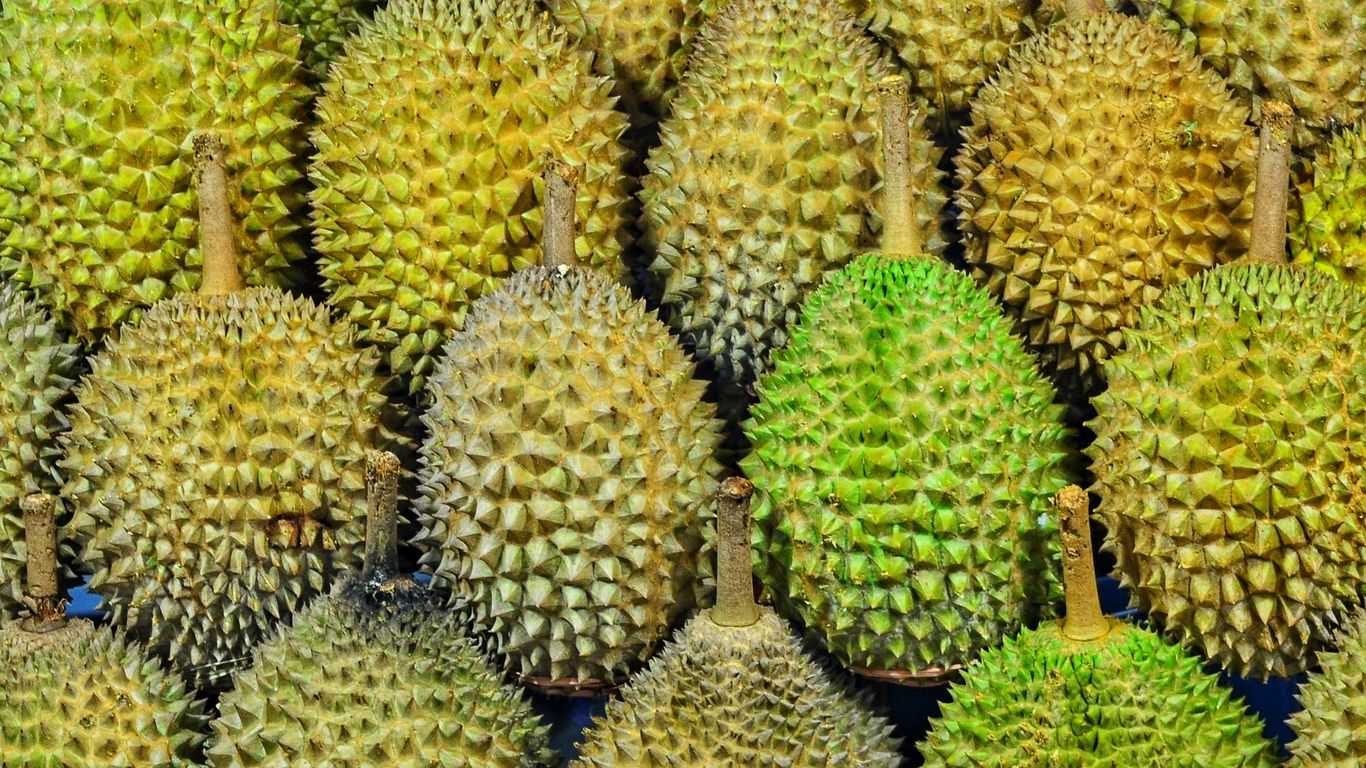
If you’re really keen on going all out with your durian experience, then a durian buffet is probably the way to go. It’s a fantastic way to sample a few different varieties without committing to a whole fruit, and let’s be honest, the ‘all-you-can-eat’ aspect is pretty appealing.
These buffets usually pop up during the peak season, so keep an eye out from around June to September. You’ll often find them at various eateries and even some hotels looking to cash in on the durian craze. They typically offer a set time, often an hour, to gorge yourself on as much durian as you can handle. It’s a good idea to book ahead, especially if you’re going with a group, as they can get pretty busy.
Here’s what you might expect:
- Variety of Durians: Most buffets will feature popular types like Musang King, Black Thorn, and Red Prawn. Some might even throw in rarer varieties if you’re lucky.
- Freshly Opened: The durians are usually opened on the spot, so you’re getting them at their freshest.
- Accompaniments: Often, you’ll find other treats like fresh coconut water or mangosteens to help cleanse your palate between rounds.
Buffets can be a great deal if you’re a serious durian fan, but pace yourself. It’s easy to get carried away with the abundance of fruit.
Prices can vary quite a bit, but you might see them ranging from around $38 to over $70 per person, depending on the venue and the types of durian included. Some places even offer special deals, like a two-person package for $150 which can be quite a bargain if you’re dining with a mate. It’s definitely worth comparing a few options to find the best value for your durian feast.
Musang King
When it comes to durian varieties in Singapore, the Musang King, or ‘Mao Shan Wang’ as it’s also known, often steals the spotlight. This particular type is famous for its rich, creamy flesh that has a distinct bittersweet flavour profile. It’s a favourite for many, and you’ll often see long queues at stalls selling them, especially when prices are good.
The texture is usually smooth and custard-like, with a potent aroma that’s unmistakable. It’s a durian that really makes a statement.
Here’s a quick rundown of what makes Musang King stand out:
- Taste: A complex balance of sweet and slightly bitter notes.
- Texture: Creamy, soft, and almost buttery.
- Aroma: Strong and pungent, a hallmark of quality durian.
Prices can fluctuate quite a bit, but during peak season, you might find some decent deals. Keep an eye out for promotions, as sometimes you can snag a good price, making it more accessible for everyone to try this popular variety. It’s definitely worth seeking out if you’re looking for a classic durian experience.
Musang King durians are highly sought after, and their popularity means they can sometimes be more expensive than other varieties. However, many find the unique flavour and texture to be well worth the cost, especially when sourced directly from farms during the harvest season.
If you’re lucky, you might even find places offering unlimited Musang King buffets, which can be a fantastic way to indulge without worrying about the per-fruit cost. Just be sure to check the durian season for the best availability.
Black Thorn
The Black Thorn durian is a bit of a legend in the durian world, especially if you’re looking for something a bit special. It’s a Malaysian variety that’s known for its unique flavour profile.
It’s often described as having a complex taste that balances sweetness with a subtle, pleasant bitterness. The texture is usually soft and creamy, almost like a custard.
When you’re looking for a Black Thorn, keep an eye out for a slightly darker, more reddish hue on the thorns compared to other varieties. This isn’t a hard and fast rule, but it’s a common observation among enthusiasts.
These durians are quite sought after, so if you see them available, it’s a good idea to grab them quickly. They’re not always easy to find, which adds to their appeal. You might find them featured in premium durian buffets, sometimes alongside the popular Musang King. Check out some buffet options.
Here’s a quick rundown of what makes it stand out:
- Taste: Sweet with a hint of bitterness, often with a slight alcoholic note.
- Texture: Creamy, soft, and rich.
- Appearance: Usually has a darker, sometimes reddish, husk and thorns.
- Availability: Can be harder to find due to limited supply.
Because of its unique taste and limited availability, the Black Thorn is considered a real treat for durian lovers. It’s definitely worth trying if you get the chance, offering a different experience from the more common varieties.
Red Prawn
The Red Prawn, or D175 as it’s known, is a real standout when it comes to durian varieties. It’s got this distinctive rosy-orange flesh that’s super creamy, almost like custard, and it’s got a sweetness that’s got hints of vanilla. It’s not as intensely pungent as some other types, making it a bit more approachable for those new to the King of Fruits.
When you’re picking one out, look for a strong, sweet aroma. Give it a gentle shake; a ripe one will have a slight rattle inside. The stem should also look moist, not dried out, which is a good sign of freshness. This variety is particularly popular during the main durian season, typically from June to August, though you might find a smaller harvest between December and January.
It’s worth noting that there’s also a D13 variety sometimes called ‘Red Prawn’, but the D175 is the one most people rave about for its unique flavour profile. If you’re keen to try this delightful fruit, keep an eye out at your local durian stalls during the peak months. It’s a flavour experience that’s definitely worth seeking out.
Durian Desserts
Beyond just eating the fresh fruit, Singapore really knows how to turn durian into some seriously good desserts. If you’re a fan, you’re in for a treat because there are heaps of ways to enjoy that unique flavour.
Think creamy durian mousse, rich durian cakes, or even durian ice cream. Many places offer these, and they’re a great way to get your durian fix, especially if you’re not keen on tackling a whole fresh fruit. Some spots even do a durian platter, which is pretty cool if you want to try a few different types of durian-based treats all at once.
For those who love a good challenge, durian buffets often include a selection of desserts alongside the fresh fruit. It’s a fantastic way to experience eating durian for best taste in various forms.
Here are a few popular durian dessert options you might come across:
- Durian Mousse: Light, airy, and packed with flavour.
- Durian Cakes: From simple sponge cakes to elaborate creations.
- Durian Ice Cream: A cold, creamy delight.
- Durian Mooncakes: A seasonal favourite, especially around the Mid-Autumn Festival.
- Durian Chendol: A local dessert with a durian twist.
Trying durian desserts can be a good introduction for those new to the fruit, offering a more controlled and often sweeter flavour profile compared to the fresh fruit itself. It’s a testament to how versatile this ‘king of fruits’ truly is.
If you’re looking to make your own, you can find recipes online for things like durian pancakes or even durian cookies. It’s amazing what you can do with this fruit! You can even find some great durian dessert recipes to try at home. And if you’re after something truly special, check out a place like The Durian Bakery for some premium cake options.
Durian Mooncakes
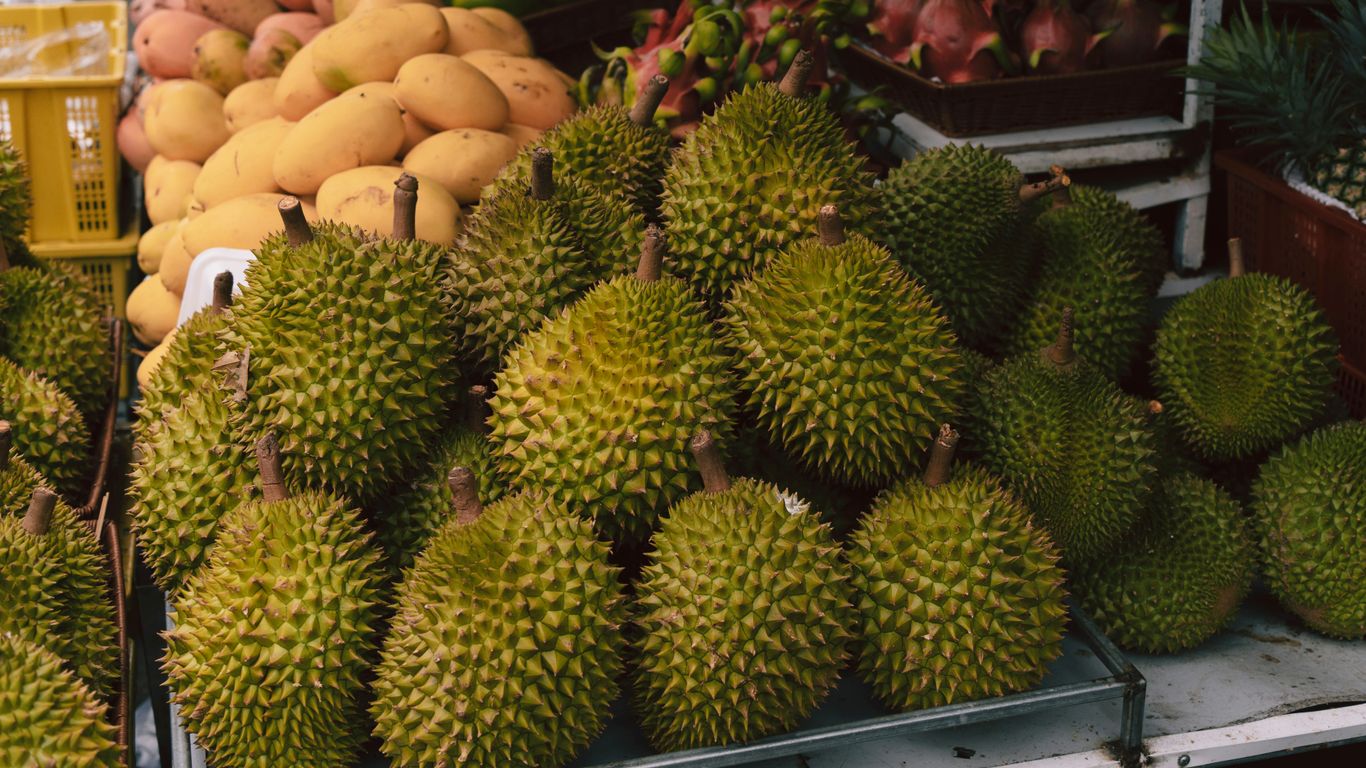
When the Mid-Autumn Festival rolls around, Singaporeans get pretty creative with their celebrations. One of the most popular twists on tradition is the durian mooncake. Forget the usual lotus seed paste; these bad boys pack a punch with real durian flesh inside.
They really took off in the early 2000s, and it’s easy to see why. Imagine the creamy, pungent flavour of fresh durian wrapped in a soft, chewy snow skin or a traditional baked crust. It’s a flavour combination that’s become a must-have for many during this festive period.
Here’s what makes them special:
- Intense Durian Flavour: Made with actual durian pulp, usually premium varieties like Musang King, these mooncakes offer a rich and authentic taste.
- Variety of Skins: You can find them with delicate snow skin, which is best eaten fresh, or in a more traditional baked pastry.
- Seasonal Treat: Durian mooncakes are primarily available around the Mid-Autumn Festival, making them a sought-after seasonal delicacy.
Because they’re made with fresh fruit, they don’t last as long as regular mooncakes. It’s best to enjoy them within a day or two of purchase, especially the snow skin versions, to get the best texture and flavour. They’re a fantastic way to combine two beloved treats into one unforgettable bite.
These durian-infused pastries are a testament to Singapore’s love for the king of fruits, blending traditional festivities with modern culinary innovation. They offer a unique sensory experience that appeals to both durian aficionados and those looking to try something new during the Mid-Autumn Festival.
If you’re looking for the freshest ones, keep an eye out for bakeries that make them in-house. Many places start selling them a few weeks before the festival, so you’ll have plenty of opportunities to try them. Just remember, durian snow skin mooncakes are at their peak when they’re super fresh.
Durian Kaya Toast
Forget your usual breakfast spread, because durian kaya toast is where it’s at when you’re craving something truly special. It’s basically taking that classic Singaporean comfort food, the kaya toast, and giving it a serious upgrade with the king of fruits. Imagine thick, buttery toast, slathered with a rich, creamy kaya that’s infused with the unmistakable flavour of fresh durian. It’s a bit of a decadent treat, not something you’d have every single day, but when that durian craving hits, this is a fantastic way to satisfy it.
This isn’t just any kaya; it’s usually made with good quality durian pulp, often from popular varieties like D24 or even Musang King, mixed with the traditional pandan and coconut milk. The result is a spread that’s both sweet and a little bit pungent, with a texture that’s smoother and more intense than your average kaya. The combination of the warm, crisp toast and the luscious, durian-infused kaya is just something else.
When you’re looking for the best durian kaya toast, you’ll often find it at places that specialise in local breakfast fare, or even some dedicated durian stalls that branch out into other durian-based treats. It’s a simple concept, but the execution makes all the difference. You want that kaya to be packed with real durian flavour, not just a hint of it. Some places might even add a slice of butter on top, which melts into the warm toast and kaya, adding another layer of richness.
It’s a great way to experience durian in a different format, especially if you’re not quite ready for a whole durian on its own. It’s a bit like a gateway durian treat, if you will. You can find this delightful combination at places like Ya Kun Kaya Toast, which sometimes offers special durian versions during the season.
Durian Chendol
When you’ve had your fill of the fresh fruit, or maybe you’re just looking for something a bit different, durian chendol is a fantastic option. It takes the classic Malaysian dessert and gives it a serious upgrade with the king of fruits. Imagine that creamy, sweet durian flesh blended into the rich coconut milk and gula melaka syrup, all poured over pandan-flavoured jelly noodles and shaved ice. It’s a flavour explosion that’s both refreshing and decadent.
This dessert is a must-try for any durian enthusiast. It’s a brilliant way to experience the unique taste of durian in a different format. You’ll find it at many durian stalls and dessert shops, especially during peak season. Some places even offer a generous amount of fresh durian pulp on top, making it extra special.
Here’s what you can typically expect in a good durian chendol:
- Creamy Durian Pulp: The star of the show, providing that unmistakable aroma and flavour.
- Gula Melaka Syrup: A dark, caramel-like palm sugar syrup that adds a deep sweetness.
- Coconut Milk: For that rich, smooth base.
- Pandan Jelly Noodles: The traditional chendol element, giving a nice texture.
- Shaved Ice: To keep it cool and refreshing.
Some spots might even add red beans or other toppings, but the core combination is usually durian, gula melaka, coconut milk, and pandan jelly.
Trying durian chendol is a great way to explore the versatility of the fruit. It’s a dessert that balances the intense flavour of durian with familiar sweet and creamy notes, making it accessible even for those who are new to durian.
If you’re keen to find some of the best versions, keep an eye out for popular dessert spots or even dedicated durian stalls that branch out into desserts. You might be surprised at how many places are offering this delightful treat. For some ideas on where to start, checking out popular chendol spots can often lead you to places that also serve excellent durian variations.
Durian Mousse
When you’re craving that intense durian flavour but don’t want the whole fruit experience, durian mousse is a fantastic option. It’s a dessert that really lets the king of fruits shine, usually in a smooth, creamy form. Think of it as the concentrated essence of durian, made more accessible and, let’s be honest, a bit tidier to eat.
The best durian mousse captures the complex sweetness and slight bitterness of fresh durian without being overwhelming. It’s often made with a base of cream, milk, and sugar, blended with fresh durian pulp. Some places might add a touch of condensed milk for extra richness or even a hint of vanilla, but the star is always the durian itself. You can find it in various places, from dedicated durian dessert shops to cafes that offer a wider range of sweets.
Here’s what to look for in a good durian mousse:
- Rich Durian Flavour: It should taste unmistakably of durian, with that signature aroma and taste profile.
- Creamy Texture: A good mousse is smooth and velvety, melting in your mouth.
- Balanced Sweetness: It shouldn’t be overly sweet; the natural flavour of the durian should be the main focus.
Some establishments even let you choose the type of durian used, like the popular Musang King or D24, which can subtly alter the final taste. It’s a great way to enjoy durian’s unique character in a different format, especially if you’re new to the fruit or just want a lighter indulgence.
Durian mousse offers a delightful way to experience the fruit’s distinctive taste and texture in a dessert form. It’s a testament to how versatile the king of fruits can be, transforming into a smooth, decadent treat that appeals to both seasoned durian lovers and curious newcomers alike.
Durian Platter
When you’ve got a group of durian enthusiasts over, or perhaps you’re just feeling particularly indulgent, a durian platter can be a fantastic way to sample a few different types without committing to a whole fruit of each. It’s like a tasting menu for the king of fruits, really. You get to see a variety of durian flesh laid out, often with different textures and flavour profiles side-by-side.
These platters are usually put together by dedicated durian stalls or even some fruit shops, especially during peak season. They’re a great way to try premium varieties like Musang King or Black Thorn alongside more common ones. It’s a convenient option for sharing and experiencing the diversity of durian.
Here’s what you might typically find on a durian platter:
- Musang King: Known for its rich, creamy, and slightly bitter taste.
- Black Thorn: Often described as having a complex flavour, sweet with a hint of tartness, and a very smooth texture.
- Red Prawn: Typically sweeter and less pungent, with a softer, more fibrous flesh.
- D24: A popular choice, offering a good balance of creaminess and sweetness.
Ordering a durian platter can be a bit of a gamble, as freshness is key. It’s best to go with a reputable vendor. Some places even offer a durian party platter that you can pre-order for gatherings, which takes the guesswork out of it.
Trying a durian platter is a good way to discover your personal favourite variety without buying a whole fruit that might not suit your palate. It allows for a more controlled tasting experience.
Durian Farms
While many of us grab our durians from street stalls or dedicated shops in Singapore, a truly immersive experience involves visiting a durian farm. These farms, often located just across the border in Malaysia, offer a chance to see where the ‘King of Fruits’ actually grows. It’s a different vibe altogether, being surrounded by the trees and breathing in that unmistakable aroma.
Visiting a farm can give you a better appreciation for the fruit. You get to see the different varieties up close and sometimes even learn about the cultivation process. It’s a bit of a trek, sure, but for serious durian enthusiasts, it’s worth it. You might even find that prices are a bit more favourable when buying directly from the source, especially if you’re buying in larger quantities.
Here’s what you might expect:
- Variety Selection: Farms usually have a good range of durians available during the peak season.
- Freshness Guaranteed: You’re eating durians that were likely picked that very day.
- Farm-to-Table Experience: It’s as fresh as it gets, offering a unique perspective for your singapore durian guide.
Some farms offer guided tours or tasting sessions, which can be a fun way to spend a day. It’s a chance to really connect with the fruit and understand what makes each variety special. Plus, you get to enjoy the durians in their natural environment, which is pretty cool.
Keep in mind that farm visits are most rewarding during the peak harvest times. Outside of these periods, availability can be limited. It’s always a good idea to check with the farm beforehand about their operating hours and durian stock. The abundance of durians during peak season means prices can drop, making it a great time to visit. Malaysia’s peak harvest often means more supply heading to Singapore too.
Street Markets
Wandering through Singapore’s street markets during durian season is a whole experience. You’ll find stalls everywhere, especially in areas known for their food. It’s not just about buying the fruit; it’s about the atmosphere. Vendors are often passionate about their produce, happy to chat about the different varieties and how to pick the best ones.
Don’t be afraid to ask questions. Most sellers are pretty knowledgeable and can guide you towards a durian that suits your taste, whether you prefer something sweet, bitter, or a mix of both. It’s a great way to learn about the nuances of different types like Musang King or D24.
Here’s a quick rundown of what to expect:
- Variety: You’ll see a range of durians, from the popular ones to more local, lesser-known varieties.
- Freshness: Stalls often get daily deliveries, so the fruit is usually quite fresh.
- Atmosphere: Expect lively crowds, the distinct smell of durian, and plenty of chatter.
- Price: Prices can fluctuate, but street markets often offer competitive rates, especially if you buy a few.
Some places stay open quite late, catering to those late-night durian cravings. It’s worth checking out local durian stalls that might have extended hours.
You might find yourself drawn into conversations with other durian enthusiasts, sharing tips and recommendations. It’s a communal joy, really.
Keep an eye out for deals, especially if you’re buying multiple fruits. Sometimes vendors will offer a bundle price that’s quite attractive. It’s all part of the fun of hunting for the perfect durian.
Durian Stalls
When durian season hits Singapore, the place to be is undoubtedly at one of the many dedicated durian stalls scattered across the island. These aren’t just places to buy fruit; they’re often buzzing hubs where enthusiasts gather, sharing tips and comparing their latest finds. You’ll find stalls ranging from humble roadside setups to more established shops, each with its own loyal following.
The key is to find a stall that prioritises freshness and variety. Some stalls pride themselves on sourcing directly from Malaysian farms, ensuring the durians arrive at their peak. Others might specialise in specific varieties, becoming the go-to spot for Musang King or Black Thorn aficionados. It’s worth doing a bit of research or asking around for recommendations, as word-of-mouth is often the best guide. Many of these vendors are known for their honest dealings, which is a big plus when you’re spending a fair bit on this king of fruits. For a curated list of reliable vendors, checking out honest durian sellers in Singapore can be a good starting point.
Here’s what to look out for when you visit:
- Freshness: Look for stems that are still green and moist, indicating the fruit was recently picked. Avoid any with dry, brittle stems.
- Sound: Gently shake the durian. A hollow sound often means the flesh has shrunk from the husk, suggesting it’s past its prime.
- Smell: A strong, pleasant durian aroma is a good sign. If it smells overly fermented or sour, it’s probably best to pass.
- Variety: Good stalls will offer a range of durians, from the popular Musang King to lesser-known but equally delicious types. Some places, like Ah Seng Durian, have built a reputation for consistently high quality across their selection.
Don’t be afraid to chat with the stall owners. They’re usually passionate about their fruit and can offer insights into which durians are tasting best on any given day. It’s all part of the experience of hunting down that perfect durian.
Durian Prices
When it comes to durian season in Singapore, prices can swing a lot depending on when you buy, what type you’re hunting for, and how the supply is shaping up each year. During the main harvest from June to September, expect prices to drop, sometimes by as much as 30%, thanks to the bumper crop flooding in from Malaysia. Some sellers will even post their daily rates online, making it much easier to track deals, and avoid any surprises when you pay.
Here’s a quick look at average durian prices during peak and off-peak times:
| Durian Variety | Peak Season Price per Kg | Off-Peak Price per Kg |
|---|---|---|
| Musang King | $18–$35 | $50–$70 |
| Black Thorn | $28–$40 | $60+ |
| Red Prawn | $13–$20 | $25–$35 |
| Kampong Durian | $10–$15 | $20+ |
A few helpful things to keep in mind:
- When there’s a large surplus, Musang King prices can go as low as $35 for 800g, which is almost half the price of previous years (Musang King durian prices).
- Street stalls and wet markets may offer better bargains compared to fancy shops, especially if you’re willing to shop late in the evening.
- Supermarkets, like NTUC, sometimes offer special deals — for example, you might find boxes of fresh durian from $10 during peak months.
If you love durian but hate the guessing game, ordering online can be a game changer. Prices are clearly listed, and you can spot bundle or delivery promotions upfront without the aisle haggling.
Prices in Singapore reflect not just the durian’s quality, but also the timing. If your only window is outside the main season, budgets might need to stretch a little more (durian price drop during harvest). For the freshest fruit and best value, keep an eye on peak months and don’t be shy about comparing prices between your go-to stall and new vendors. It’s all part of the annual challenge (and fun) of being a Singaporean durian fan.
Durian Varieties
Singapore’s durian scene is a vibrant tapestry, with a whole host of varieties to explore beyond the usual suspects. While Musang King, Black Thorn, and Red Prawn often steal the spotlight, there’s a whole world of flavour waiting to be discovered. Each type brings its own unique character to the table, from the intensely creamy to the subtly sweet.
When you’re out hunting for the perfect durian, you’ll likely encounter a few key players. The Musang King (or Mao Shan Wang) is famous for its rich, bittersweet taste and thick, custard-like flesh. It’s a popular choice for a reason, though it can come with a heftier price tag. Then there’s the Black Thorn, known for its deep orange flesh and a flavour profile that’s often described as a complex mix of sweet and slightly alcoholic. Red Prawn, on the other hand, tends to be sweeter with a softer texture and a distinct reddish hue to its flesh.
But don’t stop there! Keep an eye out for other interesting varieties like D24 (Sultan), which offers a milder, creamier experience, or Golden Phoenix, a smaller fruit with a more delicate, slightly sour-sweet taste. Sometimes you’ll even find local ‘kampung’ durians, which can vary wildly but often offer a unique, earthy flavour.
Here’s a quick rundown of some popular types you might find:
- Musang King: Rich, bittersweet, thick flesh.
- Black Thorn: Deep orange, complex sweet and slightly alcoholic notes.
- Red Prawn: Sweeter, softer flesh with a reddish tint.
- D24 (Sultan): Milder, creamier, and very popular.
- Golden Phoenix: Smaller, delicate, sweet and slightly sour.
Understanding these different varieties can really help you pinpoint exactly what you’re looking for in a durian. It’s all about personal preference, and Singapore’s markets offer a fantastic opportunity to sample and compare. Don’t be afraid to ask the sellers for their recommendations based on what you might enjoy. Exploring the wide range of durian varieties is part of the fun.
Ultimately, the best way to find your favourite is to try them all. Each season brings new opportunities to taste these different fruits, and Singapore’s dedicated durian stalls are the perfect place to start your tasting adventure.
Singapore is famous for its amazing durian! There are so many different kinds, each with its own special taste and smell. From the creamy Musang King to the sweet D24, there’s a durian out there for everyone to love. Want to try some of the best durians Singapore has to offer? Visit our website to find out where to get them!
So, When’s the Best Time?
Look, figuring out the absolute perfect moment for durian can feel like a bit of a mission. But generally, hitting up the main season from June to September is your best bet for finding heaps of them around. Keep an eye out for those signs of ripeness – a good smell, a hollow sound when tapped, and a moist stem. Whether you brave the queues or get it delivered, enjoying the king of fruits at its peak makes all the effort worthwhile. Happy durian hunting!
Frequently Asked Questions
When is the best time to eat durian in Singapore?
The prime time for durian in Singapore is usually from May to July. This is when the fruit is at its freshest and tastiest, and you’ll find the most varieties available. It’s like the durian party season!
Why are there always long queues for durian?
Good durian is super popular! When the season is on, everyone wants a piece of the ‘king of fruits’. So, you’ll often see long lines at durian stalls, especially at the well-known ones. It’s a sign that the durians are probably top-notch, but you might have to wait a bit.
How can I pick a really fresh durian?
To pick a good one, give the stem a little touch – it should feel moist. Also, give the durian a gentle knock; a hollow, drum-like sound means it’s ripe and ready. And don’t forget to give it a sniff near the stem; a fresh, sweet smell is what you’re after!
Is it worth ordering durian online?
Definitely! If you don’t want to brave the heat and the queues, ordering durian online is a great option. Many places deliver right to your door, and you can see all the prices upfront, so there are no nasty surprises.
Do I have to pay extra for durian delivery?
Usually, there’s a delivery fee, often around $10 to $15. But here’s the good news: lots of places offer free delivery if you buy a certain amount of durian. So, it can actually work out to be quite a good deal!
What are the most popular durian types?
Some of the most loved durian varieties are Musang King (known for its rich, bittersweet taste), Black Thorn (which is creamy and has a unique texture), and Red Prawn (often sweeter with a slightly different flavour profile). Each has its own fan club!
Can I eat durian in other ways besides eating it fresh?
Absolutely! Singaporeans love durian in all sorts of treats. You can find durian mooncakes, durian kaya toast, creamy durian chendol, and smooth durian mousse. There are even durian platters for a real feast!
Are there places that offer unlimited durian?
Yes, durian buffets are a thing! You can find places offering all-you-can-eat sessions where you can indulge in different varieties of durian for a set period. It’s a great way to try a few types without buying whole fruits.