
Alright, so durian season in Singapore is kind of a big deal. It’s that time of year when the air gets a certain… fragrance, and everyone starts talking about the King of Fruits. Whether you’re a seasoned durian devotee or just curious about what all the fuss is about, knowing when and where to get your hands on the good stuff is key. This guide is basically your roadmap to making the most of durian season singapore, from picking the ripest fruit to finding the best spots to indulge.
Key Takeaways
- The main durian season in Singapore usually runs from June to August, with a smaller season from December to January. Thai durians have a separate season, typically April to July.
- Popular durian varieties include Mao Shan Wang (Musang King) for its bittersweet flavour, D24 for a classic taste, and Red Prawn for a sweeter profile. XO durian offers a more adventurous, bitter taste.
- To pick a good durian, give it a sniff for a strong, sweet aroma, do a gentle shake test to check for ripeness, and inspect the stem – a green, moist one is best. Look for hairline cracks and an oval shape.
- Geylang, Balestier Road, and Sims Avenue are well-known areas with numerous durian stalls. Popular vendors include Ah Seng Durian, Combat Durian, and 99 Old Trees.
- Beyond fresh fruit, look out for seasonal durian buffets and various durian desserts like pastries and cakes. Many stalls also offer online delivery services for convenience.
Understanding Durian Season Singapore
Singapore’s love affair with durian is intense, and it’s all tied to the seasons. While you might see durian available year-round, the real deal, the peak experience, happens during specific times. Most of the durians we enjoy here come from our neighbours in Malaysia, particularly from orchards in Pahang, Johor, and Penang. These regions dictate when the good stuff hits our shores.
When Is The Best Time To Enjoy Durian
The prime time to really sink your teeth into durian is generally from June to August. This is when the main harvest is in full swing. You’ll find stalls overflowing with fruit, and prices tend to be more reasonable because there’s so much supply. However, don’t discount the shoulder seasons. You can often find decent durian starting around April, and sometimes even a smaller season pops up towards the end of the year, around December to January. If you’re looking for the absolute best value and quality, aiming for the second or third week of the main season is often a good bet, as prices might dip slightly while the fruit is still at its richest.
The Two Main Durian Seasons
Singapore essentially experiences two main windows for durian consumption, driven by the Malaysian harvest cycles:
- Main Season: This is the big one, typically running from June through to August. Expect the widest variety and the most abundant supply during these months.
- Mini Season: A smaller harvest usually occurs between December and January. While the selection might not be as vast as the main season, it still offers a chance to enjoy the King of Fruits.
Understanding Thai Durian Season
While Malaysian durians are the stars of the show for many, you’ll also find Thai varieties like Monthong in supermarkets and some fruit stalls. These tend to be a bit different – often sweeter, less pungent, and with a firmer texture. They’re a good entry point for those new to durian or who prefer a milder experience. The Thai durian season usually kicks off earlier, often from April and running through to July. This can sometimes overlap with the early Malaysian season, giving you even more options. It’s interesting how different growing regions and varieties offer such distinct experiences, making the durian season in Singapore a dynamic period for fruit lovers.
Exploring Popular Durian Varieties
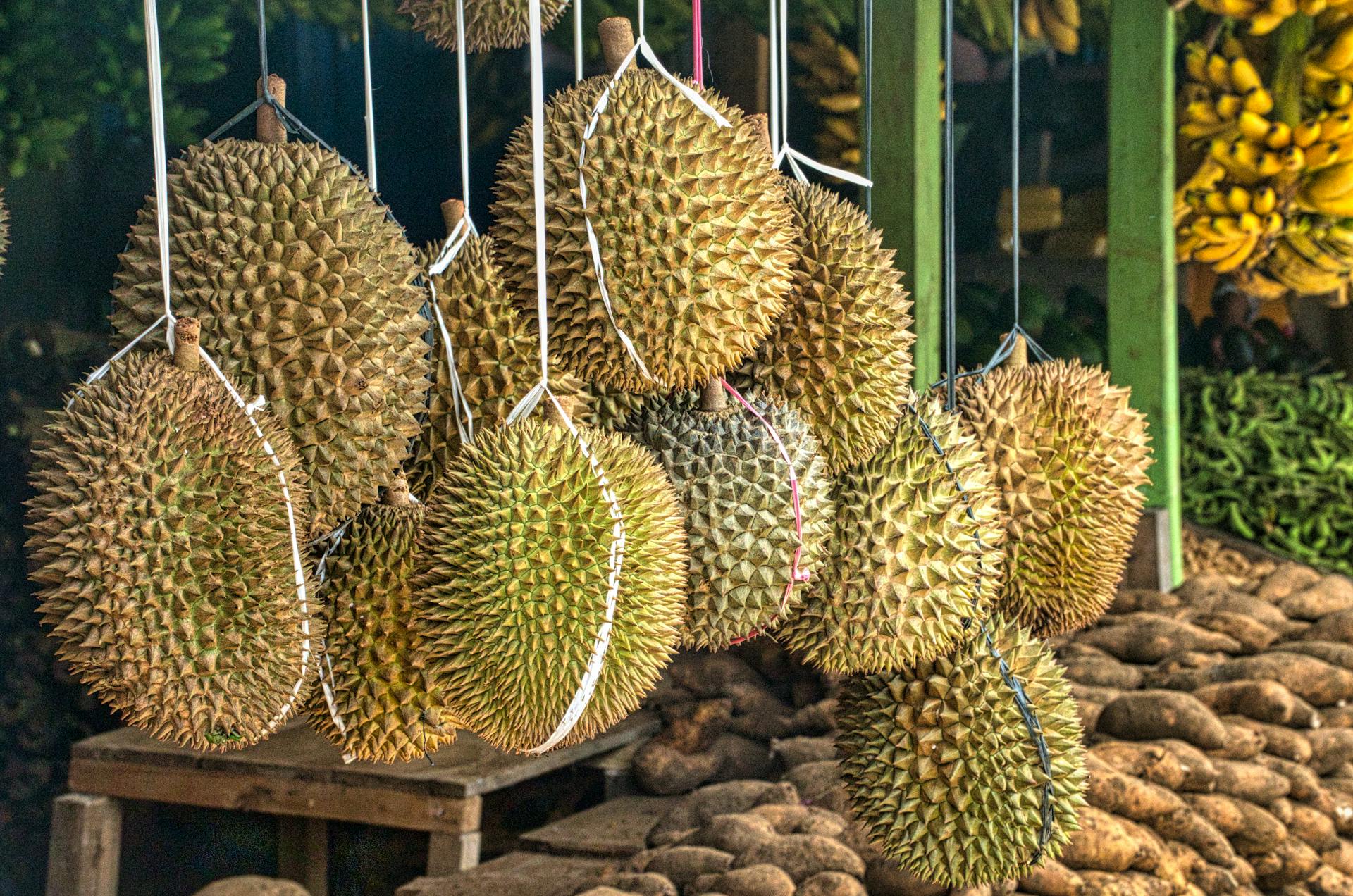
Singapore’s durian scene is a vibrant tapestry of flavours, and understanding the different types is key to a truly satisfying experience. While the season dictates availability, certain varieties have earned their own fan clubs. Mao Shan Wang is often hailed as the king, but there are plenty of other contenders worth exploring.
Mao Shan Wang: The King Of Kings
Mao Shan Wang, or MSW, is arguably the most famous durian in Singapore. Its flesh is typically a deep yellow, rich, and creamy, with a complex flavour profile that balances sweetness and a pleasant bitterness. It’s the sort of durian that sparks passionate debates among enthusiasts. If you’re looking for the quintessential durian experience, MSW is often the benchmark.
D24: A Classic Choice
D24 is another long-standing favourite. It offers a creamy texture and a flavour that leans more towards sweet than bitter, though it still has a good depth. It’s a reliable choice for those who enjoy a classic durian taste without the intense bitterness some other varieties might present. Many stalls will have D24 available, making it accessible for most durian lovers.
Red Prawn: Sweet And Delicate
Known locally as Ang Hay, the Red Prawn durian is distinct for its vibrant, orangey-red flesh. Its flavour is predominantly sweet with a slightly fruity note, and the texture is often described as sticky and custardy. This variety is a great option for those new to durian or who prefer a less pungent, sweeter profile. It’s like dessert in a husk.
XO Durian: For The Adventurous Palate
XO durian gets its name not from the alcoholic beverage, but from the slightly fermented, alcoholic undertone in its flavour. The flesh is usually pale yellow and can be quite soft. It’s known for its strong, pungent aroma and a taste that’s a bit more challenging, often described as having a bittersweet kick with a hint of liquor. This one is definitely for the more experienced durian eater looking for something different. If you’re keen to try a variety with a bit of a kick, XO durian is a good place to start.
Each variety offers a unique journey for your taste buds. Don’t be afraid to try a few different types to discover your personal favourite. The season is short, so make the most of it!
Here’s a quick look at some popular types:
- Mao Shan Wang (MSW): Rich, creamy, bittersweet. The king.
- D24: Classic, creamy, predominantly sweet.
- Red Prawn (Ang Hay): Sweet, fruity, orangey-red flesh.
- XO: Pungent, slightly alcoholic undertone, bittersweet.
- Black Thorn (D200): Sweet with a floral finish, deep orange flesh. Highly regarded for its complex taste.
Navigating The Durian Market
So, you’ve decided to dive headfirst into Singapore’s durian scene. Awesome! But standing in front of a stall piled high with those spiky green orbs can be a bit daunting, right? Don’t sweat it. Picking a good durian is more about knowing a few simple tricks than having a secret handshake. The goal is to walk away with a fruit that’s perfectly ripe and bursting with flavour.
How To Select The Freshest Durian
When you’re at the stall, don’t be shy. Engage with the seller and use your senses. Here’s a quick rundown of what to look for:
- The Sniff Test: Give the durian a good whiff, especially around the stem. A strong, sweet aroma usually means it’s ready to eat. If it smells sour or like alcohol (unless it’s a specific variety like XO), it might be past its prime. No smell at all? It’s probably not ripe enough yet.
- The Shake Test: Gently pick up the durian and give it a light shake. If you hear a slight thud or a ‘loose’ sound from inside, it’s a good sign that the flesh has started to separate from the husk, indicating ripeness.
- Stem Check: Look at the stem. A bright green and moist stem suggests the durian was recently picked. A dry, dark, or shrivelled stem might mean it’s been sitting around for a while.
Understanding Durian Ripeness
Ripeness is key to enjoying durian. Too early, and it’s firm and bland. Too late, and it can be mushy and overly fermented. The signs we’ve discussed above – the smell, the shake, the stem – are all indicators of ripeness. You’re looking for that sweet spot where the flesh is creamy and flavourful.
The Significance Of The Stem And Shape
The stem is a good indicator of freshness, as mentioned. As for shape, while it’s not the be-all and end-all, a durian that’s more oval or has a slightly ‘angled’ appearance often has more evenly distributed flesh. Rounder ones can sometimes have more empty space inside. It’s worth keeping an eye on, but don’t let it be your only deciding factor. Ultimately, a good seller will be happy to show you the fruit’s interior before you buy, so you can see the quality for yourself. If you’re looking for a wide variety of durians delivered right to your door, check out Jiak Durian Mai.
Picking the right durian is a bit of an art, but with a little practice, you’ll get the hang of it. Don’t be afraid to ask questions and trust your instincts. A good durian seller wants you to be happy with your purchase.
Where To Find The Best Durian Stalls
Singapore is practically synonymous with durian, and while you can find the spiky fruit all over, some spots have earned a reputation for being the go-to places. If you’re looking for a genuine durian experience, heading to these established areas is a good bet. They’ve been serving up the king of fruits for years, and the locals know where to go.
Geylang: A Durian Haven
Geylang is probably the most famous durian district in Singapore. As soon as durian season hits, this area transforms. You’ll see stalls popping up everywhere, especially along Geylang Road. It’s a lively place, often buzzing with people eager to get their hands on fresh durians. Many stalls here are quite experienced and can guide you through the different varieties.
Balestier Road: A Longstanding Favourite
Balestier Road is another classic spot for durian lovers. It’s known for having some really established durian sellers who have been around for ages. These vendors often have access to good quality fruit and know their stuff. It’s a bit more laid-back than Geylang sometimes, but the quality is usually top-notch. You’ll find places here that are well-known for specific types of durian, like Mao Shan Wang.
Sims Avenue: Another Popular Spot
Just a stone’s throw from Geylang, Sims Avenue also hosts a good number of durian stalls. It offers a similar vibe to Geylang, with plenty of choices and a lively atmosphere during peak season. It’s a convenient alternative if you’re exploring the general area and want to compare prices and varieties. Some stalls might even offer samples, which is always a bonus when you’re trying to pick the perfect fruit.
Here’s a quick look at what makes these areas great:
- Geylang: Known for its sheer number of stalls and vibrant atmosphere.
- Balestier Road: Home to long-standing sellers with a reputation for quality.
- Sims Avenue: A convenient and lively option, often with competitive pricing.
When you’re choosing a stall, don’t be afraid to ask questions. A good seller will be happy to tell you about the origin of their durians and help you pick one that suits your taste. It’s all part of the fun of experiencing durian in Singapore.
Experiencing Durian Buffets
Seasonal Durian Buffet Offerings
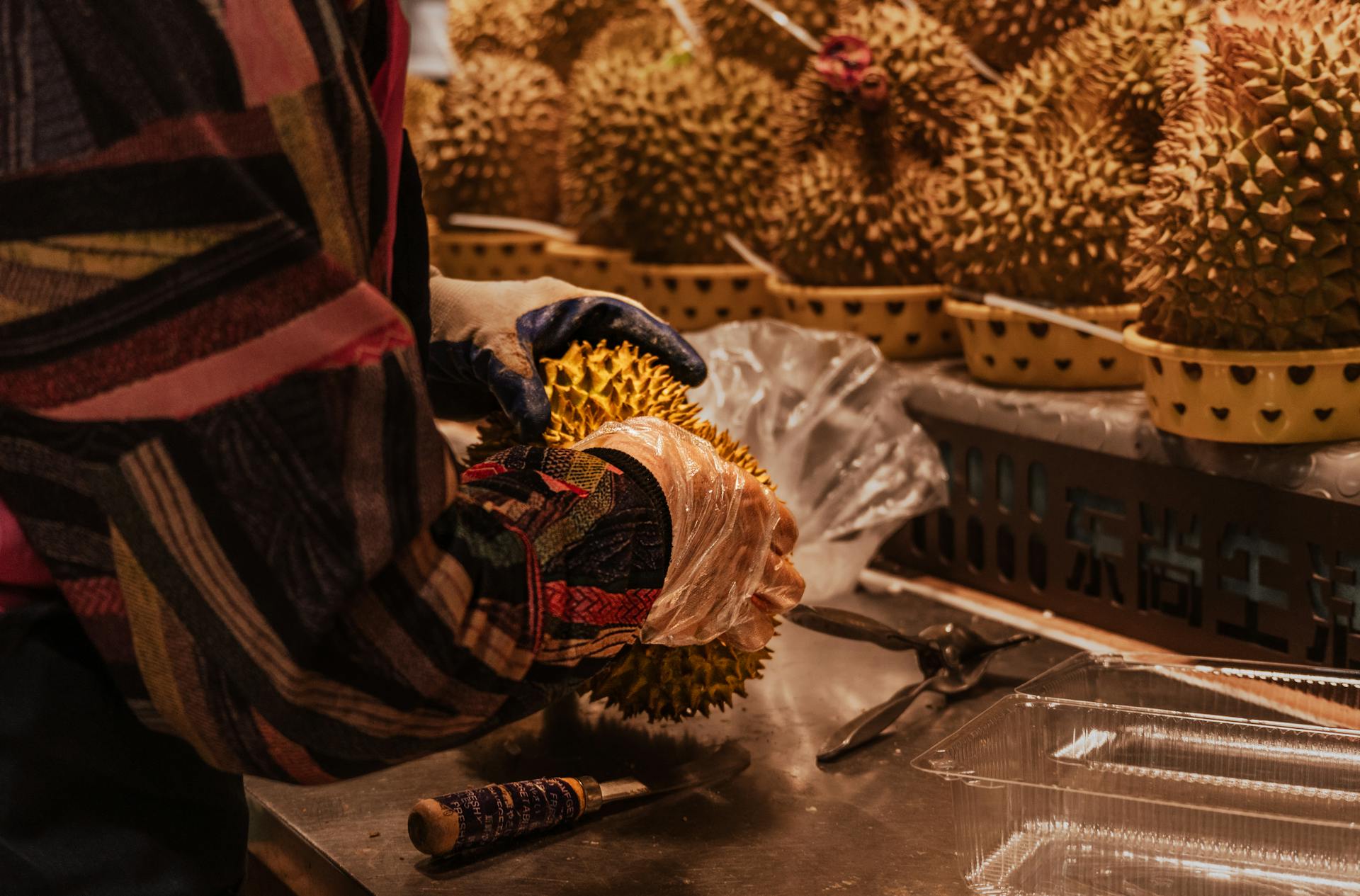
When durian season hits its peak in Singapore, you’ll find a heap of places putting on special durian buffets. These aren’t just about eating a few pieces of fruit; they’re often a full-on feast. You can expect to see popular varieties like Mao Shan Wang and D24, sometimes even rarer ones, all you can eat. It’s a great way to try a few different types without buying whole fruits. Keep an eye out for these, as they pop up at hotels and dedicated durian stalls, usually for a limited time.
All-You-Can-Eat Durian Experiences
For the serious durian fan, the all-you-can-eat experience is the ultimate indulgence. These buffets let you go back for more, sampling different textures and flavours until you’re completely satisfied. Some places even offer a time limit, like an hour, to really get your money’s worth. It’s a bit of a challenge, but a delicious one! You’ll often find these at places that specialise in durian, offering a relaxed atmosphere to just sit back and enjoy the king of fruits. Some spots might even include other durian-themed treats alongside the fresh fruit. For a premium experience, consider places like Golden Moments Durian Cafe which often feature top-tier varieties.
Durian Desserts and Pastries
Beyond just the fresh fruit, many durian buffets also include a selection of durian desserts. This is where things get really creative. You might find durian cakes, tarts, ice cream, and even durian-flavoured chendol. It’s a nice way to round off the meal, offering a different take on the fruit’s intense flavour. These desserts can range from simple to quite elaborate, showcasing the versatility of durian in the culinary world. It’s a good option if you want to try durian but aren’t quite ready for a whole fruit, or if you just want to mix things up.
Here’s a general idea of what you might find:
- Freshly opened durian varieties
- Durian ice cream and sorbet
- Durian cakes and pastries
- Durian mousse and puddings
- Durian-infused drinks
Buffets are a fantastic way to explore the diverse world of durian, allowing for extensive sampling and comparison of different cultivars in a single sitting. It’s an experience that caters to both the seasoned durian aficionado and the curious newcomer alike, offering a chance to truly appreciate the fruit’s complex flavour profile.
Tips For Buying Durian
So, you’ve decided to dive headfirst into Singapore’s durian scene. Excellent choice! But standing in front of a stall piled high with these spiky fruits can be a bit daunting. Don’t worry, picking a good one is easier than you think with a few pointers. The key is to use all your senses and trust your gut (and the seller’s reputation, of course).
Choosing A Trusted Durian Seller
This is probably the most important step. A good seller is honest and will guide you towards the best fruit. Look for stalls that are busy, have a steady stream of customers, and where the staff seem knowledgeable and happy to answer questions. It’s worth asking locals for recommendations or checking out well-regarded spots like Ah Seng Durian or 99 Old Trees. A reputable vendor is your first line of defence against a disappointing durian.
Assessing Durian Freshness
Freshness is paramount. You want a durian that was recently picked. Here’s how to get a feel for it:
- The Sniff Test: Give the durian a good whiff, especially around the stem. A strong, sweet, and pleasant aroma is a good sign. If it smells sour, alcoholic (unless it’s a specific variety like XO), or has no smell at all, it might not be the best choice.
- The Shake Test: Gently pick up the durian and give it a little shake. If you can hear the seeds rattling or a slight ‘thud’ inside, it means the flesh has likely pulled away from the husk, indicating ripeness.
- Stem Check: Look at the stem. A fresh, green, and slightly moist stem suggests the fruit was recently harvested. A dry, shrivelled, or blackened stem can mean it’s been sitting around for a while.
Sampling And Sharing Durian
Don’t be shy about asking for a taste, especially if you’re buying a whole durian or a larger quantity. Many stalls are happy to let you sample a small bit to ensure you’re happy with the flavour and texture. It’s also a great way to try different varieties without committing to a whole fruit. If you’re with friends, consider buying a few different types and sharing them. This way, everyone gets to experience a range of flavours and textures, making the whole experience more enjoyable and less risky.
When inspecting the fruit, look for a slightly oval shape rather than perfectly round. This often indicates more even flesh distribution within the pods. Also, keep an eye out for small, natural cracks along the seams; these can be a sign of ripeness, but avoid fruits that are splitting open too widely or look dried out.
Beyond The Fruit: Durian Delicacies
Durian Pastries and Cakes
While the fresh fruit is king, Singapore’s love for durian extends far beyond just eating it straight from the shell. Bakeries and cafes across the island have embraced the ‘King of Fruits’, transforming its unique flavour into a delightful array of pastries and cakes. Think rich, creamy durian cakes, often featuring premium varieties like Mao Shan Wang, offering a more refined way to enjoy the taste. These treats are perfect for those who appreciate the flavour but might be a little hesitant about the fresh fruit’s texture or aroma. You can find some truly exceptional durian cakes at places that specialise in this fruit, like The Durian Bakery.
Creative Durian Desserts
Beyond the usual cakes and tarts, you’ll find some seriously creative durian desserts popping up, especially during peak season. We’re talking durian ice cream, durian puffs, durian sticky rice, and even durian-flavoured mochi. Some places get really inventive, mixing durian with other local flavours or presenting it in unexpected ways. It’s a fun way to explore the versatility of durian. If you’re feeling inspired, you can even try making some of these yourself at home with a few simple recipes. Discover seven delightful durian dessert recipes that are surprisingly easy to whip up.
Online Durian Delivery Services
For those who want their durian fix without leaving the house, online delivery services have become a lifesaver. Many vendors now offer fresh durian delivered right to your doorstep, often within hours of ordering. This is especially handy if you’re craving durian but can’t make it to a physical stall. They usually pack the durian well, sometimes even flash-frozen, to maintain freshness during transit. It’s a convenient way to get your hands on a variety of durian types, especially if you live a bit further from the usual durian hotspots.
A Guide To Buying Durian Like A Local
Alright, so you’ve decided to brave the thorny exterior and get your hands on some of Singapore’s finest durian. Good on ya! But standing in front of a stall piled high with these spiky fruits can be a bit daunting, right? Don’t worry, picking a good one is more about a few simple checks than some secret handshake.
The Importance Of A Good Sniff
First things first, give it a good sniff. Seriously, this is where the magic happens. A ripe durian will have a strong, sweet smell, especially around the bottom. If it smells a bit sour or like alcohol, it’s probably past its prime, unless you’re going for a specific variety like XO, which is meant to have that kick. No smell at all? Then it’s likely not ready yet. You want that unmistakable, pungent sweetness.
The Shake Test For Ripeness
Next up, the shake test. Grab the durian (maybe with gloves or a towel, they are prickly!) and give it a gentle shake. If you hear a slight thud or a sort of ‘detached’ sound from inside, that’s a good sign. It means the flesh has likely loosened from the husk, indicating it’s ripe and ready to eat. If you don’t hear anything, the flesh might still be a bit too firm.
Checking The Stem For Freshness
Take a look at the stem. A durian that was recently picked will have a stem that’s green and looks moist. If the stem is dry, brittle, or even black, it’s a sign that the fruit might be old stock or was picked too early. You want that fresh-from-the-tree vibe, and the stem is a good indicator of that.
Here are a few more pointers to keep in mind:
- Shape Matters: While not a hard and fast rule, durians that are a bit oval or have a slightly angular shape (think five sides) often have more even flesh distribution. Round ones can sometimes have empty pockets.
- Look for Cracks: Small, natural hairline cracks along the seams can be a good sign of ripeness. Just make sure they aren’t huge splits, which might mean the fruit is drying out.
- The Tap Test: Gently tap the husk. A ripe durian should sound hollow and dull. It’s a bit like tapping a watermelon, you get a feel for it after a while.
Remember, the best sellers are usually happy to let you inspect the fruit, and sometimes even offer a small taste if you’re buying a few. Don’t be shy to ask questions – that’s how you learn to pick like a local!
If you’re keen to explore different types of durian, checking out various durian types can give you a better idea of what flavours to expect.
Popular Durian Stall Recommendations
Singapore’s durian scene is packed with dedicated stalls, each with its own loyal following. While many spots offer fantastic fruit, a few have really cemented their reputation over the years. It’s always a good idea to try a few different places to find your personal favourite, but these are some of the go-to spots that locals often recommend.
Ah Seng Durian: A Local Favourite
Ah Seng Durian is a name that pops up a lot when you ask around for good durian. They’ve been around for a while and have built a solid reputation, especially in the western part of Singapore. People often mention their quality Mao Shan Wang and Red Prawn varieties. It’s wise to get there early, especially during peak season, as they can get quite busy. You might even consider pre-ordering if you have a specific type in mind.
Combat Durian: A Well-Known Name
Combat Durian is another long-standing player in the Singapore durian market. They’re known for having access to some older trees and a good selection of quality fruits. They even coined some popular durian names, which shows their deep involvement in the scene. You can find them along Balestier Road, a street that’s practically synonymous with durian for many.
99 Old Trees: Unique Offerings
99 Old Trees stands out with its more modern approach. They source their durians directly from farms, particularly in Raub, Malaysia, which is great for Mao Shan Wang. What’s different here is the environment – they offer a comfortable, air-conditioned space, sometimes even with a bar counter for a more curated durian tasting experience. Beyond just the fresh fruit, they’ve also branched out into durian desserts, like their well-known ‘Stinky Roll’ swiss roll.
Here’s a quick look at what makes these stalls popular:
- Ah Seng Durian: Known for quality, especially MSW and Red Prawn. Often busy, so plan ahead.
- Combat Durian: A pioneer with access to older trees and a wide range of fruits. Located in the Balestier area.
- 99 Old Trees: Offers a comfortable, modern setting and durian desserts alongside fresh fruit. Direct farm sourcing.
Choosing a durian stall often comes down to personal preference and what you’re looking for – whether it’s the traditional experience, a specific variety, or a comfortable place to sit and enjoy your fruit. Don’t be afraid to ask the sellers for their recommendations; they usually know their fruit inside out.
When you’re out hunting for the best durian, remember to check for freshness. A good sniff is usually the first step. You want a strong, sweet aroma, not something that smells sour or alcoholic, which could mean it’s past its best. The shake test is also a common trick – a slight rattle inside suggests the flesh has pulled away from the husk, a good sign of ripeness. Finding a trusted seller makes all the difference in getting a good haul.
The Durian Experience In Singapore
Embracing Singapore’s Durian Culture
Singapore really embraces its durian. It’s more than just a fruit here; it’s a whole event. When the season rolls around, you’ll notice the distinctive smell popping up, and people get pretty passionate about their favourites. It’s a big part of the local food scene, and honestly, trying it is a rite of passage for anyone visiting. You’ll find folks debating which variety is best, like it’s a national sport. It’s a real culinary adventure for foodies.
The Controversial Aroma Of Durian
Let’s be real, that smell is something else. It’s strong, it’s pungent, and it’s why you can’t take durian into most hotels or on public transport. Some people absolutely love it, finding it complex and addictive. Others? Not so much. It’s definitely a fruit that divides opinion, but that strong aroma is also part of what makes it so memorable. It’s a smell that sticks with you, for better or worse.
A Culinary Adventure For Foodies
If you’re up for trying something unique, durian is it. Singapore offers so many ways to experience it, from just grabbing a fresh fruit from a stall to trying out durian buffets. You can even find durian-flavoured desserts and pastries everywhere. It’s a chance to taste something truly local and dive into a flavour profile that’s unlike anything else. For those who enjoy exploring new tastes, it’s a must-do. You might even find yourself becoming a fan, especially if you try a good Mao Shan Wang durian.
Here’s a quick rundown of what to expect:
- The Smell: Intense and unmistakable. You’ll know durian season has arrived.
- The Taste: Creamy, rich, and can range from sweet to slightly bitter, depending on the variety.
- The Culture: It’s a social fruit, often shared among friends and family.
- The Variety: So many different types, each with its own character.
Singapore’s durian scene is vibrant and passionate. It’s a fruit that sparks conversation and brings people together, even if its smell is a bit of a challenge for some. Embracing it means diving headfirst into a unique aspect of Singaporean food culture.
Singapore’s durian scene is something else! If you’re keen to dive into the king of fruits, you’ve gotta check out the amazing variety and unique ways locals enjoy it. It’s a real adventure for your taste buds. Ready to explore the best durian spots? Visit our website to find out more!
Wrapping Up Your Durian Adventure
So, there you have it. Singapore’s durian season is more than just a time to eat fruit; it’s a whole vibe. Whether you’re hitting up the famous stalls in Geylang, trying your luck at a roadside vendor, or even just grabbing a durian-flavoured dessert, there’s something for everyone. Remember to keep an eye on the seasons – June to August is usually the main event, with a smaller window in December and January. Don’t be afraid to ask questions, try a few different types, and most importantly, enjoy the experience. Happy durian hunting!
Frequently Asked Questions
When’s the best time to grab a durian feast in Singapore?
You’ll find the most durians from June to August, which is the main season. There’s also a smaller season around December to January. Think of it like this: summer and early winter are your best bets for loads of this spiky fruit!
What are the most popular durian types I should try?
Mao Shan Wang (or Musang King) is super famous for its strong, bittersweet taste. D24 is a classic, a bit milder with a caramel hint. Red Prawn is sweeter and softer, and XO durian is for the brave, with a slightly alcoholic kick from being aged.
How can I pick a really good, fresh durian myself?
Give it a sniff – it should smell sweet and strong, not sour. Gently shake it; you might hear a slight sound if the flesh is ready. Also, check the stem – a green, moist one is best. A dry stem means it’s older.
Where are the go-to spots in Singapore for durian?
Geylang is like a durian paradise with tons of stalls. Balestier Road is another long-time favourite, and Sims Avenue is also a popular place to find heaps of durian sellers.
Are there places where I can eat as much durian as I want?
Absolutely! Many places offer durian buffets during the season. You can find all-you-can-eat deals where they serve you fresh durians, and sometimes even durian desserts and pastries.
What’s the deal with durian buffets?
Durian buffets are awesome if you love the fruit! You pay a set price and can eat as much fresh durian as you can handle. Some places might also include durian-flavoured cakes, tarts, and ice cream in the deal.
Besides eating the fruit fresh, what else can I do with durian?
Oh, durian is used in all sorts of yummy things! Think durian cakes, pastries, ice cream, tarts, and even creamy milkshakes. You can also find places that deliver fresh durian boxes right to your door.
Why is durian sometimes banned in certain places?
It’s all about that powerful smell! Durian has a really strong aroma that some people find unpleasant. Because it’s so potent, it’s not allowed in some hotels or on public transport, even though many locals absolutely love it.