
Alright durian fans, get ready! We all know that time of year when Singapore goes absolutely bonkers for the king of fruits. Stalls pop up everywhere, prices drop, and everyone’s lining up for that creamy, pungent goodness. But when exactly is the best time to get your hands on the freshest, tastiest durians without breaking the bank? Let’s break down Singapore’s durian peak season so you don’t miss out.
Key Takeaways
- The main durian season in Singapore usually kicks off around May and runs through July and August, offering the best yields and prices.
- While the major season is the main event, a smaller ‘minor season’ can occur between December and February, providing another chance for durian lovers.
- Regional harvests, particularly from Johor and Pahang in Malaysia, significantly influence Singapore’s durian supply and timing.
- Prices tend to drop during the peak durian season due to increased supply, making it the most economical time to buy.
- Beyond fresh fruit, the season also brings a surge in durian-infused treats and delicacies, adding to the festive atmosphere.
Understanding Singapore’s Durian Peak Season
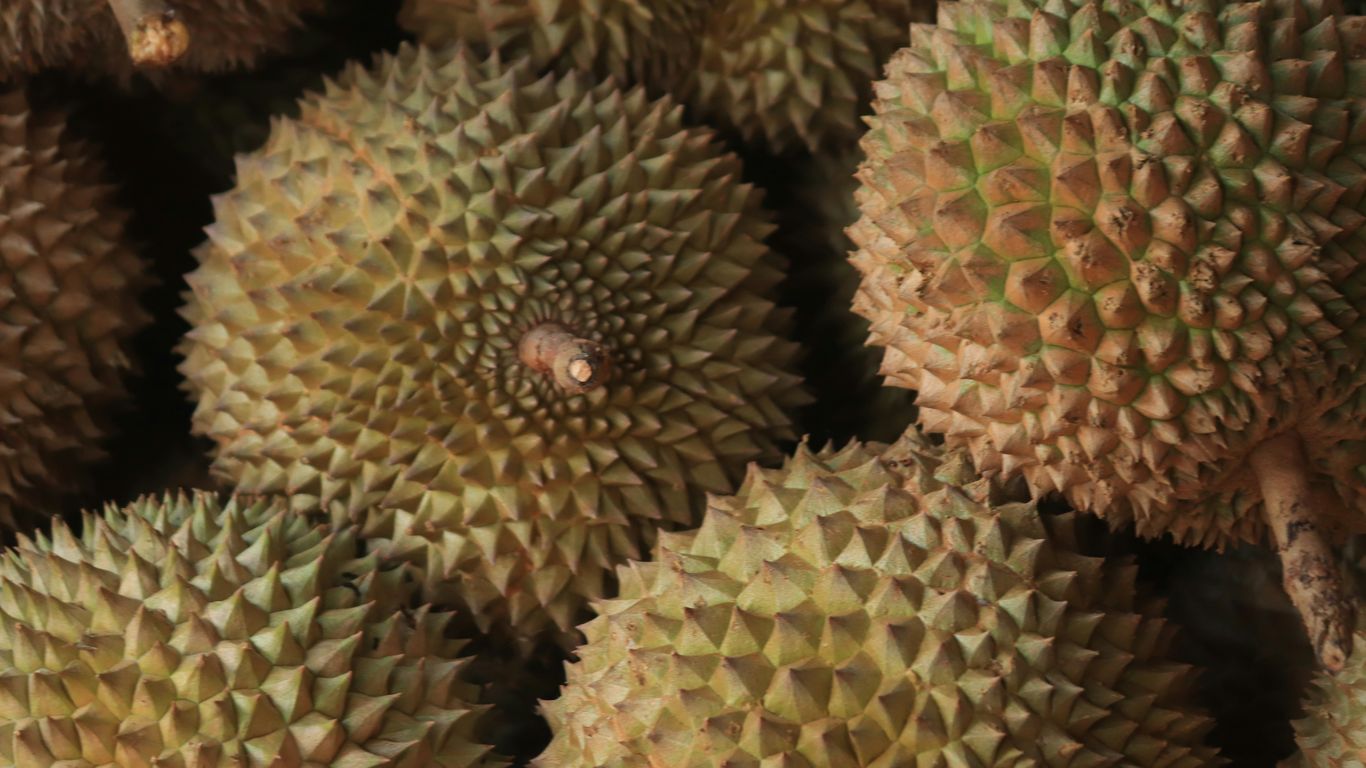
The Anticipated Durian Season
Singaporeans eagerly await the arrival of durian season each year. While durians can technically be found year-round thanks to imports and different harvest cycles, there’s a distinct period when the fruit is most abundant and, generally, at its best quality. This main season is when local markets and stalls are flooded with the freshest produce, making it the prime time for enthusiasts to indulge. The anticipation builds as the usual start date approaches, with many already planning their first durian feast.
Peak Season Significance for Consumers
The peak durian season is a big deal for consumers in Singapore. It’s not just about having access to the fruit; it’s about the experience. During these months, you’ll see a noticeable increase in the number of durian stalls, both permanent and pop-up, all over the island. This surge in availability often leads to more competitive pricing, making it a more accessible treat for everyone. It’s the time when the widest variety of durians, including premium cultivars, are typically at their freshest and most flavourful.
Factors Influencing Durian Availability
Several things affect when and how many durians make it to Singapore. The primary factor is the harvest schedule in Malaysia, which supplies the vast majority of the fruit Singapore consumes. Weather plays a massive role; consistent rainfall and suitable temperatures are needed for the trees to fruit well. Even within Malaysia, different regions have slightly different harvest times, which can lead to a staggered supply. International demand also plays a part, as other countries might import durians, potentially affecting the supply available locally. Sometimes, unexpected weather events can disrupt the usual patterns, leading to a shorter or less abundant season than anticipated. The Malaysian durian harvest schedule is a key indicator for Singaporean consumers.
Timing The Major Durian Harvest
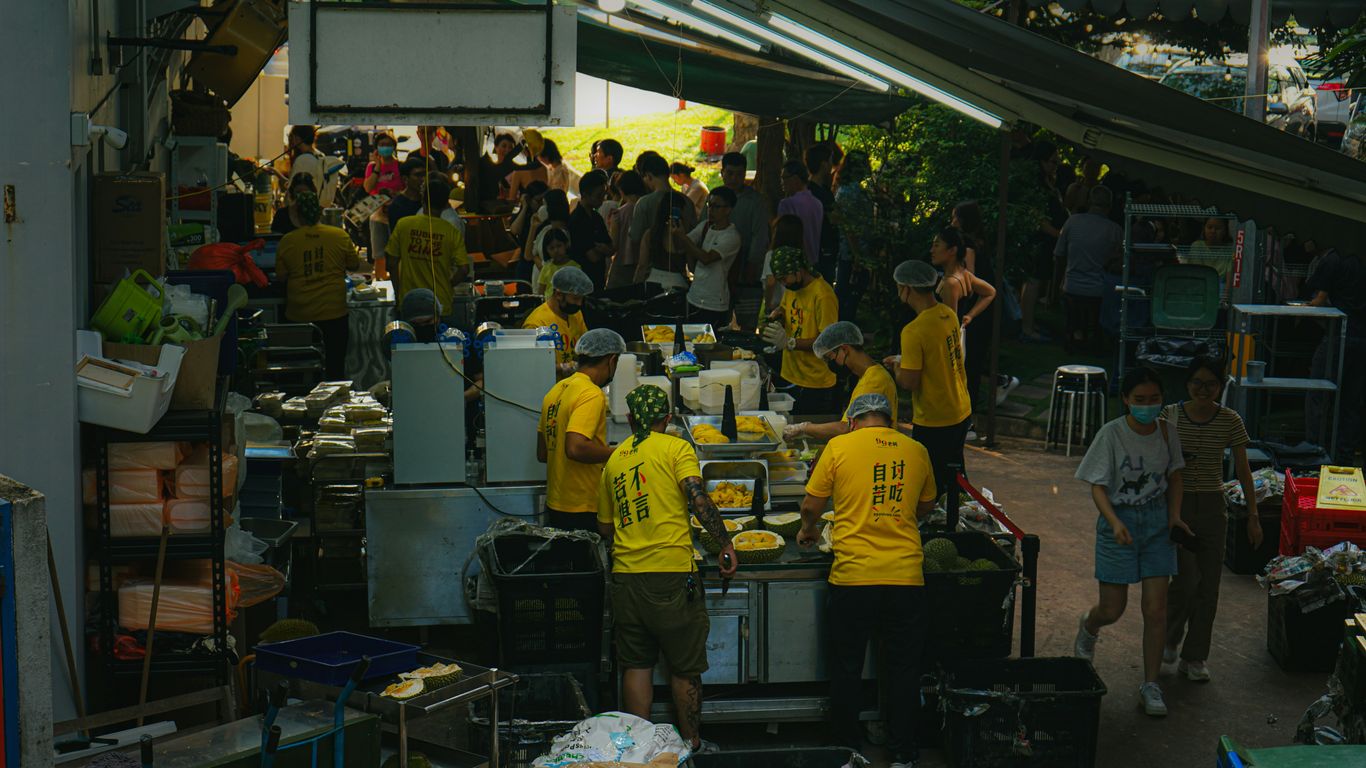
The major durian harvest season in Singapore typically kicks off around June and stretches through August, with some sources suggesting peak availability and the lowest prices for popular varieties like Mao Shan Wang occurring in July and August. This period is eagerly anticipated by fruit enthusiasts as it signifies the highest volume of durians available.
Typical Durian Season Months
While durians can be found in Singapore at various times throughout the year, the primary influx of the fruit usually begins in June. This main season is characterised by a significant increase in supply, making durians more accessible and often more affordable. The season generally winds down by the end of August, though this can vary slightly year to year.
Variations in Annual Durian Yields
It’s not uncommon for durian yields to fluctuate annually. Factors such as weather patterns during the growing season, including rainfall and temperature, play a substantial role. For instance, adverse weather conditions in Malaysia, a key supplier to Singapore, can lead to lower harvests. Conversely, favourable conditions can result in an abundant supply. This variability means that while June to August is the typical window, the exact quantity and quality can differ.
Identifying the Primary Durian Season
The most reliable indicator of the primary durian season is the sheer volume of fruit available at stalls across Singapore. You’ll notice a marked increase in the number of durian vendors, including temporary pop-up stalls, and a wider selection of varieties. This abundance usually translates to more competitive pricing. For those looking for the best deals, keeping an eye on prices in July and August can be particularly rewarding, as this is often when the market is flooded with fruit. The main harvest is when you’ll find the most durians.
Navigating The Minor Durian Season
The Lesser Durian Season Window
While the main durian harvest gets most of the attention, there’s a secondary, smaller season that happens later in the year. This period typically kicks off around December and can stretch into February. It’s not as prolific as the mid-year peak, but it still offers a chance to get your durian fix. Think of it as a bonus round for durian enthusiasts.
Characteristics of the Minor Season
The fruits from this minor season can sometimes be a bit different. Weather patterns play a big role, and sometimes the durians might be smaller or have a slightly varied flavour profile compared to their mid-year counterparts. However, this doesn’t mean they aren’t good. You might find some unique tastes or textures that are worth exploring. It’s a good time to try out different varieties that might not be as readily available during the main season. For those keen on exploring beyond the usual, checking out the durian season in Johor Bahru can sometimes reveal gems from this later harvest.
Opportunities for Late-Year Durian Lovers
If you missed out on the main durian season or just can’t get enough, the minor season is your chance. While the supply might be lower, prices can sometimes be more stable, or even drop significantly if the yield is unexpectedly good. In some years, like late 2025, we saw durians available at significantly reduced prices, making them more accessible. It’s a good period to keep an eye on local stalls and online sellers for any late-year offerings.
- Smaller yields mean potentially higher prices, but not always.
- Flavour can vary, offering a chance for new taste experiences.
- A great opportunity for those who missed the main harvest.
This secondary season is often overlooked, but it provides a valuable extension for enjoying fresh durians when you least expect it. It’s a testament to the resilience of durian cultivation and a treat for those who remain patient.
Regional Influences On Durian Availability
Johor’s Durian Harvest Schedule
Johor plays a significant role in supplying durians to Singapore, especially during its main harvest periods. The region typically experiences a smaller season from January to March, followed by a larger, more abundant harvest from May to July. A third, smaller yield can often be found from mid-October through December. This staggered schedule means Johor can contribute to Singapore’s durian supply across different parts of the year, though the May-July window is usually the most fruitful for consumers looking for variety and quantity.
Pahang’s Durian Seasonality
Pahang is another major durian-producing state that impacts Singapore’s supply. Its durian season is a bit more spread out. You’ll find a main season running from late June to August, which is often the most anticipated. However, Pahang also has smaller seasons earlier in the year, typically from April to May, and another smaller one from November to December. There’s also an early season from January to late February, though this often wraps up quickly. Knowing these windows helps in planning when to expect specific varieties from this key region.
Muar and Yong Peng Durian Cycles
Muar and Yong Peng, districts within Johor, have their own distinct durian cycles that contribute to the overall availability. While often grouped with Johor’s general schedule, they can sometimes offer slightly different timings. Their main harvest usually aligns with Johor’s larger May to July window. However, they also have a smaller season that can extend into the early parts of the year, from January to March, and another smaller one towards the end of the year, from mid-October to December. These areas are known for specific durian types, and their harvest timing can influence the availability of premium varieties in Singapore.
The availability of durians in Singapore isn’t just about local growth; it’s heavily influenced by harvests from neighbouring Malaysian states. Factors like weather in these regions and demand from other markets can shift supply dynamics significantly. Understanding these regional cycles helps predict when the best fruit will be hitting our shores.
Maximising Your Durian Experience
So, you’ve timed it right and you’re ready to dive into the durian season. But how do you make sure you’re getting the best bang for your buck and, more importantly, the best durian? It’s not just about showing up; a bit of know-how goes a long way.
The Appeal of Freshly Harvested Durians
There’s really nothing quite like a durian that’s just come off the tree. The aroma is intense, the texture is perfect – creamy, rich, and that signature bittersweet flavour is at its peak. Freshly harvested durians offer an unparalleled sensory experience that you just don’t get with fruit that’s been sitting around for a while. It’s the closest you can get to tasting the durian as nature intended.
Ensuring Quality When Purchasing
Buying durian can feel a bit like a lucky dip sometimes, but there are ways to improve your odds. When you’re at the stall, take a moment to check out the fruit. Look for durians with a plump appearance and a strong, pleasant aroma – not too faint, and definitely not sour or fermented. The stem should look moist, indicating it was recently picked. Don’t be afraid to ask the seller questions about where and when the durians were harvested; reputable sellers are usually happy to share this info. For those seeking out top-notch fruit, checking out places like Ah Seng Durian can be a good starting point.
Understanding Durian Ripeness Indicators
Knowing if a durian is ripe is key to a satisfying purchase. Here are a few pointers:
- Smell: A ripe durian has a strong, distinct smell. If there’s no smell, it’s likely unripe. An overly pungent or alcoholic smell might mean it’s overripe.
- Sound: Gently shake the durian. You should hear a slight rattling sound, indicating the flesh has pulled away from the husk.
- Stem: As mentioned, a moist stem is a good sign. A dry, brittle stem suggests the fruit is older.
- Appearance: Look for a durian that’s not too bruised or damaged. The husk should be a healthy green colour, not overly brown or black.
Picking the right durian is a skill that improves with practice. Observing the fruit, listening to the seller’s advice, and trusting your senses will lead you to better choices over time. It’s all part of the adventure of enjoying this unique fruit.
If you’re looking to explore different durian spots, there are guides available that list various popular durian stalls in Singapore to help you on your quest.
The Economic Aspect Of Durian Season
Price Fluctuations During Peak Season
When durian season hits its stride in Singapore, you’ll notice the prices doing a bit of a dance. It’s all about supply and demand, really. During the peak months, when the trees are absolutely loaded, you can expect the cost of your favourite King of Fruits to drop. This is the time when many durian lovers wait to stock up, as the abundance makes the fruit more accessible. The cheapest Mao Shan Wang of the year is often found in August, but don’t be surprised if prices start to dip a bit earlier or linger a little longer depending on the harvest.
The Impact of Supply on Durian Costs
Bad weather can really mess with the durian harvest. If there’s a drought or too much rain during the growing season, the yield can be lower. This scarcity means that even though it’s technically ‘season’, the prices might not drop as much as usual. We saw this back in 2017 when poor weather led to higher prices. On top of that, increased interest from other countries, like China, can also affect how much supply is left for us here in Singapore. When demand from abroad goes up, and they’re willing to pay more, it naturally pushes prices up for everyone else. It’s a bit of a balancing act, trying to get the best fruit without breaking the bank.
Value in Wholesale Durian Purchases
Buying durians in bulk, especially during the peak season, can be a smart move if you’re planning to share or just really love your durian. While individual fruit prices are lower when supply is high, purchasing larger quantities, perhaps even wholesale, can offer even better value. This is particularly true for popular varieties like Musang King. It’s a way to make the most of the season’s bounty and potentially save a bit of cash, especially if you’re feeding a crowd or just want to enjoy them over a few days. It’s worth looking into options for bulk durian purchases if you’re a serious enthusiast.
Beyond Fresh Fruit: Durian Delicacies
Availability of Durian Confections
While the fresh fruit is king during peak season, the flavour of durian doesn’t stop there. Many places start offering durian-infused treats as soon as the harvest begins. Think durian tarts, pastries, and even ice cream. These are often made with the freshest durian available, so the taste is usually top-notch. It’s a great way to enjoy durian if you’re not keen on eating the whole fruit or want something a bit different.
Exploring Durian-Infused Products
Beyond the usual sweets, you’ll find some more creative durian products popping up. Some cafes and bakeries get pretty inventive. You might see things like durian cheesecakes, durian mochi, or even savoury dishes incorporating the fruit. For instance, some restaurants might offer durian chicken soup or durian fried rice during this time. It’s worth keeping an eye out for these unique items, as they can be a real treat. You can even find durian-flavoured everything at some dedicated spots.
Seasonal Durian Treats
When durian season hits, it’s a signal for many food businesses to roll out their special durian-themed menus. This can include everything from simple durian puffs to more elaborate desserts. Some places might even offer an all-you-can-eat durian buffet for a limited time, which is a dream for serious durian fans. These seasonal treats are usually available for a short window, so it’s best to try them while you can.
The availability of these durian delicacies often mirrors the fresh fruit season. As the supply of fresh durians dwindles, so too will the variety and quantity of these special treats. It’s a good idea to sample them early in the season for the best experience.
Logistics Of Acquiring Durians
Strolling down Geylang or Sims Avenue during durian season, you’ll notice stalls overflowing with spiky fruit and crowds gathering for a taste. Buying durian in person can feel like joining a festival—loud voices, lively bargaining, and plenty of opportunity to pick your own fruit. Here’s what to expect:
- Durian sellers often demonstrate their cutting skills, opening the fruit right in front of you.
- You can check for freshness by smelling the base of the stem, feeling for moisture, or listening for that hollow drum sound when tapped.
- Prices are usually displayed per kilogram, but it helps to ask, especially if you’re planning to buy more than one just to avoid surprises at checkout.
If you want an idea of key durian selling spots, you’ll find some of the most vibrant stalls and options at popular areas like Geylang and Balestier Road.
Trying a fresh durian at a roadside stall is noisy, messy, and often the most memorable way to enjoy this seasonal treat.
Navigating Durian Queues
If you turn up at peak hours, long queues are part of the adventure. These lines can take half an hour or more at busy stalls, and it’s common to see regulars picking up several durians at a go. Here are some tips to cope:
- Wear comfortable shoes and bring some water—queues under the hot sun aren’t for the faint-hearted.
- Many stalls have introduced queue systems, giving out numbers or splitting lines by variety to keep things organised.
- Don’t be shy to ask for help; durian lovers in line are usually up for sharing advice on the best varieties and what’s fresh that day.
Convenience of Durian Delivery Services
For those who’d rather skip the crowd and the heat, durian delivery services have really caught on. Now you can order online and wait for your fruit at home—simple as that. Here’s how it works:
| Service | Delivery Fee (SGD) | Minimum Order for Free Delivery | Notable Details |
|---|---|---|---|
| Major Providers | 10-15 | 3 boxes | Freshness guarantee, island-wide |
| Local Specialities | 8-12 | 2-3 boxes | Sometimes includes discounts |
- Online prices are transparent—you see the cost before you commit.
- Some sellers throw in free delivery with a minimum order, especially during peak months.
- Popular varieties (like Mao Shan Wang) are often available, and you can even pick your delivery slot for crowd favourites.
If you’re after a hassle-free experience with options, check out a range of durian stalls and delivery services in Singapore, where ordering is as easy as a few clicks.
Whether you love the thrill of stall queues or the comfort of home delivery, Singapore’s durian scene has options to suit every style.
Factors Affecting Durian Yields
Impact of Weather on Durian Production
Weather plays a pretty big role in how many durians we get each year. Durian trees need a specific amount of rain – not too much, not too little – to produce good fruit. When the weather’s just right, plantations can churn out a steady supply. But if there’s a drought or, conversely, a deluge, the trees get stressed. This can lead to fewer flowers and, ultimately, a smaller harvest. It’s a delicate balance, and Mother Nature doesn’t always cooperate.
International Demand and Singapore’s Supply
It’s not just about what happens in the orchards; global demand really shakes things up. Countries like China are keen on Malaysian durians, and when they start buying more, it puts pressure on the supply available for places like Singapore. If more countries want the same limited batch of durians, prices here can go up, and sometimes, we might see less variety available on our local stalls. It’s a bit of a tug-of-war for the best fruit.
Historical Durian Season Challenges
Over the years, durian growers have faced their fair share of hurdles. Things like pests and diseases can really knock down the yield. For instance, if trees are already struggling with water scarcity [8511], they become even more vulnerable to these problems. Dealing with these issues takes a lot of effort and sometimes means a smaller crop makes it to market. It’s a constant battle to keep the trees healthy and productive.
Identifying Premium Durian Varieties
The Popularity of Musang King
When you talk about top-tier durians, Musang King (or Mao Shan Wang) usually comes up first. It’s a real favourite here in Singapore and across Southeast Asia. What makes it so special? Well, it’s got this amazing creamy texture, almost like custard, and a flavour that hits that perfect spot between sweet and a little bit bitter. It’s a complex taste that keeps people coming back for more. The flesh is usually a bright yellow and has a good amount of flesh with relatively small seeds. If you’re new to the fancy durian scene, Musang King is often the go-to choice to start with.
Exploring Other Notable Durian Types
While Musang King gets a lot of the spotlight, there are plenty of other fantastic varieties worth trying. Each has its own unique character, offering a different experience for durian enthusiasts. Some popular ones include:
- D24: This is another well-loved variety, often described as having a rich, creamy, and slightly less intense flavour compared to Musang King. It’s a solid choice for those who prefer a smoother, more mellow taste.
- Red Prawn (Hong Xia): As the name suggests, this durian often has a reddish or pinkish hue to its flesh. Its flavour is typically sweeter and less bitter than Musang King, with a distinct aroma that some compare to a mild coconut flavour.
- Black Thorn (Oolong): This variety is known for its deep orange flesh and a flavour profile that’s intensely sweet with a subtle hint of bitterness. It’s often considered a premium choice, with a texture that’s both creamy and slightly fibrous.
Taste Profiles of Different Durians
Understanding the taste profiles can really help you pick a durian that suits your palate. It’s not just about sweet or bitter; there’s a whole spectrum of flavours and textures out there.
| Variety | Flesh Colour | Texture | Flavour Profile |
|---|---|---|---|
| Musang King | Bright Yellow | Creamy, Custardy | Bittersweet, rich, complex |
| D24 | Pale Yellow | Creamy, Smooth | Rich, slightly less intense than Musang King |
| Red Prawn | Pinkish/Red | Soft, Moist | Sweet, mild aroma, sometimes with coconut notes |
| Black Thorn | Deep Orange | Creamy, Fibrous | Intensely sweet with a subtle bitter undertone |
Trying different durian varieties is part of the adventure. Don’t be afraid to ask sellers for recommendations or try a small portion first if possible. The season offers a great chance to explore these diverse flavours.
For those looking to get a good overview of what’s available, resources that detail various types can be helpful. You might find guides that explain the nuances between varieties like XO, D24, and MSW, helping you identify and choose the perfect durian to suit your taste.
Figuring out which durian is top-notch can be tricky, but it’s worth learning. Some types are known for their super creamy texture and sweet, rich taste, making them a real treat. Want to taste the best of the best? Check out our website to find out more about these amazing fruits and where to get them!
Wrapping Up Your Durian Hunt
So, that’s the lowdown on when to get your hands on the good stuff. While the main durian season generally hits around June to August, keep an eye out for those smaller seasons popping up at other times of the year too. Whether you’re braving the queues for the freshest pick or opting for a convenient delivery, knowing these timings should help you snag the best durians Singapore has to offer. Happy feasting, everyone!
Frequently Asked Questions
When is the best time to eat durian in Singapore?
The main durian season in Singapore usually kicks off around May and runs through July and August. This is when you’ll find the most durians available, and often at the best prices. There’s also a smaller season towards the end of the year, from about December to February, but the biggest and tastiest harvest is generally in the middle of the year.
Why are durians cheaper during the season?
It’s all about supply and demand! When there are loads of durians ready to be picked from the farms, especially from places like Johor and Pahang in Malaysia, more fruit arrives in Singapore. With so much of the ‘king of fruits’ around, sellers often lower their prices to sell them all before they go bad.
How do I know if a durian is fresh and good to eat?
You can tell a lot by using your senses! Give it a sniff – a ripe durian has a strong, yummy smell. Look at the stem; it should feel a bit moist. When the seller taps it, listen for a hollow, drum-like sound. Some people also say the smell near the stem can tell you if it’s sweet or a bit bitter.
Are durians from different regions different?
Definitely! Places like Johor, Muar, and Pahang in Malaysia are famous for their durians. Each region can have slightly different harvest times and might be known for specific types of durian. For example, Pahang is often associated with the popular Musang King.
What’s the deal with long queues at durian stalls?
Long queues usually mean the stall is popular and likely selling good durians! People are willing to wait, sometimes for ages, to get their hands on the best fruit, especially during peak season. Some stalls even give out queue numbers to manage the crowds.
Can I get durians delivered if I don’t want to queue?
Absolutely! Many durian sellers now offer delivery services. You can order online from their websites or apps and have the durians brought right to your doorstep. It’s a super convenient way to enjoy durian without the hassle of going out and waiting in line.
Are there other ways to enjoy durian besides eating the fresh fruit?
You bet! During durian season, you’ll find all sorts of treats made with durian. Think durian cakes, pastries, ice cream, and even durian-flavoured drinks. It’s a great way to enjoy that unique flavour in different forms.
What is Musang King durian?
Musang King, or ‘Mao Shan Wang’ in Chinese, is one of the most famous and sought-after durian varieties. It’s known for its rich, creamy, custard-like flesh and a delicious balance of sweet and slightly bitter flavours. It’s often a bit pricier but totally worth it for many durian fans.