
So, you’re wondering when does durian season start in Singapore? It’s a question many of us ask when those cravings hit. It’s not quite as simple as flipping a calendar page, but we can definitely get a good idea. The king of fruits doesn’t just appear on demand; it’s all about the weather, where it’s grown, and how it gets to us. Let’s break down what goes into making sure those delicious durians land on our plates.
Key Takeaways
- Singapore gets most of its durians from Malaysia, so when Malaysian harvests are good, Singapore gets more fruit.
- Weather is a big deal for durians. Too much rain or not enough can mess with when the fruit grows and how much there is.
- Prices usually drop when the harvest is at its peak, often around July, because there’s more supply.
- Popular varieties like Musang King and Black Thorn have their own windows, but they generally fall within the main season.
- Sellers try to get the freshest fruit to you fast, as durians don’t last long once picked.
Understanding Singapore’s Durian Seasonality
When Does Durian Season Start?
Figuring out exactly when durian season kicks off in Singapore can feel a bit like chasing a ghost. While there’s a general window, the actual start date shifts each year. The main harvest typically begins around June and runs through September, but you might see early birds appearing as early as April or May. This primary season is when you’ll find the widest variety and, usually, the best prices. It’s all thanks to our neighbours in Malaysia, who supply the vast majority of the durians Singaporeans love.
The Typical Durian Harvest Window
Generally, Singapore experiences two main durian seasons. The most significant one, often called the ‘peak season’, runs from June to September. This is when the trees are laden, and the market is flooded with fruit. Following this, there’s often a smaller, secondary season that can stretch from October into February. However, the exact timing and duration of these windows are heavily influenced by factors beyond our control, making it a bit of a guessing game year to year.
Factors Influencing Durian Availability
Several things affect when and how much durian we get. Weather is the big one, of course. Too much rain can mess with the flowers, and extreme temperatures can impact fruit development. The specific region in Malaysia where the durians are grown also plays a part, as different areas have slightly different microclimates and harvest cycles. Even the specific variety of durian matters, with some types coming into season earlier or later than others. It’s a complex dance between nature and agriculture that dictates when your favourite thorny fruit hits the stalls.
The availability of durians in Singapore is closely tied to the harvest cycles in Malaysia, which provides about 85% of the country’s supply. Fluctuations in weather patterns, such as excessive rainfall or prolonged dry spells, can significantly alter the blooming and fruiting processes, leading to variations in the start and intensity of the durian season each year.
Malaysia’s Crucial Role In Singapore’s Durian Supply
Malaysia As The Primary Supplier
Singapore’s durian scene is heavily reliant on its neighbour, Malaysia. It’s estimated that around 85% of the durians enjoyed in Singapore make their way across the border. During the height of the season, daily shipments can be quite substantial, sometimes topping 100,000 kilograms. This close relationship means that what happens with durian harvests in Malaysia directly impacts what’s available and at what price in Singapore.
Impact Of Malaysian Harvests On Singapore
When Malaysia’s durian season kicks off, it’s a big deal for Singaporean consumers. The timing and volume of the Malaysian harvest dictate the availability and cost of durians here. For instance, a delayed start in Malaysia, perhaps due to unusual weather patterns like heavy rain affecting the blooming process, can lead to a slower influx of fruit. This initial scarcity often means higher prices at the start of the season. However, as the harvest progresses and more regions in Malaysia begin their yield, supply increases, which typically leads to a drop in prices. The peak harvest season in Malaysia, usually spanning from June to September, is when Singapore sees the most abundant supply and potentially the best deals.
Regional Harvest Variations
Malaysia isn’t a single, uniform durian-growing region. Different states and even different orchards within those states can experience slightly varied harvest times. This is often due to local microclimates and specific weather conditions. For example, while one region might be experiencing its peak, another might be just starting or winding down. This is why you might see certain varieties become available before others, or why prices can fluctuate even within the main season. Sellers in Singapore often adapt by sourcing from whichever region is currently at its best, ensuring a more consistent, albeit varied, supply throughout the broader durian season. This allows for a more continuous flow of fruit, even if the overall season length shifts slightly year to year. It’s a dynamic process, influenced by everything from rainfall in Penang to sunshine in Pahang, all contributing to the durian experience in Singapore.
The Influence Of Weather On Durian Yields
Rainfall And Blooming Cycles
Durian trees are pretty sensitive to the weather, especially when it comes to rain. Too much rain during the flowering stage can wash away the pollen, which means fewer fruits will develop. On the other hand, a bit of dry spell followed by rain often triggers blooming. It’s a delicate balance, and growers are always keeping a close eye on the forecast. Consistent, moderate rainfall is ideal for healthy fruit development after the flowers have set.
Temperature And Fruit Development
Temperature plays a big role too. Durian trees need a certain range of temperatures to thrive and produce good quality fruit. Extreme heat or cold can stress the trees, affecting both the yield and the taste of the durians. Generally, warmer temperatures help the fruit mature faster, but if it gets too hot, the fruit might not develop properly. It’s all about finding that sweet spot.
Predicting Bumper Crops
Predicting a ‘bumper crop’ – a really abundant harvest – is tricky business and heavily relies on favourable weather conditions throughout the growing season. Growers look at a combination of factors, including the previous year’s yield, the health of the trees, and the current weather patterns. Sometimes, a period of drought followed by timely rain can lead to a surprisingly good harvest, even if it deviates from the usual schedule. Understanding these regional harvest variations can give you a heads-up on when to expect the best durian season in Singapore.
The interplay between rainfall, temperature, and sunshine dictates the success of a durian harvest. Growers often rely on traditional knowledge passed down through generations, combined with modern weather forecasting, to anticipate the fruit’s availability and quality. Even slight deviations can significantly impact the final yield and, consequently, the market price.
Peak Season Dynamics And Price Fluctuations
Anticipating Price Drops
As the durian season hits its stride, especially with increased supply from Malaysia, consumers can generally expect prices to ease. This shift from the initial, more expensive ‘start of season’ pricing happens when harvests become more abundant. The anticipated drop in prices often coincides with the peak harvest months, typically July and August. While some sellers might hold onto higher prices initially, the sheer volume of fruit entering the market usually forces a more competitive pricing structure. It’s not uncommon to see prices fall by as much as 30% during this period, making the king of fruits more accessible.
Supply And Demand Equilibrium
The interplay between supply and demand is what really dictates durian prices. When supply is low, perhaps due to weather delays or a smaller harvest, prices naturally climb. Conversely, a bumper crop means more durians are available than usual. This abundance, especially when it aligns with consistent consumer interest, leads to a more balanced market. Sellers need to manage their stock effectively to avoid spoilage while meeting demand. This equilibrium is key to a stable durian market.
The Start Of Season Pricing
When durians first appear on the market, the prices are often at their highest. This is because the initial harvests are usually smaller and might come from regions with longer growing seasons or specific microclimates. Factors like delayed blooming cycles due to weather can also contribute to a later start and limited early supply. Sellers often price these early fruits higher to account for the scarcity and the effort involved in sourcing them. It’s a period where only the most eager durian enthusiasts are willing to pay the premium.
Here’s a general idea of how prices might shift:
| Period | Expected Price Trend |
|---|---|
| Early Season | High |
| Mid-Season | Decreasing |
| Peak Season | Lowest |
| Late Season | Increasing (scarce) |
The timing of the peak harvest is heavily influenced by weather patterns in Malaysia. A delayed start due to rain can mean a concentrated harvest later, leading to a sharper price drop when supply finally floods the market. Conversely, consistent good weather can spread out the harvest, potentially leading to more stable, albeit still high, prices throughout the season.
Sellers often adapt their strategies based on these dynamics. Some might focus on securing specific varieties early on, while others wait for the peak to offer bulk deals. Online platforms and direct farm sourcing also play a role in how quickly consumers see the effects of increased supply. For instance, durian prices in Singapore are closely watched by consumers eager for the season’s bounty.
Key Durian Varieties And Their Seasons
Popular Malaysian Durians
Singapore’s durian scene is heavily influenced by what’s available from Malaysia. While there are many types, a few stand out and are eagerly awaited each season. These aren’t just any durians; they’re the ones that have built a reputation for their distinct flavours and textures. Think of the creamy, slightly bitter notes of D24, or the intense sweetness of Red Prawn. These varieties often come from specific regions in Malaysia, like Pahang and Johor, which are known for their ideal growing conditions.
Musang King And Black Thorn Availability
When people talk about premium durians, Musang King (Mao Shan Wang) and Black Thorn (D200) are usually at the top of the list. Musang King is famous for its rich, custard-like flesh and a balance of sweet and slightly bitter tastes. Black Thorn, on the other hand, is known for its deep, complex sweetness and a texture that’s often described as smooth and velvety. Their availability can be a bit unpredictable, as they are sensitive to weather changes. Early harvests might see limited quantities, driving up prices, but as the season progresses, more fruit becomes available. For instance, January 2026 was predicted to have a good yield of these varieties, but February and March saw much lower availability [2ef4].
Other Prized Varieties
Beyond the big names, there are other durians that enthusiasts keep an eye out for. Varieties like D101, Golden Phoenix (Jinfeng), and Tekka (D160) each have their own following. D101 is generally sweeter and less pungent, making it a good entry point for newcomers. Golden Phoenix offers a unique, slightly tart flavour profile with a firm texture. Tekka is known for its slightly fibrous flesh and a distinct, almost milky taste. The timing for these can vary, sometimes appearing before or after the main Musang King and Black Thorn waves. Keeping track of these different types can lead to some delightful discoveries throughout the durian season.
Durian seasons are naturally dictated by the trees’ flowering and fruiting cycles, which are significantly impacted by weather patterns. While some regions might offer slightly earlier or later harvests, there are no shortcuts to producing durians out of their natural cycle. The quality and flavour are best when the fruit ripens on the tree and falls naturally.
Navigating The Durian Market
Seller Strategies For Supply
Sellers have to get pretty creative to keep the durian flowing, especially when the weather’s being a bit of a pain. It’s not just about having a stall; it’s about figuring out where the good stuff is coming from and when. Some folks are really good at spotting which regions are having a bumper crop, maybe it’s Penang this week, or Pahang next. They’ll adjust their sourcing on the fly to make sure they’ve got something decent for their customers. It’s all about being flexible and knowing your growers.
- Diversify sourcing: Don’t rely on just one farm or region. If one area has a bad harvest, another might be doing well.
- Build relationships: Strong ties with farmers mean you might get first dibs or better prices.
- Monitor weather patterns: Keep an eye on the forecast, as it directly impacts harvest yields.
Consumer Demand For Freshness
People want their durians fresh, and that’s a big deal. Nobody likes a mushy, watery durian, right? The clock starts ticking the moment a durian hits the ground. It’s a race to get it from the tree to your plate. This is why you see sellers working hard to get the fruit over from Malaysia as quickly as possible. The whole trip from the plantation to Singapore can take hours, and every minute counts. If it takes too long, the quality just drops off a cliff. It’s why some sellers are investing in better transport or even looking at farms with easier access roads. The goal is to get that creamy texture and strong flavour to the customer while it’s still at its best. The fresh durian market is growing, and freshness is a big part of that market growth.
The demand for peak freshness means sellers are constantly battling time. Getting the fruit from the farm to the consumer quickly is paramount to maintaining quality and customer satisfaction.
Market Competition And Differentiation
It’s a busy market out there, and everyone’s trying to stand out. You’ve got sellers who focus on specific types of durians, like the really popular Musang King or Black Thorn. Others might try to offer a bit more, maybe better service or even online ordering with quick delivery. Some places might even try to get you in for a durian buffet experience. It’s not just about having the fruit; it’s about how you present it and what makes you different from the stall next door. You see a lot of talk about price wars, but many sellers reckon it’s more important to just be unique and offer something special. This competition can lead to price volatility if supply isn’t managed well.
- Specialty varieties: Focusing on premium or rare durians.
- Customer experience: Offering unique dining or delivery options.
- Brand building: Creating a recognisable name and reputation.
The Journey From Farm To Singapore
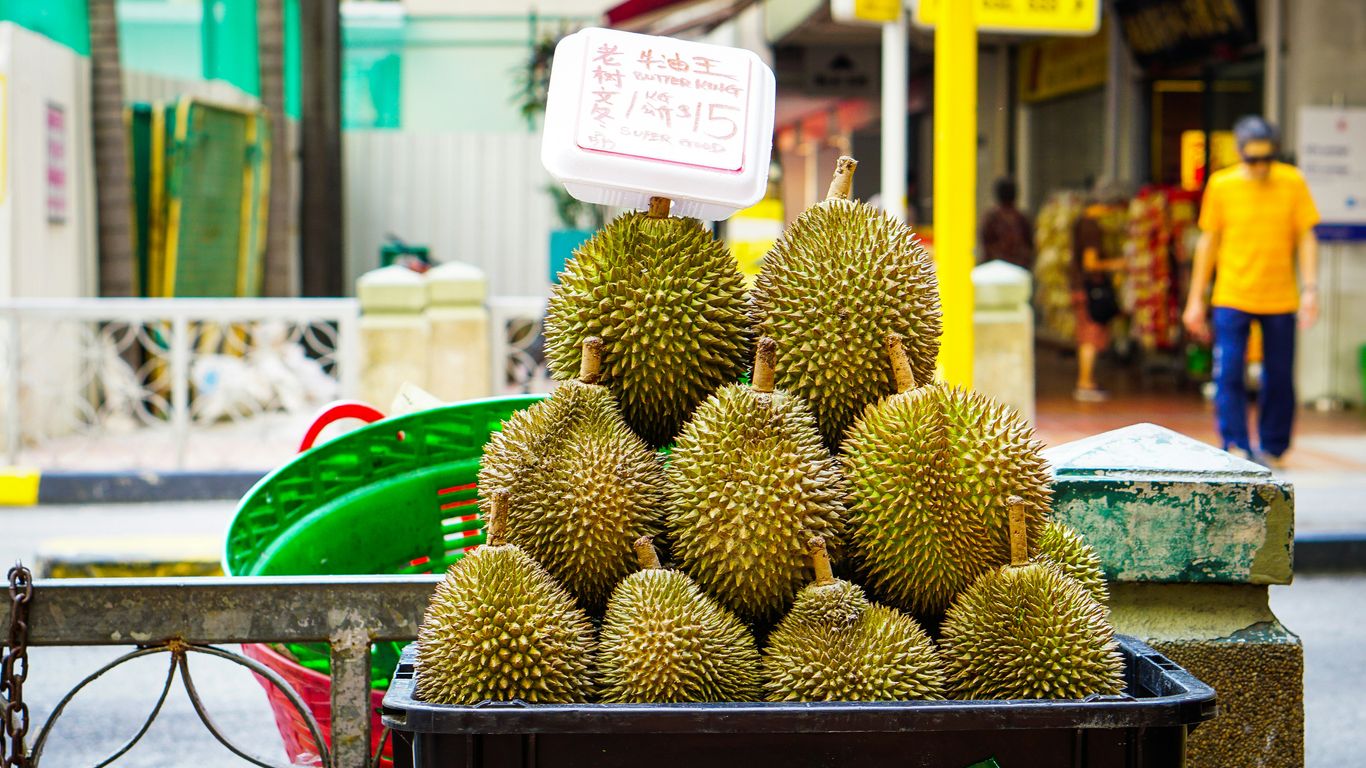
Logistics and Transportation
Getting durians from the plantations, mostly in Malaysia, to Singapore is a race against time. The clock starts ticking the moment a durian falls from the tree. Sellers often talk about shaving off minutes from the journey, and it makes a real difference. Better roads leading out of plantations, like those in Raub, can cut down travel time significantly, meaning fresher fruit for us. It’s not just about speed, though; careful handling is key to avoid bruising these delicate fruits. Many importers are looking further afield, even to places like Penang, to keep up with demand, which means longer transport routes to consider. This constant search for new sources highlights how important efficient transport is for the durian trade. The sheer volume of fruit that crosses the border during peak season, sometimes over 100,000 kilograms a day, shows the scale of this operation. It’s a complex network of trucks and logistics, all working to get the king of fruits to our tables as quickly as possible.
Shelf Life Considerations
Durians are notoriously perishable. Once picked, their quality starts to decline rapidly. This is why the speed of transport is so vital. Unlike some other fruits that can be frozen or treated to last longer, Singaporean consumers generally prefer their durians fresh. There’s not much of a market here for frozen durian, even though techniques like flash-freezing can extend shelf life from days to months with only a small loss in quality. This preference for freshness means sellers have to be very strategic about their supply chain. They can’t just stockpile; they need to time shipments to arrive when they can be sold quickly. This is why you see promotions and deals popping up during peak season – it’s all about moving the fruit while it’s at its best. Some sellers might keep a small stock of frozen durians for tourists or off-season cravings, but the main demand is always for fruit that’s just arrived.
Farm-to-Table Practices
For many durian sellers in Singapore, the goal is to get the fruit from the farm to the customer with as little delay and handling as possible. This often means building strong relationships with specific growers in Malaysia. Some sellers even invest in improvements on the Malaysian side, like better irrigation for the trees or improved roads from the plantations, to speed up the process. It’s about ensuring the durians are harvested, packed, and transported efficiently. The ideal scenario is a direct line from the orchard to the stall, minimising the time the fruit spends in transit or storage. This focus on a quick turnaround helps maintain the quality and flavour that durian lovers crave. It’s a challenging process, especially with the unpredictable nature of harvests and weather, but it’s what keeps the durian supply flowing.
The entire process, from the moment a durian ripens and falls to when it’s sold, is a race. Minimising transit time and handling is paramount to delivering the best quality fruit to consumers. This often involves direct sourcing and efficient logistics, especially given the short shelf life of fresh durians.
Seasonal Promotions And Durian Events
Retailer Promotions
As the peak durian season ramps up, you’ll start seeing a lot more deals popping up. Supermarkets often have special prices on certain varieties, especially the more common ones. Keep an eye out for these limited-time offers; they can be a great way to try different types without breaking the bank. For instance, some places might offer a few days of heavily discounted kampung durians. It’s always worth checking the flyers or your favourite grocery app.
Dining Experiences
Beyond just buying a whole durian, many restaurants and cafes lean into the season with special menus. Think durian buffets, where you can sample a range of cultivars, or desserts like durian pengat, tarts, and ice cream. Some high-end establishments even offer premium durian tasting sessions. These events are a fantastic way to experience the fruit in different preparations and often come with a higher price tag, but can be a real treat. For example, a durian buffet might be priced at S$85 per person, but look out for early bird specials that could save you a bit, like S$20 off for two if booked in advance.
Cross-Border Durian Carnivals
With Malaysia being the primary source for Singapore’s durian supply, it’s no surprise that cross-border events are a big draw. Organisers sometimes host durian carnivals in Johor Bahru, just a short trip away. These events often feature abundant durian buffets and a festive atmosphere. It’s a chance to enjoy the fruit in a lively setting and perhaps pick up some durians to bring back. These events highlight the strong connection between the two countries in celebrating this beloved fruit.
Challenges And Adaptations In Durian Farming
Farming durians isn’t always smooth sailing. Growers face a bunch of hurdles that can really affect how much fruit they get and when. It’s not just about planting a tree and waiting; there’s a lot more to it.
Infrastructure Improvements
Many durian farms, especially those supplying Singapore, are looking at ways to get better. This often means investing in things that make farming more efficient. Some places are starting to use soil sensors to keep a closer eye on water levels and nutrients. It’s still pretty new tech, though, and mostly used by farms with more cash to splash. Others are trying out new ways to spread fertiliser, like using drones. This can save a heap of time and labour, which is a big win.
Weather-Related Disruptions
Weather is a massive factor for durian yields. Too much rain or not enough can mess with the trees’ flowering and fruit development. Climate change is making these patterns less predictable, which is a worry for the industry. Growers are having to adapt to these changing conditions to keep their harvests consistent. The delicate balance of rainfall and temperature is key to a good durian season.
Sourcing From Optimal Regions
Because of all these challenges, where the durians come from really matters. Different regions have different weather patterns and soil types, which can influence the quality and quantity of the fruit. Growers are constantly looking for the best spots to cultivate their trees, and sometimes this means looking beyond the usual areas. This also ties into how farms are trying to become more resilient to environmental changes, looking at sustainable methods to keep durian cultivation going strong in the long run adapting farming practices.
Here’s a look at some of the factors influencing harvests:
- Rainfall: Essential for flowering and fruit growth, but too much can cause problems like fungal diseases.
- Temperature: Affects the rate of fruit development and ripening.
- Sunlight: Needed for photosynthesis, which powers the tree’s growth and fruit production.
- Soil Quality: Rich, well-drained soil provides the necessary nutrients for healthy trees durian cultivation is water-intensive.
Growers are always experimenting with fertilisers and farming techniques to improve yields. However, these changes are often slow and deliberate, as introducing new methods can sometimes shock older trees. Newer farms with more advanced technology are often the first to try these innovations.
Understanding Durian Ripening And Harvesting
Natural Falling Method
When it comes to getting the best durians, the general consensus among growers and seasoned enthusiasts is that they should be left to ripen fully on the tree and then fall naturally. This method is preferred because it’s believed to result in the best flavour and texture. Picking a durian before it’s ready or shaking the tree is a big no-no. It’s all about patience and letting nature take its course. The fruit is then collected from the ground, often within a short window after falling to maintain freshness.
Assessing Durian Quality
So, how do you tell if a fallen durian is a good one? There are a few signs to look out for. Firstly, the aroma is key – a strong, sweet smell usually indicates ripeness. Then there’s the stem end; it should look moist and be a light colour, not dried out or dark. You can also give the durian a gentle shake; a slight rattling sound can mean the flesh has pulled away from the shell, which is a good sign. Checking for signs of pests or damage is also important, as you want a clean fruit.
The Role Of Pollination
Durian trees rely on pollination to produce fruit, and it’s a surprisingly inefficient process. Typically, only about 10 to 20 percent of the flowers actually bloom into fruits. From that smaller batch, only about half will grow into the large durians we see in the market. This low yield rate highlights why good harvests can be unpredictable and why the quality of the fruit is so dependent on ideal growing conditions. It’s a delicate balance of weather and natural processes that brings these prized fruits to our tables. The whole process, from flowering to fruit, can take around 120 days. Understanding Singapore’s durian season is key to knowing when these factors align.
Curious about when durian is just right and how farmers pick it? Understanding the signs of a perfectly ripe durian and the best ways to harvest them is key to enjoying this unique fruit. For more insights into the world of durian, check out our website!
Wrapping Up the Durian Season
So, as we’ve seen, tracking the durian season in Singapore isn’t always straightforward. Weather plays a big part, and sometimes the peak harvest can shift a bit. While prices might drop when the Malaysian harvest really kicks in, it’s good to remember that things can change. Keep an eye on those local sellers and fruit stalls, because the king of fruits is definitely a seasonal treat worth waiting for, even if the exact timing can be a bit of a guessing game.
Frequently Asked Questions
When can I expect to find the best durians in Singapore?
Generally, the main durian season kicks off around June and goes through to September. However, the absolute best time, when prices usually drop and the fruit is at its tastiest, is often in July and August. This is when Malaysia, our main supplier, has its biggest harvest.
Why are durians so expensive at the start of the season?
At the beginning of the season, there just aren’t many durians available. Think of it like a new video game release – when there’s not much stock, the price is higher. As more durians are harvested, especially from Malaysia, the supply increases, and the prices tend to come down.
Does the weather in Malaysia really affect durian prices in Singapore?
Absolutely! Malaysia is where most of our durians come from. If the weather in Malaysia is too rainy or too dry, it can mess with the flowers on the durian trees and how much fruit grows. This means less supply for Singapore, and you’ll likely see higher prices.
What are the most popular types of durians in Singapore?
Some of the most loved varieties you’ll find are Musang King and Black Thorn. These often come from Malaysia and are known for their rich, creamy taste. Other popular ones include D24 and Red Prawn.
How do durians get from Malaysian farms to my plate so quickly?
It’s a bit of a race against time! Durians are best eaten fresh, usually within a couple of days of being picked. Sellers work hard to transport them quickly from Malaysia to Singapore, often using better roads and efficient logistics to make sure you get the freshest fruit possible.
Can I get durians all year round in Singapore?
While you might see durians available for a good part of the year, the really good, abundant harvests happen during specific seasons, mainly from June to September. You might find some ‘off-season’ durians, but they’re often more expensive and might not be as good as those from the peak season.
Why don’t sellers just freeze durians to sell them out of season?
Most Singaporean customers really want fresh durians. While freezing can keep them longer, it changes the texture, and people often don’t like that. So, sellers focus on getting the freshest fruit during the actual harvest times.
How can I tell if a durian is good quality?
A good durian often has a slightly moist, light-coloured stem. It should have a strong, distinct smell, but not a rotten one. The best ones are those that have fallen naturally from the tree, as picking them too early or shaking the tree can affect the taste.