
So, you’re wondering, is it durian season now in Singapore? It’s a question many of us ask, especially when that unmistakable aroma starts wafting through the air. Durian season in Singapore isn’t always a simple yes or no answer, as it’s a bit more complex than just flipping a calendar page. It depends on a few things, like the weather over in Malaysia and how the trees are doing. Let’s break down what you can expect right now.
Key Takeaways
- Singapore’s durian availability is heavily influenced by Malaysia’s climate, with major harvests typically occurring between June and September, and a smaller season from December to February.
- While there are main seasons, unpredictable weather patterns can lead to smaller, off-season harvests, making it possible to find durians at various times of the year.
- Prices often drop significantly during peak season due to increased supply, with August sometimes offering the cheapest Musang King durians of the year.
- Popular varieties like Musang King (Mao Shan Wang), D24, and Red Prawn are commonly found, but quality can vary based on tree age, harvest conditions, and transport.
- You can get your durian fix from local stalls, pop-ups, or increasingly, through online delivery services that bring the fruit straight to your doorstep.
Understanding Singapore’s Durian Seasonality
The Two Major Durian Harvest Periods
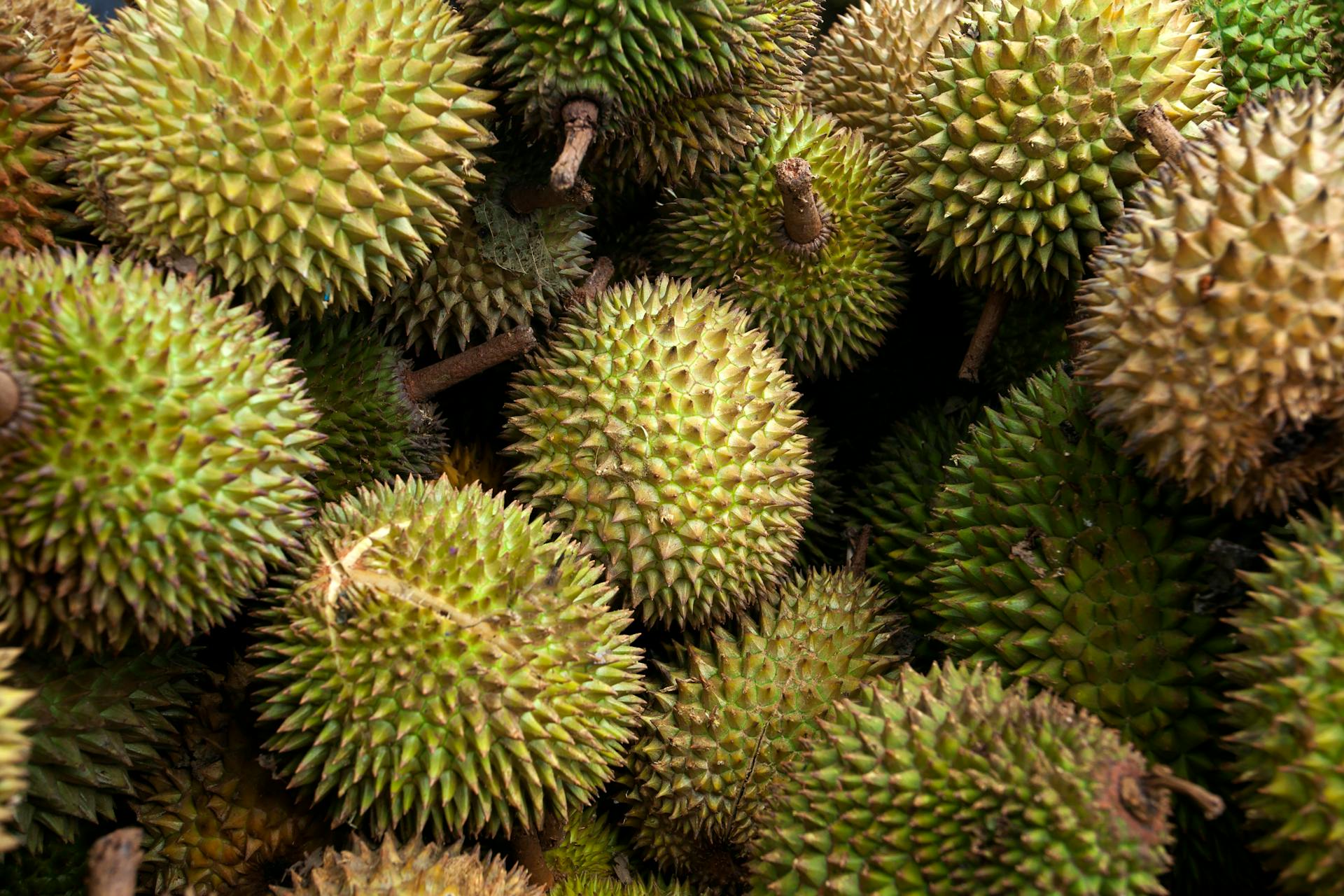
Singapore’s durian supply is heavily influenced by harvests in Malaysia, primarily from Johor, Pahang, and Penang. Traditionally, there are two main durian seasons each year. The first major harvest typically kicks off around June and runs through September, while a second, often smaller, season can occur from November to February. These periods are when you’ll see the most durians available at stalls across the island, and prices tend to be at their most accessible. It’s during these times that the fruit is at its peak, offering the best flavour profiles.
Influence of Malaysian Climate on Singapore’s Supply
Because most of Singapore’s durians come from across the Causeway, Malaysia’s weather patterns directly dictate what’s available here. Factors like rainfall and temperature in Malaysian durian-growing regions play a huge role. A good monsoon season can lead to an abundant harvest, while dry spells or excessive rain can impact the fruit’s development and yield. This close connection means that when Malaysia experiences favourable conditions, Singaporeans can generally expect a good supply of durians. The timing of flowering and fruit maturation is sensitive to these climatic conditions.
Impact of Changing Weather Patterns
Lately, the weather hasn’t been as predictable as it used to be. Climate change is causing shifts in traditional durian seasons. We’re seeing more instances of smaller, off-season harvests happening at unexpected times. This means that while the main seasons are still the most significant for supply, you might find durians available outside of the usual June-September and November-February windows. These shifts can make it a bit harder to plan your durian cravings, as the timing of harvests is becoming less consistent. Some sources suggest that warmer weather might even encourage earlier flowering, potentially altering the traditional season dates [2483].
| Month | Typical Availability | Notes |
|---|---|---|
| June-Sept | High | Main harvest season, best quality and price |
| Nov-Feb | Medium | Secondary season, good availability |
| Other | Low to Medium | Off-season, influenced by weather |
Current Durian Availability In Singapore
So, is it durian season right now in Singapore? The short answer is, it’s a bit of a mixed bag, but generally, things are looking promising.
Real-Time Season Updates
Durian season has kicked off earlier than some expected in certain regions of Malaysia, which directly impacts what we’re seeing on the ground here. For instance, Penang has seen an early start, with some Singaporean vendors already stocking up. This suggests a potentially abundant harvest for durian enthusiasts this year. The main harvest periods are typically June to September and a smaller one from December to February, but these can shift.
Stock Levels From Key Plantations
Looking at the major growing areas in Malaysia, like Pahang and Johor, supplies are starting to trickle in. Pahang’s Mao Shan Wang and XO varieties, for example, usually have a big season from late June to August, and it seems like this year is shaping up to be a good one for those. Segamat, known for its Mao Shan Wang, Red Prawn, and Jin Feng, also sees a significant harvest mid-July through September. While not every variety is at its peak everywhere simultaneously, the overall stock is building.
Expected Durian Supply This Month
For May 2026, we’re seeing a moderate to high availability of durians. While it might not be the absolute peak for all varieties, there’s a good selection available. You can expect to find popular types like Mao Shan Wang (Musang King) and D24. Prices are generally more reasonable than during the off-season, though they haven’t hit the rock-bottom lows of a full-blown peak harvest yet. It’s a good time to enjoy the king of fruits without breaking the bank.
The unpredictable nature of weather patterns means that while traditional seasons exist, smaller, unexpected harvests can occur. This makes it important to stay updated on real-time availability rather than relying solely on historical timelines.
When Is It Durian Season Now In Singapore?
Identifying The Peak Harvest Months
Figuring out exactly when durian season hits Singapore can be a bit of a puzzle, as it’s not a single, fixed period. Generally, the main harvest times are tied closely to Malaysia’s climate, with the biggest yields often appearing between June and September. However, there’s also a secondary, smaller season that usually pops up from December to February. It’s worth noting that these dates can shift a bit year to year. For instance, some sources suggest a high availability in March and again in July and August, with a very high yield expected in December as well. It really pays to keep an eye on real-time updates from local sellers.
Recognising Minor Season Durian Availability
Beyond the main June-September window, you’ll often find durians available during what’s called the ‘minor season’. This typically falls between December and February. While the supply might not be as overwhelming as during the peak months, it’s still a good time to get your hands on some quality fruit. Sometimes, you might even see smaller, unexpected harvests outside these traditional periods, often due to favourable weather conditions in the growing regions. These off-peak seasons can offer a chance to try different varieties or snag a good deal, though the selection might be more limited.
Durian Seasonality Beyond Traditional Periods
While we often talk about two main durian seasons, the reality is a bit more fluid these days. Climate change has thrown a bit of a spanner in the works, leading to more unpredictable weather patterns. This means that smaller, sometimes unexpected, harvests can occur at various times throughout the year. So, while the June-September and December-February periods are your best bet for abundant supply, don’t be completely surprised if you find good durians appearing in, say, April or October. It’s a good idea to check with your favourite durian stalls as they’ll usually have the latest intel on what’s currently available and tasting good.
Factors Affecting Durian Harvests
The Role Of Rainfall And Weather
Durian trees are pretty sensitive to their environment, and the weather plays a massive part in how much fruit they produce and how good it tastes. Too much rain, especially when the trees are flowering, can cause those delicate flowers to drop off. The trees might even shed developing fruits to save energy if conditions get tough. On the flip side, not enough rain can also stunt fruit development. It’s a real balancing act for nature to get it right.
Impact Of Plantation Management Practices
How a durian plantation is looked after makes a big difference. This includes regular tasks like fertilising the trees, keeping pests and diseases under control with sprays, and pruning to manage growth. Clearing away fallen branches and leaves is also important. For trees grown on hillsides, maintaining the terrain is key. Good plantation management can lead to healthier trees and a more consistent yield.
Logistical Challenges In Fruit Transport
Getting the durians from the farm to your plate isn’t always straightforward. Some varieties are more delicate than others and might not survive long journeys. The trip from places like Penang to Singapore, which can take up to 10 hours, means some fruit can get damaged or spoil along the way. Retailers often have to absorb the cost of any fruit that doesn’t make the grade, which can affect pricing. It’s why some vendors might stick to varieties known for their hardiness. Finding reliable suppliers who can consistently deliver good quality fruit is a constant effort for many durian sellers.
The journey from tree to market involves more than just waiting for the fruit to ripen. It requires careful attention to the trees’ needs, protection from pests and the elements, and a robust system for getting the fragile fruit to consumers without compromising its quality. Even with the best intentions, unpredictable weather can throw a spanner in the works, impacting both the quantity and the flavour profile of the harvest.
Popular Durian Varieties Available
Musang King (Mao Shan Wang) Characteristics
When people talk about durian, the Musang King, also known as Mao Shan Wang or MSW, often comes up first. It’s a real crowd-pleaser, and for good reason. This variety is famous for its creamy, buttery flesh that’s a lovely golden yellow. What sets it apart is its flavour profile – it’s got that signature bittersweet taste that durian fans go wild for. The texture is usually smooth, almost fibreless, making it a real treat. It’s often considered the king of durians, and its popularity means it’s widely grown.
Other Prized Durian Types
While Musang King gets a lot of the spotlight, there are plenty of other fantastic varieties worth trying. You’ve got the D24, sometimes called XO or Sultan, which was super popular back in the 90s. It has soft, pale yellow flesh and can have a slightly alcoholic or bitter note. Then there’s the Red Prawn (D175), known for its balance of sweet and bitter, with flesh that can range from pale yellow to a bit orangey. For those who like a bit more smell, the Golden Phoenix (D198) is a good pick, though it’s harder to find. And if you’re new to durian, the D13 is a good starting point as it’s less pungent.
Understanding Durian Variety Naming
It can get a bit confusing because durians often have a few names. They might have a common name used in the kampung, and then a catchier, more marketable name given by sellers. For example, Musang King is also called Mao Shan Wang, and sometimes even Black Gold. Red Prawn might sound like it has red flesh, but it’s often pale yellow. Sellers might use these different names to highlight certain qualities or, sometimes, to make a less premium variety sound more appealing. It’s helpful to know the common designations like D24, D13, or MSW to get a clearer idea of what you’re buying. Knowing these names can help you choose the perfect durian for your taste.
Here’s a quick rundown of some common types:
- Musang King (Mao Shan Wang): Creamy, golden, bittersweet.
- D24 (XO/Sultan): Soft, pale yellow, can be bitter.
- Red Prawn (D175): Sweet and bitter balance, yellow to orange flesh.
- Golden Phoenix (D198): Stronger smell, pale yellow flesh.
- D13: Mildest smell, sweet and creamy.
The world of durian varieties is quite extensive, with hundreds recognised. Each has its own unique characteristics in terms of flesh colour, texture, aroma, and flavour. What one person considers the ‘best’ is often down to personal preference, with factors like sweetness and bitterness playing a big role in individual enjoyment.
Durian Pricing Dynamics
How Supply Affects Durian Prices
The price of durians in Singapore is pretty much a direct reflection of how much fruit is available. When there’s a bumper harvest, especially from Malaysia, you’ll see prices drop. We saw this happen in late 2023 and early 2024 with Musang King, where prices fell significantly, sometimes to around $8 to $18 per kilogram. This was a big change from the usual $15 to $24 range. More supply generally means lower prices for us consumers. It’s a simple supply and demand situation, really. If plantations have a great year and the weather cooperates, we get more fruit, and sellers often have to lower prices to move the stock.
Price Fluctuations During Peak Season
During the peak durian season, you can expect prices to be at their most competitive. This is when the majority of the fruit is harvested and transported to Singapore. While prices might be lower overall during peak times, there can still be daily or weekly fluctuations depending on the exact volume arriving from the plantations. Sometimes, a sudden influx of fruit can lead to a quick price drop, while a slight delay in shipments might cause a temporary bump. It’s worth keeping an eye on things if you’re a regular durian buyer.
Factors Influencing Premium Variety Costs
Premium varieties like Musang King (Mao Shan Wang) or Red Prawn often command higher prices, even during peak season. Several things influence this. Firstly, the reputation and specific taste profile of the variety play a big role. Some varieties are simply more sought after. Secondly, the age of the durian trees matters; older trees are believed to produce superior fruit, and these trees are less common. The cost of managing these specific trees and ensuring their quality also adds to the price. Finally, if there’s high demand from other countries, like China, which is known to pay a premium, it can also drive up prices for these sought-after types in Singapore.
Here’s a general idea of how prices can vary:
| Durian Variety | Typical Price Range (Peak Season) | Notes |
|---|---|---|
| Musang King | $15 – $25/kg | Can fluctuate significantly based on supply |
| D24 | $10 – $18/kg | Generally more affordable than Musang King |
| Red Prawn | $12 – $20/kg | Prized for its sweet flavour and distinct colour |
| Other Local Varieties | $8 – $15/kg | Prices vary widely based on availability and taste |
The durian market is quite dynamic. While a large harvest can bring prices down for everyone, factors like export demand, weather affecting yields, and the specific quality of fruit from older trees can all cause prices to shift, especially for the more popular types. It’s a constant balancing act for sellers and a bit of a gamble for buyers hoping for the best deal.
The Taste Of Durian Season
Optimal Flavour During Peak Harvest
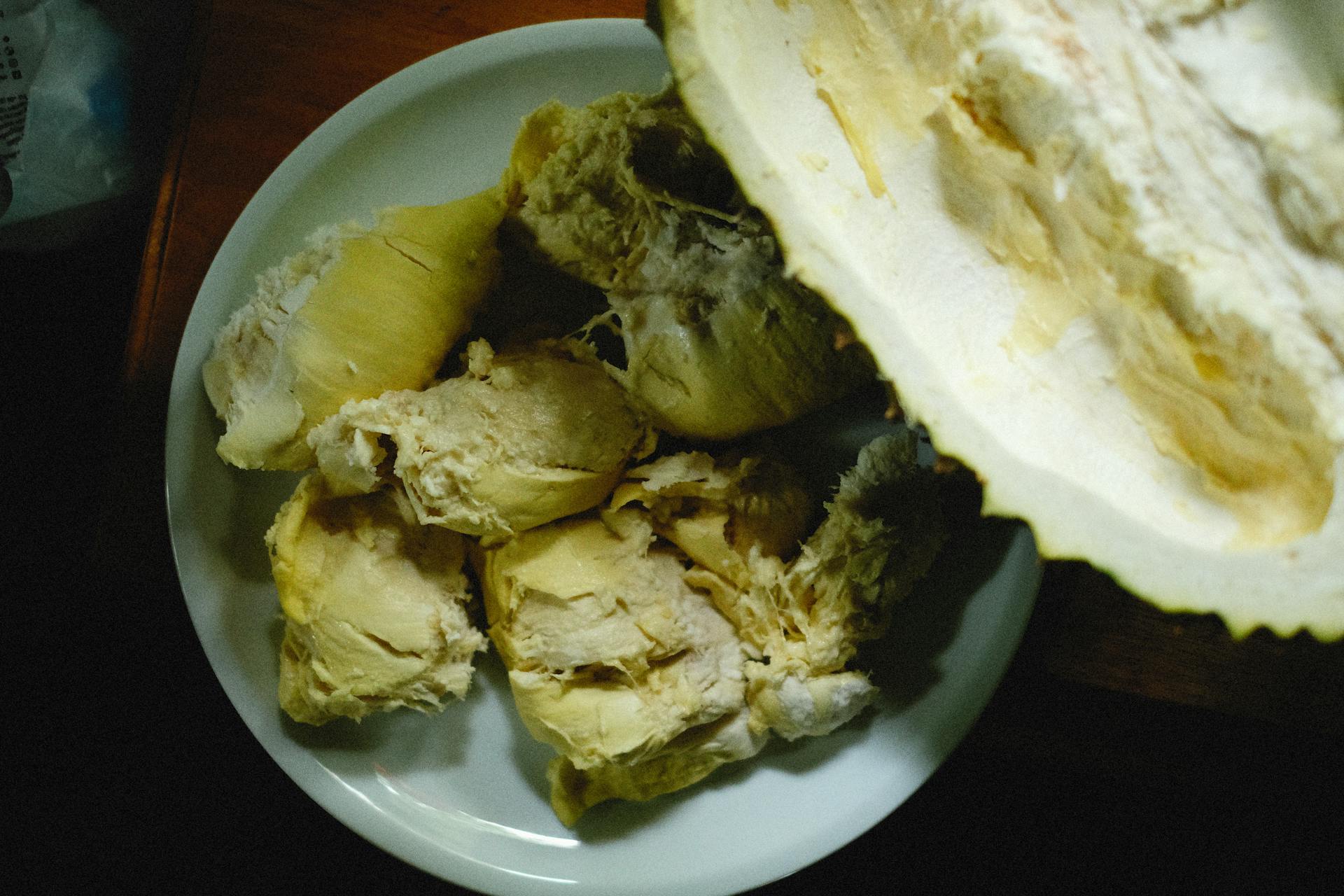
When durian season hits its stride, the fruit really shines. The taste is often described as a complex blend of sweet and slightly bitter, with a creamy texture that just melts in your mouth. It’s this balance that makes the peak season so special. You’ll notice the flesh is usually richer and more developed during these prime months. The aroma, while strong, is also at its most inviting, a sign of the fruit’s readiness.
Bittersweet Notes Of Top Varieties
Different durian types have their own unique flavour profiles, but during the main harvest, even the more common ones reach their full potential. Varieties like Musang King (Mao Shan Wang) are prized for their intense bittersweetness and thick, custard-like flesh. Others, like Red Prawn, might lean more towards a sweeter, almost caramel-like taste. The key is the depth of flavour you get when the fruit is perfectly ripe, a characteristic most pronounced during the peak season. It’s worth exploring the different popular durian varieties available to find your favourite.
Experiencing Durians At Their Best
To truly appreciate durians, timing is everything. While you can find durians year-round, the flavour and texture are noticeably superior during the major harvest periods. This is when the fruit has had the optimal conditions to mature on the tree, leading to a richer taste. For those new to durians, trying them during the peak season is the best way to get a true sense of what the fuss is about. Early season fruits, for instance, might be a bit more watery and less flavourful, and often come with a higher price tag.
The ideal durian experience is a sensory one. It’s about the rich aroma, the velvety texture, and that signature bittersweet taste that lingers. When the season is right, all these elements come together perfectly, making it a truly memorable fruit.
Sourcing Durians In Singapore
Local Fruit Stalls and Pop-Ups
When durian season hits, Singapore transforms. You’ll see temporary stalls popping up all over the place, especially in popular areas. These stalls are great for getting a feel for what’s available right now. It’s often where you’ll find the freshest fruit, brought in daily from Malaysia. The sheer variety can be a bit overwhelming at first, but don’t be afraid to ask questions. Many stall owners are happy to explain the differences between the types of durians they have. It’s a good idea to check out some of the well-known spots; you can find a list of popular places to explore here.
Online Durian Delivery Services
If you prefer to get your durian fix without leaving the house, online delivery services have become super popular. These services often work directly with plantations or trusted suppliers in Malaysia. They usually promise delivery within a day or two of the fruit being picked, which is pretty good. You can often pre-order your favourite varieties, like Musang King or D24, and have them sent straight to your door. It’s a convenient way to get durians, especially if you’re busy or can’t easily get to a physical stall.
Choosing Reputable Durian Retailers
With durians, especially the premium varieties, you want to make sure you’re getting good quality. It pays to stick with retailers who have a good reputation. Some sellers might try to pass off less desirable fruit or even cheaper varieties as more expensive ones. Look for places that are transparent about where their durians come from and how they’re graded.
Here are a few things to keep in mind when choosing a retailer:
- Ask about the origin: Where are the durians from? (e.g., Pahang, Johor)
- Inquire about the tree age: Older trees often produce better-tasting fruit.
- Check for freshness: Look for fruit that isn’t bruised or damaged.
- Read reviews: See what other customers are saying about their experience.
Sometimes, the best durian experience comes from a retailer who genuinely cares about the quality of their fruit and is willing to share that knowledge with you. It’s worth seeking out those trusted sources.
While Singapore relies heavily on Malaysian supply, the climate there plays a big role in what we get. Changes in weather can mean that Malaysia’s durian season might start earlier or later than usual, affecting supply in Singapore. This is why sometimes you might find durians available outside the typical peak months.
Beyond Fresh Durians
Durian Delicacies and Desserts
While the fresh fruit is the star, the king of fruits isn’t limited to just being eaten straight from the husk. When the season is in full swing and supply is abundant, you’ll find durian making its way into all sorts of treats. Think creamy durian ice cream, rich durian cakes, and even fluffy durian puffs. These desserts capture the intense flavour of the fruit in a different format, often appealing to those who might find the fresh fruit a bit too intense. It’s a great way to enjoy the taste of durian, especially if you’re looking for something sweet and decadent.
Utilising Overabundant Harvests
Sometimes, the harvest is so good that there’s simply more durian than can be sold fresh. This is where creativity comes in. Some producers and retailers will process the excess fruit, turning it into purees or pastes. These can then be used in a variety of ways. For instance, a good quality durian puree can be the base for a fantastic gelato or a rich filling for pastries. It’s a smart way to reduce waste and extend the enjoyment of the durian season beyond its natural timeframe. This also helps keep prices a bit more stable when there’s a glut of fruit.
Exploring Durian-Infused Products
Beyond the usual desserts, durian is popping up in some unexpected places. You might find durian-flavoured coffee, chocolates, or even savoury dishes in some specialty cafes or restaurants. These products offer a novel way to experience the unique taste of durian. It’s a chance for even the curious to try a hint of the flavour without committing to a whole fruit. For the true fans, it’s just another way to celebrate their favourite fruit. You can even find some fun durian-themed gifts that make for unique souvenirs or presents, perfect for anyone who loves the king of fruits.
The versatility of durian means its flavour can be incorporated into a wide array of food items, offering different experiences for both seasoned enthusiasts and newcomers alike. This allows the enjoyment of durian’s distinct taste to extend beyond the fresh fruit itself.
Historical Durian Season Trends
Exceptional Harvest Years
Looking back, there have been some truly memorable durian seasons that stand out. For instance, July 2018 was a standout year, often cited as a ‘once in three years’ event. During this period, prices for popular varieties like Mao Shan Wang plummeted to around S$12-14 per kilogram, the lowest many sellers had ever seen. This abundance was a welcome change for durian enthusiasts, offering a rare chance to enjoy the king of fruits at incredibly accessible prices. Such years remind us of the potential for bumper harvests when conditions align perfectly.
Challenges Faced In Past Seasons
It hasn’t always been smooth sailing, though. The mid-year peak season in 2017 presented quite a different picture. Unfavourable weather in Malaysian plantations led to significantly lower yields. Compounding this, increased interest from countries like China and Hong Kong meant more competition for the available fruit. This surge in demand, coupled with reduced supply, saw prices for Mao Shan Wang jump to around S$38 per kilogram, a stark contrast to more plentiful years. While the end-of-year season in 2017 saw some price drops, the memory of that earlier scarcity lingered. These past challenges highlight how sensitive durian supply chains are to both weather and global market dynamics.
Price Comparisons Across Years
Tracking durian prices over the years reveals a fascinating story of supply and demand. While specific figures fluctuate, a general trend emerges: abundant harvests lead to lower prices, and scarcity drives them up. For example, the exceptionally good year of 2018 offered a stark contrast to the higher prices experienced in 2017 due to poor yields and increased export demand. The market for durians is dynamic, and understanding these historical price movements helps set expectations for current seasons. It’s a good reminder that while we often seek the best deals, the actual cost is deeply tied to the fruit’s availability, which itself is influenced by a complex web of factors. The ongoing growth in the durian fruit market suggests that while premium varieties will always command higher prices, understanding these historical trends can still offer insights into potential price ranges.
Looking back at how durian seasons have played out over the years can be quite interesting. We’ve seen how weather and other factors can shift when these spiky fruits appear and how much we get. It’s a bit like a puzzle that changes each year! Want to know more about durian seasons and plan your next trip? Visit our website to find out when the best durian is expected!
So, Is It Durian Time?
Alright, so after all that, it looks like durian season in Singapore is a bit of a mixed bag, depending on when you’re reading this. We’ve seen that the main harvests usually hit around June to September, and then there’s a smaller one towards the end of the year. But honestly, with the weather doing its own thing lately, you might find them popping up a bit earlier or later. The good news is, if you’re keen for a taste, there’s usually some supply trickling in, especially from places like Johor and Pahang. Just keep in mind that prices and availability can change pretty quickly, so if you see some good ones, maybe grab them while you can. Happy durian hunting!
Frequently Asked Questions
When does the main durian season start in Singapore?
The main durian season in Singapore usually begins in June and lasts until around September. This is when you’ll see lots of durian stalls and the best prices.
Are there smaller durian seasons throughout the year?
Yes, besides the main season, there is also a minor durian season from December to February. During these months, you can still find fresh durians, but the supply is not as big.
Why does Singapore depend on Malaysia for durians?
Most of the durians sold in Singapore come from Malaysia, especially from states like Johor, Pahang, and Penang. The climate and large plantations there make it easier to grow lots of durians.
How do weather changes affect durian supply?
If it rains too much or too little in Malaysia, the durian harvest can be smaller or delayed. This can make durians more expensive and harder to find.
What are the most popular durian types in Singapore?
Musang King (also called Mao Shan Wang) is the most famous type. Other favourites include D24, Red Prawn, and XO. Each has its own taste and texture.
Why do durian prices change so much during the season?
When there are lots of durians, prices go down. If the supply is low or demand is high, prices can go up, especially for premium types like Musang King.
Where can I buy good durians in Singapore?
You can find durians at local fruit stalls, pop-up stands, and even order them online for delivery. It’s best to buy from trusted sellers to make sure you get fresh fruit.
Can I find durian desserts in Singapore outside of the main season?
Yes, many shops sell durian cakes, ice cream, and other treats all year round. These are made from fresh or frozen durian, so you can enjoy the flavour even when it’s not peak season.