
So, you’re wondering, when is durian season in Singapore? It’s a question on a lot of foodies’ minds, especially when that unmistakable aroma starts wafting through the air. Singapore’s love affair with the ‘king of fruits’ is legendary, and knowing the best times to get your hands on the freshest, most flavourful durians makes all the difference. Let’s break down when you can expect the good stuff to hit the stalls.
Key Takeaways
- The main durian season in Singapore generally runs from June to September, offering the freshest fruit at potentially better prices.
- While June to September is the peak, you might find durians available outside these months due to different harvest times and imports.
- Popular varieties like Musang King and Black Thorn are most abundant during the peak season, but lesser-known ‘kampong’ types offer unique flavours.
- Expect a variety of durian experiences, from roadside stalls and delivery services to hotel buffets and dedicated cafes.
- Prices can fluctuate significantly; peak season often means more availability but also higher demand, while off-season might see fewer options or higher costs for imports.
Understanding Singapore Durian Seasonality
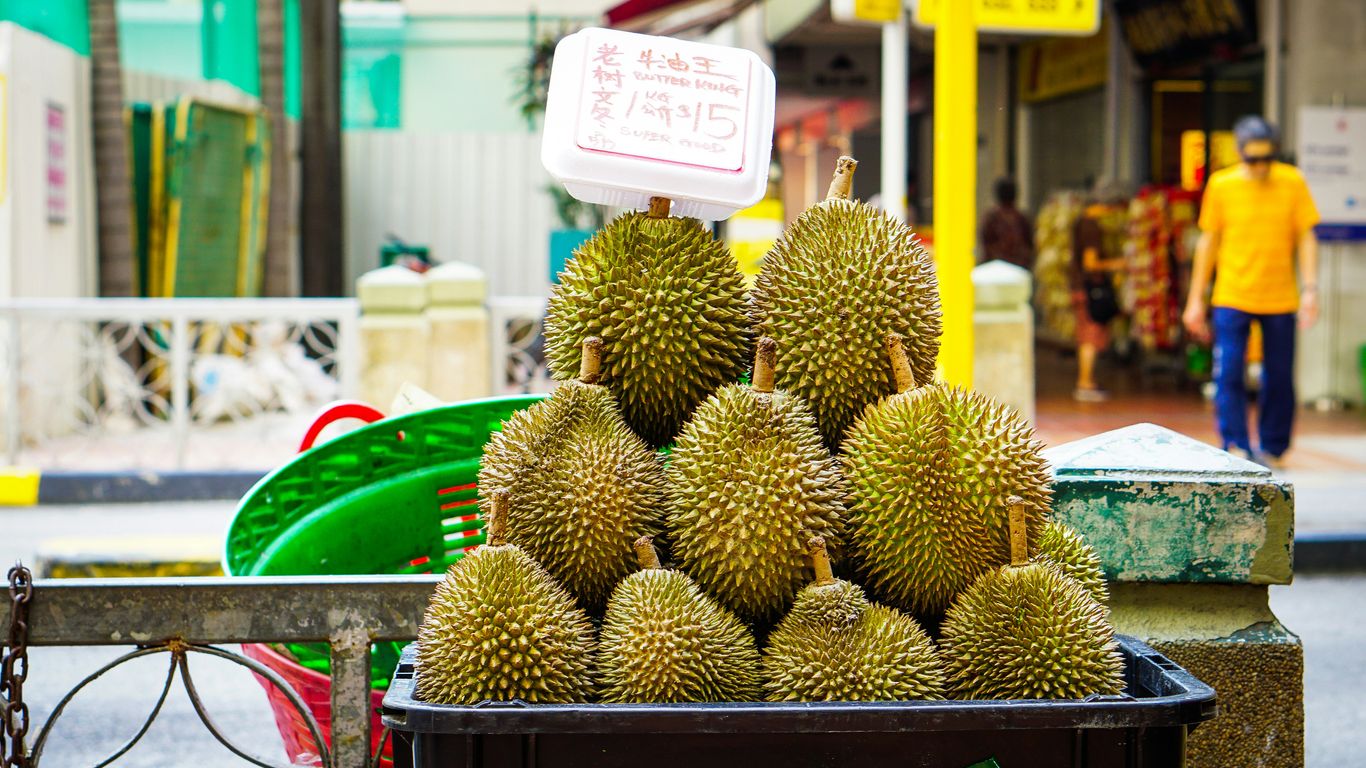
Singapore’s durian season isn’t a single, fixed event; it’s more of a rhythm influenced by weather patterns and the trees themselves. While there’s a main window when the king of fruits is most abundant, you can often find durians available for a good chunk of the year.
The Peak Durian Months
The primary durian season in Singapore typically kicks off around June and runs through to September. This is when you’ll see the widest variety of durians hitting the stalls, and generally, the prices are at their most competitive. Think of this period as the main event, where the supply is high and the quality is usually top-notch. It’s the time when most enthusiasts plan their visits, hoping to snag the best of the harvest. The durian season, usually spanning June to September, is when the fruit is at its most plentiful.
Early Season Varieties
Before the main rush, there’s a prelude. Sometimes, you might find early-season durians appearing as early as April or May. These might not be the most common varieties, but they offer a chance to get a taste of what’s to come. Often, these early birds are more sought after by those who can’t wait, and their prices might reflect that exclusivity. It’s a good time to explore lesser-known types or smaller, local ‘kampong’ durians that might not make it to the big festivals later on.
Late Season Offerings
As the main season winds down, usually after September, there can still be durians available. These late-season fruits might come from different regions or trees that mature a bit later. While the selection might not be as vast as during the peak, you can still find some decent options. Sometimes, these latecomers can offer a different flavour profile, perhaps a bit more intense or even slightly different in texture. It’s worth keeping an eye out, especially if you’re a die-hard fan who believes every durian counts.
When Is Durian Season In Singapore?
Figuring out the exact durian season in Singapore can be a bit like chasing a rainbow – it’s not always a straightforward, single event. Because Singapore relies heavily on harvests from Malaysia, the timing can shift slightly year to year. However, there are definitely periods when you’re most likely to find the freshest, most flavourful durians gracing the stalls.
The Primary Durian Window
The main durian season in Singapore typically kicks off around June and runs through to August. This is when the Malaysian orchards, particularly in regions like Johor and Pahang, are producing their most abundant crops. During these months, you’ll see a wide variety of durians available, and prices tend to be more stable, often at their most affordable. It’s the time when durian enthusiasts mark their calendars and prepare for serious feasting.
Extended Durian Availability
While the June-August period is the undisputed peak, don’t despair if you miss it. There’s often a secondary, smaller season that can extend from around October or November through to February. This later harvest is more weather-dependent and might offer fewer varieties, but it still provides a good opportunity to get your durian fix. You might also find imported durians from Thailand available from April to July, offering a different flavour profile during the pre-peak months.
Factors Influencing Seasonality
Several things can nudge the durian season around. Weather, of course, plays a big role; prolonged dry spells or heavy rain can affect the fruit’s development and the overall yield. The specific region within Malaysia also matters, as different areas might have slightly staggered harvest times. Even the specific variety of durian can have its own micro-season within the broader window. It’s a dynamic fruit, and its availability is a constant dance with nature.
The best way to stay updated on the durian situation is to keep an eye on local durian stalls and social media. Many sellers will announce when their favourite varieties are in season and where they’re sourcing them from. This local intel is often more accurate than general seasonal guides.
Here’s a general idea of what to expect:
- June – August: The absolute peak. Expect the widest selection and best prices.
- September – October: Transition period. Availability might decrease, and prices could start to climb.
- November – February: Secondary season. Smaller harvest, more dependent on weather, but still good durians to be found.
- March – May: Generally the leanest months for local Malaysian durians, though Thai durians might start appearing.
Exploring Durian Varieties During Season
Singapore’s durian season is a fantastic time to explore the incredible diversity of this beloved fruit. While some varieties are more famous than others, there’s a whole world of flavours and textures waiting to be discovered. Understanding the different types can really elevate your durian experience.
Popular Choices Like Musang King
When people talk about durian season, the Musang King (MSW) often comes to mind. It’s known for its rich, creamy texture and a good balance of sweet and slightly bitter notes. You’ll find this popular choice widely available during the peak months. Other well-loved varieties include Black Thorn, which has a distinct reddish hue and a sweet, almost caramel-like flavour, and D24, a classic with a strong, pungent aroma and a creamy, sometimes slightly alcoholic taste. These are often the stars of durian buffets and stalls.
Exploring Lesser-Known Types
Beyond the big names, there are many other fascinating durian varieties. Keep an eye out for Red Prawn (Hong Xia), which has a bright orange flesh and a sweet, fruity flavour. XO durian is another interesting one, often described as having a slightly fermented, complex taste. Then there’s Golden Phoenix (Jinfeng), which is typically smaller with a pale yellow flesh and a delicate, sweet flavour. Trying these lesser-known types can be a real adventure for the palate.
Kampong Durian Characteristics
- Origin: These are often homegrown varieties, grown locally or in nearby regions like Malaysia.
- Flavour Profile: Kampong durians can vary greatly, but they often have a more natural, less intense flavour compared to the premium varieties. Some are delightfully bitter-sweet, while others lean more towards sweet.
- Texture: The flesh can range from watery to creamy, depending on the specific type and ripeness.
- Price: Generally, kampong durians are more affordable, making them a great option for enjoying durian without breaking the bank. You might find these at roadside stalls or smaller vendors.
The beauty of durian season lies not just in the abundance of fruit, but in the sheer variety available. Each type offers a unique sensory experience, from the intensely creamy to the subtly sweet, and exploring them is part of the fun.
If you’re keen to learn more about the different types, resources that explain various durian varieties can be quite helpful in identifying what you’re tasting.
Experiencing Durian Feasts
When durian season hits Singapore, it’s more than just eating the fruit; it’s a full-blown celebration. Foodies flock to indulge in all sorts of durian-themed experiences, turning the humble fruit into a culinary event. From lavish buffets to creative desserts, there’s a way for everyone to get their fill.
Durian Buffets And All-You-Can-Eat Options
For the serious durian enthusiast, an all-you-can-eat buffet is the ultimate way to go. These events pop up during peak season, offering unlimited access to various durian varieties. You’ll often find them at hotels or dedicated durian stalls, where they’re freshly opened on the spot. It’s a chance to sample premium types like Musang King and Black Thorn without worrying about the cost per fruit. Some places even offer timed sessions, so you can really maximise your intake. Keep an eye out for promotions, as they can make these feasts even more accessible.
- All-you-can-eat durian buffets are a popular way to sample multiple varieties.
- Look for hotel buffets or dedicated durian stalls during peak season.
- Premium varieties like Musang King and Black Thorn are often featured.
- Check for timed sessions to get the most value.
These buffets are a fantastic opportunity to compare different durian profiles side-by-side, from the intensely bitter to the subtly sweet. It’s a true test of your durian palate.
Durian Cafes And Desserts
Beyond just eating the fresh fruit, Singapore’s cafes and dessert shops get creative during durian season. You’ll find durian pastries, cakes, ice cream, tarts, and even durian-infused drinks. These spots offer a more refined way to enjoy the flavour, often blending it with other complementary ingredients. It’s a great option if you’re not quite ready for a whole durian but still want to experience its unique taste. Many of these cafes also offer high tea sets dedicated to durian, which can be a lovely afternoon treat.
Homegrown Durian Experiences
For a more rustic and authentic feel, consider seeking out homegrown durian experiences. This might involve visiting stalls that focus on specific local varieties or even finding pop-up events that bring the kampung spirit to the city. Some sellers pride themselves on offering a direct-from-farm feel, allowing you to taste durians as they are meant to be enjoyed, often with a side of friendly banter. These experiences often highlight the character of different kampong durians, which can be quite distinct from the more commercially popular types. You might even find yourself at a place like 99 Old Trees Durian, known for its dedication to the fruit.
Here’s what to expect from these homegrown experiences:
- Focus on local or specific regional varieties.
- Often a more casual, stall-based setup.
- Sellers might share insights into the fruit’s origin and taste profile.
- A chance to try less common durian types.
Navigating Durian Prices
Alright, let’s talk about the sticky stuff – the cost of durian. It’s not always straightforward, and prices can swing around quite a bit depending on when you’re buying and what you’re after.
Peak Season Pricing
When the durian season is in full swing, usually from June to September, you’ll generally find the best prices. This is when the supply is highest, and sellers are keen to move their stock. Expect to see the most competitive rates during these months. It’s the prime time for durian lovers to indulge without breaking the bank. You might find popular varieties like Musang King dropping significantly from their off-season highs. For instance, prices can fall by as much as 30% in July, which is right in the middle of the peak harvest [616f].
Promotional Deals And Discounts
Keep your eyes peeled for special deals. Many stalls and vendors run promotions, especially during the peak season or around public holidays. These can include ‘buy one get one free’ offers, bundle deals, or discounts for purchasing larger quantities. Sometimes, you’ll see special pricing for slightly less-than-perfect looking durians, which often taste just as good. It’s worth checking out social media or asking around at your favourite durian spots to see what’s on offer.
Value For Money Durian Finds
Finding good value doesn’t always mean going for the most expensive variety. Sometimes, the lesser-known or ‘kampong’ durians offer a fantastic flavour profile at a much lower price point. These homegrown varieties can be incredibly satisfying and offer a different, often more complex, taste experience. For example, you might find quality kampong durians for around RM15 per kilogram, with even cheaper options for those that aren’t as pretty [b972].
Here’s a general idea of what you might expect:
- Peak Season (June-September): Prices are generally lowest. Musang King might be around $35 per 800g, a big drop from earlier months [b972].
- Shoulder Months (May, October): Prices start to climb as supply decreases.
- Off-Season: Prices can be significantly higher due to limited supply and import costs.
The price of durian is a dynamic thing. It’s influenced by weather, harvest yields, and even demand from neighbouring countries. So, while peak season is usually the cheapest, a good deal can pop up anytime if you know where to look.
Beyond The Peak: Durian Availability
Durian Availability Outside Peak Months
While the main durian season in Singapore typically runs from June to August, it doesn’t mean you can’t find the King of Fruits at other times of the year. The season can be a bit fluid, influenced by weather and the specific varieties being harvested. Sometimes, you might find early birds or late bloomers making an appearance. For instance, some smaller, less common varieties might pop up outside the main window. It’s worth keeping an eye on local markets and stalls, as they often source fruits from different regions or even different harvests within Malaysia to extend the availability.
Imported Durians Versus Local
Singapore relies heavily on durians imported from Malaysia, and this is especially true outside the peak season. When local harvests dwindle, importers bring in fruits from various Malaysian states. This can mean you’re getting durians from areas that have slightly different harvest timings. For example, durians from certain parts of Johor might be available when Pahang is finished, or vice versa. The quality and taste can vary significantly depending on the origin and how they were transported. While fresh, locally grown durians are often preferred, imported options allow for year-round enjoyment, albeit sometimes at a higher price point or with a slightly different flavour profile.
Seasonal Durian Events
Keep an ear out for special durian events and festivals that pop up throughout the year. These events often coincide with smaller harvests or are organised to celebrate the fruit itself. You might find pop-up stalls, hotel promotions, or even durian carnivals happening outside the main June-August window. These gatherings are a great way to sample different varieties and experience the durian culture, even when it’s not the absolute peak season. Sometimes these events can offer good deals, especially if they are trying to clear stock. You might even find early season varieties available at these events, giving you a sneak peek before the main rush. For those eager to get a taste of the fruit earlier, looking into early season varieties can be a good strategy.
Planning Your Durian Adventure
So, you’re keen to experience Singapore’s durian season firsthand? That’s fantastic! To make the most of it, a bit of planning goes a long way. It’s not just about showing up; it’s about timing it right and knowing where to look.
Best Months For Durian Enthusiasts
While durian can be found at various times, there are definitely sweet spots. The primary season generally kicks off around June and can stretch through to August or even September. This is when you’ll see the widest variety and the best quality fruits. Think of it as the main event.
- June – August: This is your prime time for the most popular varieties like Musang King and D24. The supply is usually plentiful, and prices tend to be more stable.
- September – October: You might still find good durians, especially if the season extends, but the selection might start to dwindle.
- November – May: This is generally the ‘off-season’. While you might find some imported durians or early/late local harvests, the quality and variety won’t be the same as the peak months.
Aligning Visits With Durian Availability
If your trip is specifically for durian hunting, aim for those peak months. It makes a huge difference. You’ll have a better chance of trying different types and getting your money’s worth. Don’t just rely on hearsay; check local forums or ask around closer to your travel dates for the most current season updates. Sometimes, weather patterns can shift things slightly, so a little flexibility is good.
Planning your visit around the main durian months significantly increases your chances of a satisfying experience. It allows you to explore a wider range of fruits and potentially find better deals.
Tips For Finding Fresh Durian
Finding a good durian stall is an art. Look for places that are busy – a constant stream of customers usually means fresh stock. Don’t be afraid to ask the seller questions about the origin and ripeness of the fruit. A reputable seller will be happy to guide you. Sometimes, the best finds are at smaller, local stalls rather than the big, flashy ones. Exploring the Singapore culinary landscape can lead you to some unexpected durian gems.
- Check the stem: A fresh durian will have a green, plump stem. A dry or shrivelled one might mean it’s been sitting around.
- Listen to the sound: Give the durian a gentle shake. If you hear a slight sloshing sound, it might be perfectly ripe.
- Smell: A ripe durian has a strong, distinct aroma. Too little smell might mean it’s not ready, while an overly fermented smell could indicate it’s past its best.
The Durian Experience In Singapore
Durian Stalls And Their Offerings
Singapore’s durian scene is buzzing, especially when the season hits its stride. You’ll find stalls popping up everywhere, from dedicated durian hubs in Geylang to neighbourhood corners. These stalls are where the real action is, with vendors expertly cracking open the spiky fruit right before your eyes. They usually have a range of varieties on offer, often labelled with popular names like Mao Shan Wang (MSW), Red Prawn, or D24. The freshness is key here; you can often pick your own durian or have the vendor select one for you based on your preference for sweetness or bitterness. Some places even let you sample a bit before you commit to a whole fruit. It’s a proper sensory experience, with the strong aroma filling the air and the excitement of finding that perfect durian.
Durian Cafes And Desserts
Beyond the whole fruit, Singapore has embraced durian in all sorts of creative ways. Cafes and dessert spots are a big part of this. You can find everything from durian puffs and tarts to elaborate durian cakes and ice cream. Some places even offer a durian high tea, which is a pretty fancy way to get your fix. These spots are great if you’re not quite ready for the full-on whole durian experience or if you just want to try something a bit different. They often use high-quality durian flesh, so the flavour is usually spot on. It’s a good way to get a taste of the king of fruits without the mess.
Durian Festivals And Carnivals
When durian season is in full swing, Singapore sometimes hosts special events and festivals. These can be a lot of fun, bringing together durian lovers for a celebratory atmosphere. You might find all-you-can-eat buffets, durian-themed games, and even cooking demonstrations. These events are a fantastic opportunity to try different varieties, compare them side-by-side, and just soak up the festive vibe. Keep an eye on local event listings during the peak months, as these carnivals are usually a highlight for foodies. It’s a chance to really immerse yourself in the culture surrounding this unique fruit. You might even find some special deals or unique durian products you won’t see elsewhere. For instance, some cruises offer unique durian tasting experiences on select voyages [dbf3].
Seasonal Durian Highlights
June To September Durian Delights
Singapore really comes alive with durian during the months of June, July, August, and September. This is generally considered the prime time for durian lovers, with a good variety of popular types hitting the markets. You’ll find stalls brimming with options, and the atmosphere is buzzing with excitement. It’s the period when many people plan their durian trips, hoping to snag the best of the harvest. Think of it as the main event for durian aficionados.
- Musang King (MSW): Often the star of the show, known for its creamy texture and bittersweet flavour.
- Black Thorn: A premium choice, typically with a rich, custard-like consistency and a slightly less intense flavour than MSW.
- D101: A sweeter variety, often favoured by those who prefer a less bitter durian.
Exploring Durian In Other Months
While the June to September window is the most well-known, durian doesn’t completely disappear for the rest of the year. You might find smaller harvests or imported varieties available at different times. Sometimes, you can even find early or late season fruits that offer a different experience. It’s worth keeping an eye out, especially if you’re keen to try different types or just can’t wait for the main season.
Durian availability can be a bit of a lottery outside the main season. While you might find some good fruit, it’s not always guaranteed to be as plentiful or as varied as during the peak months. Imported durians can fill the gap, but they often come with a higher price tag.
The Significance Of Durian Season
For many in Singapore, durian season is more than just about eating fruit; it’s a cultural event. It’s a time for gatherings, family outings, and sharing the unique experience of the ‘King of Fruits’. The anticipation builds throughout the year, and when the season finally arrives, it’s a cause for celebration. The availability of fresh, local durians during these months is a highlight for many foodies and locals alike. It’s a chance to connect with the local produce and enjoy a truly Singaporean pastime. Finding the best durian often comes down to more than just the season, focusing on factors like aroma and texture is key to finding the best durian.
- Community Gatherings: Durian parties and meetups are common.
- Economic Boost: It supports local farmers and sellers.
- Culinary Innovation: Cafes and restaurants often introduce special durian-themed desserts.
Get ready for the best durian season yet! We’re bringing you the freshest, most delicious durians straight from the farm. Don’t miss out on these seasonal treats. Visit our website to find out more and book your durian feast today!
So, When Should You Go For Durian?
Alright, so we’ve gone through the months, and it looks like the real sweet spot for durian in Singapore is generally between June and September. That’s when you’ll likely find the best quality and maybe even a better price. But honestly, durian pops up at different times, and you can find good deals and buffets happening outside of that main window too, especially if you keep an eye out. Whether you’re after the famous Musang King or some local kampong varieties, there’s usually a way to get your fix. Just remember to check local listings and maybe even ask around when you’re out and about – you never know when a durian opportunity might strike!
Frequently Asked Questions
When’s the best time to eat durian in Singapore?
The main durian season in Singapore usually kicks off around June and goes through to September. This is when you’ll find the most variety and the freshest fruit, often at the best prices. But don’t despair if you miss this window, as you can sometimes find durians available at other times of the year too, though maybe not as plentiful or varied.
What are the most popular durian types in Singapore?
You’ll hear a lot about Musang King (MSW), which is super popular for its rich, creamy, and slightly bitter taste. Other favourites include Red Prawn, Black Thorn, and D24. There are also ‘kampong’ or village durians, which are often more affordable and have their own unique flavours.
Can I find durian outside of the main season?
Yes, sometimes you can! While the peak season is June to September, you might find durians available from other regions or earlier/later harvests. However, the selection might be smaller, and the prices could be a bit higher compared to the main season.
Are durian buffets a good deal?
Durian buffets can be a fantastic way to try different varieties and eat as much as you want! They often pop up during the peak season. Just check the details – some might focus on specific types, while others offer a wider range. It’s a great way to sample a lot without buying individual fruits.
How do I know if a durian is fresh?
Look for a durian with a strong, sweet smell. The stem should look fresh and green, not dry or shrivelled. Give it a gentle shake; if you hear a slight rattling sound, it might be good. Also, trust your gut and reputable sellers – they’ll often help you pick the best ones.
Is it worth travelling to Singapore just for durian season?
If you’re a big durian fan, absolutely! Singapore has a vibrant durian culture with plenty of stalls, cafes, and events. Visiting during the June to September window means you’ll get the best experience with the widest selection and freshest fruit. Plus, Singapore has lots of other amazing things to see and do!
Where are the best places to buy durian in Singapore?
There are many popular durian stalls all over Singapore, especially in areas like Geylang, Yishun, and even street-side stalls that pop up during the season. Many places offer home delivery too. Some well-known spots include 99 Old Trees, Durian Empire, and Golden Moments, but exploring local stalls is part of the fun!
How much does durian usually cost?
Prices can change a lot depending on the variety, season, and where you buy it. Popular types like Musang King are usually more expensive than ‘kampong’ varieties. During the peak season (June-September), prices are generally better. Keep an eye out for special deals or promotions, especially at smaller stalls or during off-peak times.