
You know, durian. It’s a fruit that really gets people talking, and not always in a good way. Its smell is something else, and honestly, it’s banned from a lot of places here. But in Singapore, it’s a whole different story. People are absolutely nuts for it, especially when it comes to desserts. We’re talking about a fruit that divides opinion like nothing else, but somehow, it’s become a massive part of the local food scene.
Key Takeaways
- Singapore’s love for singapore durian is intense, with consumption rising, especially among younger folks who are driving new dessert trends.
- Making durian cake is tricky business, needing careful temperature control, balancing textures, and managing that strong smell.
- Enjoying durian, particularly in cakes, acts as a sort of social signal, showing you’re really part of the local culture.
- Beyond the smell and taste, durian is actually good for you, packed with vitamins and minerals, but it’s best enjoyed as a treat.
- The way people make and eat durian desserts keeps changing, with chefs mixing old and new ideas, but always keeping that unique durian flavour.
The Durian Paradox: A Polarising Palate
A Fruit That Divides Opinion
Durian. It’s a fruit that sparks strong reactions, and you either love it or you really, really don’t. There’s not much middle ground when it comes to this thorny character. It’s a bit like Marmite, I suppose, but with a much more potent presence. This intense polarisation is actually part of its charm, making it a fascinating subject in Singapore’s food scene.
The Infamous Aroma: A Litmus Test
The smell is, without a doubt, the most talked-about aspect of durian. Descriptions range from sweet custard to something far less pleasant, like rotting onions or even sewage. This distinctive aroma acts as a sort of litmus test for cultural acceptance. For many locals, the smell is a nostalgic scent, a signal of the season and a beloved treat. For newcomers, it can be a significant hurdle. It’s so potent that it’s banned on public transport and in many hotels, a clear sign of its powerful impact. It’s not just a smell; it’s a statement.
Beyond The Smell: A Culinary Reckoning
But to dismiss durian solely based on its smell is to miss out on a complex flavour profile. Once you get past the initial olfactory assault, the flesh itself is creamy, rich, and surprisingly sweet, with hints of almond and caramel. It’s this depth of flavour that keeps people coming back. The way it’s used in desserts, like cakes and pastries, transforms the experience, often mellowing the intensity while retaining that unique durian essence. It’s a culinary journey that challenges your preconceptions and rewards the adventurous.
The durian experience is more than just taste; it’s a cultural immersion. It forces you to confront your own boundaries and decide where you stand. It’s a conversation starter, a way to connect with local culture, and for many, a rite of passage.
Singapore’s Durian Obsession Unpacked
A Surge In Consumption
It’s hard to miss the durian’s presence in Singapore, especially when durian season Singapore rolls around. You’ll see it everywhere, from roadside stalls to fancy bakeries. The numbers back this up too; consumption has really shot up in recent years. It’s not just about eating the fruit straight from the shell anymore. A big part of this growth is thanks to durian-flavoured desserts, with cakes leading the charge. It seems like everyone’s getting in on the act, trying to find the best durian in Singapore to incorporate into their creations.
Younger Generations Driving Dessert Trends
Interestingly, it’s often the younger crowd, say those in their late teens to mid-thirties, who are really pushing the boundaries with durian desserts. They’re not content with just the classic stuff. We’re seeing all sorts of innovative treats popping up, from durian cheesecakes to durian ice cream. This generation seems to have a different relationship with the fruit, embracing its strong flavour in new and exciting ways. It’s a far cry from just grabbing a few pods at the Singapore fruit market durian stalls.
Claiming Space Through Culinary Choice
This whole durian thing is more than just liking a particular fruit or dessert. For many Singaporeans, it’s a way of showing they belong, of connecting with local culture. It’s like saying, “I get this, I’m part of this.” When you can appreciate or even just tolerate the intense flavour and smell of durian, it signals a willingness to engage with Singaporean identity on its own terms. It’s a conversation starter, a way to bond, and for newcomers, successfully enjoying durian can feel like a real milestone in their Singaporean journey. It’s about making a choice that feels authentic and deeply rooted in the local experience of eating durian Singapore.
The Art Of Durian Cake Crafting
Navigating The Fruit’s Volatile Personality
Making a good durian cake in Singapore isn’t just about following a recipe; it’s a bit like trying to tame a wild animal. The fruit itself is pretty unpredictable. One minute it’s perfectly creamy, the next it can be stringy or even a bit watery. Bakers have to be really in tune with the fruit’s mood, so to speak. This means understanding the specific variety of durian being used, as each has its own quirks. Some are naturally sweeter, others have a stronger kick. It’s a constant balancing act, trying to get that intense durian flavour without it becoming too much or just… weird.
Sophisticated Techniques For Flavour Mastery
Local pastry chefs have gotten pretty clever with how they handle durian. It’s not just about mashing it into batter. They use specific temperature controls because the flavour compounds in durian can change with heat. Getting this wrong means you lose that signature taste. They also have to think about texture. Durian is naturally rich and creamy, which is great, but it can make a cake collapse if you’re not careful. So, they add other ingredients to give the cake structure. It’s a real skill to make sure the durian flavour shines through without being overpowering. Some bakers even use pandan or coconut to complement the taste, creating a more complex flavour profile. It’s a far cry from just throwing some fruit into a mix.
Balancing Creaminess And Structure
Getting the texture of a durian cake just right is a big challenge. You want that luscious, creamy durian filling or flavour, but the cake itself needs to hold its shape. It’s a bit of a tightrope walk. Too much of the rich durian pulp can make the cake heavy and dense, or worse, cause it to sink in the middle. On the other hand, if you don’t use enough, you lose that distinctive durian punch that people are after. Chefs often experiment with different types of flour, fats, and even egg ratios to find that sweet spot. It’s about creating a cake that’s moist and rich, but still has a good crumb and doesn’t fall apart when you cut into it. For those looking for a premium experience, a well-crafted Mao Shan Wang durian cake is a testament to this delicate balance.
Durian As Social Currency
A Marker Of Cultural Authenticity
In Singapore, enjoying durian, especially in its more refined dessert forms like cake, has become a subtle way to signal your connection to local culture. It’s not just about liking the taste; it’s about showing you’re willing to engage with something uniquely Singaporean, even if it’s a bit challenging. For many, embracing durian is a quiet declaration of belonging. It suggests you’re not just visiting, but truly experiencing the place. This can be particularly true for newcomers trying to find their footing.
Conversation Starter And Boundary Marker
Durian desserts are fantastic icebreakers. You’ll often find people striking up conversations in queues for durian pastries or debating the merits of different varieties like the popular Mao Shan Wang. It’s a way to sort of gauge where someone stands – are they adventurous eaters, or do they stick to the familiar? It creates a shared experience, even if that experience is just waiting in line together. It’s a topic that can easily bridge gaps between people who might not otherwise have much in common.
A Milestone For Expatriates
For expatriates living in Singapore, successfully appreciating durian can feel like a significant personal achievement. It marks a point where you’ve moved beyond just tolerating local quirks to genuinely enjoying them. It’s a sign that you’ve adapted and integrated, moving from an outsider perspective to a more insider one. It’s a delicious way to say, “I get it now.”
The journey of embracing durian often mirrors an expatriate’s broader integration into Singaporean life. It’s a sensory experience that signifies a deeper connection to the local environment and its unique cultural offerings.
Here’s a look at how durian appreciation can be seen:
- Authenticity Signal: Demonstrates a willingness to engage with local tastes.
- Social Connector: Acts as a natural topic for conversation and bonding.
- Integration Marker: Represents a personal milestone for those new to the region.
- Cultural Gatekeeper: Can subtly distinguish between those who are deeply familiar with local food and those who are not.
Nutritional Powerhouse Within The Spikes
Vitamins, Minerals, And Antioxidants
Beyond its notorious smell, durian is actually packed with good stuff. It’s a decent source of vitamin C, which is great for your immune system, and also contains several B vitamins like B6 and riboflavin. Plus, you’ll find minerals like potassium, which is important for keeping your blood pressure in check. It’s a whole lot more than just a strong scent and creamy texture. These nutrients are present whether you’re eating the fruit fresh or enjoying it in a cake, though the concentration might change a bit depending on the other ingredients in the dessert.
Supporting Heart Health And Immunity
Some of the compounds found in durian, like antioxidants, are thought to be beneficial for your health. These can help protect your body’s cells from damage. The potassium content also plays a role in maintaining a healthy heart. While it’s not a magic cure-all, including durian as part of a balanced diet could contribute positively to your overall well-being. It’s interesting to think that this divisive fruit might actually be doing your body some good.
A Balanced Approach To Indulgence
When it comes to durian, especially in its cake form, moderation is key. Think of it as a treat that offers some nutritional perks, rather than a daily health food. The sugar and fat content in cakes means you’re balancing the fruit’s benefits with other ingredients. It’s about enjoying the flavour and the experience without overdoing it. Singaporeans often have a good sense of this balance, enjoying durian treats as special occasions rather than everyday staples. It’s a way to appreciate the King of Fruits while still being mindful of your health.
The nutritional profile of durian, while often overshadowed by its aroma, presents a compelling case for its place in a varied diet. It offers a unique combination of vitamins, minerals, and beneficial plant compounds that contribute to its reputation as more than just a culinary curiosity.
Here’s a quick look at some of the key nutrients:
- Vitamin C: Supports immune function.
- Potassium: Important for blood pressure regulation.
- Dietary Fibre: Aids digestion.
- Antioxidants: Help protect cells from damage.
It’s worth remembering that while durian itself has these benefits, the way it’s prepared, especially in desserts, will affect the final nutritional impact. So, enjoy that durian cake, but perhaps savour it rather than devouring the whole thing in one sitting!
The Evolution Of Durian Innovation
Fusion Approaches In Artisanal Bakeries
It’s not just about eating the fresh fruit anymore, is it? Singapore’s bakers are really getting creative with durian. We’re seeing it pop up in all sorts of unexpected places, like cheesecakes, layered pastries, and even fancy ice cream cakes. They’re taking that intense durian flavour and mixing it with other things to create something totally new. It’s like they’re saying, ‘How far can we push this?’ and honestly, the results are pretty interesting. It shows a real willingness to experiment and not just stick to the old ways.
Challenging Conventional Dessert Boundaries
These new durian desserts are definitely making people think. They’re not your average slice of cake. Some of them are quite rich and bold, and they make you question what a dessert is supposed to be. It’s a bit of a statement, really. Instead of just making something sweet and mild, they’re embracing the durian’s strong character. It’s a way of saying that intense flavours have a place in desserts, even if they’re a bit confronting at first. It’s a bit like how modern Peranakan cuisine is blending old and new.
Maintaining Essential Character Through Iteration
Even with all the new ideas, the best durian creations still taste like durian. That’s the tricky part, I reckon. You can add all sorts of fancy ingredients and techniques, but if you lose the core flavour of the fruit, what’s the point? The really clever bakers manage to keep that essential durian taste front and centre. They might use different types of durian, or pair it with subtle flavours like pandan or coconut, but the star of the show is always the durian itself. It’s a balancing act, for sure. The goal isn’t to hide the durian, but to show it off in a new light.
The way durian is being used in desserts now is a sign of how culture changes. It’s not just about tradition; it’s about adapting and finding new ways to enjoy something familiar. It shows a confidence in the fruit itself, and a desire to share it in different forms.
Here’s a look at some of the ways bakers are innovating:
- Temperature Control: Keeping the durian flavour just right during baking is key. Too hot, and it can change.
- Texture Play: Making sure the cake isn’t too mushy or too dry, balancing the fruit’s natural creaminess.
- Flavour Pairing: Finding ingredients that complement durian without overpowering it.
- Presentation: Making these bold desserts look as good as they taste.
Embracing The Uncomfortable Truths
Taste, Culture, And Belonging
The rise of durian-flavoured desserts in Singapore forces us to confront uncomfortable truths about taste, culture, and belonging. Food becomes political when it refuses to be universally appealing, when it demands that we choose sides rather than offering bland consensus. In a world increasingly obsessed with palatability and mass appeal, durian cake stands as delicious resistance. It refuses to be liked by everyone, and in doing so, it offers something more valuable than universal approval: authentic experience.
Food As A Political Statement
Durian, with its potent aroma and divisive flavour, is more than just a fruit; it’s a statement. For many Singaporeans, embracing durian, especially in its more adventurous dessert forms, is a way of asserting cultural identity. It’s a nod to tradition and a rejection of external judgments about what is or isn’t palatable. This fruit challenges conventional notions of ‘good’ food, pushing people to question their own biases and those of society. It’s about accepting that not all food needs to be universally loved to be cherished. The infamous aroma is, in a way, a declaration of independence from the tyranny of blandness.
The Value Of Authentic Experience
Ultimately, the durian experience, whether fresh or in a cake, is about embracing the authentic. It’s about confronting something that might initially seem off-putting and finding value, pleasure, or at least a profound understanding, within it. This journey mirrors Singapore’s own development – a nation that has carved its unique identity by embracing its complexities rather than smoothing them over. It’s a reminder that sometimes, the most rewarding culinary adventures are the ones that push us outside our comfort zones, leading to a deeper appreciation for the diverse tapestry of food and culture. Trying durian, especially for the first time, can be a culinary rite of passage.
A Shared Affection For The King Of Fruits
Camaraderie Through Culinary Preference
It’s funny how a single fruit can bring people together. For many in Singapore, and indeed across Southeast Asia, a shared love for durian creates an instant bond. It’s more than just liking a particular flavour; it’s a cultural touchstone. When you find someone else who genuinely appreciates the complex taste of a good Mao Shan Wang, it feels like you’ve found a kindred spirit. This shared preference can spark conversations and build connections, turning strangers into friends over a common appreciation for the King of Fruits.
Global Durian Tourism
This obsession isn’t just a local affair. People travel from all over the world specifically to experience durian season in places like Singapore and Malaysia. They’re not just coming for a holiday; they’re coming for the fruit. This influx of tourists looking for the best durian experiences has led to a boom in what you could call durian tourism. Think guided tours to orchards, all-you-can-eat durian buffets, and even dedicated durian festivals. It’s a whole industry built around this one spiky fruit, showing just how far its appeal reaches. For many, experiencing authentic durian season is a major part of their travel plans.
Festivals Celebrating The Harvest
Durian season is a big deal, and it’s celebrated with gusto. Festivals pop up across the region, marking the peak harvest times. These events are a fantastic way to sample different varieties, often prepared in unique ways beyond just the fresh fruit. You might find durian ice cream, cakes, pastries, and even savoury dishes. These celebrations are vibrant affairs, filled with music, local crafts, and, of course, an abundance of durian. They’re a testament to the fruit’s importance in the local culture and economy, drawing crowds eager to partake in the festivities and enjoy the bounty of the harvest. It’s a time when the community comes together to honour the fruit that means so much to them.
Navigating The Durian Experience
Tips For First-Time Tasters
So, you’re thinking about giving durian a go? Good on ya. It’s a bit of an adventure, no doubt about it. The first thing to remember is that not all durians are created equal. Different varieties have wildly different tastes and textures. If you’re new to this, maybe start with something a bit milder. Some people find the really strong ones a bit much to handle straight off the bat. It’s all about finding what works for your palate.
Here are a few pointers to get you started:
- Pick your moment: Try to find a reputable stall. The sellers are usually pretty knowledgeable and can guide you. They know which ones are in season and which ones are at their best. Asking about the harvest date is a good idea too.
- Don’t be scared of the smell: Honestly, it’s part of the experience. While it can be strong, it doesn’t always mean the taste will be overwhelming. Sometimes, the smell is worse than the actual flavour.
- Start small: Don’t go for the biggest, most expensive durian on your first try. Get a smaller portion or a less intense variety.
- Consider the setting: Eating fresh durian can be a bit messy. Many places offer pre-packaged durian flesh, which is a cleaner way to try it.
The key is to approach it with an open mind. It’s a fruit that polarises people, but you won’t know where you stand until you try it yourself.
Exploring Durian In Desserts
If the thought of eating the fruit straight up is a bit daunting, there are plenty of other ways to get acquainted with durian flavour. Desserts are a fantastic entry point. Think durian ice cream, cakes, pastries, or even milkshakes. These often use the durian pulp but temper its intensity with other ingredients like cream, sugar, and flour. It’s a gentler introduction to the unique taste. You can find some amazing durian-flavoured treats all over Singapore, especially in bakeries and dessert shops. It’s a great way to experience the flavour without the full-on sensory assault of the fresh fruit. Many places pride themselves on their durian cakes, using specific varieties to achieve the best flavour profile.
An Unforgettable Culinary Journey
Trying durian, whether fresh or in a dessert, is more than just eating; it’s a cultural experience. It’s about understanding why this fruit holds such a special place in the hearts of many. It connects you to local traditions and can even be a conversation starter. For many, it’s a rite of passage, a taste of authenticity that’s hard to find elsewhere. So, embrace the challenge, be adventurous, and see if you too can become a fan of the King of Fruits. It’s a journey that’s definitely worth taking, and you might just surprise yourself with what you discover. If you’re visiting, aiming for the peak season, usually between June and August, can offer the best selection of freshly harvested durians.
The Durian’s Protective Forcefields
Durian doesn’t just sit quietly in the corner of a fruit stall—it commands the room, both in sight and scent. This fruit has a couple of serious defences built right into its makeup, and whether you’re a fan or not, you can’t ignore them.
A Smell That Commands Attention
You think you’ve smelled strong cheese or ripe jackfruit, but nothing can really prepare you for durian. The aroma is impossible to miss—it can travel rooms and linger for hours. Some describe it as sweet and floral, others compare it to rotting onions or gasoline. In Singapore, it’s so bold that public places like trains and taxis ban it outright. Once the fruit’s opened, its scent takes over. You can tell immediately when a neighbour’s brought one home.
- The odour helps the fruit stand out in crowded markets
- Acts as a kind of natural warning for those who aren’t ready
- Ties back to the durian’s role as a social boundary—either you’re in, or you’re definitely out
Durian’s distinctive smell isn’t just about taste; it’s a conversation starter, a divider, and even a bit of a local rite of passage.
Spiky Outer Layer As Defence
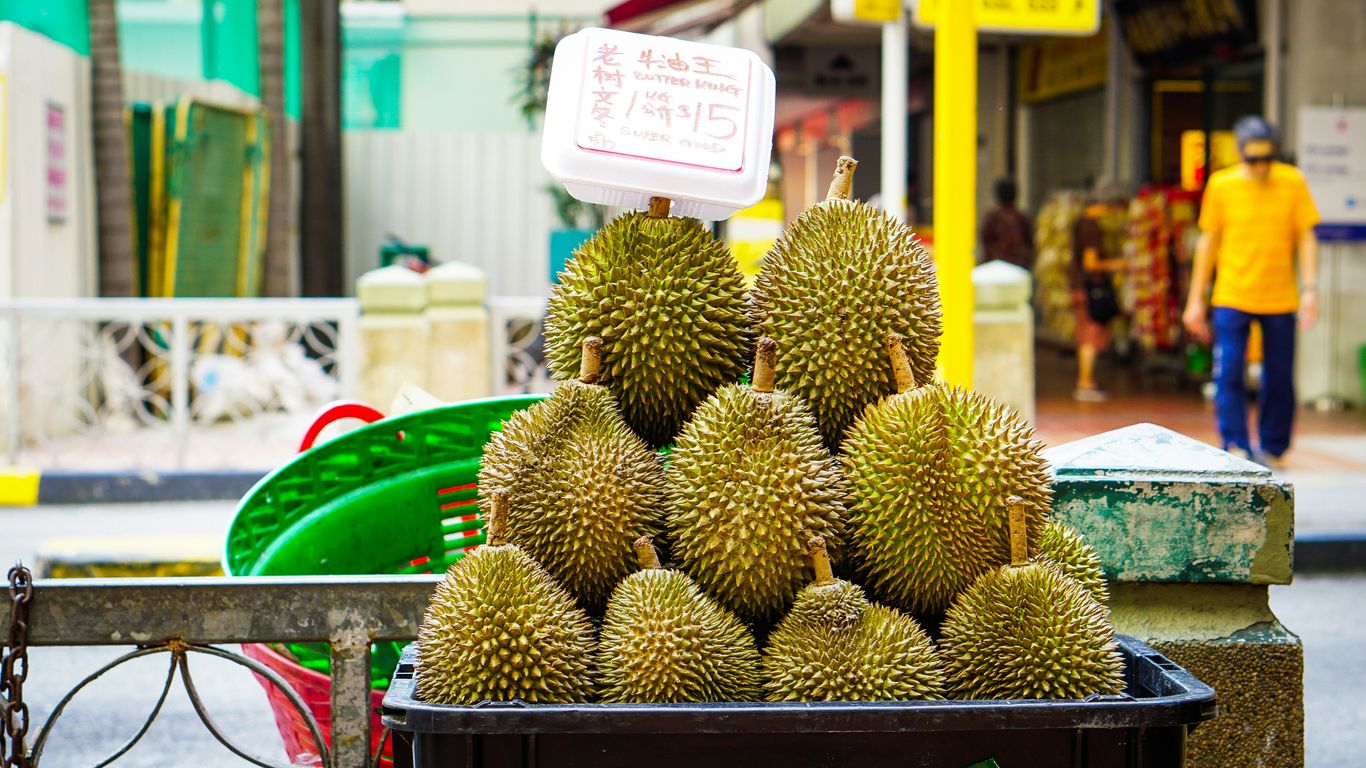
You can’t talk about durian without picturing its formidable, spiked shell. The outer rind is thick, covered in armour-like spikes that demand respect. If you’re not careful, attempts to open the fruit can be painful—many locals have stories of scraped hands and minor injuries from casual handling.
The rind isn’t just tough for humans. It’s a wildlife deterrent too, making it difficult for most animals to access the fleshy centre. As researchers suggest, the rind may also play a part in antioxidant defence and inflammation management, offering more than meets the eye (durian rind and antioxidant effects).
| Feature | Function |
|---|---|
| Thick spikes | Protects against animals & rough transit |
| Hard shell | Shields from bumps and bruising |
| Dense husk | Preserves freshness and aroma |
The Challenge Of Transport And Handling
Bringing durian home is rarely simple. The sheer weight—sometimes heavier than a bowling ball—and size make it awkward to carry long distances. Shops often provide newspaper or gloves, because wrestling with the spikes barehanded is a rookie mistake.
Singapore’s iconic stalls tend to prep durians for customers, splitting them open on site. But if you’re keen to bring one home, you’ll have to plan ahead:
- Wrap it securely to keep the smell contained, especially if traveling by car
- Use a basket or bag with thick walls to avoid injuries
- Remember to keep it upright so it doesn’t roll and bruise the flesh
In the end, the challenges of handling and transporting durian are part of what makes enjoying it so rewarding—like a tasty puzzle wrapped in a thorny, fragrant shell.
The durian, a fruit famous for its strong smell, also has a tough, spiky outer shell. This natural armour protects the tasty fruit inside from hungry critters. It’s like a built-in defence system for the king of fruits! Want to learn more about amazing food facts? Visit our website for a taste of adventure.
The Enduring Allure of the King
So, there you have it. Durian in Singapore is more than just a fruit; it’s a whole vibe. It’s in the fancy cakes, it’s the conversation starter at parties, and for some, it’s even a sign you’ve truly settled into life here. Whether you’re a die-hard fan or still on the fence, you can’t deny the durian’s powerful grip on the local culture. It’s a taste, a smell, and an experience that’s uniquely Singaporean, and it’s not going anywhere anytime soon. Maybe give that durian cake another try next time you see one – you might be surprised.
Frequently Asked Questions
Why do some people find durian so smelly?
Durian has a really strong smell that some reckon is like rotting onions or even old socks! This is due to certain chemicals in the fruit. For many locals, this smell is actually a sign of deliciousness, but for others, it’s a bit much. It’s like a superpower for the fruit – it definitely gets your attention!
Is durian actually good for you?
Yep, believe it or not, durian is packed with good stuff! It’s got loads of vitamins, like Vitamin C, and minerals. It’s also got fibre, which is great for your tummy. It can even help keep your heart healthy and boost your immune system. Just remember, like most yummy things, it’s best enjoyed in moderation.
Why is durian called the ‘King of Fruits’?
It’s called the King of Fruits because it’s big, has a unique spiky ‘crown’, and its flavour is super rich and intense, unlike any other fruit. It’s a real showstopper and holds a special place in the hearts (and stomachs!) of many people in Southeast Asia.
Is it true that durian is banned in some places?
You bet! Because of its super strong smell, durian isn’t allowed on planes, buses, or trains in places like Singapore. Some hotels and public buildings also have signs saying ‘No Durian’. It’s a fruit that really makes its presence known!
What’s the deal with durian cakes in Singapore?
Durian cakes are a massive deal in Singapore! Chefs have figured out how to make amazing cakes using the creamy durian flesh. They have to be clever with how they bake it so the flavour is just right – not too overpowering, but still totally durian. It’s a way to enjoy the ‘King of Fruits’ in a fancy dessert.
Why do younger people in Singapore like durian desserts so much?
Younger folks are really into trying new things and making food cool. They love how durian desserts are bold and different. Plus, chefs are getting super creative, making all sorts of new durian treats that look amazing on social media, which makes them super popular.
Is eating durian a way to feel like you belong in Singapore?
For some, yes! Trying and enjoying durian, especially in popular desserts, can be a way to connect with local culture. It shows you’re open to trying things that are uniquely Singaporean. It’s like a secret handshake for those who understand and appreciate the local food scene.
What’s the best way for a beginner to try durian?
If you’re new to durian, maybe start with a durian dessert like a cake, ice cream, or pastry. This gives you the flavour without the full intensity of eating the fresh fruit. If you do try the fresh fruit, make sure it’s ripe and maybe have it chilled. Don’t be afraid to ask locals for their favourite varieties or how they like to eat it!