
Singapore, a place known for its amazing food scene, has a fruit that really splits opinions: the durian. They call it the ‘King of Fruits’, and for good reason. It’s got this strong smell that some people just can’t stand, but for others, it’s pure heaven. This article is all about getting to know the durian fruit Singapore style. We’ll look at why it’s so loved, why it’s banned in some places, and how to actually enjoy it if you’re brave enough to try.
Key Takeaways
- The durian fruit Singapore is famous for is known as the ‘King of Fruits’ due to its unique taste and strong aroma.
- Don’t let the smell put you off; try a small, chilled piece first to appreciate its creamy texture and complex flavour.
- Singaporean cuisine features durian in many forms, from fresh fruit to popular desserts like cakes and ice cream.
- Durian is packed with nutrients, offering vitamins, minerals, and energy-boosting qualities.
- Despite its controversial reputation and bans in public spaces, the durian fruit Singapore loves is a must-try experience for food adventurers.
Understanding The Durian Fruit Singapore
The King Of Fruits
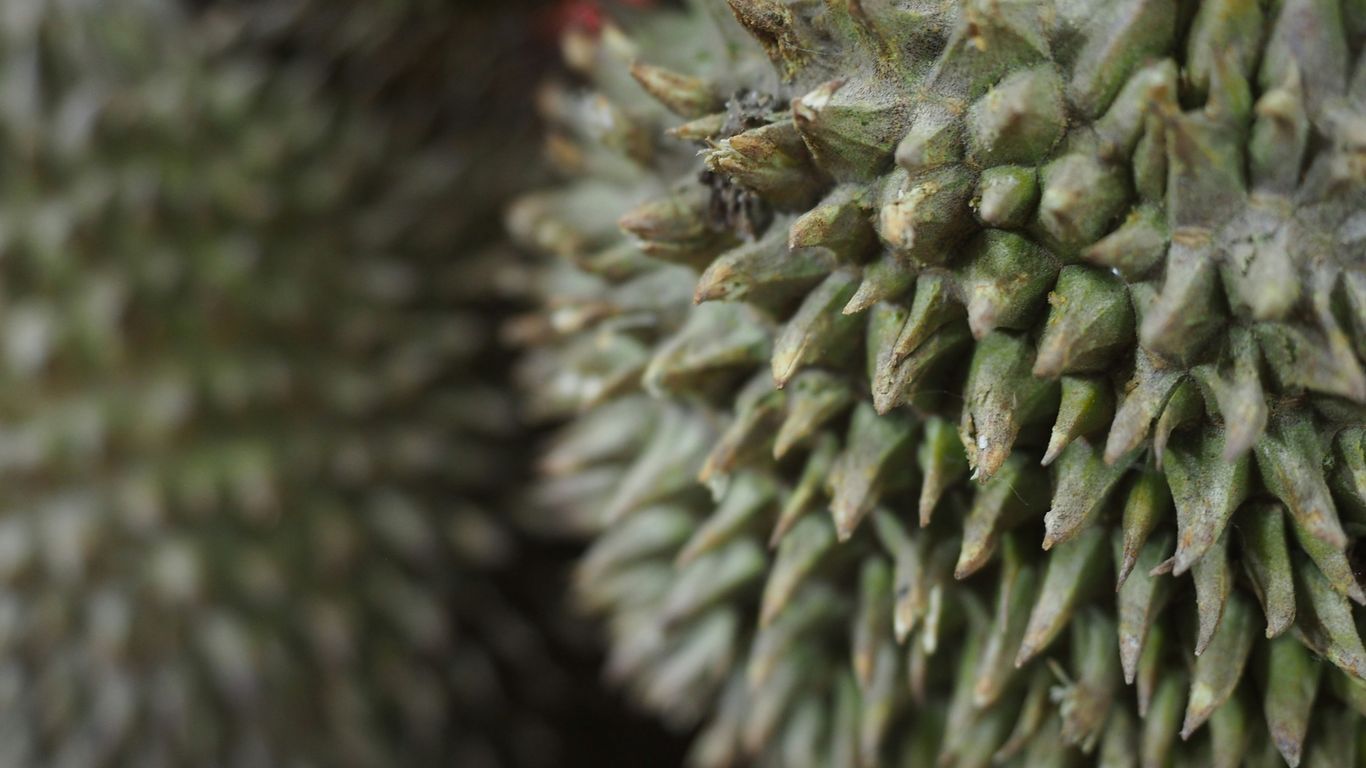
Durian, often affectionately called the ‘King of Fruits’, is a truly unique specimen in the world of produce. It’s not just another tropical fruit; it’s a cultural icon in Southeast Asia, and Singapore is no exception. This spiky, formidable-looking fruit commands a certain respect, and for good reason. Its reputation precedes it, often sparking intense debate and curiosity.
A Divisive Delicacy
Let’s be honest, durian is not for everyone. Its aroma is famously potent, a characteristic that leads to its ban in many public transport systems and hotels across the region. Some describe it as a mix of gym socks and sewage, while others find it alluringly sweet and complex. This strong scent is precisely what makes it such a divisive delicacy. However, for those who fall in love with it, the taste is unparalleled.
Cultural Significance In Southeast Asia
In countries like Malaysia, Thailand, and Indonesia, durian is more than just a fruit; it’s a social event. Durian seasons are eagerly anticipated, bringing communities together to share in the bounty. It’s a fruit deeply woven into the fabric of local life, enjoyed fresh, in desserts, and as a celebrated part of culinary traditions. The availability of durian in Singapore is heavily influenced by its neighbours, with Malaysia being a primary supplier. The main durian season typically runs from June to September, though a smaller season can occur later in the year.
The experience of eating durian is often described as intense, with a flavour profile that’s hard to pin down. It’s a fruit that demands attention, and once you try it, you’re unlikely to forget it. Whether you end up loving it or not, it’s an experience that defines a significant part of Singapore’s food culture.
Navigating The Durian Experience
Alright, so you’ve decided to give durian a go. Good on ya! It’s a bit of a wild ride, and honestly, it’s not always love at first bite. But don’t let the reputation get the better of you before you even start.
Don’t Judge By Smell Alone
This is probably the most important piece of advice. That smell? It’s intense, no doubt about it. Some people say it’s like gym socks, others say it’s like sewage. But here’s the thing: the smell doesn’t always match the taste. Many people find that once they get past the initial aroma, the flavour is surprisingly pleasant, even delicious. It’s a complex thing, this durian. The scent can be quite pungent, but the taste can be sweet, creamy, and rich. It’s a real sensory experience.
Tips For First-Time Triers
If you’re new to this whole durian thing, here are a few pointers to make it less daunting:
- Start Small: Don’t go for a whole fruit on your first try. Get a small portion, maybe just a couple of segments.
- Try It Chilled: Sometimes, serving durian cold can mellow out the strong smell a bit. It also gives it a lovely, refreshing quality.
- Consider Desserts: If the fresh fruit is too much, try durian in dessert form first. Things like durian ice cream, pastries, or cakes can be a gentler introduction to the flavour. Many vendors offer these, and it’s a great way to ease into it.
- Go with a Friend: If you have a mate who already loves durian, bring them along! They can guide you and pick out a good one. Experiencing it with someone who knows what they’re doing can make a big difference.
Serving And Enjoying Durian
When you’re ready to eat it, whether at home or at a stall, there are a few ways to go about it. If you’re serving it at home, it’s a good idea to let your guests know what to expect. You can offer alternatives for those who might not be keen. Presenting it as a deliberate part of a meal, rather than just a casual snack, can help people approach it with the right mindset. It’s often best enjoyed on its own, allowing the unique flavour to shine. Some people like to pair it with sticky rice or coconut milk, which can complement the richness. Remember, it’s an adventure, so be open to what you discover. You might find yourself surprised by how much you enjoy it, or at least appreciate the unique experience. Singapore’s durian season, particularly from June to August, is the prime time to find the best varieties.
The key is to approach durian with an open mind. Don’t let the strong smell put you off before you’ve even had a taste. It’s a fruit that divides opinions, but for those who love it, it’s truly a delicacy worth seeking out. Give it a fair chance, and you might just find yourself converted.
The Unique Aroma And Taste
A Complex Flavor Profile
Durian’s flavour is where things get really interesting. It’s not just one note; it’s a whole symphony. Imagine a rich, creamy custard, but with layers of sweetness, a hint of savoury, and sometimes even a subtle nuttiness, like almond. Some people pick up notes of caramel, while others might detect a faint cheesiness. It’s this intricate mix that makes it so captivating. The taste is often described as a blend of sweet and savoury, a combination rarely found in other fruits. It’s a flavour that lingers, inviting you to take another bite.
The Pungent Yet Alluring Scent
Let’s address the elephant in the room: the smell. Yes, durian has a powerful aroma, often described as pungent, even oniony or like gym socks to the uninitiated. This strong scent comes from a mix of volatile sulfur compounds. However, for those who love it, this smell is part of its charm, a signal of the deliciousness within. It’s a scent that divides people, but for many, it’s an acquired taste that becomes incredibly appealing. It’s a classic example of how smell and taste are so closely linked.
Custard-Like Texture
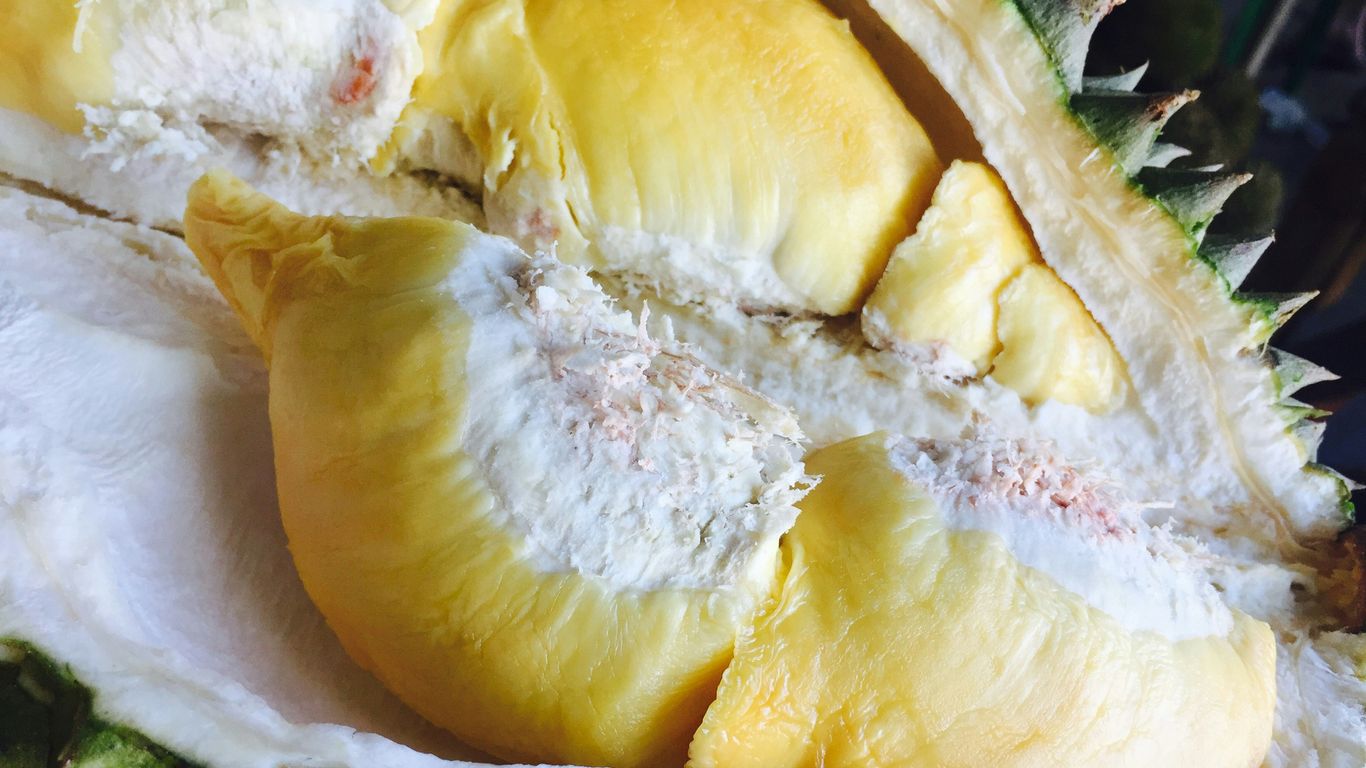
When you finally get to the flesh of the durian, the texture is usually a delightful surprise. It’s incredibly soft, smooth, and creamy, often compared to a thick, rich custard or even butter. It melts in your mouth, providing a luxurious mouthfeel that complements its complex flavour. This custard-like quality is one of the main reasons people fall in love with the fruit, making it feel more like a decadent dessert than just a piece of fruit. It’s this unique combination of aroma, flavour, and texture that makes durian such a memorable experience.
Durian Varieties And Their Differences
Exploring Different Durian Types
Not all durians are created equal, and that’s part of what makes them so fascinating. While they all share that distinctive aroma and creamy texture, the nuances between varieties can be quite significant. Think of it like wine or coffee – there are subtle differences that connoisseurs appreciate. Some are known for their intense sweetness, others for a more complex, bittersweet profile, and still others for a particularly smooth, buttery feel. Understanding these differences can really help you find a durian you’ll genuinely enjoy.
Identifying Taste And Texture Variations
When you’re looking at different durians, you’ll notice a few key things that set them apart. The flesh colour can range from pale yellow to deep orange, often hinting at the flavour intensity. Some varieties, like the popular Musang King, are famous for their rich, almost caramel-like sweetness with a slight bitterness. Others, such as the D24, might be a bit milder and creamier, making them a good starting point for newcomers. Then there are the more obscure types, each with its own unique character. It’s a whole world to explore!
Here’s a quick look at some common types:
- Musang King (MSW): Often considered the king of kings, known for its rich, bittersweet flavour and thick, creamy flesh. It’s a premium choice.
- D24: A widely available and popular variety, offering a good balance of sweetness and creaminess, often with a slightly milder aroma.
- Black Thorn: Recognised by its distinctive ‘thorn’ at the end of the fruit, it boasts a sweet, slightly fruity flavour and a dense, sticky texture.
- Red Prawn: Named for its reddish hue and sometimes the shape of its stem, this variety is typically sweeter with a less intense aroma.
Choosing The Right Durian For You
So, how do you pick the one that’s right for you? If you’re new to durian, starting with a D24 or perhaps a Red Prawn might be a good idea. They tend to be a bit more approachable in terms of flavour intensity. For those who are a bit more adventurous or have already developed a taste for it, the Musang King or Black Thorn are often sought after for their complex profiles. Don’t be afraid to ask the vendors at the stalls; they’re usually quite knowledgeable and can guide you based on what you’re looking for. Many places offer tasting platters, which is a fantastic way to sample different durian types before committing to a whole fruit.
The sheer variety available during durian season means there’s likely a durian out there for almost everyone, even those who are initially put off by its reputation. It’s worth exploring beyond the most famous names to discover hidden gems.
Durian’s Place In Singaporean Cuisine
Beyond The Fresh Fruit
While many people know durian as a standalone fruit, its role in Singaporean food goes way beyond just eating it fresh. It’s a flavour that chefs and home cooks alike have embraced, weaving it into all sorts of dishes. Think of it as a special ingredient that adds a unique twist to familiar foods. It’s not just about the fruit itself, but how its distinctive taste and texture can transform everyday meals into something quite memorable. This adaptability is a big part of why durian is so popular here.
Popular Durian Desserts
When it comes to desserts, durian really shines. It’s a star ingredient in many sweet treats that Singaporeans love. You’ll find everything from creamy durian cakes and pastries to rich durian ice cream and puddings. These desserts often highlight the fruit’s custard-like texture and sweet, complex flavour. Some places even offer durian buffets, especially during the peak season, where you can sample a variety of durian-infused goodies. It’s a fantastic way to experience the fruit in different forms.
Here are some common durian desserts:
- Durian Crepe Cake: Layers of thin crepes filled with durian cream.
- Durian Pengat: A warm, custardy dessert made with durian pulp and coconut milk.
- Durian Mochi: Chewy rice cakes with a durian filling.
- Durian Ice Cream: A rich and creamy frozen treat.
Durian In Local Markets
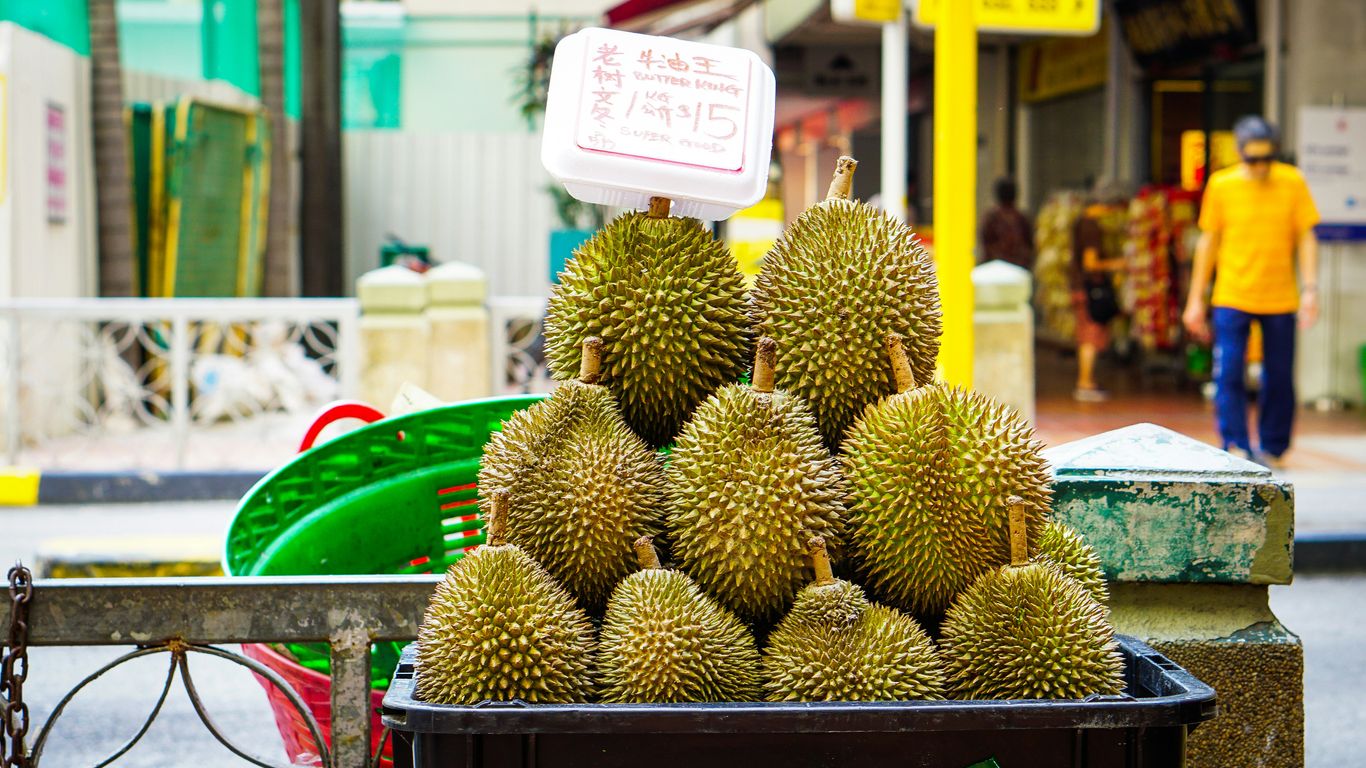
Local markets are the heart of Singapore’s food scene, and during durian season, they become even more vibrant. You’ll see stalls piled high with the spiky fruit, with vendors expertly opening them for eager customers. It’s a lively atmosphere, filled with the unmistakable aroma of durian. Beyond the fresh fruit, markets often sell durian-based snacks and sweets, making them a great spot to explore the fruit’s diverse culinary applications. You can often find unique local dishes here that incorporate durian in surprising ways.
Nutritional Value Of Durian
Rich In Vitamins And Minerals
Durian might have a reputation for its strong smell, but it’s also a bit of a nutritional powerhouse. It’s packed with a good range of vitamins and minerals that are important for keeping your body ticking over. You’ll find decent amounts of Vitamin C, which is great for your immune system, and also some B vitamins like B6 and thiamine. Plus, it’s a source of minerals such as potassium, manganese, and copper. This makes it more than just a tasty treat; it’s a fruit that can contribute to your daily nutrient intake.
Antioxidant Properties
Beyond the basic vitamins and minerals, durian also contains various compounds that act as antioxidants. These are the sorts of things that help protect your body’s cells from damage caused by unstable molecules, often referred to as free radicals. While more research is always ongoing, the presence of these compounds suggests durian could play a role in supporting overall health. It’s interesting to think that something with such a distinctive aroma could also offer these benefits.
Energy Boosting Qualities
If you’re looking for a quick energy lift, durian can certainly provide that. It’s relatively high in carbohydrates and contains some healthy fats, which are both sources of energy. This is why it’s sometimes called a natural energy booster. For people who are active or just need a bit of a pick-me-up, a serving of durian can be quite satisfying. It’s a good idea to be mindful of portion sizes, though, given its energy density. You can find out more about the nutritional profile of durian for a clearer picture.
It’s worth noting that while durian is nutritious, it’s also quite calorie-dense. Enjoying it in moderation is key, especially if you’re watching your intake. Think of it as a treat that also happens to be good for you in several ways.
Durian’s Controversial Reputation
Bans In Public Spaces
It’s not uncommon to see signs in Singaporean hotels, public transport, and even some shopping centres stating “No Durian Allowed”. This isn’t just a suggestion; it’s a strict rule born from the fruit’s potent aroma. The smell, which some find appealing, is overpowering to many others, leading to complaints and a general desire to keep it contained. This ban highlights just how divisive the fruit’s scent can be, creating a unique challenge for durian lovers who want to enjoy their favourite treat on the go.
The Love-Hate Relationship
Durian truly embodies a love-hate relationship for many. You’ll find passionate fans who can’t get enough of its creamy texture and complex flavour, often referring to it as the “King of Fruits”. Then there are those who are repelled by its strong smell, likening it to anything from gym socks to sewage. This stark contrast in opinion is what makes durian so fascinating. It’s a fruit that people rarely feel neutral about; you either adore it or you can’t stand it. This strong reaction is part of its charm, sparking endless debates and conversations.
Overcoming Initial Hesitation
For newcomers, the reputation of durian can be a bit intimidating. The strong smell is often the first hurdle. However, many people discover that the taste is surprisingly different from the aroma. A good tip is to try a small piece first, perhaps one that’s been chilled, as the cold can sometimes mellow the scent. Focusing on the creamy, custard-like texture and the sweet, sometimes slightly bitter, flavour can help change your perception. Don’t let the initial smell put you off entirely; give it a fair go. You might just find yourself appreciating this unique fruit, especially varieties like Musang King which offer a complex taste profile.
Here are some ways to approach your first durian experience:
- Start Small: Try just a single segment rather than a whole fruit.
- Chill It: Serving durian cold can sometimes reduce the intensity of the smell.
- Pair Wisely: Some find that pairing durian with plain water or mild coconut water helps balance the strong flavour.
- Consider Desserts: Durian-flavoured ice cream or pastries can be a gentler introduction to the taste.
Where To Find Durian In Singapore
Finding the perfect durian in Singapore is part of the adventure. While the fruit is available year-round from various sources, there are specific times and places that offer the best experience. The peak durian season in Singapore typically runs from June to August, with the highest availability and best prices often in July and August. This period is influenced by harvests in neighbouring Malaysia and weather conditions. During this time, expect more stalls, a wider variety of fruits, and the freshest, most flavourful durians.
Durian Stalls And Markets
Singapore is dotted with numerous durian stalls, especially during the season. These pop-up stalls and established sellers are the heart of the durian trade. You’ll find them in various neighbourhoods, often clustered together, creating a lively atmosphere. Some of the most popular spots for durian hunters include:
- Ghim Moh Market: A well-known spot for fresh produce, including a good selection of durians.
- Old Airport Road Food Centre: While famous for hawker food, nearby stalls often sell durians.
- Balestier Road: This area is practically synonymous with durian stalls, especially during peak season.
- Woodlands Causeway: Stalls near the border often have a steady supply.
When you’re at a stall, don’t be shy to ask questions. Sellers are usually happy to explain the different types and help you pick a good one. Look for plump fruit with a strong aroma and moist stems; these are often signs of freshness. For those looking for specific varieties, asking about the Musang King durian price is common, though prices can fluctuate.
Seasonal Availability
While you might find durian imported from other regions throughout the year, the local Singapore durian season is a special event. The main harvest season, as mentioned, is from June to August. However, there can be smaller, secondary harvests from December to February. Understanding singapore durian season helps you plan your visit for the freshest fruit. Outside of these peak times, you might still find durians, but they could be more expensive or of a slightly lower quality due to longer transport times.
Experiencing Durian Season
Experiencing durian season in Singapore is more than just buying fruit; it’s a cultural event. Many stalls offer a communal eating experience, where you can sit down and enjoy your freshly opened durian on the spot. This is a great way to try different types and see what the fuss is all about. For those who prefer convenience, many vendors also offer durian delivery singapore services, bringing the king of fruits right to your doorstep. If you’re hunting for the best durian singapore has to offer, timing your visit during the peak season is your best bet. You can find a wide array of options, from the highly sought-after Mao Shan Wang to other popular varieties, making it easier to discover your personal favourite. Many places also offer pre-packaged durian flesh, which is convenient for those who want to avoid the hassle of opening the fruit themselves, and it’s a good way to sample the fruit if you’re unsure. You can find these at various markets and even some supermarkets, making it accessible for everyone where to buy durian sg.
Singapore’s durian scene is vibrant and dynamic. While stalls are plentiful, especially during the season, quality can vary. It’s worth doing a little research or asking locals for recommendations to find those hidden gems that offer consistently good fruit at fair prices. Don’t be afraid to explore different areas; you might just stumble upon your new favourite durian spot.
Culinary Adventures With Durian
Pairing Durian With Other Foods
While durian is often enjoyed on its own, its complex flavour profile can also complement other dishes. Think about how strong cheeses or rich chocolates pair with certain wines; durian can play a similar role. Some people enjoy it with sticky rice, a classic combination that balances the fruit’s intensity with the mild sweetness and chewiness of the rice. Others find that a simple glass of water or coconut water helps to cleanse the palate between bites. For those feeling adventurous, a light, unsweetened tea can also work well, allowing the durian’s nuances to shine without being overpowered.
Popular Durian Desserts
Singaporean cuisine has embraced durian wholeheartedly, transforming it into a delightful array of desserts. Beyond just eating the fresh fruit, you’ll find it in cakes, pastries, ice creams, and more. A common sight is durian mousse, a creamy, rich concoction that captures the essence of the fruit. Durian puffs and tarts are also popular, offering a more portable way to enjoy the flavour. For a truly decadent experience, consider durian mooncakes, especially during the Mid-Autumn Festival, or a durian crepe cake, which layers thin crepes with durian cream. These desserts are a fantastic introduction for anyone curious about durian but hesitant about the fresh fruit’s strong aroma. Many local bakeries and dessert shops offer these treats, making them accessible for everyone to try.
Durian In Local Markets
Visiting a local market during durian season is an experience in itself. You’ll see stalls piled high with the spiky fruit, with vendors expertly opening them for eager customers. It’s here that you can truly appreciate the variety and freshness. Don’t be shy to ask vendors for recommendations; they often have a keen sense of which varieties are at their peak. Trying different types side-by-side can be a fun way to discover your personal favourite. Many markets also offer pre-packaged durian products, like frozen durian pulp or small durian pastries, which are convenient for taking home. It’s a vibrant scene, full of the sights, sounds, and, of course, the unmistakable scent of durian. Experiencing the durian stalls and markets is a quintessential part of Singapore’s food culture.
The Global Appeal Of Durian
Durian’s International Fame
It’s funny how a single fruit can cause such a stir worldwide. Durian, often called the ‘King of Fruits’, has definitely made a name for itself far beyond its native Southeast Asia. You’ll find people talking about it, trying it, and often debating it, from bustling markets in London to trendy cafes in New York. It’s become this sort of exotic badge of honour for adventurous eaters. The global durian fruit market is a good indicator of this, showing significant growth and interest from all corners of the globe.
Reactions From Non-Asian Palates
When people outside of Southeast Asia first encounter durian, the reactions can be pretty varied. Some are immediately put off by the strong smell, describing it in all sorts of ways – from gym socks to sewage. Others, however, are intrigued. They might have heard about its unique taste and decide to give it a go. Often, the first taste is a surprise. That creamy, custard-like texture and complex flavour, which can be sweet, slightly bitter, and even a bit savoury, can win people over. It’s a real acquired taste for many, and the journey to liking it can be quite the story.
A Fruit That Sparks Debate
Durian is a fruit that just doesn’t do lukewarm responses. It’s either loved intensely or disliked strongly, and this division is part of its global charm. You see videos of people trying it for the first time, with reactions ranging from pure delight to utter disgust. This very controversy, however, seems to fuel its popularity. People are curious about what makes this fruit so divisive. It’s not uncommon to hear about durian being banned from public transport and hotels due to its potent aroma, which only adds to its mystique. The fresh durian market itself is projected to expand significantly, showing that despite the debates, demand is strong.
The strong smell is often the first hurdle, but for those who persevere, the reward is a complex and satisfying flavour profile unlike any other fruit. It’s this duality that makes durian so fascinating on a global scale.
The durian, often called the ‘King of Fruits‘, has a unique smell that some people love and others can’t stand. But its creamy texture and sweet, nutty taste have won over fans all around the world. From Southeast Asia to new markets, this spiky fruit is becoming a global favourite. Want to try it for yourself? Visit our website to discover where you can taste the best durian.
The Verdict on Durian
So, that’s the lowdown on durian, Singapore’s famously divisive fruit. Whether you’re a seasoned fan or still on the fence, it’s clear this ‘king of fruits’ is more than just a snack; it’s a cultural icon. Its strong smell might be a barrier for some, but for those who brave it, a creamy, complex flavour awaits. It’s a fruit that sparks conversation and, for many, a deep appreciation. Maybe give it another go, or try it in a different form like ice cream. You might just surprise yourself and find out what all the fuss is about.
Frequently Asked Questions
What exactly is durian?
Durian is a really unique fruit from Southeast Asia, often called the ‘King of Fruits’. It’s famous for its super strong smell, but inside, it’s got this creamy, sweet flesh that lots of people absolutely love. It’s quite a contrast!
Why does durian smell so strong?
The strong smell comes from special chemicals in the fruit. Some people think it smells like gym socks or rotten onions, while others find it sweet and enticing. It’s definitely a smell that gets people talking!
Is durian really banned in some places?
Yep, you heard that right! Because of its powerful smell, durian is banned from many public places like hotels, trains, and buses in places like Singapore and other parts of Asia. It’s not allowed on planes either!
What does durian taste like?
The taste is super complex! Imagine a mix of sweet custard, almonds, and maybe even a hint of cheese. It’s rich, creamy, and can be a bit sweet or even slightly bitter depending on the type of durian.
How should I try durian for the first time?
Don’t let the smell put you off! Try a small piece, maybe chilled, as that can make the smell less intense. Focus on the creamy texture and sweet taste. It’s best to try it fresh, but durian ice cream or pastries are also good ways to start.
Are there different kinds of durian?
Absolutely! There are heaps of different durian varieties, like Musang King, D24, and Red Prawn. Each one has its own special flavour and texture. Some are sweeter, some are more bitter, and some are creamier than others.
Is durian good for you?
Despite its smell, durian is actually packed with good stuff! It’s full of vitamins, minerals, and healthy fats. It’s also a great source of energy, so it can give you a real boost.
Where can I find durian in Singapore?
Singapore is durian heaven! You’ll find loads of durian stalls and street markets, especially during the durian season, which is usually from June to August. Places like Geylang and specific markets are popular spots.