
Key Takeaways
Singapore provides a vibrant and accessible environment for plant-based travellers, with countless options spanning traditional hawker centres to innovative modern cafes.
- Dedicated vegetarian stalls are easily identifiable in most hawker centres.
- Learn to distinguish between lacto-vegetarian, Buddhist vegetarian, and vegan options.
- Little India offers one of the deepest concentrations of traditional meat-free meals.
- Digital tools and community forums are essential for finding real-time updates.
- Communicating your dietary requirements clearly ensures a smoother ordering process.
Understanding the vegetarian landscape in Singapore
The cultural background of vegetarian food in Singapore
Vegetarian traditions are deeply woven into the fabric of daily life here. Many residents embrace plant-based diets for religious, ancestral, or personal health reasons, creating a vibrant vegetarian food scene that is both authentic and deeply rooted in historical practices.
Distinguishing between Buddhist vegetarian and vegan options
When you see signs for vegetarian food, they often cater to different schools of thought. Buddhist vegetarianism frequently excludes garlic, onions, and scallions to adhere to specific monastic principles, whereas most modern vegan options follow broader labels found in international dining.
Navigating cross-contamination in communal kitchen environments
It is common sense to observe how food is prepared at a shared hawker centre. While stalls dedicated to vegetarian cuisine exist, be mindful of utensils and surfaces in large communal areas to ensure your meal meets your personal standards for cross-contamination.
Identifying labels and certification marks at stalls
Look for clear signage or specific color coding used by stall owners. Stall-front indicators usually display certification icons or written descriptions in English and Chinese, making it quite straightforward for visitors to navigate their hawker centre experience effectively.
Must-try hawker dishes for vegetarians
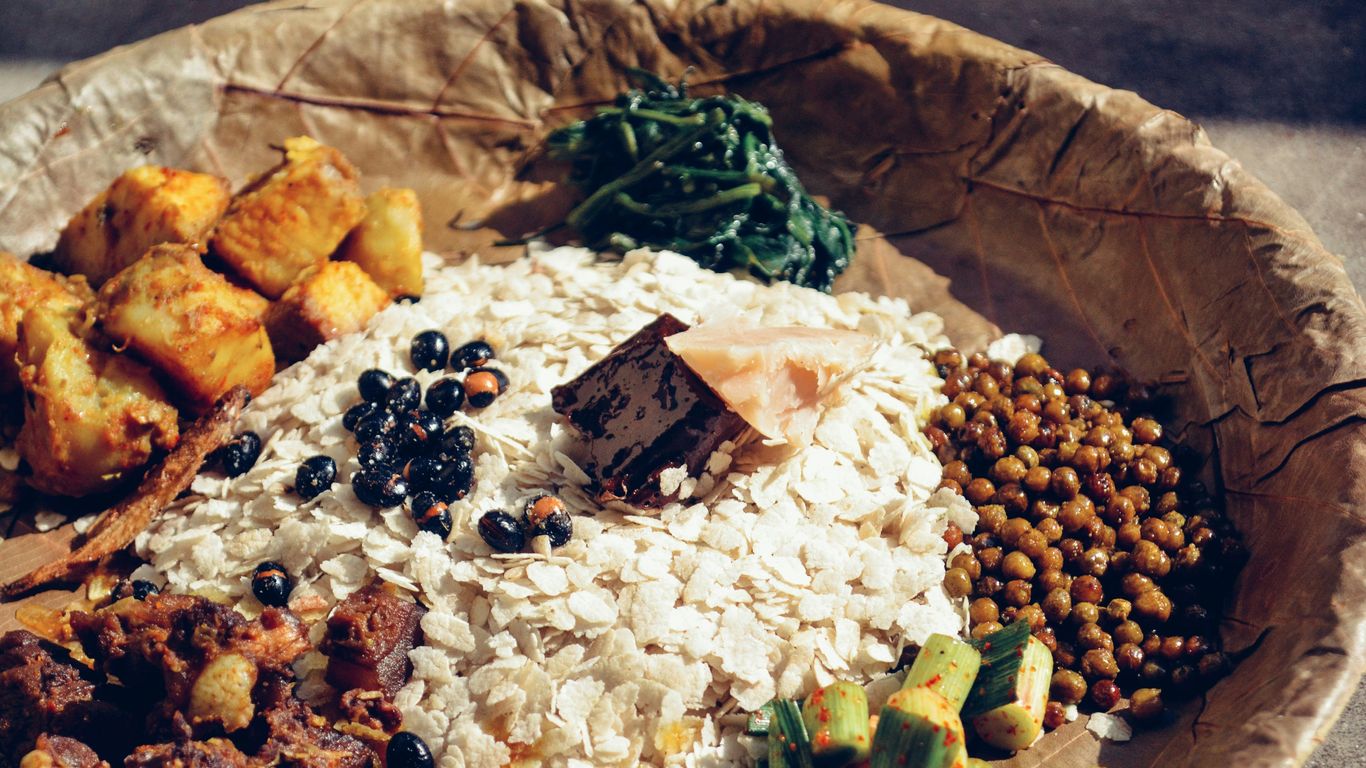
Plant-based renditions of classic noodle soups
Many classic soups found at a UNESCO-recognised culinary hub now feature ingenious plant-based stocks. You can easily find vegan renditions of Laksa and Mee Rebus, which maintain that rich, creamy flavour profile using coconut milk rather than traditional shellfish pastes.
Vegetarian alternatives and substitutes in rice-based staples
Rice staples are the backbone of local meals, and you will find incredible mock-chicken rice that rivals the original. The texture achieved by soy-based proteins provides a satisfying experience for both locals and hungry travellers from Australia.
Famous deep-fried snacks and traditional kueh
The following table highlights popular snacks you should sample while wandering through local hawker centres:
| Snack Name | Primary Ingredients | Flavour Profile |
|---|---|---|
| Vegetable Spring Rolls | Cabbage, Carrots, Mushroom | Savoury & Crispy |
| Fried Tofu Cubes | Firm Tofu, Chili Paste | Salty & Spicy |
| Sweet Potato Cakes | Sweet Potato, Flour, Coconut | Sugary & Soft |
Essential condiments and sauces that are plant-based
Enhancing your dish is part of the fun, and most local sauces like dark soy, ginger paste, and chili sambal use plant-based ingredients exclusively. It is a good idea to always keep an eye out for hidden shrimp paste in some sambals, though most stall operators are happy to assist when you master the local culinary scene.
Top neighbourhoods for vegetarian food exploration
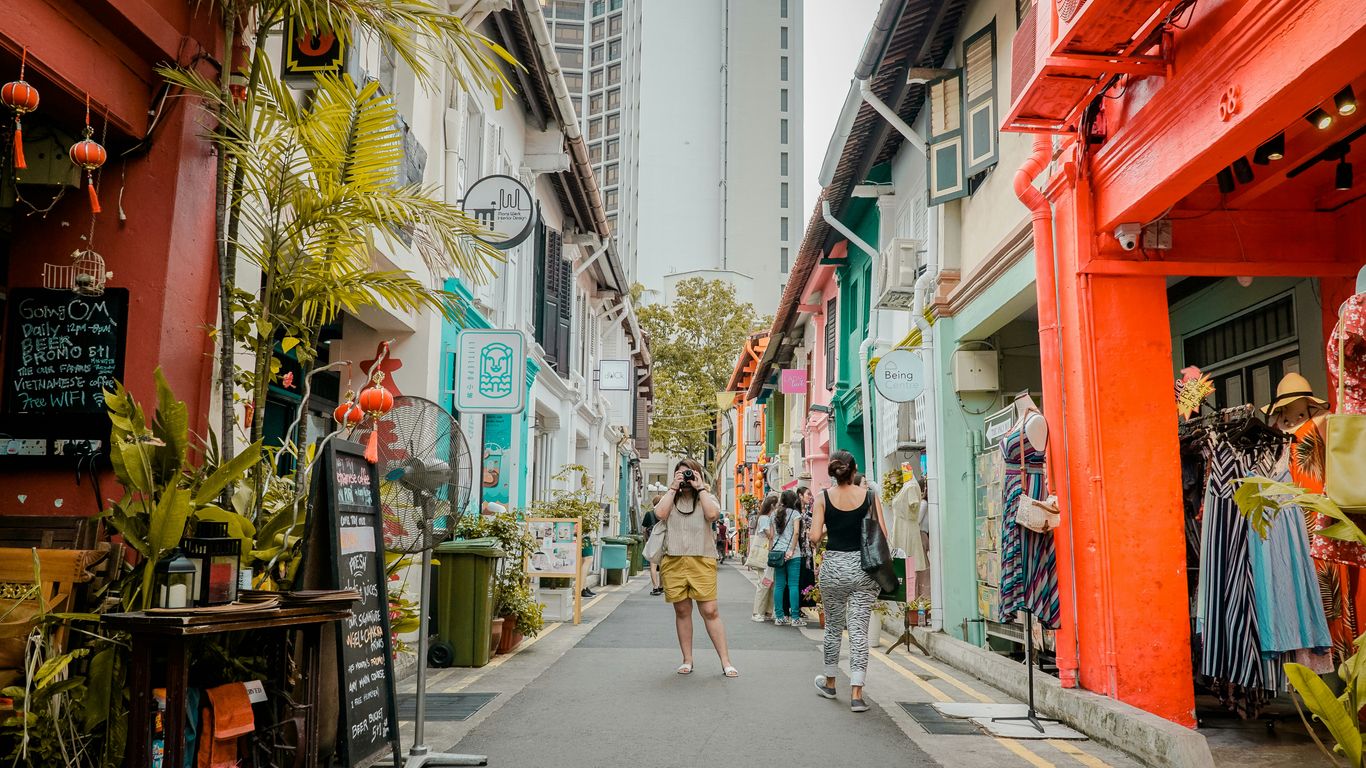
Little India and the depth of authentic vegetarian heritage
This district serves as the spiritual home for meat-free cuisine on the island. You will find incredible options that showcase authentic Indian flavours through dishes like dosa, idli, and hearty vegetable curries that have been refined over generations.
The dense variety of plant-based stalls in Geylang
If you prefer a local atmosphere, Geylang offers a fantastic cluster of street-food style vegetarian eateries. It is a great place to witness the diversity and pace of life in a city where finding delicious options is a daily discovery.
Modern meat-free innovations in the Tanjong Pagar district
Tanjong Pagar brings a sophisticated twist to the scene, hosting high-end plant-forward cafes and modern fusion eateries. This area proves that Singapore’s diverse culinary landscape is constantly evolving to suit contemporary tastes.
Community-led food hubs in the heartlands
Heartland malls often house hidden gems where local families gather to eat throughout the week. These spots demonstrate the accessibility of plant-based choices beyond the tourist circuit, highlighting everyday life in vibrant culinary hubs where community is everything.
Navigating hawker centres as a plant-based traveller

Tips for communicating dietary requirements effectively
Being proactive with your request is vital when ordering. Phrases like "no fish sauce, no shrimp paste" are usually well-understood, as many stall owners are highly experienced in navigating dietary needs for various customers.
Leveraging digital tools and community forums for real-time tips
Using online guides and real-time community forums provides the most accurate information on current stall operating hours or specials. These resources act as a local foodie itinerary that helps you map out your meals with confidence.
Managing expectations for stall hours and peak periods
Peak periods can be fast-paced and overwhelming for newcomers. To truly savor the experience without the stress, try visiting slightly outside the standard lunch or dinner rushes, which is a common recommendation for travellers looking for a more relaxed dining experience.
Balancing affordability and variety within a single food court
One of the best advantages of these centres is the ability to sample multiple items at very low prices. Our culinary adventure tips encourage you to spread your budget across several smaller dishes so you can experience a wider array of flavours in a single sitting.
Essential tips for dining out in Singapore
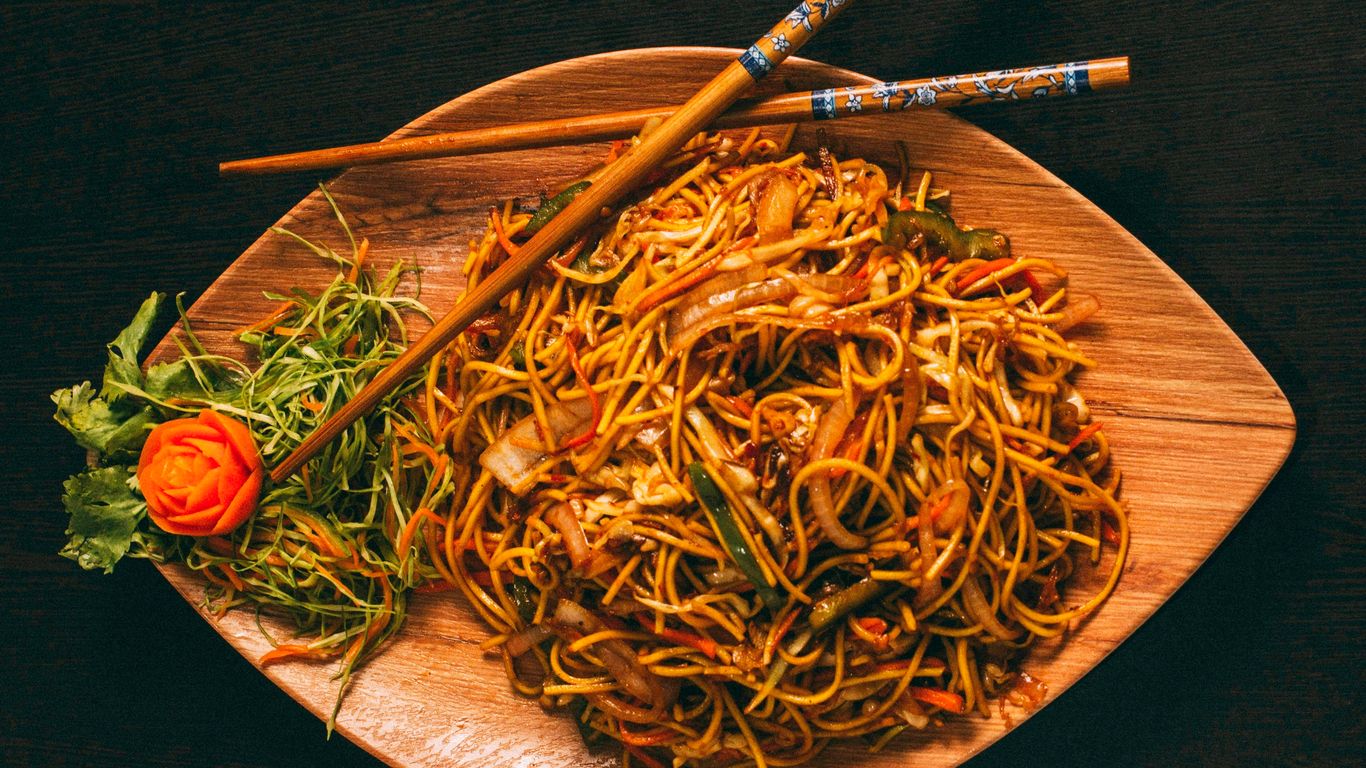
Exploring the spectrum of vegetarian food in Singapore beyond hawker centres
Sometimes, it is worth looking at restaurants outside the hawker environment for a more curated meal. Many establishments now focus on conscious dining, providing innovative plant-based meals that incorporate local ingredients in surprisingly elevated ways.
Understanding local hawker etiquette and tray return systems
Respecting the effort of those who clear tables is standard practice. Returning your tray to the designated stations keeps these spaces clean, which is part of the safety and hygiene culture we all benefit from.
Incorporating seasonal fruits and cooling beverages into meals
Singapore is hot, and your meal is incomplete without a refreshing drink. You might consider trying fresh coconut water or local herbal teas, which are often listed as essential regional staples to help you stay hydrated after enjoying a spicy curry.
Practical advice for finding late-night vegetarian options
When hunger hits after dark, don’t worry about being stuck with fast food. There are several 24-hour supper spots that provide satisfying vegetarian prata or comforting noodle bowls precisely when you need them most.
Practical advice for travel planning
Budgeting for diverse plant-based dining experiences
Planning your budget should account for everything from cheap hawker meals to the occasional splurge on a higher-end vegan cafe. You might reach a point where you need to check if real estate values or dining costs have impacted your itinerary, so keep a balance between high-end culinary tourism and modest market exploration.
Staying in accessible areas with high concentrations of vegetable-forward eateries
Choosing accommodation in areas like Little India or near major transit hubs will save you hours of travel. The ease of access to markets is as impactful as economic festival impacts are to a local region’s tourism profile, ensuring you are never far from your next meal.
Planning trips around vegetarian-friendly food markets
Markets aren’t just for cooking; they are for exploration. Many offer ready-to-eat items that make for a perfect, quick morning meal while you admire the fresh local produce, serving as excellent modern innovations.
Coordinating food exploration with public transport routes
Singapore has an incredible public transport system. You can list the stations near your food goals to ensure you travel efficiently, keeping your energy for walking and eating rather than navigating complex traffic patterns.
Conclusion
Exploring Singapore through a vegetarian lens is a deeply rewarding experience that bridges the gap between traditional heritage and modern innovation. Whether you are savouring a bowl of laksa in a bustling public centre or discovering a new-age cafe in the city, the journey offers a profound connection to the local people and their stories.
Frequently Asked Questions
Is it difficult to find vegetarian food in Singapore?
It is remarkably easy to find vegetarian and vegan meals throughout the city, thanks to a deeply embedded cultural appreciation for meat-free ingredients.
Do I need to book tables at hawker centres?
No, hawker centres work on a self-service basis, and seating is essentially ‘first come, first served’ for everyone.
Are the labels for vegetarian food reliable?
Yes, most established stalls clearly mark their dishes, especially in areas with a high density of vegetarian diners.
Can I find vegan options at local fine dining restaurants?
Absolutely, many high-end restaurants now offer thoughtful plant-based menus that cater to diverse dietary requirements.
Is there a specific time when food stalls close?
Stalls often follow their own hours, but lunch and dinner are the primary service times, with some staying open late into the night.
Should I check for eggs in my noodles?
It is common practice to confirm with the vendor, as some noodles or dishes may occasionally use eggs unless explicitly stated otherwise.
Is it safe to drink water at these dining locations?
Yes, tap water in Singapore is safe for consumption, and most hawker centres also offer bottled or fresh beverage alternatives.