
Key Takeaways
Exploring the vibrant culinary landscape of the city offers a window into its multicultural soul through unique dining spaces. Understanding these local spots helps you navigate the options with ease.
- Hawker centres are the heart of local food heritage, offering a diverse range of affordable traditional dishes.
- Wet markets remain essential for sourcing fresh, local ingredients directly from traders and community sellers.
- Modern food courts provide air-conditioned comfort with a mix of international and local hawker favorites.
- Mastering local dining etiquette, such as using tissue packets to reserve seats, improves your overall experience.
- High hygiene standards are maintained across all public dining areas, often signaled by official government health grades.
The hawker centre culture
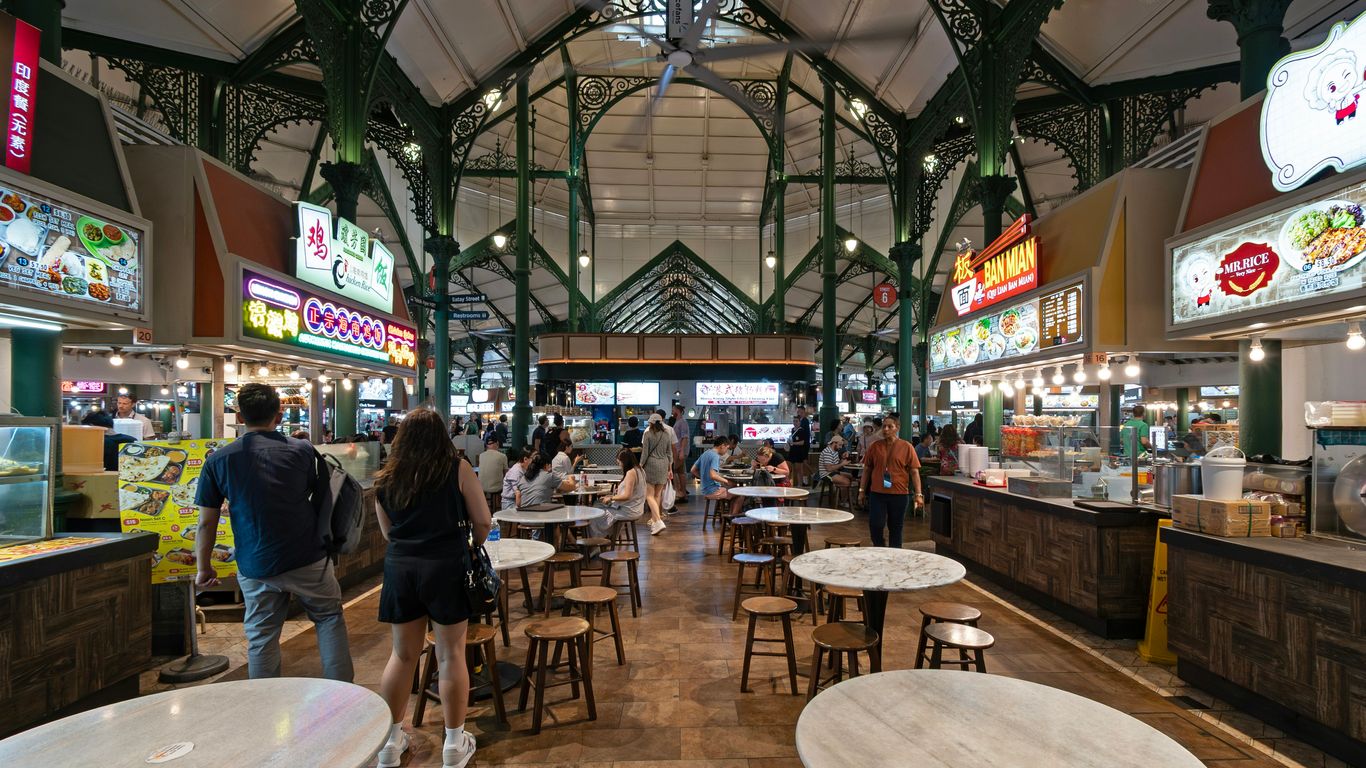
Evolution of hawker centres from street food
The narrative of food in this region began with itinerant peddlers moving through early streets, eventually gathering in organized hubs to improve public sanitation. Over the decades, these locations transformed from simple roadside setups into the Taste of Singapore approved icons that define the city’s identity today. This evolution reflects the resilience of early generations and their commitment to shared meals.
Cultural significance and heritage status
These centres serve as the social glue for a densely populated urban environment, bridging gaps between diverse communities through the universal language of flavor. The vibrant heritage of the local food scene is celebrated globally, as these spaces preserve recipes that have been passed down for generations. It is here that you find the authentic character of the city, undisturbed by the rush of modern life.
Ordering systems and communal seating logistics
Navigating these spaces involves a blend of self-service and traditional ordering. You typically head directly to the stall to place your order, often accompanied by a buzz of activity as stall owners prepare local specialties. Managing your table involves the local practice of reserving a space while you queue for your meal.
Understanding Singapore wet markets
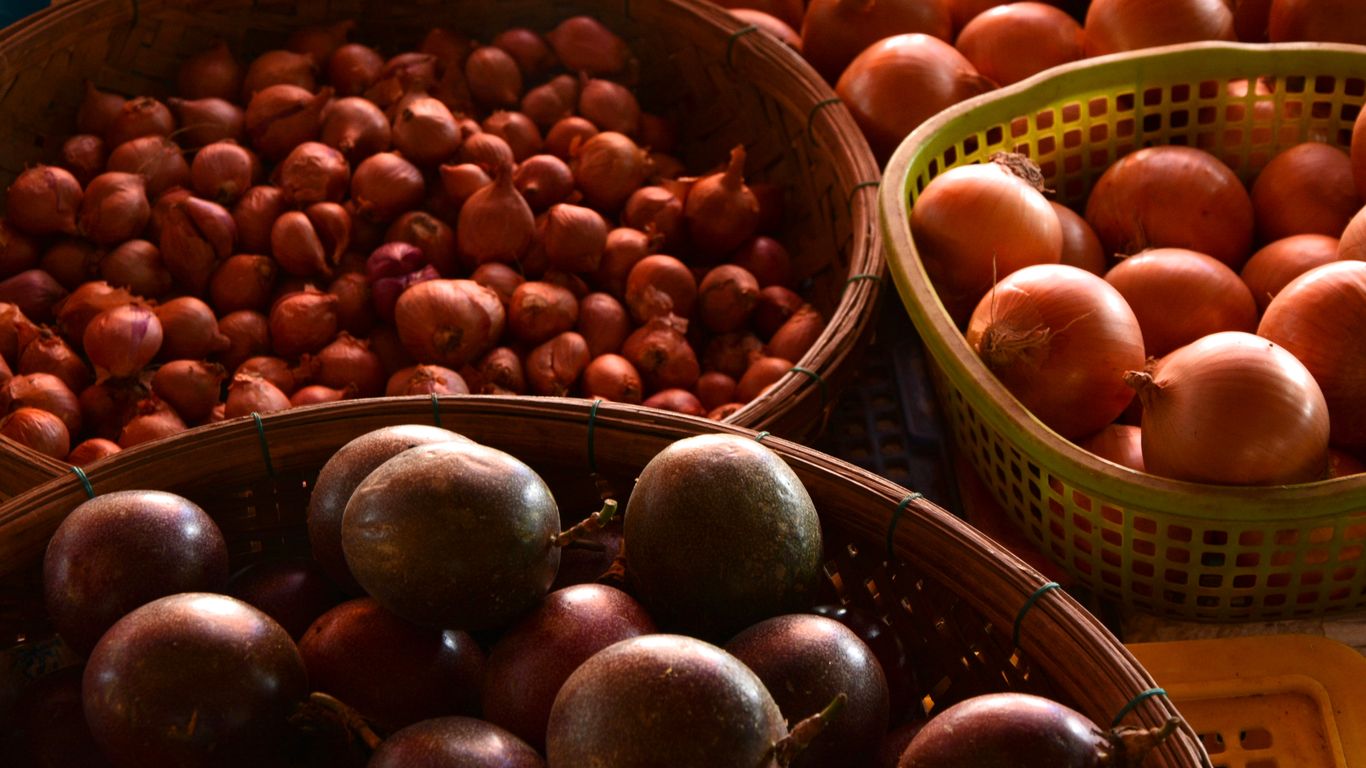
Categories of goods at traditional markets
Walking through a vibrant wet market reveals a dizzying array of daily necessities, from locally sourced seafood to specialty spices for traditional cooking. These markets are segmented into sections, ensuring you can quickly find butchers, fishmongers, and dry goods purveyors without a lengthy search. The variety here far exceeds what you can find in standard supermarkets.
Best times for shopping for fresh produce
To capture the best of what the day has to offer, most locals arrive as early as dawn, when the freshest deliveries arrive from regional farms. By late morning, the vibrancy begins to taper off, as many vendors clear their stalls for the afternoon cleaning.
Role of community and heritage in wet markets
These hubs provide a physical link to the past, where neighborly bonds are formed over the exchange of ingredients and cooking tips. Shopping here is less about a transaction and more about participating in a heritage of culinary preservation. It is where you hear stories of the origin of specific ingredients directly from the hands that source them.
Modern food halls and food courts
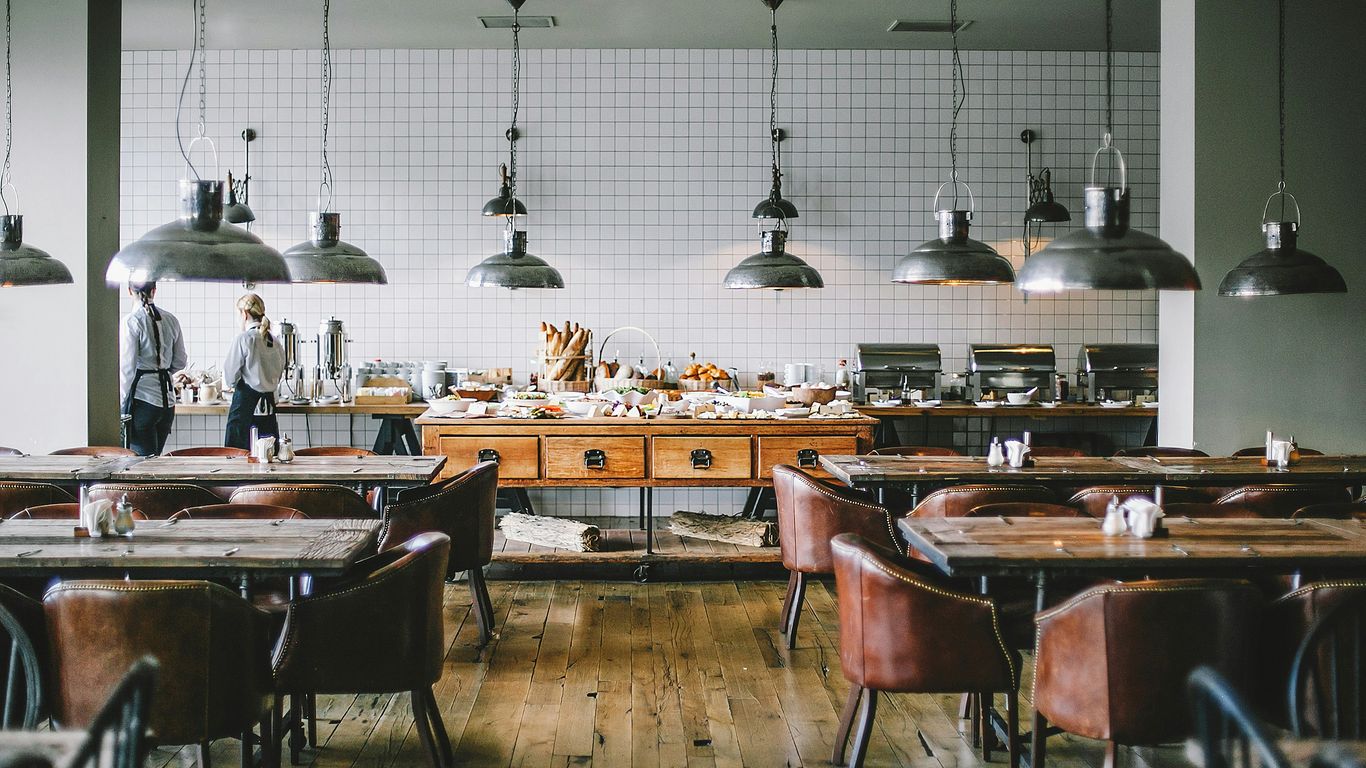
Air-conditioned environments vs open-air dining
While hawker centres thrive in the breezy open air, modern food halls offer a climate-controlled sanctuary that appeals to those seeking a respite from the equatorial heat. This shift to indoor dining often changes the pace of the meal, favoring a slightly more formal atmosphere than the traditional bustling stalls. Despite the walls and air conditioning, many halls maintain a diverse mix of classic vendors.
Technology integration and digital ordering
Technology is slowly redefining the pace of service in newer food halls, where digital kiosks and app-based ordering have replaced traditional manual lines. This integration allows for a more seamless experience during the busy lunch hour, managing flows of office workers efficiently. It keeps the Singapore food market scene accessible while catering to the modern need for speed.
Selection of local and international cuisines
Many food halls act as a culinary bridge, curating stalls that feature everything from traditional local favorites to international fusion dishes. This curation allows diners to explore global options without sacrificing the casual accessibility of an authentic foodie experience. You will frequently find high-quality versions of local classics sitting side-by-side with global fast-casual concepts, satisfying all kinds of hunger.
Navigating etiquette and logistics in Singapore food markets

The custom of ‘chope-ing’ seats
A uniquely local phenomenon is the custom of choping, where diners place a packet of tissues or a small personal item on an empty seat to reserve it. This serves as a visible sign of occupancy while the diner heads off to the stall to order. It is respected by locals as a fair and practical system for ensuring everyone can find a spot to eat.
Tray return policies and cleanliness initiatives
Maintaining the immaculate state of dining spaces is a communal effort, supported heavily by the recent mandate to return trays. This initiative helps improve cleanliness and reduces pests, making the dining experience more pleasant for all patrons. The effort is simple, involving either leaving your tray at a designated return point or using the automated belts found in modern halls.
Mastering digital payment systems at stalls
Most stalls in the city have shifted toward a digital-first approach, prioritizing contactless payment methods to speed up transactions. You will almost always find a QR code displayed prominently at the stall front to facilitate easy checkout. This transition means that carrying large amounts of cash is now rarely necessary for a quick trip to the food corner.
Comparing price points and dining value
Budget-friendly options in hawker centres
In these communal settings, you can expect to find a wide selection of meals that are both high in flavor and accessible to everyone. The table below illustrates the typical daily cost variance for a simple lunch, though individual stalls will differ significantly based on their popularity.
| Meal Type | Average Price (SGD) | Serving Size |
|---|---|---|
| Hawker Stall | 4.00 – 6.00 | Generous |
| Food Court | 6.00 – 9.00 | Standard |
| Restaurant | 12.00 – 20.00 | Plated |
Cost considerations in modern food halls
Value in modern food halls is defined by the balance between convenience and price, as you are often paying a premium for the comfort of air conditioning. Despite this, the variety remains a highlight, often grouping diverse cuisines in one place where you can easily find a deal.
Bulk shopping advantages at wet markets
Shopping for ingredients is a strategy for long-term savings, as direct relationships with farmers often result in better weight-to-price ratios than retail stores. Consider these advantages when stocking your kitchen:
- You can source exact portions for specific recipes.
- Local fish and produce are sold at market-adjusted rates.
- Building rapport often leads to unexpected produce extras.
By focusing on these bulk advantages, you can maintain a high-quality home pantry at a fraction of the cost of premium grocery retailers.
Hygiene standards and food safety
Interpreting SFA hygiene grade signage
Official health transparency is a hallmark of the dining scene here, with every stall required to display a safety and hygiene grade ranging from A to D. These grades reflect rigorous government oversight and consistent checkups, ensuring that your meal meets strict safety benchmarks. When you see an ‘A’ grade, you can dine with total confidence in the cleanliness of the operation.
Identifying high-traffic stalls for optimal freshness
Stalls with a constant, visible queue of local diners are often the best bet for finding the freshest food, as the rapid turnover keeps ingredients moving constantly.
Choosing a busy spot is arguably the most reliable indicator of ingredient rotation, ensuring that perishables are replaced multiple times a day. If you find a stall with a consistent stream of patrons, you are likely tasting something prepared in the last few minutes.
Handling dietary preferences and halal certifications
Navigating your way around dietary restrictions is straightforward when you look for standardized certification badges displayed in plain view by vendors. For those needing to navigate dietary needs, many stalls offer clear indicators, making it easier to identify options that fit your requirements without stress. The community is generally well-versed in requests and can easily accommodate questions when business is quiet.
Conclusion
Whether you are wandering the narrow aisles of an old-school market or sitting in an air-conditioned food hall, the city’s food culture offers a profound connection to its multicultural history. Taking the time to explore these spaces with a curious spirit, perhaps through a guided culinary adventure, allows you to truly taste the local soul that defines this dynamic city.
Frequently Asked Questions
What does it mean to chope a seat?
Choping is the local informal practice of using a small object like a tissue packet to claim a seat at a food table while you go to place an order, signifying that the space is occupied.
Do I need to carry cash for food stalls?
While some older stalls might still prefer cash, the vast majority of food stalls have adopted digital payment systems, allowing you to pay easily with your smartphone or a contactless card.
How often are food stalls inspected for hygiene?
Rigorously supervised by official bodies, stalls are subject to periodic inspections and are mandated to display their current hygiene grade clearly, helping consumers make informed choices about where to eat.
What is the advantage of visiting a wet market?
Wet markets provide a direct link to fresh, local produce and unique ingredients at competitive prices, offering a more immersive experience than standard supermarkets could ever replicate.
Are there vegetarian options in hawker centres?
Yes, most locations feature dedicated vegetarian stalls, and many other vendors can easily adjust dishes to omit meat or fish products upon request.
Why are some stalls busier than others?
Popularity is usually driven by either long-standing reputation or the high quality of a specific dish, with busier stalls often serving fresher food due to the high volume of daily turnover.
How can I make the most of my food market visit?
Try visiting during off-peak hours to avoid the intense lunch crowds, and be open to taking recommendations from your local hosts to help you discover hidden gems hidden away from the main aisles.