Heading to Singapore’s famous hawker centres is a must-do, but if you’ve got specific dietary needs or food allergies, it can feel a bit daunting. Don’t sweat it though, because with a little know-how, you can still dive into all the amazing flavours. This guide is all about helping you figure out the dietary requirements in Singapore hawker food, so you can eat with confidence and enjoy the experience.
Key Takeaways
- When looking for vegetarian or vegan food, check out mixed rice stalls or Indian food stalls. Chinese vegetarian places often use mock meats.
- For allergies, be super clear when you order. Say what you’re allergic to and ask if they can make it without. Most stallholders will try to help, but remember cross-contamination is a possibility.
- Peanuts are in a lot of popular dishes like satay sauce and rojak, so be extra careful if you have a peanut allergy.
- Finding gluten-free food can be tough because soy sauce, a common ingredient, usually contains wheat. Stick to plain rice dishes where possible.
- Don’t be afraid to chat with stall owners, especially when it’s quiet. They’re usually happy to share info about their food and might even point you to other great stalls.
Understanding Dietary Requirements In Singapore Hawker Food
Identifying Vegetarian And Vegan Choices
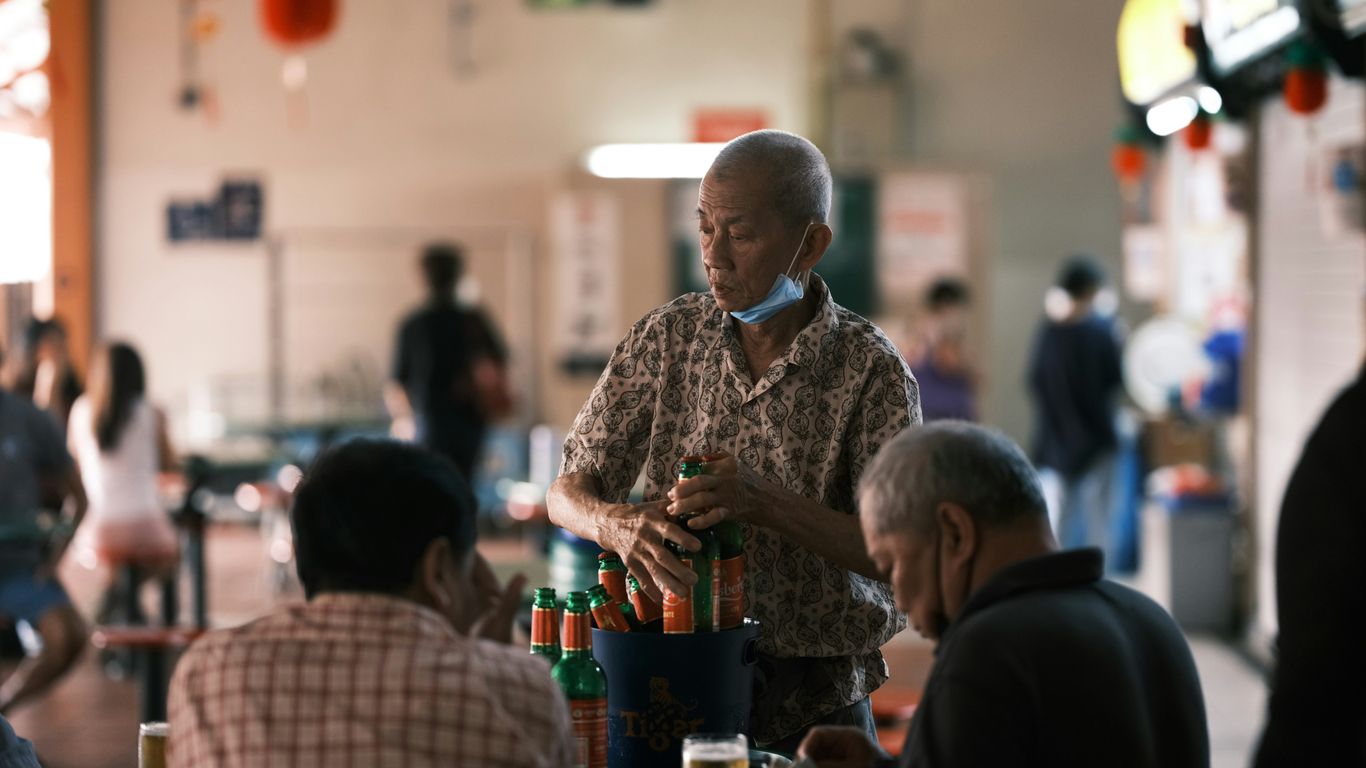
Finding plant-based meals at hawker centres is definitely doable, though it might take a little looking. Many stalls offer dishes that are naturally vegetarian or can be made so. Indian food stalls are a good bet, with options like vegetable curries, thosai, and roti prata. Some Chinese mixed rice stalls also have a good selection of vegetable dishes, and you can often choose what goes on your plate. Keep an eye out for dedicated vegetarian stalls too; they often use mock meats to recreate familiar dishes. Always ask if you’re unsure about ingredients, especially if you’re aiming for vegan.
Navigating Halal Food Options
For those seeking Halal food, Singapore’s hawker centres have plenty of choices. Many stalls, particularly those run by Malay or Indian Muslim vendors, are Halal. You’ll often see a green certification sticker from MUIS (Majlis Ugama Islam Singapura) displayed, which is the official Halal certification. If you don’t see a sticker, it’s always best to politely ask the stallholder. It’s a common question, and they’re usually happy to confirm. Exploring places like Tiong Bahru Market or Tekka Centre can give you a good start for Halal options.
Communicating Allergy Needs To Stallholders
Communicating your allergy needs clearly is super important. Most hawkers are used to people having dietary restrictions and are willing to help if they can. It’s a good idea to learn a few key phrases or have a translation card ready, especially for more complex allergies. When you order, state your allergy upfront. For example, "I’m allergic to peanuts, can you please make sure there are no peanuts in this dish?" Be aware that while they might try to avoid the allergen, cross-contamination can still be a risk in busy kitchens where many different ingredients are prepared. Singaporean hawker food is safe to eat due to high hygiene standards, but personal vigilance is still key.
While hawker centres are generally very safe and hygienic, it’s always wise to be prepared. Understanding the basics of what’s in common dishes and how to communicate your needs can make your dining experience much more relaxed and enjoyable. Don’t be shy about asking questions; the stallholders are usually very helpful.
Managing Common Food Allergies At Hawker Centres
Hawker centres are fantastic places to try local food, but if you’ve got allergies, it can feel a bit tricky. Many dishes share cooking surfaces or utensils, so cross-contamination is a real thing to watch out for. It’s always best to be upfront about your allergies when ordering.
Challenges With Peanut-Based Dishes
Peanuts pop up in a surprising number of Singaporean dishes. Think satay sauce, rojak, and even some noodle broths. If peanuts are a problem for you, you’ll need to be extra vigilant.
- Satay: Often served with a rich peanut sauce. Ask if the sauce can be served on the side, or if a peanut-free alternative is available.
- Rojak: This fruit and vegetable salad can be tossed in a peanut dressing. Some stalls might offer a version without peanuts if you ask.
- Laksa: While not always peanut-based, some versions of this popular noodle soup can contain peanut paste for added flavour.
Recognising Hidden Gluten Sources
Gluten, found in wheat, is another ingredient that can hide in plain sight. Soy sauce is a common culprit, as it’s used in marinades, stir-fries, and dipping sauces.
- Soy Sauce: Always ask if the soy sauce used contains wheat. Many hawkers use standard soy sauce, which isn’t gluten-free.
- Noodle Preparations: Even if the noodles themselves are rice-based, they might be tossed with sauces containing gluten.
- Fried Foods: Batter used for fried items can sometimes contain wheat flour.
Strategies For Shellfish And Seafood Allergies
Shellfish and seafood are popular in Singapore, so managing allergies here requires careful communication.
Be aware that even if you order a non-seafood dish, if it’s cooked on the same grill or in the same wok as seafood, there’s a risk of cross-contamination. It’s worth asking about the cooking methods.
Here are some tips:
- Direct Communication: Clearly state your allergy. For example, "I am allergic to shellfish. Can you please ensure no shrimp paste or prawns are used in my dish?"
- Ingredient Checks: Ask about specific ingredients, especially in sauces and broths. Things like shrimp paste (belacan) are common flavour enhancers.
- Separate Cooking: If possible, ask if your food can be cooked in a clean wok or on a separate part of the grill. This might be more feasible during quieter periods.
Remember, most stallholders want to serve you safely. A polite and clear explanation of your needs goes a long way. For more information on food safety ratings, you can check out the Safety Assurance For Food Establishments (SAFE) framework.
Practical Strategies For Allergy And Dietary Needs
Eating out at hawker centres with specific dietary needs or allergies can feel a bit daunting at first, but with a few smart approaches, you can enjoy the experience safely. It’s all about being prepared and knowing how to get the information you need.
Asking The Right Questions At Stalls
Don’t be shy about asking stallholders questions. Most are happy to help if you approach them politely, especially during quieter times. Start with a simple greeting and then state your requirement clearly. For example, you could say, "Excuse me, I have an allergy to peanuts. Does this dish contain peanuts or peanut oil?" or "I’m trying to avoid gluten. Is there soy sauce used in this preparation?"
Here are some key questions to consider:
- Does this dish contain [specific allergen]?
- Is [specific allergen] used in the cooking oil or as a garnish?
- Can this dish be prepared without [specific ingredient]?
- Are there separate utensils or cooking surfaces used for dishes with [specific allergen]?
Remember, stallholders are busy, so try to ask your questions when they aren’t swamped with orders. This gives them more time to give you a proper answer. For those with more complex needs, carrying a multilingual allergy card can be a lifesaver.
Understanding Cross-Contamination Risks
This is a big one, especially for severe allergies. Cross-contamination happens when allergens are transferred from one food to another, even if the allergen itself isn’t in the final dish. In a busy hawker centre, with shared utensils, chopping boards, and cooking surfaces, this risk is always present.
- Shared Utensils: A spoon used to stir a peanut sauce might then be used for a different dish.
- Cooking Surfaces: Frying oil might be used for multiple items, including those containing common allergens.
- Garnishes: Sprinkling peanuts or other allergens over a dish after it’s cooked is a common practice.
Be aware that even if a dish doesn’t list an allergen as an ingredient, it might still be present due to these practices. If cross-contamination is a serious concern for you, it might be best to stick to stalls that can clearly demonstrate separate preparation methods or focus on dishes that are inherently free from your allergen.
Hawker centres are vibrant places with many different stalls operating in close proximity. While this makes for an exciting culinary adventure, it also means that allergens can easily transfer between food preparations if care isn’t taken. Always consider the environment and the potential for indirect contact with your trigger foods.
Utilising Translation Cards For Complex Needs
If you’re not fluent in the local languages or if your allergies are particularly complex, a translation card can be incredibly helpful. These cards clearly state your allergies and dietary restrictions in multiple languages, making it easier for stallholders to understand exactly what you need. You can often find pre-made cards online or create your own. Having this visual aid can reduce misunderstandings and ensure your needs are met accurately. Many expats find these helpful when first getting used to the hawker centre scene.
Making The Most Of Your Hawker Experience
Exploring Different Hawker Centre Specialities
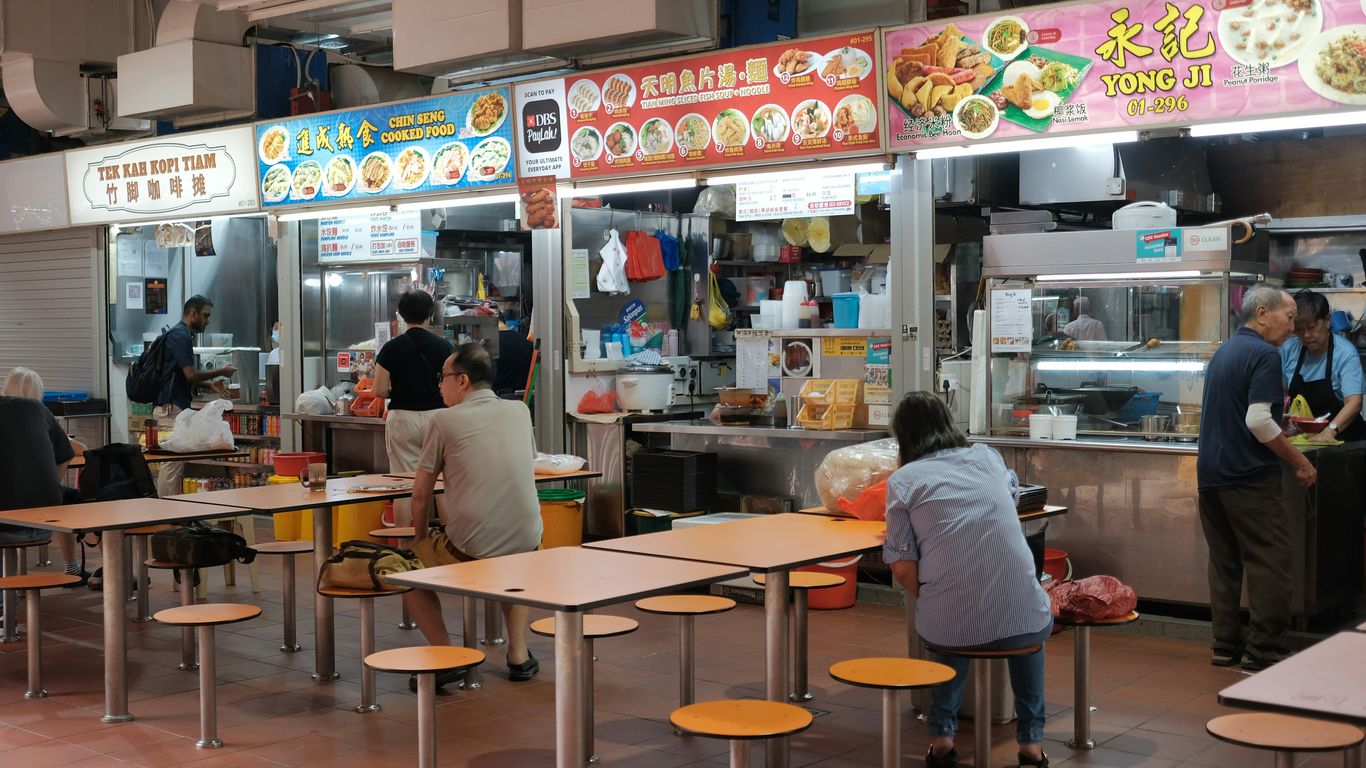
Singapore’s hawker centres aren’t all the same, and that’s part of their charm. Each one tends to have its own vibe and specialities. For instance, Tekka Centre in Little India is a fantastic spot if you’re keen on Indian cuisine, with loads of vegetarian options and fragrant curries. Over in the East Coast, the East Coast Lagoon Food Village is famous for its seafood. Chinatown Complex Food Centre is a treasure trove for regional Chinese dishes. Don’t be afraid to venture beyond the most famous ones; often, the best finds are in the neighbourhood centres. Exploring different centres means you get a broader taste of what Singapore has to offer. It’s a good idea to do a bit of research beforehand or just wander and see what catches your eye. A guided tour can also be a great way to uncover hidden gems and learn about the history behind the dishes you’re trying [ea0f].
Timing Your Visit For A Smoother Experience
When you visit a hawker centre can make a big difference, especially if you’re managing dietary needs or allergies. Trying to order and communicate when the place is absolutely packed can be stressful. The lunch rush, usually between 11:30 am and 1:30 pm on weekdays, is when things get hectic. If you can, aim for off-peak hours. Visiting mid-morning (say, 10:30 am) or later in the afternoon (around 3 pm) means fewer crowds. This gives you more time to look at the stalls, chat with the vendors without feeling rushed, and properly check ingredients or ask about preparation methods. It also means you’re more likely to snag a seat without a long wait.
Engaging With Stall Owners For Information
Stall owners are usually the best source of information about their food. If you visit during a quieter period, don’t hesitate to strike up a conversation. Most are proud of their cooking and happy to share details. You can ask about specific ingredients, how a dish is prepared, or what makes their speciality unique. For those with allergies, this direct communication is invaluable. You can explain your needs clearly and get a direct answer about whether they can accommodate you. Remember, they deal with all sorts of requests, and many are very accommodating if they can be. It’s also a great way to learn more about the culture and the food itself.
Hawker centres are more than just places to eat; they’re vibrant community hubs. Taking the time to understand the rhythm of the centre, the specialities of different stalls, and engaging with the people who cook the food can transform your experience from a simple meal into a cultural immersion. This approach helps you find the best food while also respecting the local way of life.
Beyond The Meal: Hawker Centre Culture
Hawker centres are more than just places to grab a bite; they’re a big part of Singaporean life. It’s where people from all walks of life come together, sharing tables and conversations over delicious, affordable food. Understanding a bit about how these places work can really make your experience smoother, especially when you’ve got specific dietary needs.
The Role Of Cleanliness Ratings
When you’re looking for a place to eat, especially with allergies, keeping an eye out for cleanliness ratings is a good idea. The National Environment Agency (NEA) in Singapore grades hawker stalls based on hygiene. You’ll usually see these ratings displayed prominently. A higher rating generally means the stall adheres to stricter cleanliness standards, which can offer a bit more peace of mind.
Here’s a quick look at what the ratings mean:
| Rating | Description |
|---|---|
| A | Excellent |
| B | Good |
| C | Fair |
| D | Poor |
Understanding Hawker Centre Etiquette
There are a few unwritten rules that make the hawker centre experience better for everyone. Returning your tray and rubbish to the designated points after you’ve finished eating is a must. It helps keep the place tidy for the next person. If it’s busy, don’t be shy about sharing a table with others; it’s common practice and a great way to experience the local vibe. Just a friendly nod or smile is usually enough to break the ice.
- Chope your seat: Before you go order, reserve your spot with a packet of tissues or an umbrella. This is especially important during peak hours.
- Return your tray: Always clear your table by returning your tray and any rubbish to the correct drop-off points.
- Share tables: When it’s crowded, sharing tables is expected and a good way to connect with others.
- Be patient: During busy times, expect queues and a bit of hustle and bustle.
Hawker centres are a unique Singaporean institution. They represent a government effort to consolidate food vendors into clean, organised spaces, making delicious food accessible to everyone. It’s a cultural melting pot where you can observe daily life unfold.
Appreciating Local Food Heritage
Each hawker centre often has its own specialities, reflecting the diverse culinary heritage of Singapore. Some centres are known for specific regional Chinese dishes, while others might be famous for Indian cuisine or seafood. Taking the time to explore different centres can be like taking a culinary tour of the island. You might even find yourself chatting with stall owners who have been perfecting their recipes for generations. It’s a chance to learn about the history behind the dishes and appreciate the skill involved. For a structured way to explore this, consider looking into guided food tours that often highlight the stories behind hawker favourites.
Hawker centres are more than just places to grab a bite; they’re buzzing hubs of local life and community spirit. It’s where people from all walks of life come together to share delicious, affordable food and soak up the vibrant atmosphere. Think of it as the heart of Singaporean social life, beating with the sizzle of woks and the chatter of friends. Want to dive deeper into this amazing culture and maybe even taste it for yourself? Check out our website for more!
Wrapping Up Your Hawker Adventure
So, hitting up Singapore’s hawker centres with food allergies or specific dietary needs might seem a bit daunting at first. But honestly, with a little bit of planning and clear communication, it’s totally doable. Don’t be afraid to chat with the stall owners – most are happy to help if they can. Remember to keep an eye out for those obvious allergens like peanuts, and if you’re after something like gluten-free, rice-based dishes are often your best bet. It’s all about being prepared and curious. You’ll find that these bustling food hubs are a massive part of Singaporean life, and with a bit of know-how, you can enjoy them too, no worries.
Frequently Asked Questions
Can I find vegetarian or vegan food at hawker centres?
Absolutely! Many hawker centres have stalls offering vegetarian and vegan meals. Indian stalls are a great bet for veggie curries and dosas. Some Chinese stalls even use mock meats that taste surprisingly like the real thing. Mixed rice stalls, where you pick your own dishes, also usually have a good selection of veggies to choose from.
How do I tell a stallholder about my food allergies?
It’s best to be direct and clear. Try saying something like, ‘I’m allergic to [ingredient], can you make it without?’ Most stallholders are happy to help if they can, but remember that busy kitchens can make it tricky to avoid cross-contamination.
What are the biggest allergy challenges at hawker centres?
Peanuts are a common culprit. Many dishes use peanut sauce or add peanuts as a garnish. Think satay sauce, rojak, and gado-gado – they all often contain peanuts. Gluten can also be sneaky, as soy sauce, a common ingredient, usually contains wheat. Seafood and shellfish allergies also require careful attention.
Are there gluten-free options available?
Finding truly gluten-free meals can be a bit of a challenge. While rice-based dishes are generally a good start, you need to watch out for soy sauce, which is used in lots of cooking and typically contains wheat. Always best to ask if you’re unsure.
How can I be sure about the cleanliness of a stall?
Look out for the NEA (National Environment Agency) cleanliness ratings displayed at the stalls. These grades give you an idea of how well the stall is maintained. While awards are great, don’t discount humble-looking stalls – some of the best food comes from them!
When is the best time to visit a hawker centre to avoid crowds?
If you want a more relaxed experience, try visiting during the late morning (after the breakfast rush but before lunch) or the mid-afternoon (between lunch and dinner). These times are usually much quieter, meaning shorter queues and easier seating.