
Key Takeaways
- Wet markets have been the vibrant heart of Singapore since prehistoric days, serving as essential hubs for fresh produce and community interaction.
- Early morning visits ensure the most diverse selection of seasonal vegetables, seafood, and locally sourced herbs.
- Building rapport with stallholders often yields the best cuts of meat and insider tips on daily culinary availability.
- Modernizing your shopping habit enables zero-waste management by purchasing exact, unpackaged quantities from local vendors.
- These markets function as the foundational pillar for Singapore’s UNESCO-recognised hawker culture, ensuring the freshest ingredients for iconic local dishes.
Understanding the cultural significance of Singaporean wet markets
For generations, these bustling hubs have represented more than just grocery shopping; they are the living pulse of Singaporean life. Residents often refer to their weekly routine as ‘marketing’, a ritual that binds neighbourhoods together through the exchange of food and local gossip. Discover the authentic heart of Singapore by exploring these traditional venues that have survived decades of rapid urban development.
Historical evolution of neighbourhood markets
Wet markets emerged from early settler trading posts that evolved into the organized centres we rely on today. Since independence, these markets transitioned from informal street peddling to regulated, clean, and highly maintained indoor facilities to preserve public health. This evolution ensures that while they retain their rustic charm, they remain protected community assets that anchor the surrounding public housing estates.
Social cohesion and community interaction
These spaces foster a unique social rhythm where age-old customs and modern interactions blur seamlessly. Neighbours meet for morning tea at the attached hawker stalls, while elderly residents find purpose in their daily trips to negotiate and connect. Even for those not accustomed to this pace, navigating a bustling wet markets singapore scene provides an unparalleled look into the local social fabric.
Sustainability and zero-waste shopping practices
Shopping directly from the source offers a distinct advantage for those looking to eliminate single-use plastics. By bringing your own containers and choosing loose stalks of greens rather than bundled, mass-packaged goods, you actively practice sustainability. Consider this comparison of common shopping experiences:
| Feature | Supermarket Packaging | Wet Market Sourcing |
|---|---|---|
| Produce | Plastic tray with film | Loose direct from crate |
| Meat/Fish | Styrofoam box | Butcher-wrapped in paper |
| Spices | Pre-packed small bags | Measured to exact gram |
Adopting these methods helps shoppers avoid unnecessary waste while enjoying significantly fresher ingredients. It is a simple shift that aligns with mindful consumption strategies similar to researching high-quality fulvic acid for natural wellness.
What to expect when shopping at a wet market
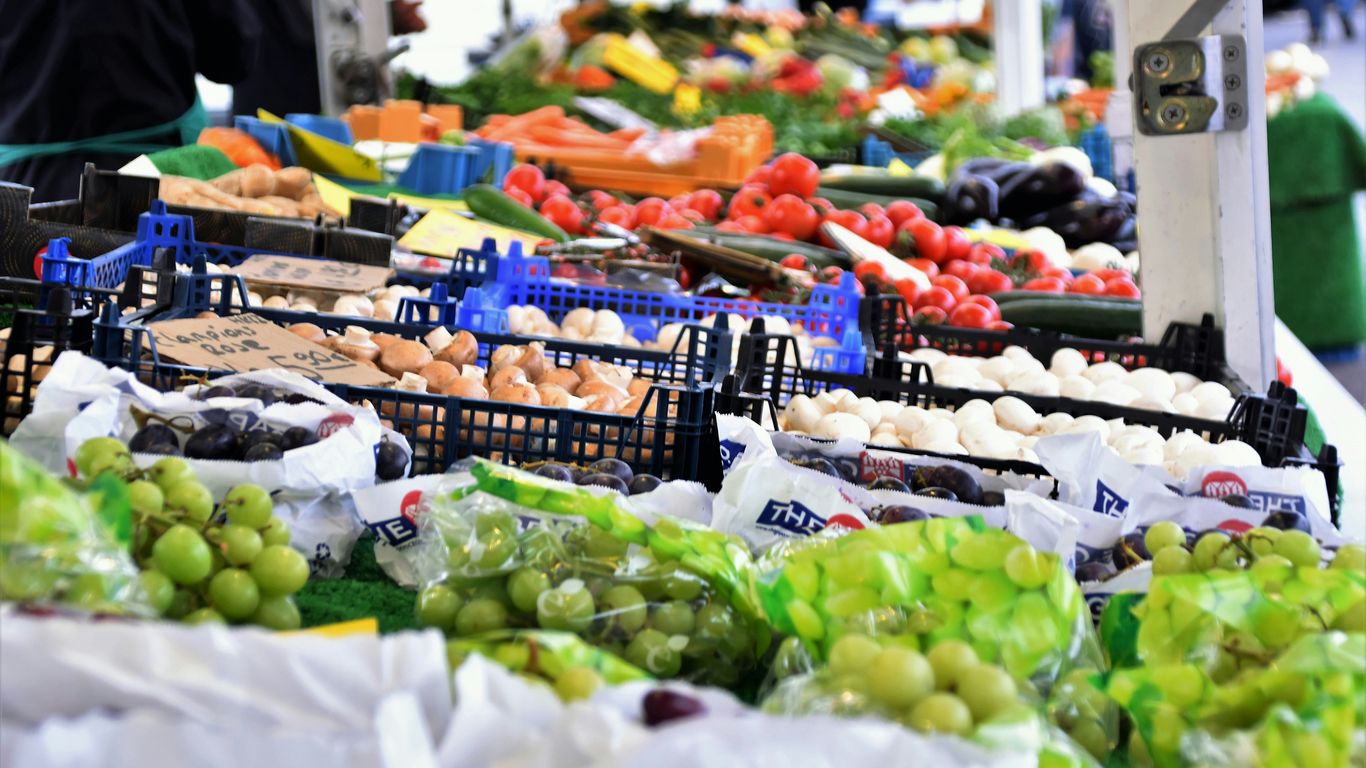
Upon entering, you will immediately notice the distinct vibrancy, from the smell of fresh herbs to the sharp sounds of butchers working. Expect to be fully immersed in an environment that prioritizes freshness over the clinical presentation often seen in modern malls. It is a raw, honest look at the supply chain that Taste of Singapore highlights during their immersive culinary tours.
Identifying fresh produce categories
Shoppers can find a vast array of goods categorized by stall types which often specialize in specific needs like leafy greens, tropical fruits, or root vegetables. Identifying the best produce requires keeping an eye on the leaves for crispness, checking fruits for firm skins, and prioritizing the items that are currently in season. Learning to spot quality in these vibrant setups can be as focused as a professional learning how to become a medical assistant in a technical field.
The role of the market uncle and auntie
The individuals running these stalls are usually experts with decades of experience, often affectionately called ‘uncles’ and ‘aunties’. They are the real authorities on whether a fish is truly fresh or if a specific cut of pork is ideal for steaming versus stir-frying. Never hesitate to ask for their recommendation, as they often save the finest, hidden inventory for regular customers who show genuine interest.
Differentiating between wholesale and retail stalls
Larger markets often feature stalls that cater to wholesale buyers, identified by the sheer volume of crates stacked adjacent to the vendor. These vendors typically sell in bulk and might have limited patience for small-quantity retail shoppers, though they often sell at lower price points. Recognizing these nuances is helpful, just as recognizing the process to master day trading requires understanding the difference between institutional and retail order flow.
Practical tips for a successful market visit
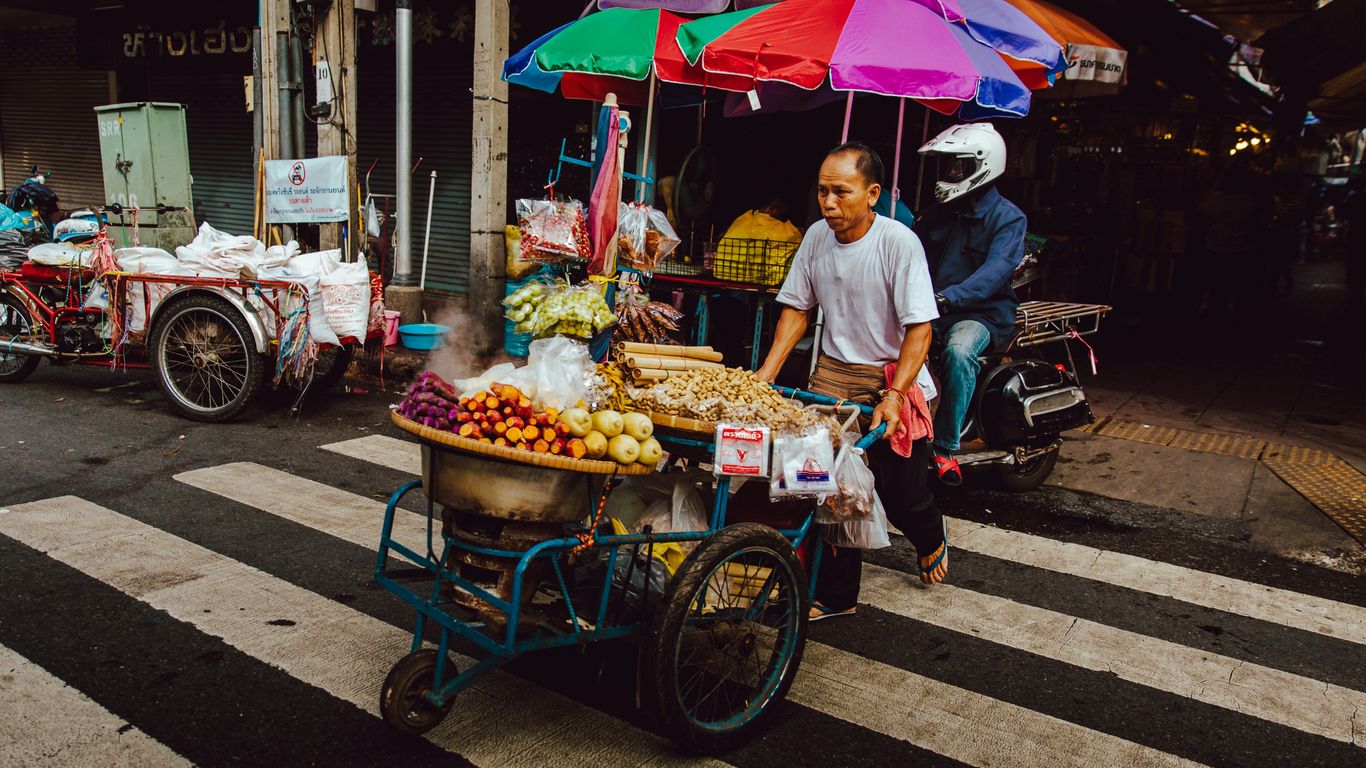
Arriving with a plan is crucial, as the best items often disappear before the sun reaches its peak. A successful visit involves more than just picking ingredients; it requires being prepared for different payment systems and having a reliable bag for your finds. Let your Taste of Singapore host guide you through the process, or prepare yourself with these essentials:
Optimal timing for the freshest selection
Most stalls begin operations in the early hours of the morning, usually around 6 AM, when the first fresh deliveries arrive from the ports and regional farms. Visiting before 9 AM provides the widest variety and the crispest quality before the intense midday heat influences the produce durability. Late arrivals often find picked-over selections, which is why early birds gain the most.
Essential items to bring for a seamless trip
- Sturdy, reusable insulated bags for chilled items
- Several small cloth bags for loose produce
- A reliable coin purse with enough cash
- Comfortable, non-slip footwear for wet floors
- A small shopping list to keep focus
These items make your transition from stall to home far more efficient and manageable. Being organized prevents the frustration of fumbling for change or managing loose bags in a crowded walkway.
Navigating payment methods and cash requirements
While digital payments are increasingly accepted, hard cash remains king in many traditional spaces. Having smaller denominations of currency is essential, especially when shopping at multiple stalls with small costs. Avoid paying with large bills, as vendors may not keep significant cash on hand for change.
Strategies for building rapport with stallholders
A simple greeting in a local dialect or a friendly smile can go a long way in establishing a connection. Frequent visits build trust; soon, you will find that vendors proactively set aside the best cuts for you or give you a slight discount just for being a regular patron. This relationship-building process is foundational to the social aspect of authentic food culture.
Sourcing high-quality local ingredients

When seeking the best of the best, look for vendors who rotate their inventory daily rather than holding items over. The quality of local ingredients in Singapore is heavily tied to these high-turnover stalls, which is why local professional chefs often do their own shopping here. For those interested in the details of large-scale management, understanding the precision required is as complex as building mock responses for software.
Selecting fresh seafood and live aquatic creatures
Fresh fish should have bright, clear eyes, firm flesh that springs back to the touch, and distinct, clean-smelling gills. Live aquatic creatures like prawns or fish in tanks are often kept in motion, which acts as a reliable gauge of vitality. Avoid fish that have sunken eyes or dull, greyish scales, as these are signs of reduced freshness.
Finding seasonal tropical fruits and indigenous greens
Singaporean markets are the best place to source seasonal delights like durian, mangosteen, and a variety of Asian herbs. Indigenous greens such as kailan or chye sim vary by seasonal harvest patterns, and knowing what is peaking allows you to cook with the most nutrient-dense ingredients. Ask vendors about seasonal specialties, as they usually celebrate these fleeting arrivals with enthusiasm.
Sourcing specialty cuts and traditional spice blends
Butchers often offer specialized cuts for traditional recipes, such as pork belly with the skin left on or specific bones for clear soups. Similarly, vendors selling pre-ground spices are rare compared to those who can mix custom blends of dry spices. Understanding these items allows you to replicate the deep, nuanced flavours traditional recipes demand.
Identifying stalls with high turnover for quality assurance
Stalls with long, steady queues are an infallible indicator of freshness and value. A high number of customers keeps the stock moving, meaning the food does not have the chance to sit and lose its quality. Following the locals’ habits in this regard is generally safer than relying on any other metric of quality.
Exploring the legendary hawker offerings behind the scenes
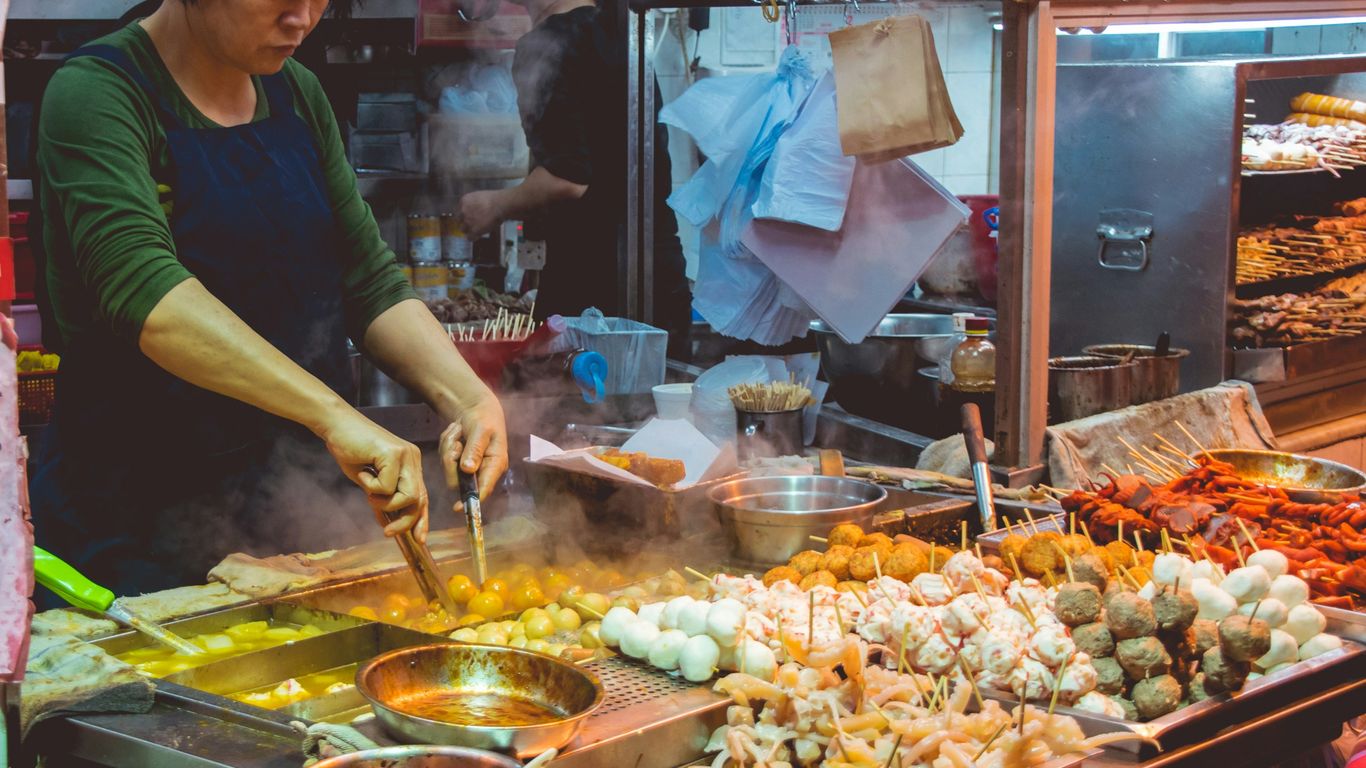
Many markets serve as the physical foundation for the hawker stalls that share the same building, creating a closed-loop food ecosystem. This relationship ensures that stallholders do not have to endure cold-storage delays for their primary ingredients. When you dine at these centres, you are often tasting food made with produce harvested that very morning.
The symbiotic relationship between ingredient suppliers and hawkers
Hawkers and wet market vendors are often partners in a long-standing business ecosystem. The stallholders get a guaranteed buyer for their fresh stocks, and the hawkers get immediate access to ingredients for their daily menu, keeping overhead costs manageable. This balance supports the overall hawker culture, as it allows dishes to remain affordable for the general public.
Signature dishes that rely on wet market freshness
Certain dishes, such as fresh fish noodle soup or sautéed vegetable stir-fries, are entirely dependent on the quality of the morning’s catch. When the vegetables are freshly picked and the fish is handled correctly, the natural sweetness and texture of the food come through without needing heavy seasoning. This simplicity is exactly what makes such authentic food experiences so memorable for global travellers.
Finding hidden culinary gems attached to smaller market complexes
Beyond the famous sites, smaller neighbourhood complexes often hide stalls that serve the most comforting, no-frills meals. These spots do not advertise their heritage or their accolades, yet they remain beloved by local residents who frequent them daily for predictable, quality eats. Exploring these areas offers a quiet relief from the more tourist-centered districts.
Navigating wet markets across Singapore’s districts
Each district in Singapore offers a slightly different take on the wet market experience, often mirroring the demographic makeup of the surrounding residential zones. From central business districts with a mix of office-worker traffic to the heartlands, the atmosphere changes as widely as the inventory. For those worried about professional compliance in other sectors, knowing FACTA international payroll or similar regulations might seem complex, but exploring regional market variations is a joy.
Iconic markets in the central business region
Markets near the city center often cater to both locals and curious visitors, offering a balanced mix of traditional supplies and perhaps some hard-to-find international ingredients. These spots are often excellent for those who want to dip their toes into the experience without needing to trek into the deep outer suburbs. They serve as a great introduction to the rhythm of local daily life.
Heartlands markets known for unique heritage goods
Deep in the heartlands, you find the most traditional environments where the vendor-community relationship is strongest. These markets are repositories of heritage, selling specific ingredients that you might not find elsewhere because they cater to the specific ethnic traditions of the surrounding local population. These markets are the best places to witness the soul of Singaporean food traditions.
Differences in inventory between diverse residential zones
Depending on the local demographic—whether it be a stronger focus on Malay, Chinese, or Indian heritage—the market inventory will shift to prioritize those culinary needs. It is fascinating to see the variety of herbs, spices, and proteins change as you move from one residential area to the next, proving that Singapore is a truly multifaceted culinary landscape that Taste of Singapore loves to share with curious foodies.
Conclusion
Whether you are a resident looking to improve your kitchen ingredients or a visitor hoping to taste the genuine heart of a neighbourhood, visiting a wet market is a transformative experience. By stepping into these bustling aisles, you are supporting local families, reducing food waste, and connecting with the very traditions that define Singapore’s vibrant culture, so head out on your next morning to seek these hidden joys.
Frequently Asked Questions
Are wet markets considered safe for shopping?
Yes, these markets operate under strict government guidelines for food safety, and they remain very popular with local residents for daily grocery needs.
Do I need to speak a local dialect to shop effectively?
While knowing a few basic words in local languages can be fun, it is certainly not required, as most vendors are very accustomed to communicating through signs, small gestures, and standard English.
Can I find vegetarian or organic produce at wet markets?
While specialized ‘organic’ labelling is less common than in supermarkets, the freshness of local produce is exceptional, and there are many stalls that sell exclusively local seasonal vegetables which are naturally grown.
What is the best way to handle bags if I am visiting multiple stalls?
Most experienced shoppers use a sturdy, heavy-duty basket or a lightweight trolley, which allows you to store your purchases compactly while keeping your hands free for choosing items.
Are the prices really cheaper than supermarket prices?
In many cases, the pricing is more competitive because there is no middleman cost for packaging or transportation, allowing the savings to be passed directly to the customer.
Is it acceptable to touch the produce before buying?
It is better to ask the vendor first or simply point to the items you want, as this keeps the produce in good condition and maintains a respectful, hygienic relationship with the stalls.
Should I bring my own containers to be sustainable?
Bringing your own bags and containers is highly encouraged, as it effectively reduces the amount of single-use plastic produced during your shopping trip, aligning with the market’s traditional, low-waste approach.