
Key Takeaways
Visitors to the historic Kampong Gelam district often find themselves drawn to the majestic Sultan Mosque Singapore, a landmark that perfectly captures the city’s multicultural soul. This guide provides essential information for a respectful and memorable visit to this national monument.
- The mosque features stunning Indo-Saracenic architecture with iconic golden domes.
- Non-Muslim visitors are welcome during specific hours outside of prayers.
- Modest dress is required, though robes are provided for those who need them.
- Mid-morning and weekday afternoons offer the quietest times for an exploration.
- The surrounding precinct is home to vibrant street art and authentic culinary experiences.
Understanding the history of Sultan Mosque
Architectural significance in Singapore
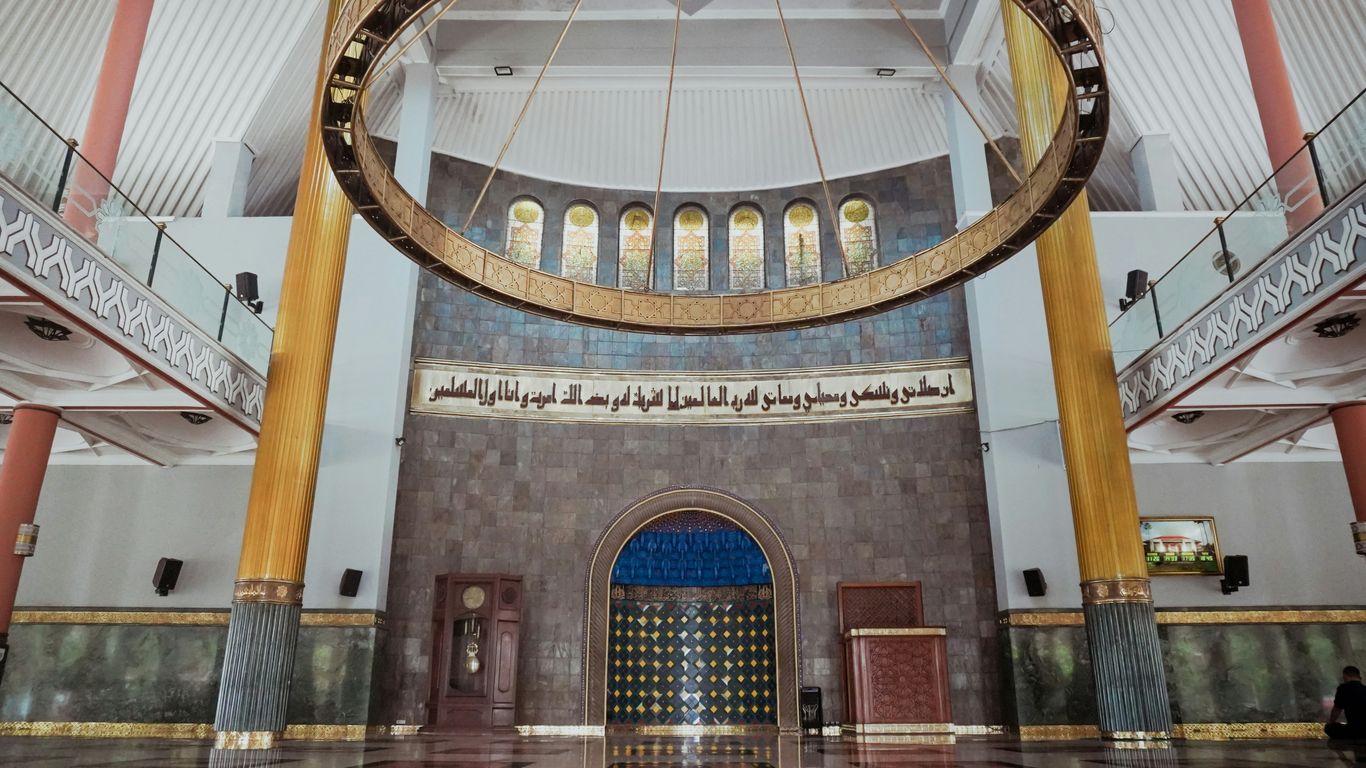
The structure stands as a grand example of Indo-Saracenic design, a style that blends colonial European lines with traditional Islamic motifs. The main prayer hall is particularly expansive, supported by tall columns that create a sense of awe for all who enter. A distinct feature of the design involves the base of the golden domes, which are decorated with glass bottle ends donated by the local community when the current structure was completed in 1932.
Key historical milestones
Understanding the evolution of this landmark involves looking at the specific growth and development of the Kampong Gelam area. The site has served as a spiritual gathering place for locals for over two centuries.
- The first mosque structure was built in 1826 by Sultan Hussein Shah.
- The current building was designed by architects from the firm Swan & Maclaren.
- Reconstruction efforts were completed in 1932 to accommodate a growing congregation.
- It was officially gazetted as a national monument of Singapore in 1975.
This timeline highlights the resilience of the community in maintaining such a cherished site. From its humble origins as a wooden construction to its present form, the Sultan Mosque has stood as a beacon for residents and travellers alike.
The role of the mosque in the community
This site acts as more than just a place of worship; it is the spiritual anchor for the local Malay-Muslim population. The mosque hosts various classes and community events throughout the year, fostering deeper understanding and connection. For those looking to learn more about the heritage behind this site, Taste of Singapore offers guided walks that provide rich context regarding the area’s development. It remains a focal point for interfaith dialogue, welcoming diverse groups to learn about Islamic traditions in the heart of the city.
Planning your visit to the mosque
Opening hours for non-Muslim visitors
Non-Muslims are warmly welcomed to explore the mosque during dedicated visiting windows, which typically occur between daily prayers. It is important to check the current schedule before arriving, as these hours can shift depending on religious events or festival periods. Generally, visitors find that mid-morning or mid-afternoon windows provide the most flexibility for a quiet and self-directed walkthrough of the main hall.
Admission fees and visitor accessibility
There is no entrance fee required, as the mosque operates on the basis of welcoming all who wish to learn about its significance. The main hall is accessible, though visitors are asked to maintain a quiet demeanor to ensure the peace of those praying is preserved. It is a beautiful, tranquil space that offers a serene contrast to the bustling streets of the surrounding Kampong Gelam area.
Getting to Kampong Gelam via public transport
The district is remarkably easy to reach, with Bugis MRT being the primary station used by most tourists. From the station, it is a straightforward walk through the heritage-rich streets to reach the entrance on Muscat Street. Many visitors choose to combine their arrival with a stroll to Masjid Sultan, taking in the sights of the shophouses that define this historic section of Singapore.
Adhering to the dress code and house rules
Modesty guidelines for men and women
To honour the sanctity of the prayer hall, all visitors are expected to dress modestly when entering the site. For men, this generally means wearing long trousers and a shirt that covers the shoulders, while women are encouraged to wear clothing that covers their arms and legs. Adhering to these simple guidelines helps ensure a comfortable and mutually respectful environment for everyone visiting or praying within.
Accessing provided robes for guests
If you find your attire does not meet the guidelines upon arrival, do not worry as the mosque provides complimentary robes for guests to use. These garments are available at the entrance and are designed to ensure everyone can visit the main hall while respecting local customs. Once you have finished your tour, simply return the robe to the designated area before leaving the compound.
Etiquette for maintaining mosque sanctity
Maintaining the quiet of the area is essential for members to perform their daily duties. Visitors should refrain from loud conversation and avoid taking photographs of people who are in the middle of prayer. The following table showcases what you should keep in mind during your time on the premises:
| Action | Expected Behavior | Reason |
|---|---|---|
| Conversation | Keep volume low | Respect for prayer |
| Photography | Be mindful of privacy | Religious observance |
| Footwear | Remove before entry | Maintaining cleanliness |
This simple guide helps all travellers enjoy a meaningful experience without disrupting the daily life of the community. Respecting these boundaries ensures that the site remains open and inviting for future generations.
Scheduling the best time to visit
Avoiding peak prayer times
Timing your visit to avoid key prayer sessions ensures that you can see the interior without feeling like you are intruding. These periods can be quite busy, with the arrival and departure of worshippers potentially causing congestion at entry points. Checking the daily schedule online is a helpful step to ensure you can move through the space at your own pace.
Visiting during Friday congregational prayers
Friday is a particularly significant day for the community and is characterized by a very large attendance of congregants. During these hours, public access for non-Muslim visitors is usually suspended to accommodate the high volume of worshippers. It is best to plan your visit for other days of the week to ensure the Sultan Mosque is open for tourism as expected.
Benefits of early morning and weekday visits
Visiting during a weekday morning or early afternoon typically rewards travellers with much quieter galleries. During these times, the lighting is often more evocative for photography, and the lack of crowds allows for a more contemplative look at the intricate architectural details. It is truly one of the best ways to soak in the atmosphere of Kampong Gelam before the afternoon heat and bustle begin to take hold.
Tips for navigating the surrounding precinct
Exploring street art and Haji Lane
The area directly surrounding the mosque is famous for its vibrant street art and bohemian boutiques. Taking time to walk through Haji Lane is an excellent way to see the creative side of the district, where old shophouses are filled with independent fashion and unique homeware. This contrast between the ancient spiritual landmark and the modern artistic expression is what makes the neighborhood so special.
Cultural heritage sites within walking distance
Because the district is highly walkable, you can easily visit several other landmarks in the same afternoon. There are numerous textile shops nearby and cultural institutions that provide further insight into the history of the Malay community in Singapore. The dense concentration of heritage buildings allows for a deep dive into the past without needing to rely on taxis or additional transport.
Recommended walking routes for tourists
Most travellers benefit from starting their route at the mosque and slowly branching out into the side streets. As you wander, you will find a wealth of hidden cafes and local spice shops that contribute to the unique aroma of the district. Following a loose path toward Arab Street allows you to see the historic shophouses preserved in their traditional style and offers plenty of opportunities to find unique souvenirs.
Finding halal food around Sultan Mosque
Authentic Malay cuisine in the district
Finding great food is easy, as the immediate vicinity is densely packed with restaurants serving authentic local dishes. You can find everything from traditional Nasi Padang and Beef Rendang to refreshing regional drinks and sweet desserts. Sampling these local staples is a highlight of any trip to the area and offers a direct connection to Kampong Glam culinary heritage.
Popular cafes along Bussorah Street
Bussorah Street is best known for its outdoor dining, which provides a lovely view of the mosque while you enjoy your meal. The area is filled with cafes serving both traditional Malay snacks and modern fusion dishes, creating a lively atmosphere throughout the day. It is a fantastic spot to rest and watch the world go by after exploring the nearby streets.
Diverse dining options for every budget
Whether you are looking for a quick lunch or a more leisurely feast, there are options to suit every wallet. The area caters to large groups and solo travellers alike, keeping the dining experience accessible and varied. You will find that the community atmosphere extends to the food culture, where shared meals and warm service define the experience.
Conclusion
Visiting this iconic landmark offers a unique window into Singapore’s diverse heritage and the vibrant soul of its Kampong Gelam district. By observing the suggested etiquette and timing your exploration well, you can enjoy a deeply rewarding experience that bridges the gap between old-world tradition and modern city life.
Frequently Asked Questions
Is photography permitted inside the prayer hall?
Photography is generally allowed, but visitors must be mindful of congregants who are praying. It is expected that you will keep the experience respectful and avoid disrupting the sanctity of the hall.
Can I visit the mosque during Ramadan?
Yes, the mosque remains open to visitors during this period, though it may be busier than usual. It is recommended to check for updated visiting hours and respect the heightened religious observance during this month.
Is there a dress code for the surrounding shops?
There is no strict dress code for the streets and shops surrounding the mosque. However, as the area is culturally conservative, dressing modestly is always a good practice out of respect for the local community.
How much time should I spend at the mosque?
Most visitors find that spending about 30 to 60 minutes is sufficient to explore the compound and appreciate the architecture. This allows enough time to read the placards and enjoy the ambiance without rushing.
Are there guided tours provided?
While the mosque often welcomes independent visitors, local community organizations may offer guided information. It is best to check the official signage once you arrive to see if any such services are available.
Is the mosque wheelchair accessible?
Major parts of the mosque compound are designed to be accessible to visitors with mobility needs. Staff and security personnel are usually on hand to provide assistance if you require help entering the main hall.
Can I eat in the courtyard of the mosque?
Eating and drinking are not permitted within the mosque compound, including the courtyard areas. There are plenty of cafes and restaurants just steps away on Bussorah Street where you can enjoy your meals.