
Key Takeaways
Sultan Mosque remains a cornerstone of Singapore’s cultural identity and serves as a primary site for the Muslim community. Understanding its background and visiting etiquette ensures a respectful and enriching experience for all travelers.
- The mosque was established in 1824 and has since evolved into a significant national monument.
- Visitors are expected to dress modestly and respect prayer times inside the sanctuary.
- The surrounding Kampong Gelam district offers a rich blend of history, street art, and local cuisine.
- Public transport provides easy access to this central venue via the Bugis or Jalan Sultan areas.
- Engaging in local traditions adds depth to any itinerary focused on Singapore’s religious heritage.
History and significance of Sultan Mosque
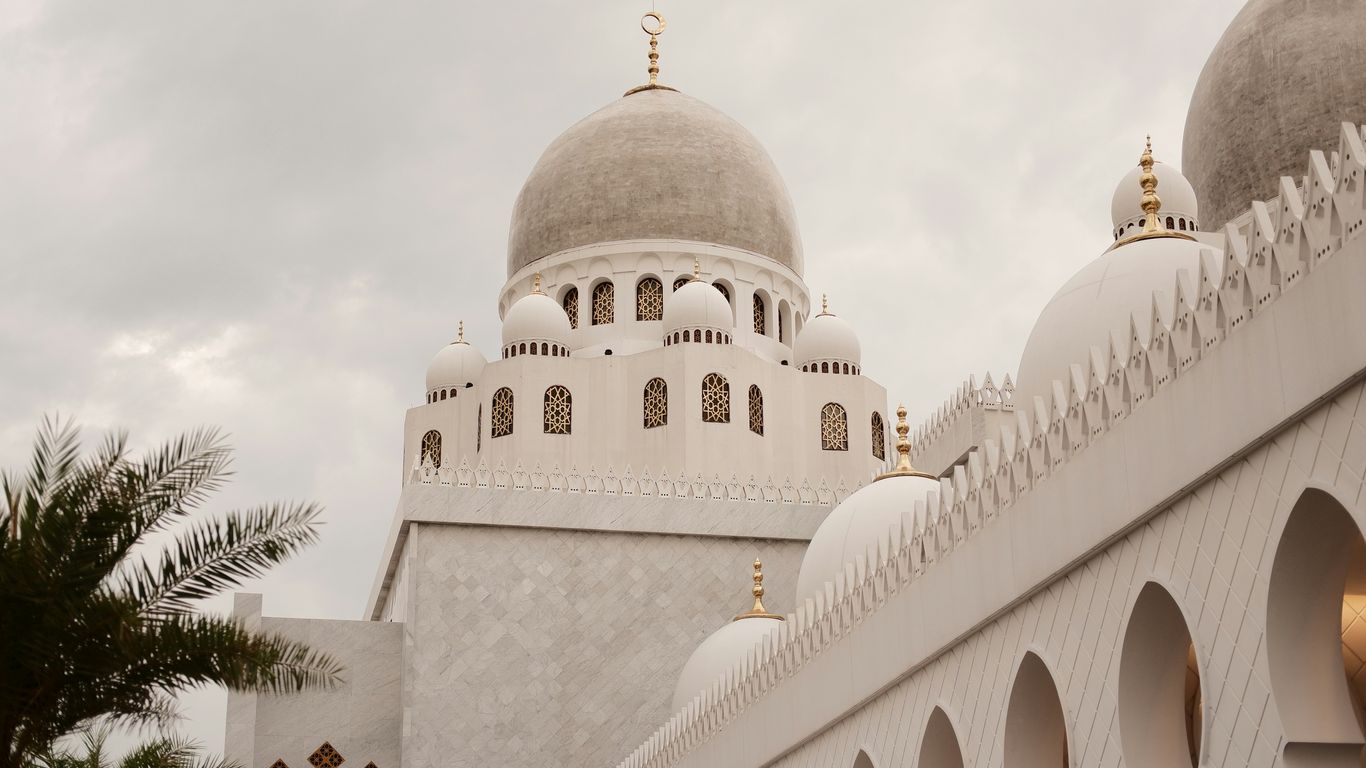
Origins in the early 19th century
In the early years of the colonial era, Sultan Hussein Shah of Johor sought to establish a dedicated place for the Muslim faith within the growing settlement. Working alongside colonial authorities, he spearheaded the construction of the original Sultan Mosque, which functioned as a simple wooden building with a double-tiered roof. This initial structure provided a vital space for the burgeoning Malay community, serving as both a religious hub and a civic anchor near the royal istana.
Evolution of the architectural style
As the congregation grew, the original wooden building became insufficient to meet the needs of the faith. By the early 20th century, the structure was completely rebuilt into the magnificent Indo-Saracenic form that characterizes the landmark today. This design was chosen for its ability to integrate diverse cultural motifs, reflecting the cosmopolitan nature of Singapore at the time.
Gazettement as a national monument
Recognising its enduring value as a symbol of unity, the government officially gazetted the building as a national monument during the late twentieth century. This protection ensures that the mosque remains preserved for future generations. Today, it stands as a central pillar of faith and culture, drawing visitors from across the globe who wish to learn about the history of the island at this celebrated site.
Architectural highlights of the building
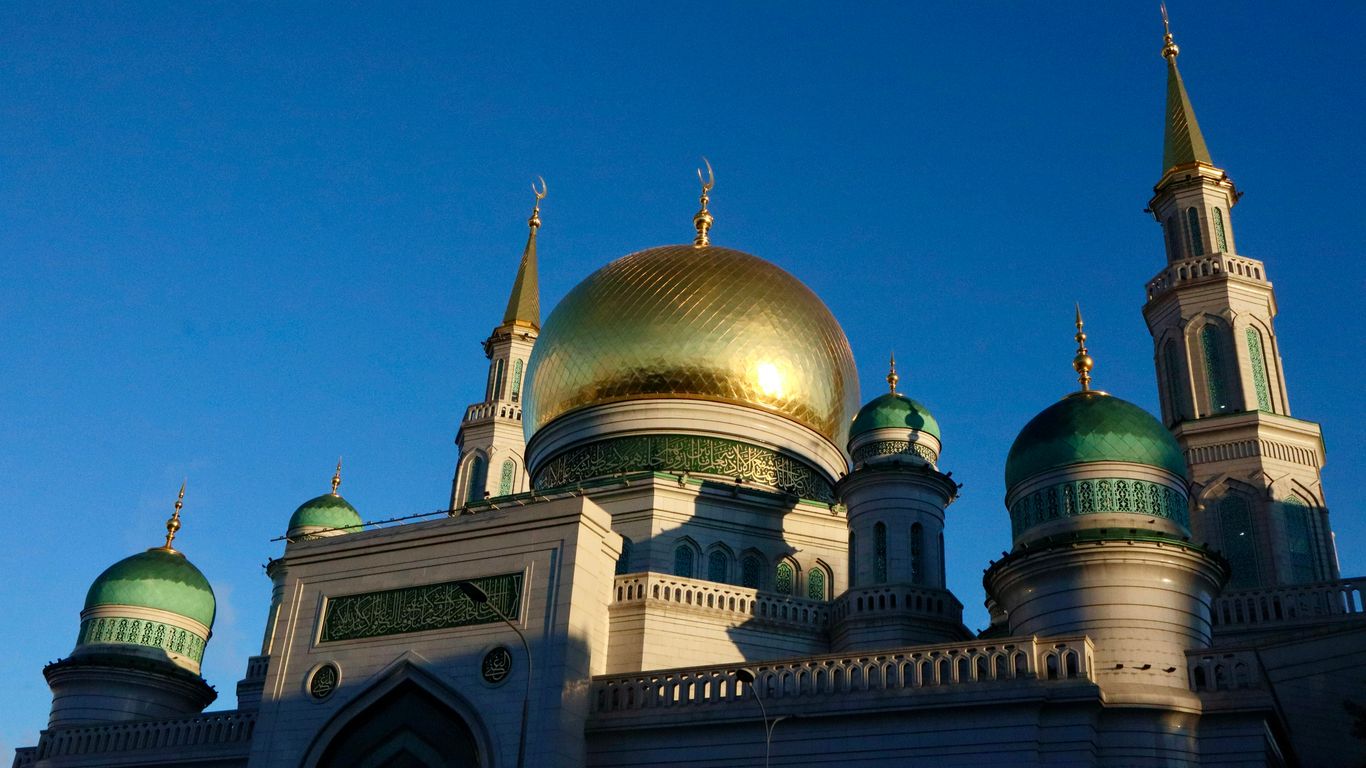
The iconic golden domes
The most recognizable features of the building are the massive golden domes that dominate the skyline. These structures were carefully engineered to maintain their brilliance through the tropical sun, standing as a beacon for residents and travellers alike. Local history records that many in the community donated glass bottle ends to complete the base of these domes, illustrating the communal effort involved in their creation.
Intricate facade and design elements
Beyond the domes, the exterior of the mosque features detailed arches and columns that reflect influences from various Islamic styles. The facade is meticulously maintained, keeping the original stone and plasterwork in excellent condition despite the aging of the building materials. Each element is placed to guide the eye toward the main entrance, welcoming worshippers and respectful guests into the precinct.
Interior layout and prayer sanctuary
The main prayer hall is a vast, open space designed to accommodate thousands of congregants during important religious ceremonies. The layout uses materials that help regulate the interior climate while maintaining a sense of awe for those inside. The following features highlight the spatial management within the sanctuary:
| Item | Function | Material |
|---|---|---|
| Main Hall | Prayer Assembly | Polished Concrete |
| Carpet Floor | Comfort | Durable Fiber |
| Upper Gallery | Women’s Prayer | Wooden Construction |
This interior arrangement demonstrates an efficient use of space that respects religious protocols during busy hours. The quiet atmosphere within the hall reinforces the spiritual focus of the building.
Visitor information and etiquette
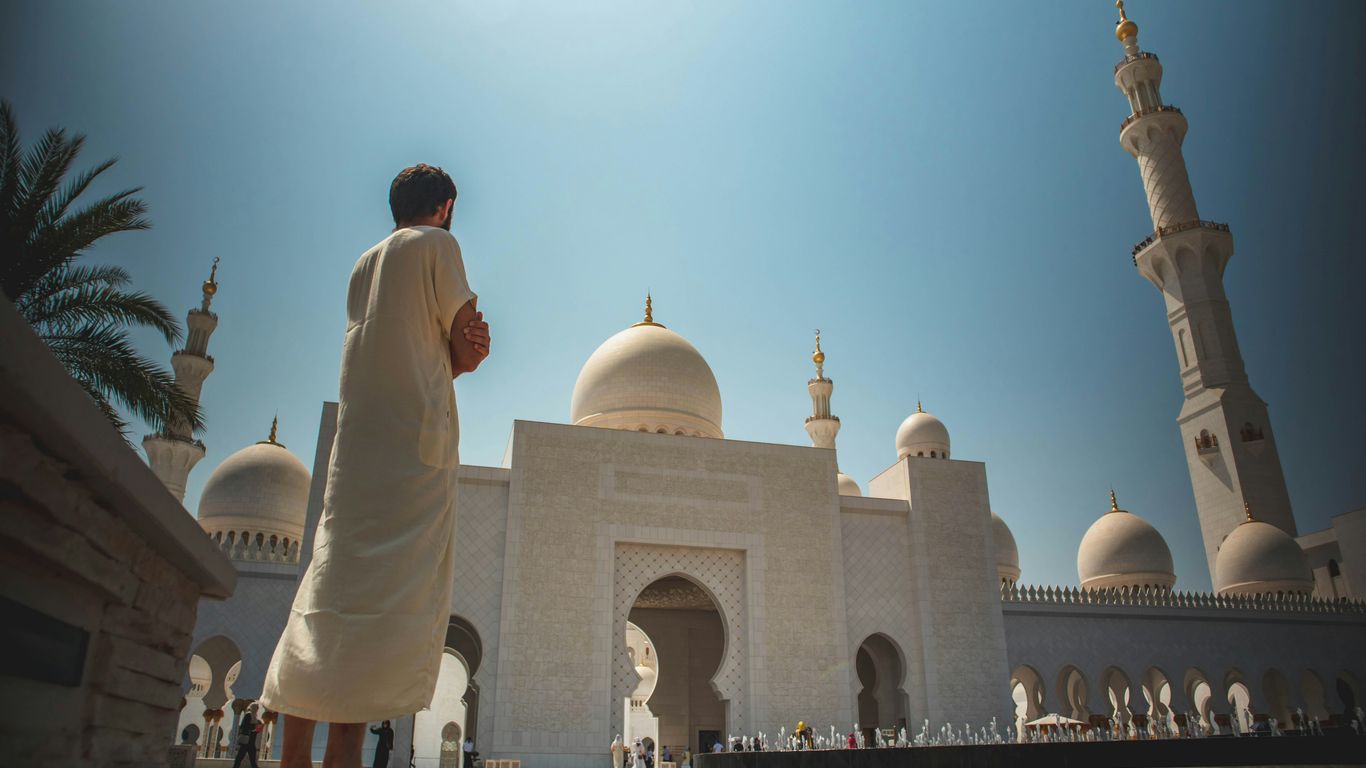
Dress code and cultural sensitivity
Maintaining the sanctity of the interior is essential, so visitors should plan their attire carefully. You must dress modestly when entering the site. To help you prepare for a comfortable and respectful visit, follow these basic practices:
- Cover your shoulders and knees entirely before entering.
- Utilize provided robes if requested by mosque staff.
- Keep noise levels low throughout the compound.
- Remove your footwear before stepping into the main prayer areas.
- Seek permission before capturing any photographs inside.
Adhering to these guidelines shows a deep appreciation for the community. The environment here is far more serene than the bustling streets outside, so keep in mind that Type 2C 3A hair routines are not the primary focus while exploring such a dignified space.
Best times to visit for photography
Lighting conditions are often best during the early morning or late afternoon, when the golden domes catch the light beautifully against the softer sky. During these times, the crowds are generally thinner, allowing for clearer shots of the architecture without disruption. Photographers are encouraged to be mindful of those who are there for worship.
Public access and prayer times for non-Muslims
Non-Muslims are welcome to visit during specific hours designated for tourists, distinct from the primary prayer times. It is advisable to Discover Sultan Mosque by checking local schedules online before setting out, as these hours can vary slightly during special religious occasions. Staying aware of when the community is active in prayer helps you avoid interrupting their devotion.
Exploring the surrounding Kampong Gelam district

Haji Lane’s vibrant street art and boutiques
A short stroll from the mosque leads to the narrow, colorful corridors of Haji Lane, where independent boutiques and eclectic murals line the streets. This area offers a stark contrast to the historical weight of the religious grounds, providing a modern look at creativity in the city. It remains a prime spot for grabbing a local artisanal snack after your tour.
The Malay Heritage Centre nearby
For those interested in diving deeper into the local history, the nearby centre provides extensive exhibits on the culture and traditions of the Malay community. It houses artifacts and educational materials that link back to the history of the Sulanate, completing the context provided by the mosque itself.
Culinary experiences in the vicinity
The district is known for its wide array of culinary delights, ranging from traditional satay to modern fusion cafes. Whether you are looking for a casual meal or a sit-down dining experience, the options are endless. Many visitors choose to book a Taste of Singapore experience after their visit to fully immerse themselves in the local food culture.
Planning your trip to Sultan Mosque
Public transport options and accessibility
Reaching the area is straightforward using the highly efficient network of trains and buses. Most visitors opt to arrive via the Bugis MRT station, followed by a short walk through the historically rich streets of the area. Accessibility is generally considered good for pedestrian travelers comfortable with walking.
Nearby attractions for a full day itinerary
Visitors can easily combine their mosque trip with other iconic sites located within moderate distance. Whether you are interested in modern skyline views or further historical monuments, the precinct acts as a perfect home base for your day. A full itinerary might include museums, markets, and riverside garden walks.
Best practices for respectful tourism within the precinct
Being a responsible visitor means being aware of your impact on the local community. Always prioritize the needs of resident worshippers and maintain a respectful pace while traveling through the quiet zones of the mosque grounds. Simple, mindful behavior goes a long way in ensuring these historic locations remain open and welcoming to the public.
Conclusion
A visit to the Sultan Mosque offers a unique window into the rich history and spiritual heartbeat of the city. By observing local customs and taking the time to explore the surrounding Kampong Gelam area, you gain a balanced perspective on why this site remains such an important landmark for Singaporeans and international guests alike.
Frequently Asked Questions
Is there an admission fee for visiting the mosque?
Entry to the mosque for visitors is generally free of charge, though donations to support building maintenance are usually appreciated at the entrance.
Are there guided tours available for tourists?
Yes, volunteers and staff sometimes conduct guided sessions that provide extra context regarding the temple history and current religious practices.
Can I visit the mosque during the holy month of Ramadan?
While visits are permitted, the mosque becomes significantly busier during this period, and many areas may be reserved exclusively for congregational prayers.
Is the mosque wheelchair accessible?
The main areas are designed to be accessible, though some historic parts might have minor thresholds that require assistance from a companion.
What should I do if I am not dressed appropriately?
The staff at the visitor entrance typically provide robes to cover up, ensuring that all guests can enter the mosque compound respectfully regardless of their original outfit.
Are there food and drink facilities inside the mosque?
Eating and drinking are strictly prohibited within the mosque building itself to maintain cleanliness and respect for the prayer areas.
Is it safe to wander around the Kampong Gelam district at night?
The district is very well-lit, vibrant, and generally quite safe for tourists to explore during evening hours, with many shops and restaurants remaining open late into the night.