
Key Takeaways
Visitors planning a trip to a significant cultural landmark in Singapore will find much to admire at the iconic house of worship in Kampong Gelam.
- The site represents a vital piece of the nation’s Islamic heritage and history.
- Architecture lovers will appreciate the blend of Indo-Saracenic and Persian design elements.
- Respectful conduct and modest attire are mandatory behaviors for everyone entering the grounds.
- The immediate neighborhood provides a rich tapestry of food, textiles, and independent shops to explore.
- Checking operational schedules beforehand ensures you avoid arriving during busy prayer sessions.
Historical significance of the district
The story of this district is deeply intertwined with the early governance of the region, where the Sultan Mosque stands as a permanent testament to the legacy of Sultan Hussein Shah of Johor. This area was established to support the local Muslim community living alongside the royal palace, eventually becoming the focal point for religious activity in Singapore. The resilience of this place of worship proves its importance to the local community across nearly two centuries of growth and change.
Origins of the original mosque
The initial structure was a modest, single-story wooden building erected in the 1820s at the direct request of the Sultan. Supported by Sir Stamford Raffles through initial funding, this first iteration provided a central place of assembly for the community. It served the spiritual needs of the people for several decades before the evolution of the city necessitated a larger, more permanent edifice capable of hosting the growing congregation.
The 1924 reconstruction project
To accommodate a larger number of worshippers, the mosque underwent a massive reconstruction project in 1924 that replaced the aging original structure with the grand landmark seen today. Designed by the reputable architecture firm Swan & Maclaren, the project embraced a more durable aesthetic and grander scale. This transformation solidified the site’s role as a primary center of faith in the region for the 20th century.
Gazetting as a national monument
Recognizing the building’s massive contributions to the nation’s cultural identity, the government officially gazetted it as a national monument in 1975. This protected status ensures that historians and visitors alike can continue to study its architectural integrity. Today, it remains a pillar of the Kampong Gelam district, preserved for future generations as a piece of living history.
Architectural highlights and design features
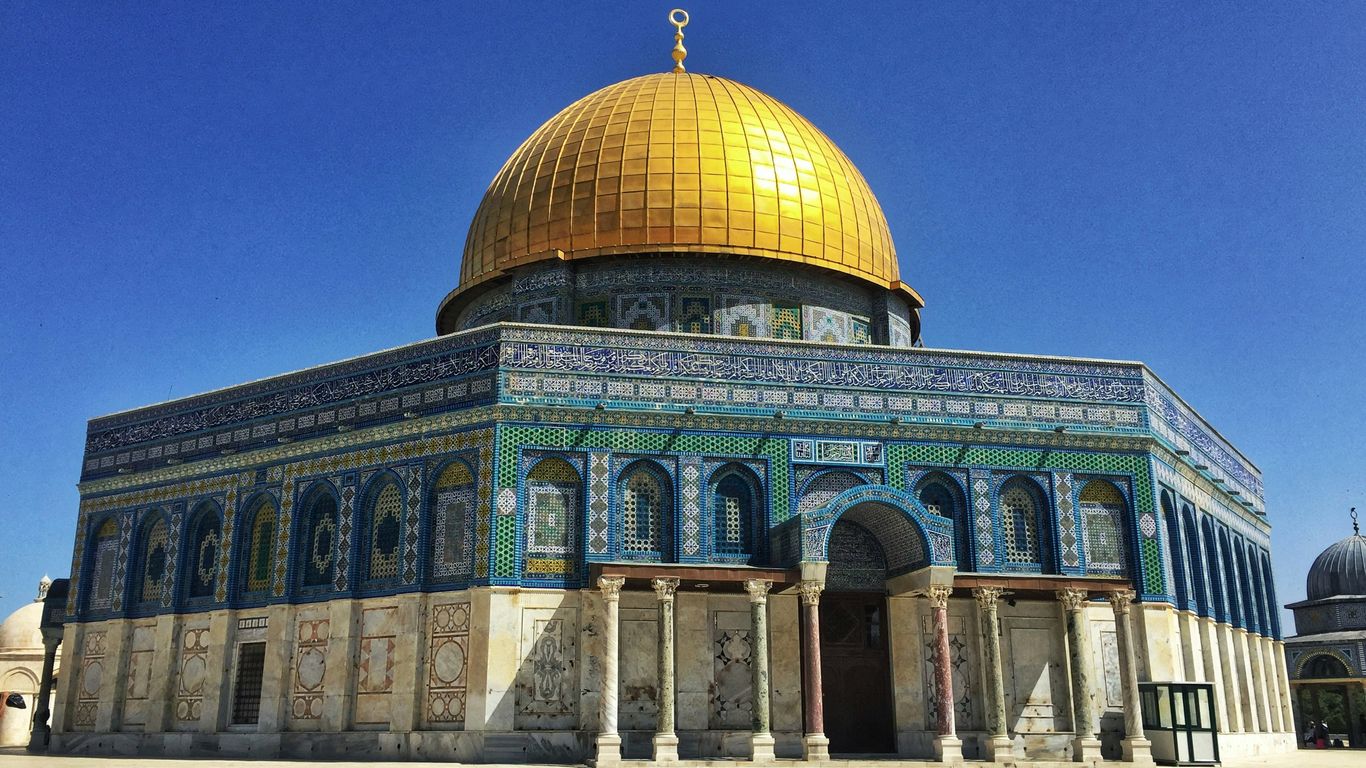
The aesthetic appeal of the building lies in its complex fusion of styles, creating a visual balance between colonial-era engineering and traditional religious architecture. Thousands of visitors come here specifically to see the Sultan Mosque as it remains a widely recognized masterpiece of local design. The structure features meticulous details that reflect the aspirations of the community that helped build it.
Indo-Saracenic and Persian influences
Drawing from a blend of Mediterranean and Indian influences, the architects successfully incorporated structural elements common to classic Indo-Saracenic buildings of the era. The towering arches and balanced proportions demonstrate a carefully considered design of history that resonates with modern observers. These features offer a sense of grandeur while maintaining the intimacy required for a sacred space.
The iconic golden domes
The massive golden domes serve as the most identifiable features of the cityscape, visible from many corners of the surrounding streets. They serve as a beacon for those visiting the area, drawing the eye toward the prayer hall below. These prominent landmarks require careful maintenance to ensure they keep their luster throughout the humid weather conditions common to the region.
Unique glass bottle base detail
At the foundation of the structure, one can find a historical detail that showcases the deep community involvement in the mosque’s creation. The local lower-income community contributed glass bottles, which were used to form the base of the domes, reflecting the collective effort behind the construction. As seen in the summary of architectural features, this detail remains a point of pride:
| Design Component | Notable Influence | Community Significance |
|---|---|---|
| Arched Entrances | Indo-Saracenic | Historical architectural style |
| Dome Foundation | Recycled Glass | Community-led donation effort |
| Prayer Hall Floor | Persian Geometry | Traditional aesthetic appeal |
This small detail serves as a poignant reminder that the site belongs to the people who built it and the generations who maintain it today.
Preparing for your visit to Sultan Mosque
Navigating the area is straightforward, but it helps to prepare for the specific environment of the site before you start your journey. Because the building functions as an active religious site, the local management emphasizes a calm and orderly experience for all. Travelers who consult this guide regarding the best search optimization company might also appreciate the well-organized digital resources provided by the mosque authorities for tourists.
Opening hours for non-Muslim visitors
Non-Muslim guests are generally welcome to explore the compound during specific intervals outside of prayer times. It is best to check the official operating times on their website before heading over to avoid disappointment. Being mindful of these schedules helps ensure the space remains peaceful for everyone.
Admission fees and ticket requirements
Accessing the main levels of the site is typically free for all members of the public. While some institutions may charge for tours, the primary experience of visiting the grounds and admiring the architecture does not require a purchase. Guests simply need to observe the standard safety and conduct guidelines posted at the main entrances.
Getting to the mosque via public transport
Using Singapore’s efficient public infrastructure is the most stress-free way to reach the site. Visitors have several convenient options for getting here, including the following transport methods:
- Hop onto the MRT and alight at Bugis Station.
- Walk approximately ten minutes from the station through the local shops.
- Observe the clear directional signboards located throughout the neighborhood.
- Utilize local ride-sharing apps if travelling with a large group or children.
Following these simple steps will place you right in the heart of the district, within quick walking distance of your destination.
Cultural etiquette and dress code
As the site is an active center for devotion, ensuring you show respect is the most important part of your visit. Visitors are kindly requested to be mindful of their volume and to dress in a manner that honors the sanctity of the location. These expectations apply to everyone, ensuring a shared sense of dignity for all present.
Appropriate attire for visitors
Modest dress is required for both men and women when entering the prayer hall. This typically means covering your shoulders and ensuring that pant lengths reach below the knee. If you arrive without appropriate clothing, some parts of the facility offer cloaks or wraps to help you comply with the dress code rules.
Conduct inside the prayer hall
The prayer hall demands a serene and quiet atmosphere where worshippers can connect with their faith undisturbed. Please ensure you switch off mobile devices or keep them on silent while standing in the sanctuary area. Walking respectfully and keeping conversations to a whisper helps maintain the focus of the community.
Photography rules and restrictions
Casual photography is generally allowed in specific areas, but visitors must respect the privacy of those performing prayers. Avoid using flash equipment or tripods near individuals who are currently engaged in religious activities. Always verify if there are any temporary notices restricting photography on the day of your arrival.
Exploring the surrounding Kampong Gelam area
The district beyond the mosque is a bustling mix of the old and the new, featuring a wide variety of independent businesses. It has grown into a significant hub for tourists looking to understand the Sultan Mosque and the wider heritage of the city. Spending an extra couple of hours here allows you to fully appreciate the blend of traditions that form the modern Singaporean identity.
Diverse culinary options nearby
After your tour, the area offers a vast array of eating houses ranging from traditional street-side stalls to modern cafes. You will find everything from classic Malay dishes to contemporary fusion snacks that highlight the multicultural history of the district. It is the perfect place to sit back and experience the flavors of Singapore at your own pace.
Traditional textile and souvenir shops
The surrounding streets are lined with historic shophouses that have been converted into artistic spaces and retail stores. You can browse high-quality fabrics, local handicrafts, and unique items that make for excellent gifts. These shops provide a tangible connection to the long-standing trading history of the neighborhood.
Cultural institutions within walking distance
Beyond this primary landmark, the area is home to several smaller galleries and museums that focus on the heritage of the region. Exploring these institutions provides added context to the buildings you see along the street. It is highly recommended to take your time walking through these smaller sites to gain a deeper perspective on the city’s past.
Best times for a seamless visit
Proper planning can make the difference between a crowded experience and one where you have space to admire the architecture in peace. Choosing the quieter parts of the day allows for a more contemplative start to your afternoon. These settings foster a much better environment for photography and personal reflection.
Avoiding peak prayer times
To ensure guests have a pleasant time, it is best to avoid the busiest hours when the local community fills the hall for daily prayers. Check the prayer schedule which is usually displayed near the entrance or on official digital platforms. Avoiding these windows means you are less likely to disrupt the congregation’s focus.
Visiting during Ramadan and festivities
The atmosphere during major festivals like Ramadan is particularly vibrant, though it may also be significantly busier. If you choose to visit during these times, consider that the pace of the surroundings will be faster and more energetic. Embrace the liveliness, but be extra diligent about respecting the increased number of visitors.
Seasonal weather considerations in Singapore
Given the tropical climate, the midday heat can be quite intense for those walking between sites. It is wise to plan your visit for the early morning or late afternoon when temperatures are slightly lower. Carrying a portable umbrella is a good idea to deal with the frequent, unpredictable rain showers.
Conclusion
A trip to this site offers a profound look into the heart of a historic community, blending architectural grandeur with ongoing cultural traditions. By being prepared and respectful, you ensure a rewarding experience for both yourself and the local worshippers.
Frequently Asked Questions
Is the mosque open to the public during prayer sessions?
While the courtyard may remain accessible, the main prayer hall is usually reserved for worshippers during these specific times, so it is best to visit outside of those windows.
Can I wear shorts into the mosque area?
Visitors are advised to wear clothing that provides adequate coverage for their shoulders and legs; if you arrive in shorts, wraps are often available for purchase or loan at the entrance.
How long should I spend exploring the area?
Most visitors find that allocating about two to three hours is sufficient to enjoy the mosque grounds and take a leisurely walk through the nearby streets of Kampong Gelam.
Are there any guided tours available for tourists?
Yes, occasionally the mosque organizers provide guided tours that offer internal insights into the design and community history, though it is best to check their website for the latest schedules.
Is it possible to take professional photographs inside?
While you are welcome to take commemorative photos for personal use, professional shoots usually require prior permission from the site management, and all photography should be done unobtrusively.
What are the best dining options nearby for a quick meal?
There are numerous options ranging from traditional hawker fare to upscale cafes situated just a short walk away, catering to a wide variety of dietary preferences.
Is the site wheelchair accessible for visitors?
Much of the ground-level area is accessible, though visitors with limited mobility should check with the front staff for the most appropriate routes through the facility.
Explore Taste of Singapore
Join us for an unforgettable culinary journey as we uncover the best flavors this region has to offer through curated experiences. Book Now to secure your spot on our next tasting adventure through the historic streets of the city.