
Key Takeaways
This guide offers an overview of Singapore’s most significant religious landmark, detailing its rich history, cultural importance, and practical tips for visitors.
- Masjid Sultan stands as a pivotal national monument with roots dating back to the early 19th century.
- Visitors can explore stunning Indo-Saracenic architecture including signature gold-colored domes.
- The mosque serves as a center for community outreach and religious education.
- It is located in the heart of the Kampong Gelam precinct, surrounded by historical streetscapes.
- Respectful conduct and modest dress are strictly required for those entering the prayer areas.
The historical significance of Masjid Sultan
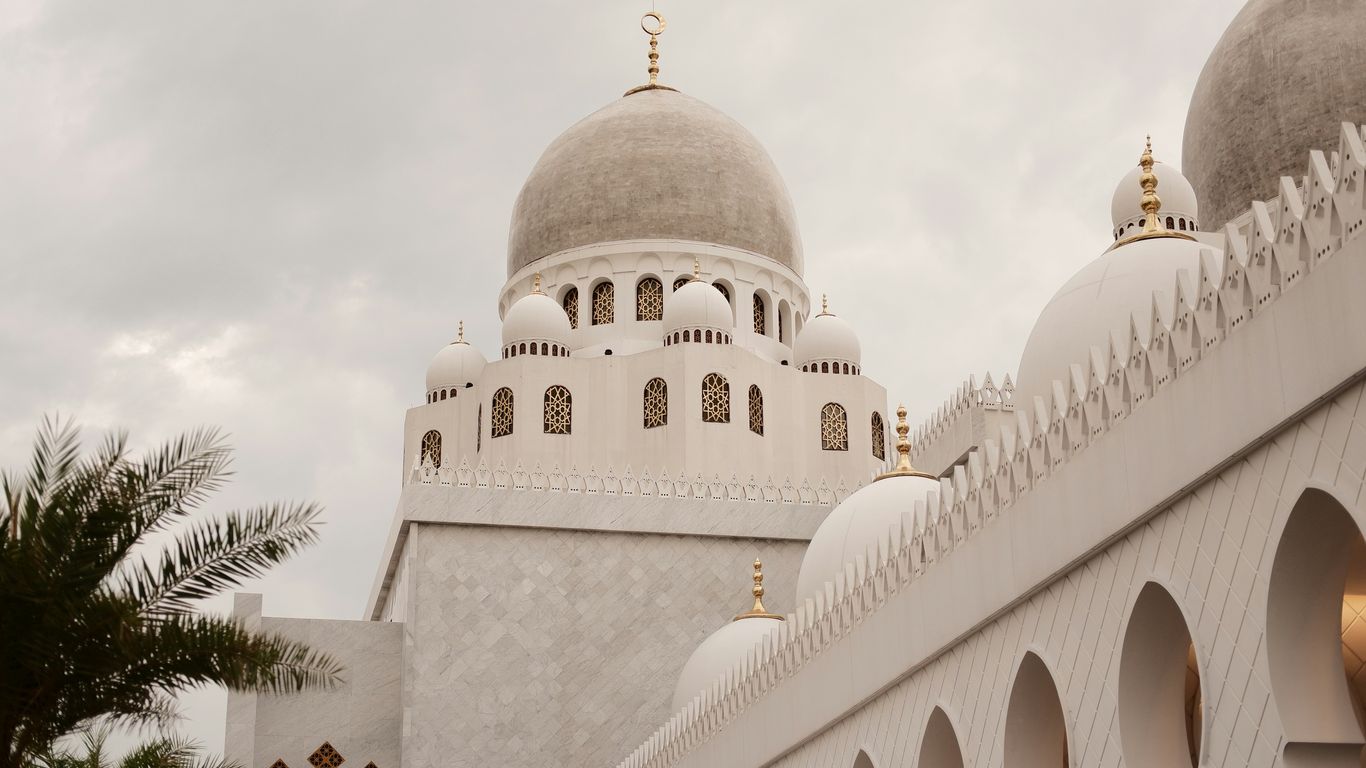
The history of this site is deeply intertwined with the development of the Kampong Gelam area as a hub for the Malay community. The structure reflects the transition of Singapore from a colonial port to a modern city, preserving the religious heritage of the early Muslim founders. It is widely recognized as a premier site for Sultan Mosque exploration.
Origins within the Kampong Gelam district
The origins of the mosque date back to 1826 when the first structure was initiated to serve the growing Muslim population in the vicinity. This wooden building provided a space for worship and community congregation at a time when Kampong Gelam was the designated area for the Sultan and his entourage.
influence of Sultan Hussain Shah
Sultan Hussain Shah of Johor was the primary benefactor behind the initial construction, having requested a space for worship near his palace. His legacy remains a cornerstone of the identity associated with this religious landmark in the city.
Architectural evolution throughout the decades
The original structure underwent significant changes to reach its present-day appearance. In 1932, the mosque was rebuilt in its current form to accommodate the increasing number of worshippers, creating the recognizable edifice that visitors see today. The following table showcases the timeline of key developments:
| Year | Development Milestone | Status |
|---|---|---|
| 1826 | Original construction completed | Completed |
| 1932 | Rebuilding finished | Completed |
| 1975 | Gazetted as National Monument | Active |
Profound maintenance and periodic refurbishments have ensured that the site retains its cultural value for future generations to study and appreciate.
Gazetting as a national monument
The official designation of the mosque as a national monument in 1975 solidified its importance within the national narrative. This legal protection has allowed the custodian bodies to maintain its structural integrity and aesthetic consistency while welcoming tourists from across the globe.
Architectural features and design elements
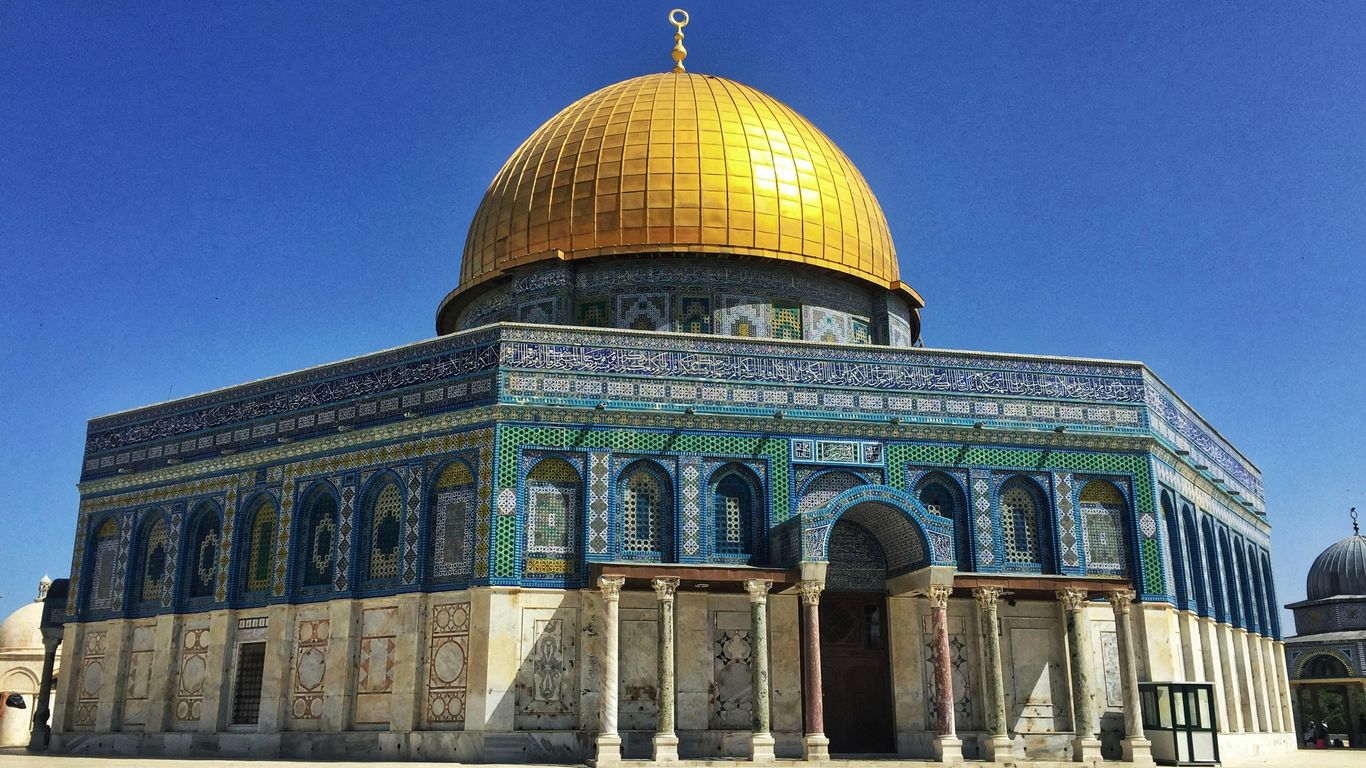
The design of the building reflects a successful blend of classical religious motifs with colonial-era planning. Architects behind its 1932 reconstruction utilized durable materials and sophisticated engineering that allows it to retain a striking visual impact on the streetscape for nearly a century. Visitors often look for insights into these structural details when planning to visit the Sultan Mosque.
The iconic golden domes and glass bottle base
One of the most distinct features of the mosque is its massive gold-colored domes. A unique aspect of the construction involved the incorporation of glass bottle ends donated by lower-income community members, integrating the history of the local residents directly into the fabric of the building.
Mastery of Indo-Saracenic design
The overall aesthetic draws heavily from Indo-Saracenic styles, which were popularized by British architects during the early 20th century. This style incorporates elements of Islamic design, such as pointed arches and intricate patterns, into a larger, grander masonry framework.
Detailed minaret craftsmanship
The minarets serve as vertical markers for the site, rising high above the surrounding shophouses. Their design features ornate columns and balustrades that demonstrate the high level of masonry skill employed during the design phase.
Prayer hall layout and interior aesthetic
The interior space is expansive and designed to accommodate thousands of worshippers, particularly during major religious events such as Friday prayers. The large columns and wide, open flooring help maintain circulation and comfort within the prayer hall.
Visiting Masjid Sultan as a tourist
For those planning a trip, understanding the local customs is part of the experience. The mosque encourages visitors to interact with the environment respectfully, providing plenty of room to learn about the significance of the faith while enjoying the quiet atmosphere of the compound. You can find more about the local area and the mosque as a premier mosque in Singapore.
Opening hours and prayer time considerations
Visitors should verify specific daily hours as they shift based on prayer schedules, which occur five times each day. It is generally recommended to visit between these intervals to ensure a smooth, undisturbed experience for those entering to pray.
Dress code requirements for visitors
All individuals must maintain modest attire when entering the mosque grounds. This typically involves covering the shoulders and legs, and the management provides wraps or cloaks for those who may not arrive wearing suitable clothing.
Guidelines for respectful photography and conduct
- Remain within designated visitor zones at all times.
- Speak with a soft voice to avoid disturbing prayer spaces.
- Always ask for permission before taking portraits of congregants.
- Switch phones to silent mode before approaching the interior.
Following these simple rules makes the space more welcoming for everyone. Photography for personal use is permitted, but large equipment that might obstruct walking paths is discouraged.
Accessible entrances and visitor facilities
The site is well-adapted for visitors with different needs, including those using mobility aids. Ramps and clear entrance signage have been installed to ensure that the heritage site remains inclusive to the diverse international groups that visit daily.
Cultural activities and community outreach
The mosque remains a vibrant center for education, frequently hosting groups who wish to learn about Islamic traditions, history, and community service. These engagements form a core part of its mission, extending far beyond physical structures to host community events.
Educational tours for schools and international groups
Guided tours provide a structured opportunity to explore the mosque history and philosophy. These sessions are tailored to ensure that guests walk away with a deeper understanding of the religious practices as well as the significance of the mosque to the Kampong Gelam area.
Ramadan observances and public iftar gatherings
During the holy month of Ramadan, the mosque becomes extremely active. Public iftar meals are organized, drawing people from various backgrounds to share food and conversation, fostering a spirit of mutual understanding in the spirit of the Ramadan season.
Volunteering opportunities and community engagement
The institution relies on a dedicated team of volunteers who assist with daily operations, event management, and guiding visitors. This network of people is essential for maintaining the level of hospitality that the mosque is known for.
Hosting interfaith dialogues and cultural workshops
Regular discussions between different faith groups help promote tolerance and social harmony in the city. By opening its doors for deep conversations, the mosque helps create a model for peaceable interaction in a diverse, modern society.
Exploring the surrounding Kampong Gelam precinct
Kampong Gelam is a destination that captures the essence of history layered with modern trends. It is an ideal area to spend an afternoon after visiting the mosque, offering a blend of culture and commerce that is unmatched in other parts of the city.
walking proximity to Arab Street and Bussorah Street
The streets surrounding the mosque, such as Arab Street and the pedestrian-friendly Bussorah Street, are filled with heritage shophouses. Visitors often find that walking between these sites is the best way to soak in the atmosphere and witness the vibrant street life, including colorful shophouses and boutiques.
Dining options serving local halal cuisine
There is no shortage of culinary options ranging from traditional street snacks to formal sit-down dining. Visitors can enjoy local favorites that showcase the fusion of regional flavors found throughout the Malay-Muslim heritage of the region.
Traditional textile and aromatic perfume boutiques
Local shops have preserved the tradition of selling high-quality textiles and exotic perfumes for generations. Browsing these small enterprises allows tourists to engage with local traders while supporting small community-centric businesses.
Connecting the mosque visit with heritage trails
Many heritage trails incorporate the mosque into their routes, allowing visitors to walk through history step-by-step. These curated paths connect disparate parts of the district into a coherent narrative of trade and daily life in old Singapore.
Practical information for your visit
Planning your travel helps ensure that the trip to the mosque is efficient. Whether you are using public transport or searching for specific amenities nearby, preparing ahead allows for a better experience.
Public transportation options and navigation
The mosque is well-connected through the city’s extensive train and bus systems. Visitors can take the MRT and stop at nearby stations if they are exploring further areas like Fort Canning Park or looking to move through the city efficiently.
Parking facilities in the vicinity
While on-street parking may be limited, there are several public parking structures and designated zones nearby that cater to private vehicles. It is recommended to check live parking availability apps to save time.
Best times of the day to avoid peak crowds
Weekday mornings are generally quieter and offer a more contemplative environment for viewing the architecture. During public holidays or near lunch hours, the surrounding streets tend to become much busier due to local market activity.
Nearby amenities for international travelers
Convenient services such as currency exchange, visitor information centers, and pharmacies are available within short walking distance. Being in a central precinct ensures that travelers have everything required for a safe and enjoyable exploration.
Conclusion
Visiting this historic site offers a unique opportunity to engage with the religious fabric and cultural history of Singapore. Beyond its striking exterior, the mosque continues to serve as an active site of community and learning that welcomes all who enter with respect and interest.
Frequently Asked Questions
Can anyone visit the mosque regardless of their religion?
Yes, the mosque welcomes non-Muslim visitors to explore the compound and learn about the faith, provided they adhere to the rules about dress code and visitor conduct.
Is there an admission fee for entrance?
Entrance to the mosque grounds is free for individuals. Some guided tours might have a nominal fee to support educational programming and mosque upkeep.
Are there specific times for prayer?
Yes, prayer times shift slightly throughout the year based on the sun cycle, so it is helpful to check the local schedule or the mosque’s website before planning your arrival.
Can I take pictures inside the prayer hall?
Visitors are generally allowed to take photographs of the interior, but they should be discreet, avoid using flash, and never photograph congregants who are actively praying.
Is the mosque wheelchair accessible?
Yes, the site provides ramp access and facilities designed to be more inclusive for those who require assistance with mobility.
Where can I find information on history tours?
Educational visitor centers and the main office often have schedules for guided tours, or you can find details posted near the main visitor entrance.
What is the best way to get here by public transport?
The nearest MRT stations are Bugis and Jalan Besar, both of which are within a short walking distance from the mosque, making it highly accessible from any part of the city via train.