
Key Takeaways
- The bustling alley known as haji lane transformed from a pilgrimage stop to a vibrant creative hub.
- Visitors can explore a rich history preserved within historic, colourful shophouses throughout the precinct.
- The street stands as a prominent destination for independent fashion, bespoke lifestyle goods, and unique street art.
- Dining options range from intimate brunch spots to evening nightlife venues showcasing regional flavours.
- Navigating the area is best done by walking to absorb the atmosphere, supported by the efficient local MRT network.
The history and transformation of Haji Lane
Standing as one of the most colourful alleys in Singapore, this narrow strip of land reflects the city’s ability to blend past utility with future-looking creativity. The shophouses lining the street were once silent witnesses to arduous journeys, but today they serve as the backdrop for a thriving, modern economy. Understanding its heritage is essential to appreciating why this area feels so distinct from the glass-and-steel skyscrapers found elsewhere in the city.
Origins as a lodging area for pilgrims
In the late 19th and early 20th centuries, this street gained its name from the Hajj pilgrimage. Muslim traders and travellers, often arriving from the Malay Archipelago, would find modest accommodation in the shophouses before continuing their spiritual journey to Mecca. It served as a community support network, where pilgrims shared resources and knowledge while navigating the logistics of their voyage.
Decline and abandonment in the 20th century
As travel patterns evolved and global transport modernized, the functional need for these simple, temporary lodgings faded. By the 1970s and 1980s, the area had entered a period of relative stagnation, with many shophouses sitting empty or being repurposed as simple storage spaces. This era is often discussed in histories that describe the vibrant history of movement and change within the neighbourhood.
The creative revival of the early 2000s
After its period of dormancy, the street saw a influx of artists and independent business owners looking for affordable, character-filled commercial spaces. This shift marked the birth of a new retail economy that prioritized unique, small-scale ventures over large franchises.
| Decade | Primary Usage | Economic Status |
|---|---|---|
| 1920s | Lodging for pilgrims | Moderate |
| 1970s | Storage and vacancy | Low |
| 2000s | Retail and creativity | High |
This dramatic turnover shows how the site managed to avoid demolition. Much like individuals might Sell your Beverly Hills house fast to pivot toward new life goals, the property owners here pivoted to foster an eclectic vibe that defines the modern district.
Exploring the unique street art scene
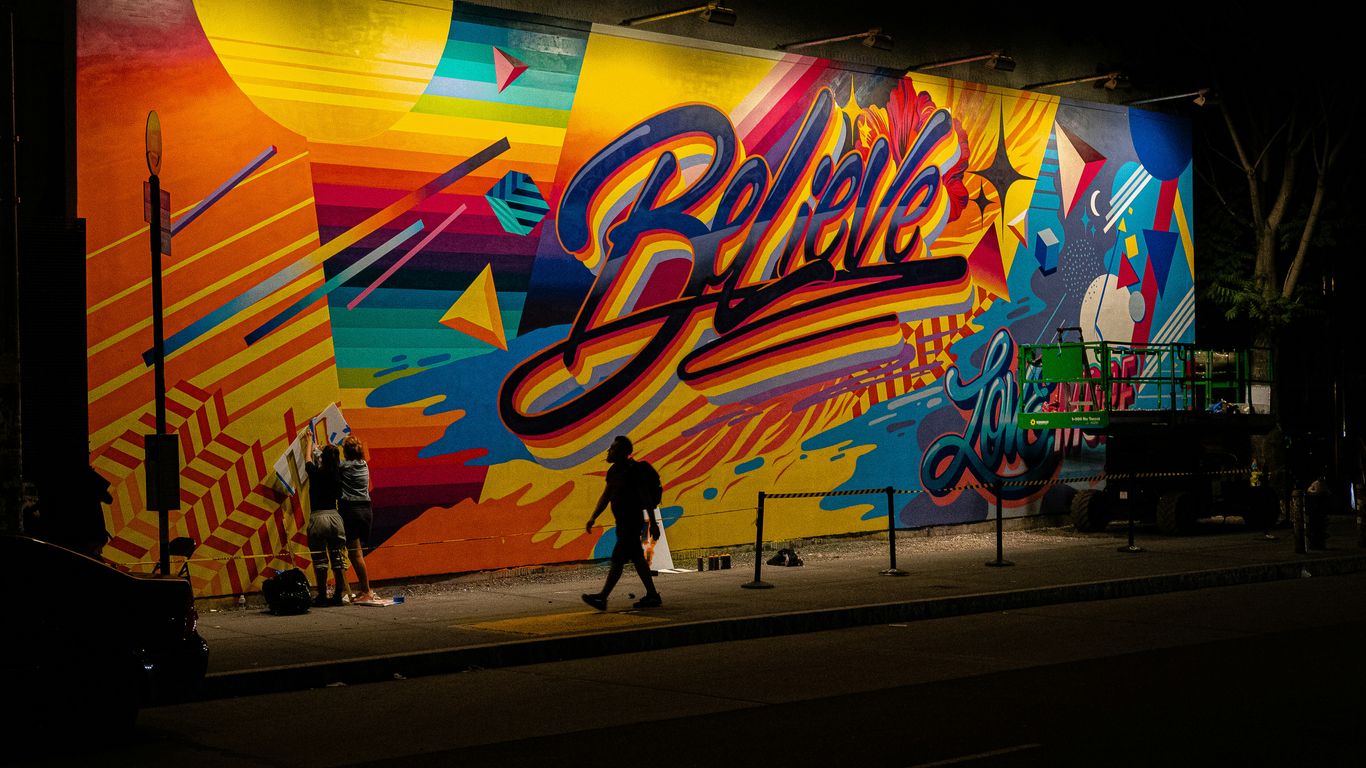
Today, the walls of this famous pedestrian thoroughfare serve as a living, breathing exhibition for both local and international creators. The visual density of the lane is striking, with every available surface often covered in high-energy pigments and graphic installations. Street art here is not treated as a nuisance but as a fundamental part of the street’s vibrant and youthful aesthetic that defines its current public perception.
Popular murals and photography locations
Visitors frequently gather at the most iconic murals to capture images for social media usage. These spots are often curated to reflect contemporary themes, ensuring that the lane, known as the most popular photography spot in the district, stays relevant to changing cultural trends.
Recognising local street artists and styles
Much of the art is commissioned by building owners to give their storefronts a more engaging facade. You will notice a mix of graffiti-inspired tagging alongside more polished, illustrative styles that interpret traditional cultural motifs through a modern, abstract lens.
How the urban canvas evolves over time
Artists return periodically to refresh the walls, meaning visitors rarely see the exact same layout twice. This constant state of flux encourages repeat visits, as there is always a new detail, colour palette, or artistic commentary waiting to be discovered.
A curated guide to independent retail and boutiques
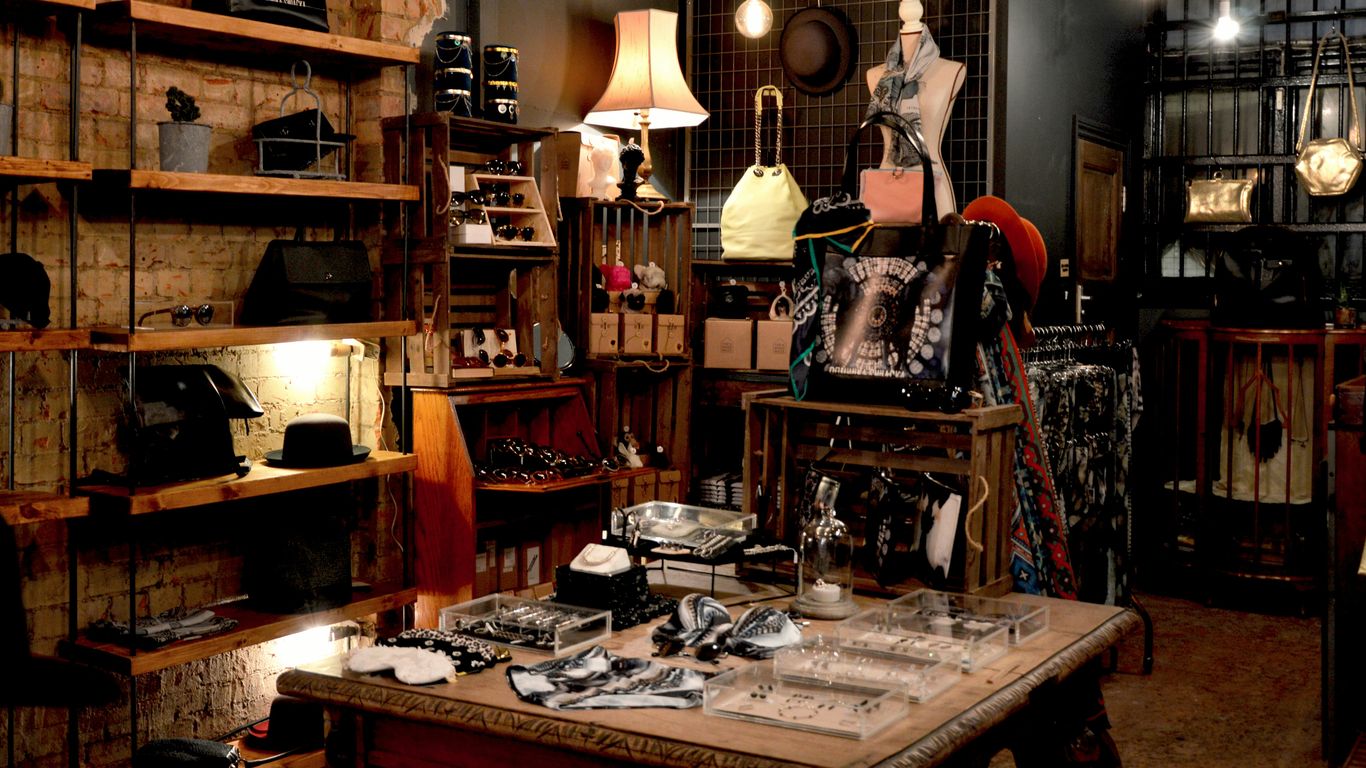
Shopping here is a departure from the air-conditioned, standardized experience of large shopping malls. The curated selection of goods reflects a heavy emphasis on curation, personality, and human-centred design. Many small enterprises here survive by offering goods that simply cannot be found anywhere else, which keeps the foot traffic consistent across the entire week.
Shopping for vintage and second-hand fashion
Vintage hunters will find a wealth of goods, ranging from carefully restored denim to unique pieces that carry stories from previous decades. These stores are often tightly packed, creating an environment of discovery where the customer is encouraged to dig through racks to find hidden gems.
Discovering bespoke local lifestyle brands
Beyond clothing, the lane offers specialized products like artisanal perfumes, handcrafted leather goods, and unique stationery items. These boutiques often facilitate direct interactions between the makers and the customers, an experience that mass-retail chains struggle to emulate.
Tips for supporting small and sustainable businesses
Taking individual steps to support these shops ensures the long-term survival of the local economy.
- Visit during the late morning to enjoy a quieter shopping window.
- Engage with store staff to learn about the provenance of their goods.
- Choose items that promote sustainable or upcycled production methods.
- Carry reusable bags to reduce the amount of waste generated.
These small choices collectively help maintain the livelihood of the artists who make the area special.
Dining and cafe culture in Kampong Glam
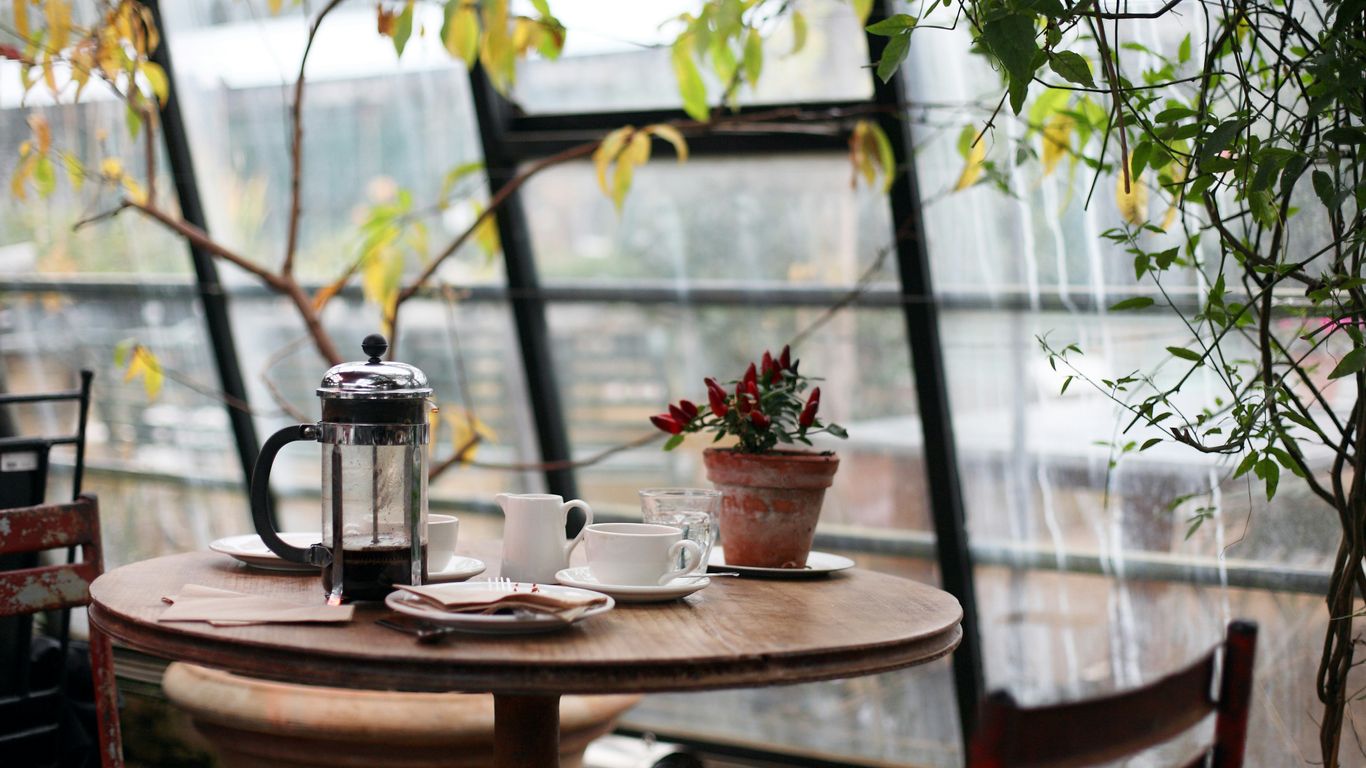
Food and coffee represent the heart of the neighbourhood once the retail shops start to close. The culinary landscape here is incredibly diverse, drawing inspiration from regional heritage while incorporating Western-style specialty coffee culture. If you want to try the Taste of Singapore, book a local food experience before you arrive to ensure you don’t miss the best hidden spots.
Must-try cafes for coffee and brunch
Brunch culture here is iconic, with menus frequently highlighting innovative combinations. Whether you are looking for a simple pour-over or a complex fusion dish, the cafes here rely on quality ingredients sourced from regional suppliers to create a distinct standard for the vibrant gems found in this alley.
Regional dining options surrounding the lane
While the lane itself features high-energy cafes, the immediate surrounding streets offer more traditional, sit-down dining experiences. This provides a necessary balance for visitors who prefer a slightly slower pace after an afternoon of active shopping.
Navigating dietary preferences in the area
Most venues are quite accommodating and provide clear labeling for vegetarian, vegan, and gluten-free options. The high volume of international passersby has naturally compelled businesses to be transparent about ingredients to ensure a welcoming environment for everyone.
Navigating nightlife and after-hours entertainment
As the sun sets, the mood shifts from a relaxed café atmosphere to a more social, music-driven scene. The narrow nature of the alley creates a sense of intimacy, where the sound of conversation and music spills out from the bars and into the public space. It becomes a compact social laboratory that feels entirely distinct from the quiet, dark corners of some other city precincts.
Atmospheric bars and cocktail experiences
Many bars focus on specialized cocktail menus that experiment with local spirits and spices. The staff are frequently trained to guide guests through these unique flavours, turning a standard drink into an educational experience about tropical ingredients.
The transition from daytime cafes to evening venues
It is fascinating to observe the subtle environmental changes that occur around six or seven in the evening. Tables are rearranged, lighting is dimmed, and the soundtrack shifts from ambient lounge music to a more upbeat playlist that draws in larger crowds.
Safety and crowd expectations on weekends
Expect high levels of energy on Friday and Saturday nights. While the atmosphere is generally very sociable and friendly, the sheer density of the crowd means that moving through the street can take more time than you might expect during the day.
Essential travel tips for visiting the area
Visiting this iconic street requires a bit of planning to balance comfort with the desire to explore every corner. The heat and humidity of Singapore can make outdoor activity challenging, so timing is a significant factor in your overall enjoyment. Taking the time to understand the local layout will help you avoid the most intense parts of the afternoon heat.
Best times of day to beat the heat and crowds
Visiting on weekday mornings is ideal for those who want to photograph the murals without fighting through swarms of tourists. The light is often better for photography around this time as well, casting softer shadows across the buildings.
Practical transport options via the MRT network
Singapore has one of the best public transport systems in the world, and you should use it. The closest MRT station is Bugis, which is within a comfortable walking distance, allowing you to easily connect to other parts of the city.
Combining a trip with nearby cultural landmarks
Your journey shouldn’t stop at the lane. The nearby Sultan Mosque is a short walk away and acts as a beautiful anchor for the entire historical precinct.
Accessibility and pedestrian-only considerations
Because the lane is fully pedestrianized during most of the day, it’s very safe for walking. Be aware that the ground surface is sometimes uneven, typical of historical areas, so wearing comfortable, supportive footwear is highly recommended.
Conclusion
Wrapping up your visit to this dynamic street is best done with a final walk from one end to the other, soaking in the mix of history and modern life. It stands as a testament to how urban spaces can reinvent themselves while maintaining their original skeleton, making it an essential loop for any traveller aiming to understand the multifaceted nature of contemporary Singapore.
Frequently Asked Questions
Is the street accessible to wheelchair users?
The area is pedestrian-friendly, though some older shophouses have small steps at their entries. Most cafes have level access, but it is wise to check specific venues.
Can I visit at night?
Yes, the street is actually famous for its vibrant nightlife. Many bars and restaurants stay open late and offer an intimate atmosphere under the stars.
Are the street art murals permanent?
No, the murals are not permanent. The walls are frequently repainted by artists, which keeps the environment look fresh and ever-changing for returning visitors.
Is it free to take photos?
Photography is allowed and encouraged as it is a public thoroughfare. However, always be respectful of private business owners and do not block access to shop entrances.
Are there any dress codes?
The atmosphere is very relaxed and casual. There are no specific dress codes, though modest clothing is recommended if you plan to visit the nearby Sultan Mosque.
How long should I spend here?
Depending on your interest in shopping and dining, you can spend anywhere from two hours to an entire evening. It is a compact area that feels larger because of its detail.
Is the area suitable for children?
Families often frequent the area during the day for the bright visuals and varied food options. It is very busy during the weekends, so keep a close eye on children in the crowds.