
Key Takeaways
This guide explores the vibrant atmosphere of Singapore’s narrowest street and offers advice for your next visit.
- Haji Lane boasts a rich history dating back to its role in the 19th-century pilgrimage route.
- The street has transitioned from a residential pilgrim hub to a dynamic retail and dining destination.
- Local street art provides a colorful backdrop for photography and casual exploration.
- Visitors can discover everything from vintage fashion to unique artisanal homeware in the local boutiques.
- Timing your visit is critical to enjoying the area without being overwhelmed by weekend tourist crowds.
The history and heritage of Haji Lane
Origins as a hub for haj pilgrims
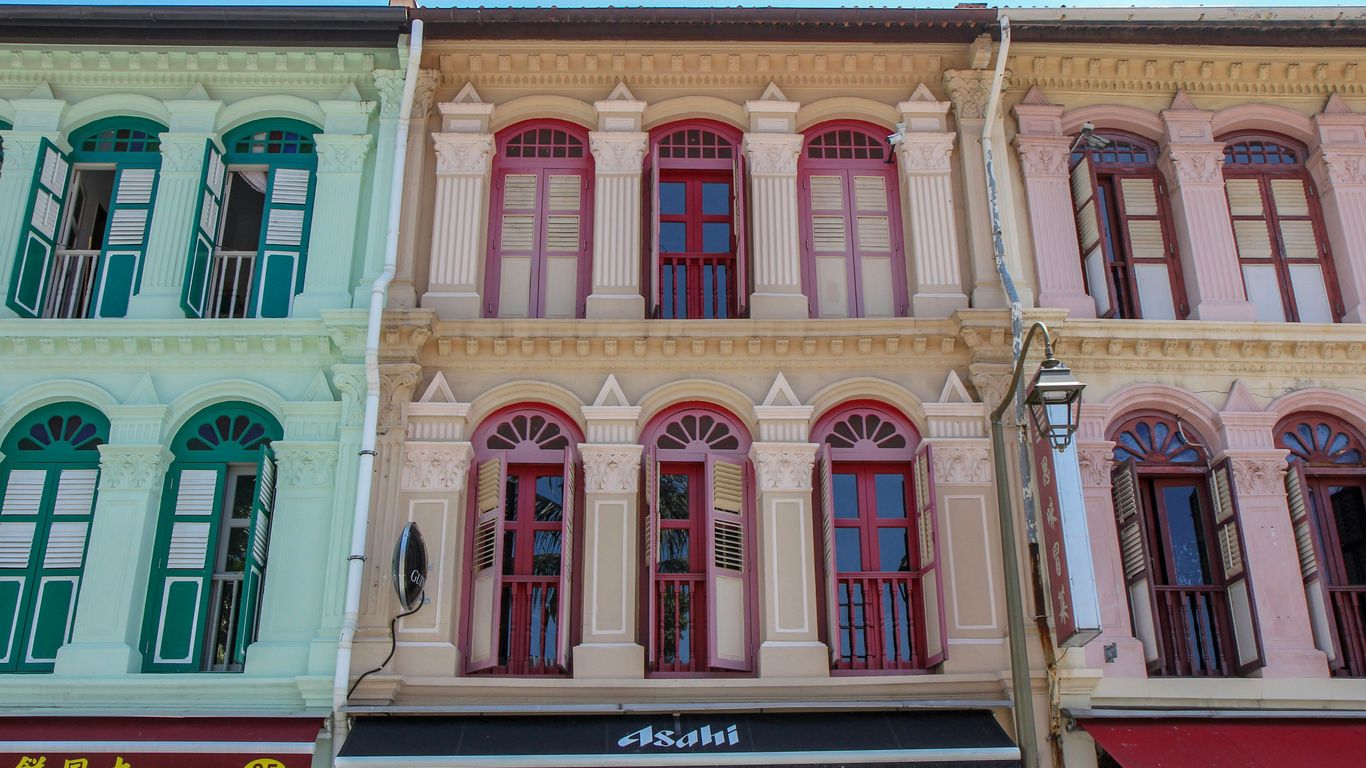
Haji Lane was once a critical stop for Southeast Asian Muslims travelling to Mecca for the pilgrimage. The narrow layout and traditional shophouses provided essential, low-cost lodging for travelers who had to save money during their long journey. These pilgrims often worked as hawkers in the surrounding area to fund the completion of their transit, cementing the lane’s status as a fundamental link in the regional Hajj route.
Transition from residential to commercial use
Following the mid-20th century, the demographic of the lane shifted as the transient pilgrim population diminished. For a time, these shophouses served as modest homes for local families navigating the changing economic landscape of post-independence Singapore. Eventually, as families moved out, the structures sat near-vacant until the early 2000s, when entrepreneurs saw potential in the gritty charm and central location of the Kampong Gelam district.
Modern-day heritage conservation efforts
Today, the preservation of these 19th-century structures is managed under strict urban planning guidelines that protect their historical facade. While the interior usage has been completely repurposed for contemporary retail, the exterior aesthetic remains a vital link to the past. Property owners or commercial leaseholders looking to navigate complex heritage contracts or potential commercial disputes might find it necessary to check contract law to ensure full compliance with current conservation laws.
Exploring the vibrant street art scene
Notable mural locations and themes
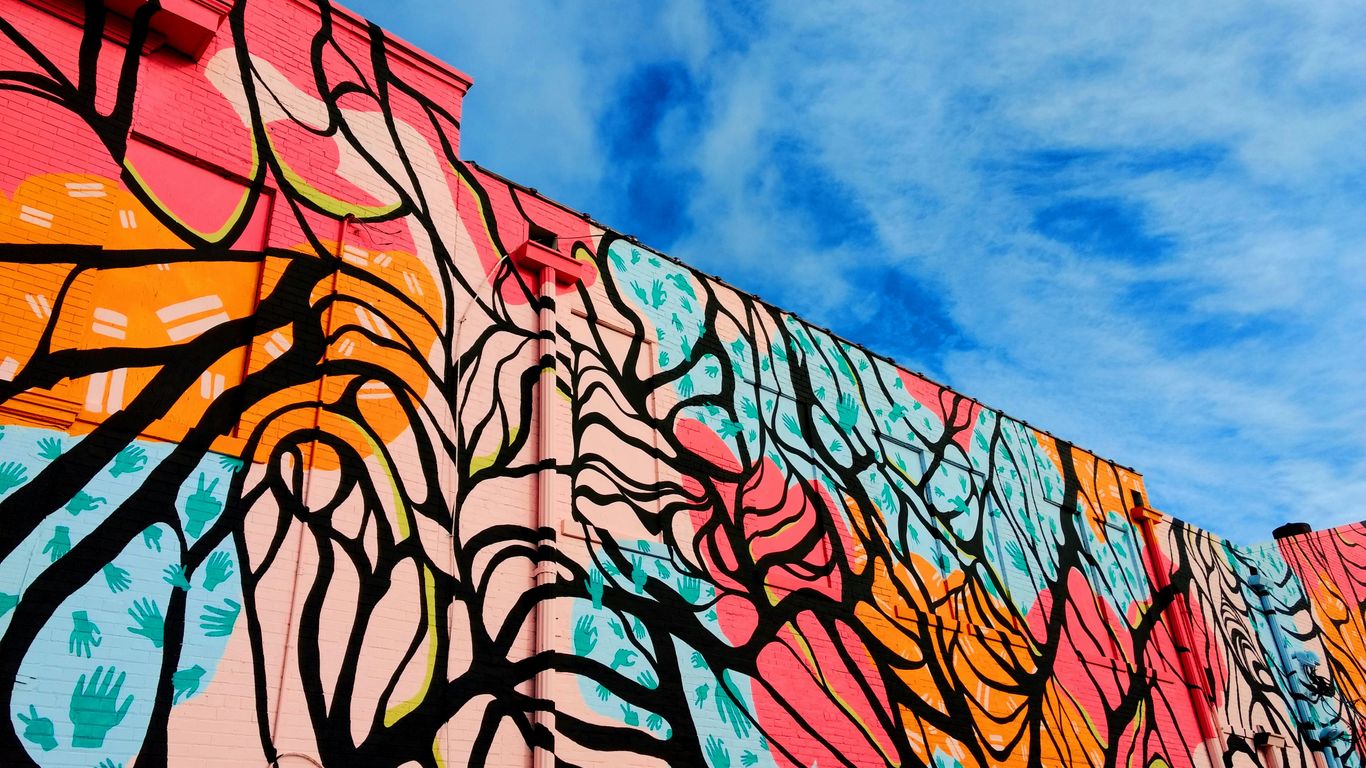
The walls of this narrow alley are adorned with diverse artistic expressions that range from intricate graffiti tags to sprawling large-scale portraits. These murals are not static; they change frequently as local businesses update their branding and creative partnerships. Visitors often pause to photograph the most iconic walls, which serve as an unconventional open-air gallery in the middle of the city.
The collaborative spirit of local street artists
Art in this district is rarely an individual pursuit, with many projects emerging from community-led initiatives between local businesses and professional muralists. This creates a cohesive, albeit varied, aesthetic that feels intentionally curated rather than haphazard. The result is a dynamic and ever-changing mural display that attracts both seasoned photographers and curious travelers looking for a creative escape in Singapore.
Best times of day for photography and natural lighting
Early morning light is generally superior for capturing the details of the wall art before the heavy crowds arrive. During midday, the narrow nature of the lane can create deep shadows that are difficult to work with for high-quality camera equipment. If you intend to use the murals as a backdrop, visiting just after sunrise provides soft, diffused natural light that illuminates the textures of the old brickwork.
Indie shopping and unique boutique experiences
Navigating the vintage clothing scene
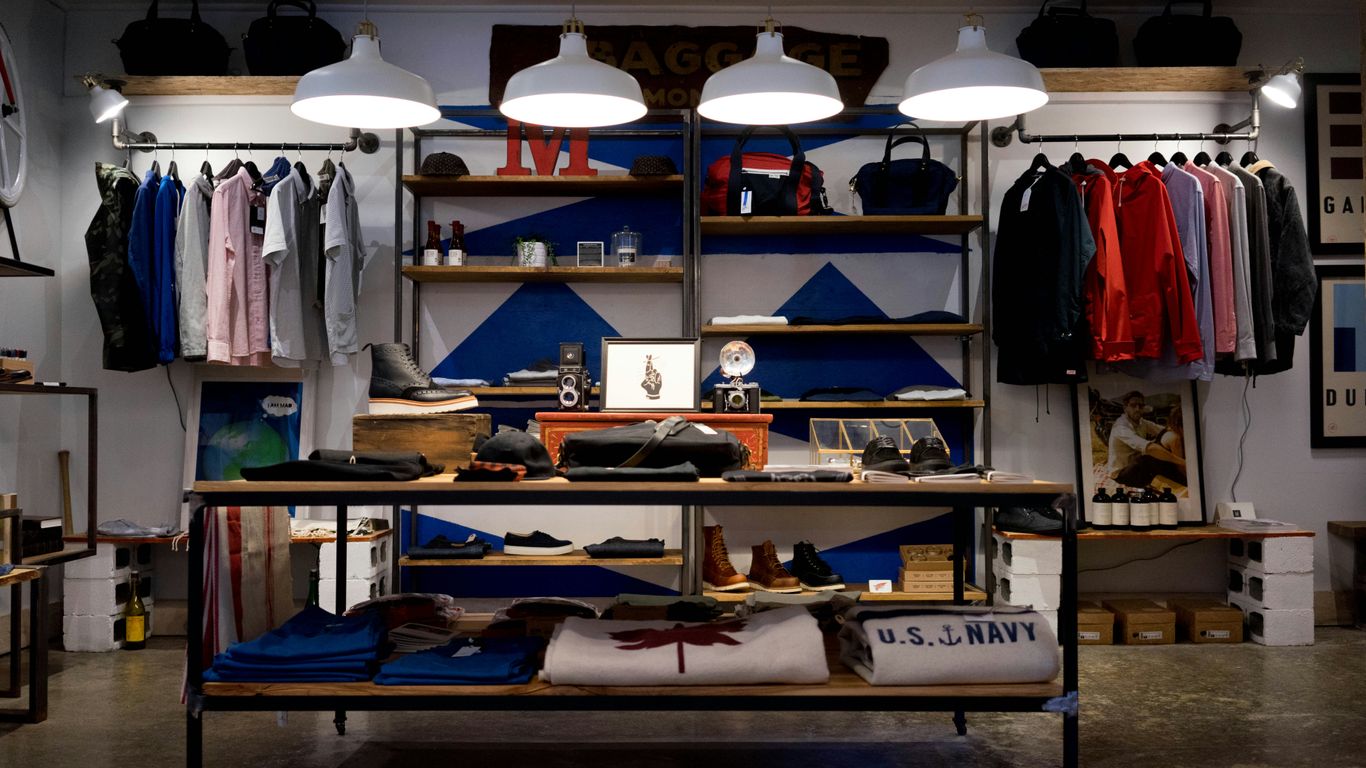
Thrifting in this pocket of the city requires a keen eye for quality and a willingness to explore narrow, clutter-filled shops. Many of these retailers specialize in curated selections that emphasize individuality over fast-fashion trends. You can easily spend an afternoon moving between these storefronts to discover rare items that aren’t typically available in the larger shopping malls.
Finding artisanal gifts and bespoke homeware
Beyond clothing, the lane hosts several outlets focused on small-batch crafts, home scents, and personalized design objects. These shops often work directly with the makers, meaning you are purchasing items that carry a clear provenance. A quick survey of the shopping landscape reveals a variety of specialized goods:
- Hand-poured soy candles inspired by local botanicals.
- Artisanal jewelry pieces featuring semi-precious stone work.
- Limited-edition illustrated postcards depicting local lifestyle scenes.
- Upcycled wooden furniture pieces sourced from regional workshops.
Supporting local Singaporean fashion entrepreneurship
By choosing to shop at these independent businesses, visitors directly contribute to the local creative economy. The entrepreneurs here often act as both the curators and the primary face of their brand, fostering a personalized retail experience that contrasts with corporate environments. Shopping here becomes a way to experience the vibe of modern Singaporean creativity firsthand.
Culinary highlights and diverse dining options
Iconic Middle Eastern dining traditions
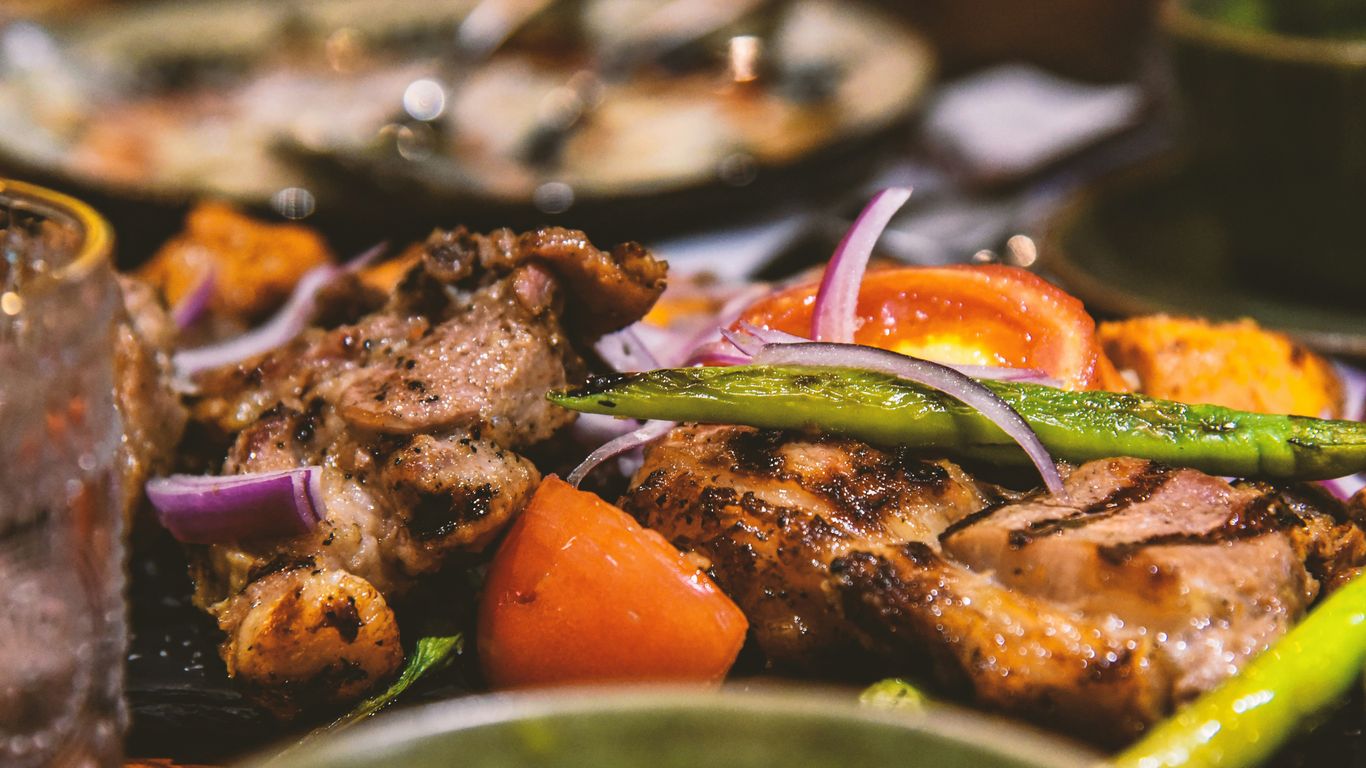
The culinary history of the lane is heavily influenced by the cultural roots of the surrounding Kampong Glam area. Middle Eastern restaurants feature prominently, offering everything from savory tagines to smoky shisha that spills out onto the pedestrian walkways. The following table highlights common dining types you should consider:
| Cuisine Type | Typical Experience | Casual/Formal |
|---|---|---|
| Middle Eastern | Platter-style shared dining | Casual outdoor |
| Specialty Coffee | High-grade artisanal brews | Indoor cafe |
| Asian Fusion | Innovative small-plate dishes | Casual dining |
The evolving cafe culture and specialty coffee scene
Coffee enthusiasts will find a high concentration of specialty roasters that focus on origin-sourced beans and precise brewing techniques. These venues often double as quiet workspaces during the morning, providing a starkly different experience compared to the bustling energy found in the late evening. For many, these trendy artistic escapes are the perfect place to pause after a long morning of walking.
Nightlife atmosphere and the local bar environment
When the sun sets, the lane undergoes a significant transformation as the boutiques close and the bars begin to fill up. Music often spills into the street, creating a festive atmosphere that is quite different from other parts of the city. If you choose to explore this nightlife, you can book a tour to find the best local hotspots.
Essential travel tips for visiting Haji Lane
Reaching the district via public transport
The most straightforward way to reach the area is by taking the MRT to the Bugis station. From there, it is an easy five-minute walk through the local streets toward the historic heart of Kampong Glam. Many visitors find that navigating the city’s well-connected subway system is far more efficient than worrying about parking or taxi availability in the narrow corridors surrounding the lane.
Optimal hours to visit for fewer crowds
Visiting during mid-week mornings is the only way to avoid the significant tourist activity that defined the weekends in Kampong Glam. Many shops do not open their doors until midday, so arrive early to appreciate the architecture and art without the congestion. If you prioritize a quiet experience, you will appreciate the peace before the daily rush begins.
Planning a wider walking tour of the Kampong Glam precinct
It is wise to treat the lane as one stop on a larger itinerary that covers the surrounding historic streets. You can extend your walk to the majestic Sultan Mosque or take the time to explore Haji Lane alongside the textile shops of Arab Street. Mapping your day to include these neighboring highlights ensures you do not miss the diverse layers of culture that make this area a standout destination.
Conclusion
Haji Lane perfectly captures the spirit of modern Singapore, where heritage and creativity collide to create a truly one-of-a-kind urban experience. By balancing a visit to the historic landmarks of Kampong Glam with an afternoon of exploring the independent spirit of this alleyway, you can walk away with a much deeper appreciation for the city’s artistic, culinary, and commercial evolution.
Frequently Asked Questions
Is Haji Lane suitable for children?
The area is generally pedestrian-friendly, though it can become quite crowded and loud, especially in the evenings when the bar scene is active.
Are there any entrance fees for visitors?
No, Haji Lane is a public street and there are no charges to walk through, view the street art, or browse the shops.
What type of clothing is sold in the boutiques?
You can find a wide range of items, including vintage clothing, locally designed streetwear, and unique handmade accessories not available in mainstream malls.
Is the street accessible for those with mobility aids?
The lane is flat and paved, making it relatively accessible, though the high volume of foot traffic and narrow shop entrances can create challenges during peak times.
Can I find vegetarian food options there?
Yes, many of the cafes and restaurants offer diverse menus that include vegetarian and vegan dishes, reflecting the cosmopolitan culinary landscape of modern Singapore.
How long should I spend at Haji Lane?
Depending on your interest in shopping and dining, you should allocate between two to four hours to fully explore the shops, art, and food venues.
Is it better to visit during the day or at night?
Daytime is best for photography and shopping, while nighttime is preferable if you are interested in the lively bar scene and alfresco dining experience.