
Key Takeaways
Planning a trip to this vibrant city involves balancing its unique cultural heritage with modern efficiency. These essential points will help you prepare for a memorable experience.
- Experience the diverse blend of ethnic districts for a true cultural immersion.
- Master hawker center etiquette to enjoy authentic local dining like a resident.
- Utilise a mix of guided tours and self-directed exploration for a balanced itinerary.
- Prepare for the tropical climate by staying hydrated and dressing for high humidity.
- Discover hidden natural treasures beyond the usual city centre tourist spots.
Understanding the cultural mosaic of Singapore
Singapore is a fascinating blend of cultures where tradition and modernity coexist seamlessly across its neighbourhoods. Visitors often find that the city rewards those who look past the gleaming skyscrapers to uncover the rich histories preserved in older districts.
Exploring the distinct identities of Chinatown, Little India, and Kampong Gelam
Each district offers a unique glimpse into the communities that built the nation, featuring distinct architectural styles and festive atmospheres. You might explore the Thian Hock Keng Temple to see beautiful Hokkien architecture before moving toward the bustling streets of Little India or the colourful facades of Kampong Gelam. Each area creates a sense of place that defines the local heritage and social fabric.
Understanding the historical significance of colonial architecture
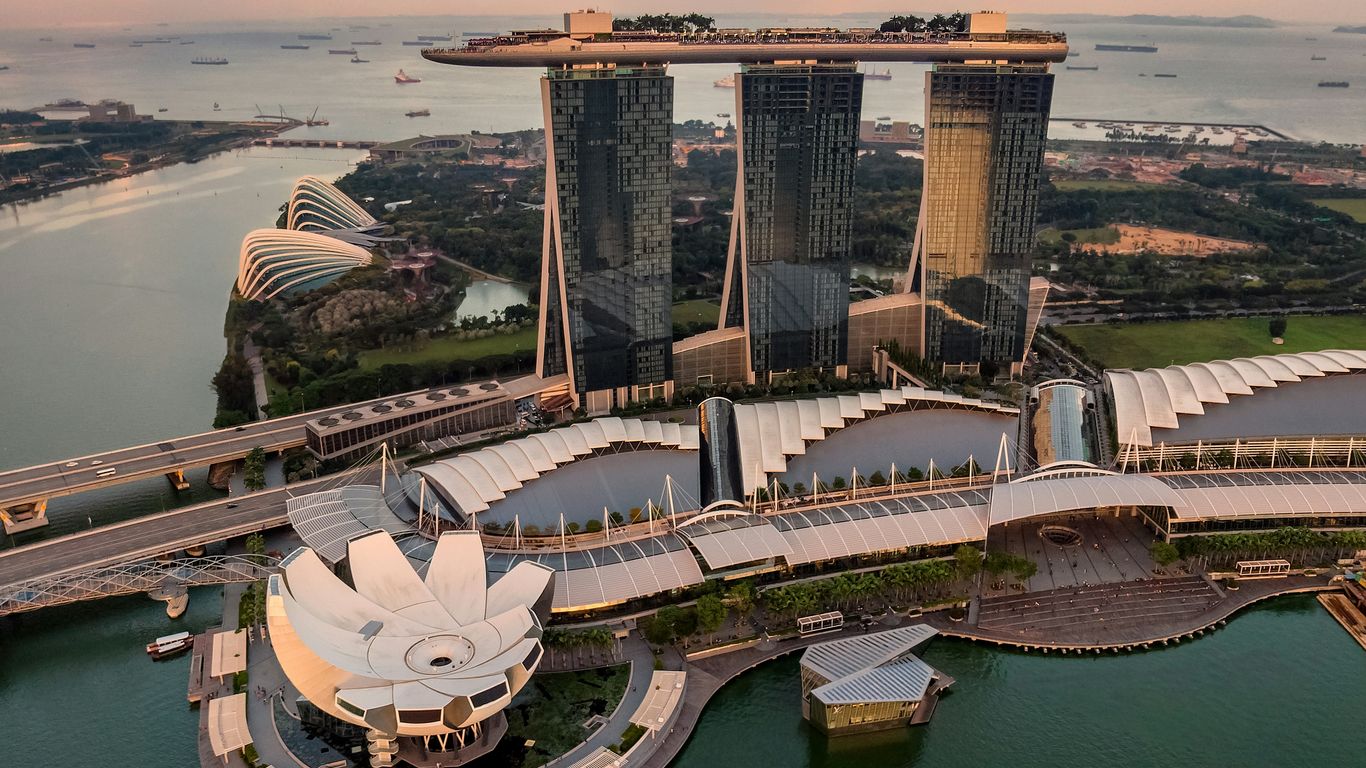
Central to the city’s story is the preserved landscape of early administrative and military sites, such as the expansive Fort Canning Park. Walking through these areas reveals the layers of development, from ancient trading links to the colonial influences that shaped the island’s urban layout. These historical grounds often feel surprisingly quiet, serving as a peaceful retreat from the surrounding commercial activity.
The role of English as a bridge across multicultural communities
One of the most remarkable aspects of daily life here is how language facilitates interaction across every social layer. English functions as the primary medium for business, education, and government, effectively acting as an essential communication bridge for the diverse populations living side-by-side. This shared language ensures that visitors can navigate the city with ease and participate in community life without significant barriers.
Navigating the diverse food scene
Dining in this city is much more than mere sustenance; it is a cultural cornerstone that defines the daily lives of residents. From humble open-air stalls to sophisticated dining rooms, the variety reflects the country’s multi-ethnic roots.
Essential etiquette for dining in hawker centres
When visiting popular hubs, keep these practices in mind to ensure a considerate stay for everyone around you:
- Reserve a seat with a packet of tissues or a small personal item.
- Return your used trays and crockery to the designated central collection points.
- Be prepared to share large tables during peak lunch hours.
- Carry small change to handle payments at older cash-only stalls.
- Practice patience when queues are long at famous stalls.
After you finish your meal, feel free to explore the surrounding stalls for local desserts. This community approach makes dining accessible and deeply inclusive for every type of traveller.
Balancing Michelin-starred experiences with street food staples
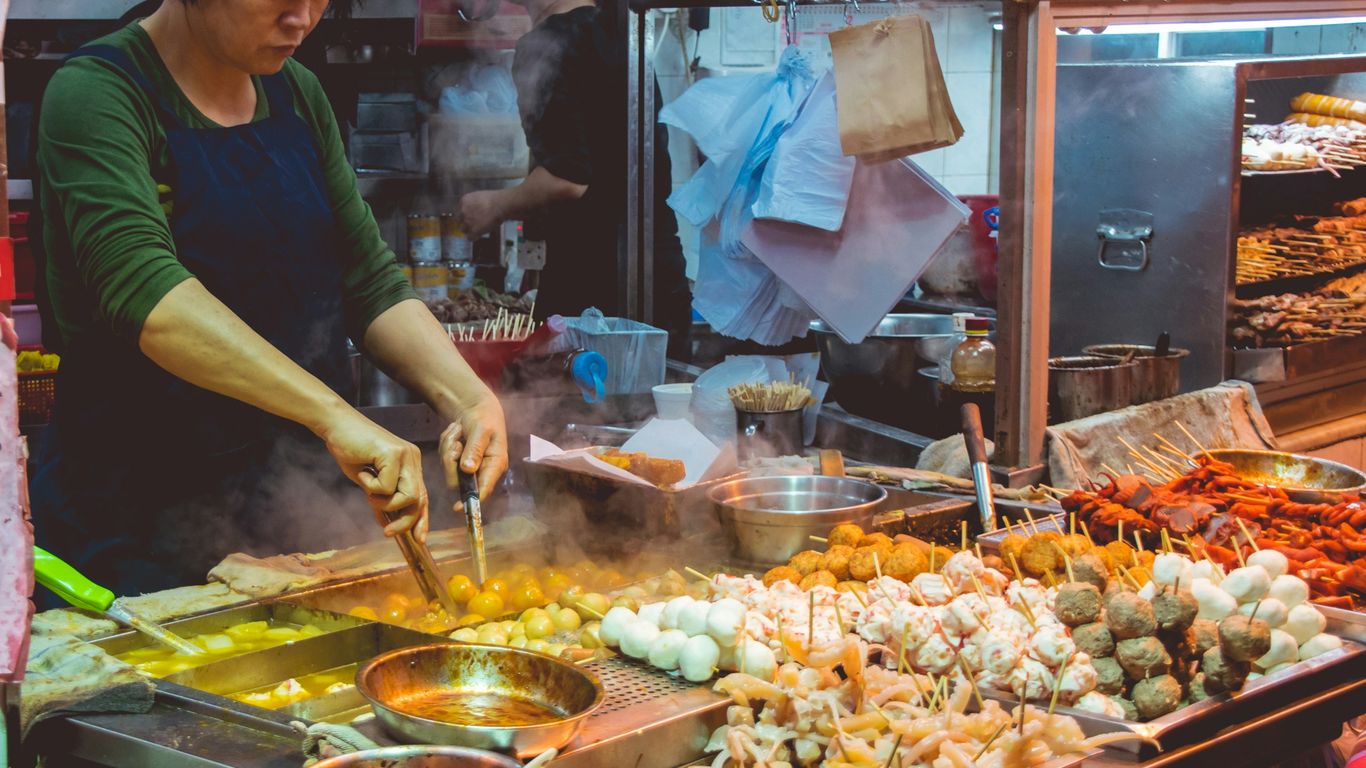
While the city is famous for its high-end culinary scene, many of its most memorable meals are found in classic locations like Lau Pa Sat. Transitioning between these extremes is part of the charm, as you might enjoy a refined dinner one night and a casual satay feast the next. This balance highlights a culinary culture that values flavour and craftsmanship regardless of the setting.
Navigating dietary requirements and halal-certified options
Finding suitable food options is straightforward, as most establishments are accustomed to diverse culinary needs and specific certifications. If you are specifically seeking traditional breakfast items and heritage snacks, head to Tiong Bahru Market for a wide selection of local favourites. Information regarding halal certification is typically displayed prominently at restaurant entrances or listed clearly in online directory services for your convenience.
Planning your itinerary with popular tour styles
Selecting the right tour can transform a standard holiday into a deeply personal discovery of the city’s hidden layers. Many visitors rely on Hello! Singapore Tours to gain insight into the city’s history and local way of life.
Benefits of guided walking tours for first-time visitors
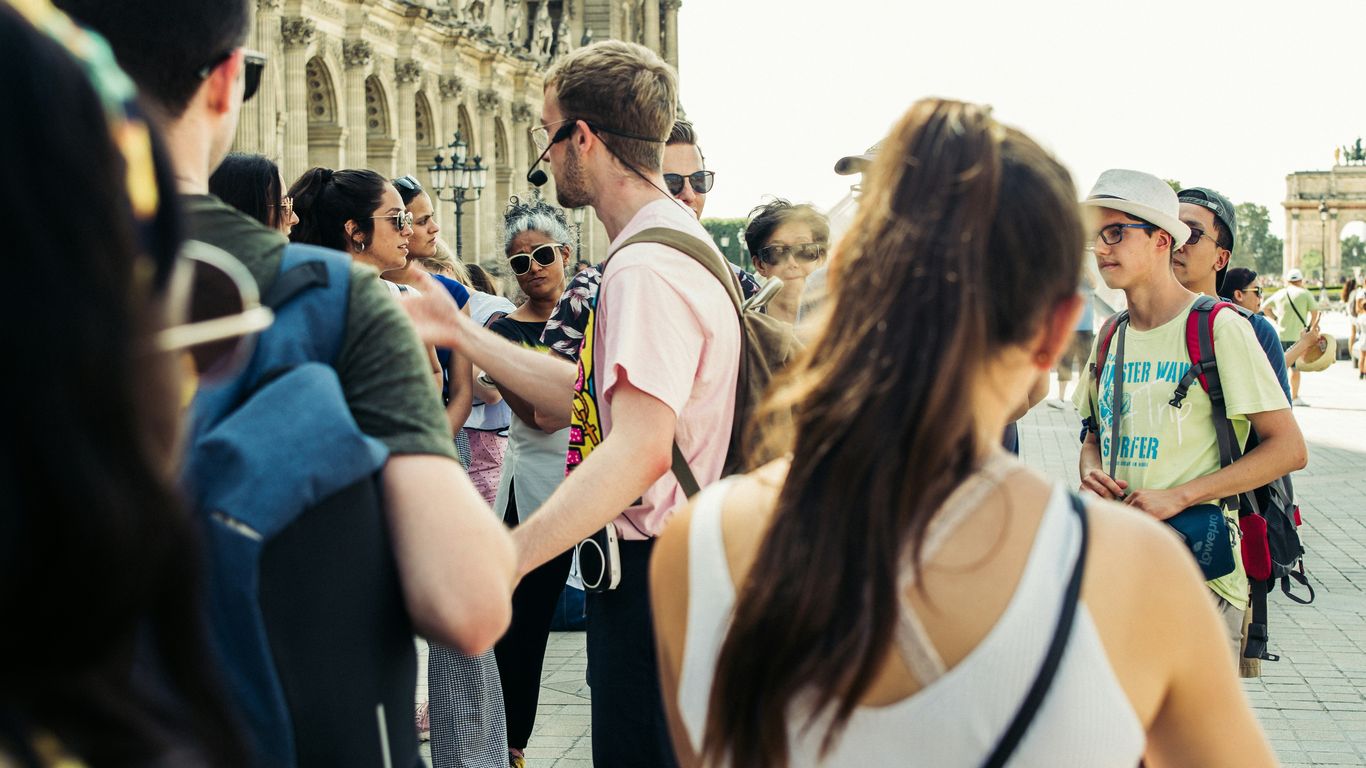
Guided walking tours provide a narrative frame that helps orient you within the dense city structure, allowing you to absorb historical context that might otherwise be missed. These tours create a connection to the environment, turning empty alleys and quiet monuments into informative stops. If you appreciate learning directly from experts who know the nuances of the local streets, these walks are highly recommended.
Customising private tours to suit personal interests
For those who prefer a flexible approach to sightseeing, you can book an experience that focuses entirely on your specific hobbies, such as photography, history, or culinary arts. This tailor-made service allows you to spend more time at sites that capture your attention while skipping areas of less interest. Having a professional guide focus solely on your group ensures that you move at a pace that is comfortable for you.
Choosing between morning culinary tours and evening sightseeing experiences
Selecting the best time of day helps you match your activities to your preferred pace of travel. Morning sessions often offer a cooler climate and a look at the freshest produce at local markets, while evening tours highlight the city skyline and bustling nocturnal energy. See the table below to help determine which style best fits your schedule:
| Tour Type | Key Focus | Best For |
|---|---|---|
| Morning Market Walk | Cultural food origins | Early risers |
| Afternoon History Tour | Architecture and heritage | History enthusiasts |
| Evening City Sightseeing | Nightlife and skyline | Photographers |
By matching your interests with the right time of day, you get the absolute best out of your time exploring these iconic districts.
Practical travel tips for a smooth holiday
Preparing for the logistical side of your trip can prevent delays and make your time here far more enjoyable. Navigating the city effectively requires an understanding of both the environment and the local transport infrastructure.
Managing the local climate and humidity during outdoor activities
High temperatures and humidity levels are consistent throughout the year, so it is necessary to integrate cooling breaks into your outdoor plans. If you are heading out to places like Sungei Buloh Wetland Reserve, remember to carry enough water, apply high-SPF protection, and wear appropriate fabrics. Trying to do too much during the heat of midday can lead to fatigue, so scheduling more strenuous activities for the early morning is a wise decision.
Utilising public transport and ride-sharing applications efficiently
The public transit network is exceptionally clean and reaches almost every tourist attraction, making it the most practical choice for getting around the city. Download local transit apps to track bus arrival times and train schedules, which can save youSignificant amount of time between districts. Ride-sharing services are also readily available for days when you prefer direct, door-to-door transport.
Understanding entry requirements and local customs for international travellers
Ensuring all your paperwork is in order before arrival is paramount for a stress-free entry experience. It is also wise to understand your rights and potential local regulations, which may vary depending on your specific needs, such as understand workers’ compensation time limits or other legal nuances if you are temporarily working or staying for an extended duration. Respecting local customs and quiet public environments will ensure that you are welcomed warmly wherever you go.
Discovering beyond the main tourist attractions
Taking the time to venture into residential heartlands or tranquil nature reserves offers a refreshing change of pace from the city centre. These spots offer a genuine perspective on daily life and the lush, green side of the city.
Exploring green spaces like the Botanic Gardens and Southern Ridges
Nature trails and sprawling parklands provide necessary relief from the bustling urban sprawl, making them perfect for leisurely weekend mornings. You might find a spot to sit in the shade, observe local flora, and witness residents enjoying their own city parks. These spaces demonstrate how the nation integrates nature into its infrastructure, prioritising green corridors that link urban areas with preserved forest patches.
Visiting local residential neighbourhoods for a glimpse of daily life
To see how the majority of the population lives, take a ride to residential towns beyond the central district where community centres and heartland markets serve as social hubs. Ordering coffee in a casual neighbourhood café allows you to blend in and observe the quiet, steady rhythm of local life away from the neon lights of tourist zones. It is here that you will likely find the most authentic and affordable food experiences.
Taking short excursions to offshore islands like Pulau Ubin
For a truly different perspective, consider a short boat trip to one of the nearby islands that retain features of the country’s rural past. These areas offer unpaved paths, traditional villages, and abundant wildlife that feel like a world away from the skyscraper-filled central business district. It is a peaceful way to conclude your trip by reconnecting with the quieter, more rustic side of the island nation.
Conclusion
Planning a visit to this captivating destination is a balance of embracing the high-speed urbanity and finding time for the quiet moments in its vibrant neighbourhoods. Whether you are sampling street snacks at a local hawker centre or exploring the historical remnants of old forts, each encounter adds a layer of depth to your understanding of the city. With a bit of mindful preparation, your time spent here will translate into a collection of wonderful experiences that capture the essence of this unique island culture.
Frequently Asked Questions
Is it safe to drink the tap water in Singapore?
Yes, the tap water is completely safe to drink and meets international standards, so you can refill your reusable bottles throughout the day without any concerns.
What is the most convenient way to travel around the city?
Public transport, particularly the MRT train system, is the most efficient and cost-effective way to reach major landmarks, as it covers the entire island.
Is tipping customary at restaurants here?
No, tipping is not standard or expected at restaurants or hawker centres, as many places include a service charge, and local workers do not rely on tips for their income.
Do I need a visa to enter for a short holiday?
Visa requirements vary by nationality, so it is important to check the latest guidance from the official immigration authority for your specific country before you book your trip.
What is the best time of year to visit for good weather?
While it is warm and humid year-round, the dryer months between February and April can offer slightly less rainfall, though you should always be prepared for occasional tropical showers.
Are English-language tours widely available?
Yes, English is the primary language used for most tours, business services, and public information materials, making it very easy for international travellers to navigate and communicate.
Do I need to dress conservatively when visiting religious sites?
Yes, it is respectful to dress modestly when entering places of worship, which typically involves covering your shoulders and knees to show proper decorum.