
Key Takeaways
Tiong Bahru Market stands as a cornerstone of Singaporean heritage, blending historical charm with delicious culinary traditions. Visitors will appreciate these essential highlights:
- Experience the unique Streamline Moderne architecture that defines this heritage-rich estate.
- Sample iconic heritage snacks like chwee kueh and local roast meats.
- Navigate the dual-level layout easily to find fresh goods and cooked food.
- Visit during off-peak hours to avoid the intense weekend queuing crowds.
- Plan your trip with public transport to access this vibrant community hub.
History of Tiong Bahru Market
The market serves as a reflection of Singapore’s social and architectural evolution since the early post-war years. When planning your visit to this historic site, checking out Beverly Hills Bed options might be a secondary thought for a future holiday, but focus remains on the structural legacy left behind.
Origins of the estate and market
Developed by the Singapore Improvement Trust in the 1930s, the estate was designed to alleviate the housing shortage in the crowded city centre. Residents from around the island found themselves part of a planned community, which eventually required a dedicated space for gathering and supply distribution.
The Streamline Moderne architectural design
One cannot miss the distinctive visual style characterizing the neighbourhood, which is quite rare for local housing projects. The area features curved balconies and rounded corners, mimicking the aesthetic of early 20th-century ocean liners, lending it a timeless, nautical flair.
Renovations and community significance
Over the decades, the facility has undergone several updates to remain relevant in a modern economy. The most recent major renovations helped revitalize the interior, allowing traditional hawkers to serve their loyal customer base while maintaining the authentic Singaporean flavors that defined the location for generations.
Navigating the market layout

Navigating the market layout is straightforward once you grasp the division between the commercial fresh goods and the popular culinary destination upstairs. Visitors typically move through the ground-level chaos of the wet market to reach the more serene, bustling environment on the second floor.
Understanding the ground floor wet market
The ground floor is a hive of activity where local vendors sell fresh produce, seafood, and high-quality meats daily. You might notice specific vendors who have held their spots for decades, providing a steady inventory to neighborhood cooks who appreciate fresh ingredients.
Locating the second-floor food centre
Once you ascend the escalators, the environment changes from a marketplace to a sprawling canteen filled with smoke and laughter. The Tiong Bahru Market experience is incomplete without finding a seat in this second-floor center, which functions as the heart of the community breakfast scene.
Interpreting stall numbering systems
Tracking down specific stalls requires an eye for the standardized numbering used across the floor, though sometimes landmarks are more helpful. To keep track of your dining itinerary efficiently, you can use a simple planning table to organize your stops.
| Stall Name | Specialty Item | Floor Location |
|---|---|---|
| Jian Bo Shui Kueh | Steamed rice cakes | Second Level |
| Lee Hong Kee | Cantonese roasted meat | Second Level |
| Fresh Coffee Stall | Traditional hot brew | First Level |
Using this logic, you can easily map out your progression from breakfast staples downstairs to main meals on the upper level, ensuring a productive visit to the tiong bahru market site without unnecessary aimless wandering.
Must-try local cuisines
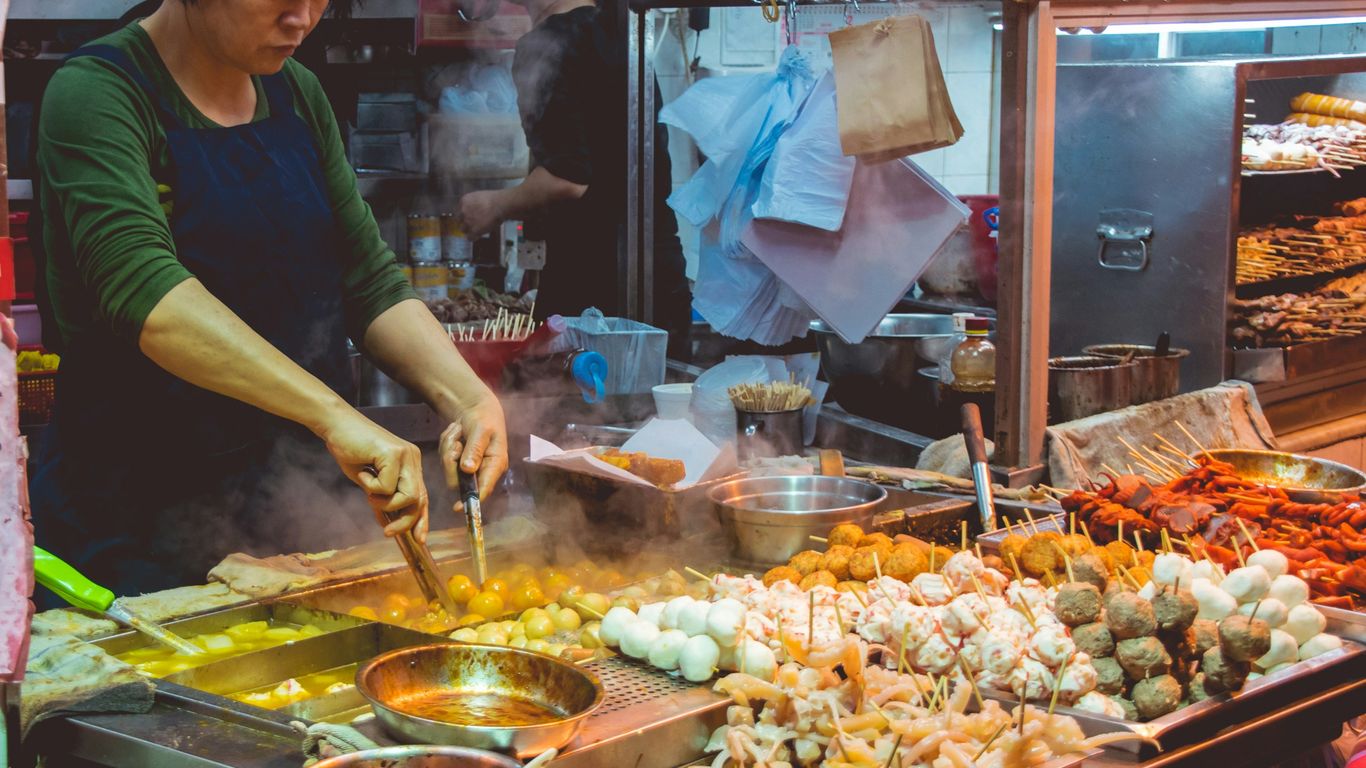
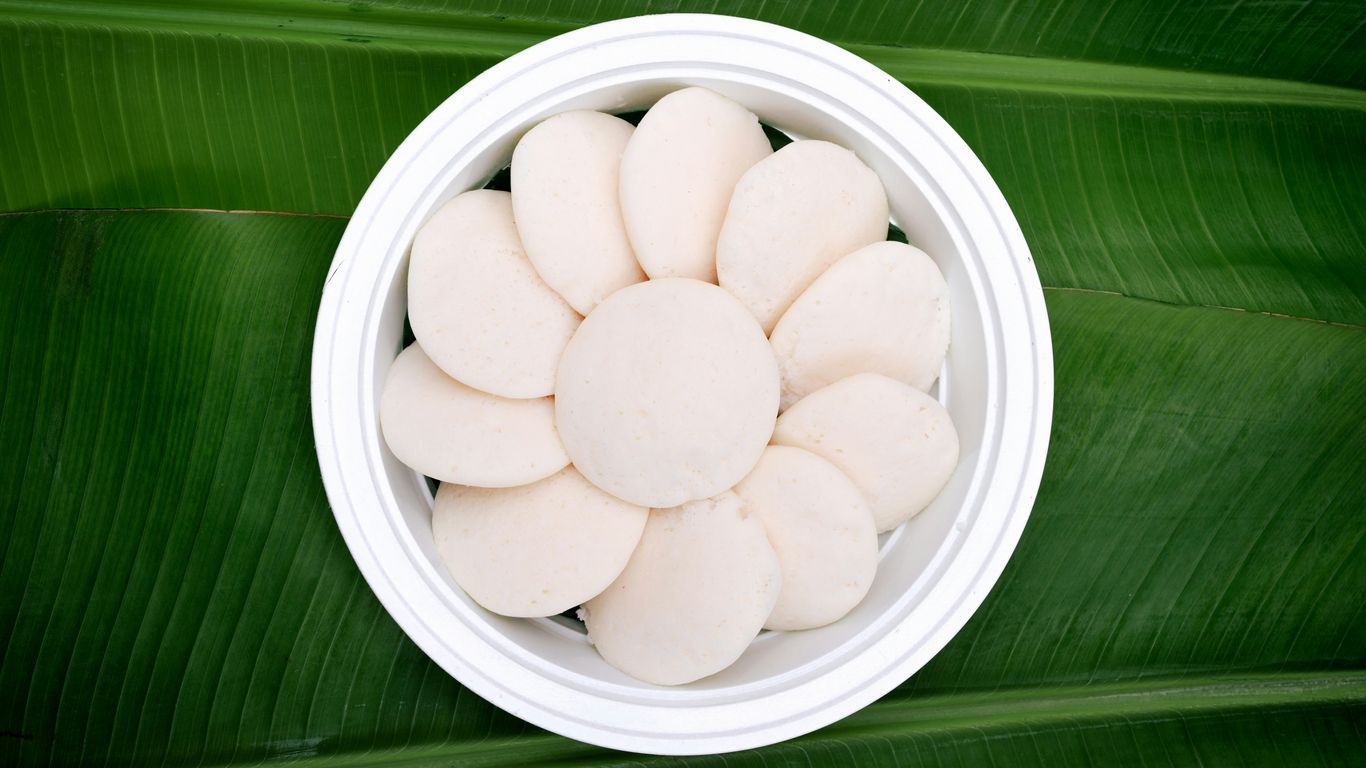
Selecting dishes in the second level can be overwhelming due to the density of options, but certain items remain perennial favorites. Readers can explore authentic Singaporean flavors at their own pace, moving through the rows to sample various regional influences that define this specific hub.
Exploring traditional chwee kueh stalls
These steamed rice cakes topped with preserved radish are essential for anyone seeking the classic taste of old Singapore. The specific texture of the rice cake and the savory kick of the toppings found here remain widely celebrated across the city.
Popular noodle dishes and their variations
For those who prefer a hearty bowl, the variety of noodles on offer is quite vast, ranging from fishball preparations to prawn-rich broths. Enthusiasts can easily book a tour if they wish to discover the deeper nuances of these culinary variations with a group.
Quality roasted meats and rice specialties
Roast meat stalls provide a rich, savory contrast to the lighter breakfast options, featuring crisp pork skin and tender char siew. These recipes often hide secrets passed down through family generations, making them a significant part of the heritage experience.
Local desserts and breakfast staples
- Traditional soya bean milk for a refreshing midday drink.
- Nonya kueh platters featuring sweet, coconut-based fillings.
- Classic kaya toast pairing for a nostalgic morning treat.
Following these suggestions will allow visitors to round out their hunger with items that have anchored the reputation of the food centre for years. These items contrast well with the more savory noodle dishes encountered earlier in the visit.
Shopping at the wet market

Shopping downstairs involves engaging with specialized vendors who possess deep knowledge of their trade. Whether looking for seasonal flowers, organic eggs, or specific spices, the variety found here supports a diverse range of cooking styles that continue historic neighbourhood traditions today.
Sourcing fresh produce and local seafood
Local seafood is a major draw, with many residents coming early in the morning to secure the best catches for their evening meals. The freshness of the prawns and fish is evident, and the vendors are often quite happy to offer advice on the best ways to prepare your purchase.
Specialty dry goods and spice vendors
The dry goods section offers a deep dive into the foundational elements of regional cuisine, containing everything from dried mushrooms to artisanal sauce blends. Visiting these stalls often informs how you manage your own pantry, as the quality exceeds that of standard grocery store offerings.
Finding unique artisan and coffee stalls
Coffee culture is alive and well in the ground level, where old-school blends are ground fresh and served to locals gathering for a chat. These artisan touches make the process of shopping for daily necessities feel far more personal than a standard retail transaction.
Essential visitor information
The facility is highly accessible, though peak times can significantly affect your comfort and speed of service. Knowing when to go ensures a smoother visit to this heritage breakfast spot within the city.
Best times to beat the weekend crowds
Weekdays consistently offer a more relaxed atmosphere compared to the frantic pace seen during the weekend mornings. Aim to arrive before 9 AM on a Tuesday or Wednesday for the most authentic and unhurried experience at the stalls.
Public transport and accessibility options
The proximity to metro stations and bus routes makes reaching the market simple regardless of your starting point in the city. Signs around the surrounding estate provide clear guidance, and the area is flat enough to navigate easily for visitors with walking aids.
Cash requirements and common payment methods
While many modern vendors now accept digital payments, carrying cash remains a smart strategy for smaller, traditional stalls. Having small denominations allows for quick transactions, particularly when dealing with high-volume breakfast vendors who prefer rapid throughput.
Tips for comfortable dining during peak hours
Dining during peak lunch hours requires patience and a strategy for claiming a seat before securing your food. Scouting for a table as soon as you arrive, or visiting with a friend who can hold your spot, helps manage the crowds effectively.
Conclusion
Combining rich architectural history with a vibrant food scene, this landmark provides a unique window into local life that rewards those who take the time to explore its many levels. Whether you are searching for the perfect bowl of noodles or just a moment of quiet connection with the estate’s heritage, you will find it here.
Frequently Asked Questions
Is the market open daily for visitors?
The facility typically operates daily, though some individual hawker stalls take their own rest days throughout the week and may be closed.
Can I find vegetarian food options inside?
Yes, several stalls offer plant-based dishes, including traditional noodle preparations and various vegetable-based snacks, making it accessible for most dietary preferences.
Are there elevators for people with mobility issues?
The building is equipped with accessible facilities, including lift access, allowing visitors to easily move between the wet market level and the food centre upstairs.
Should I bring my own take-away containers?
While vendors provide standard packaging, bringing your own containers is an environmentally conscious choice that many locals appreciate for personal food purchases.
Is there wifi available for guests?
Public wifi is generally not provided inside the hawker center, encouraging guests to focus on their dining experience rather than digital distractions.
How early do the food stalls open?
Many breakfast-focused stalls begin their preparations very early in the morning, often starting service by 7 AM to accommodate the local community’s morning routines.
Is parking available for those driving?
Public parking is available in the vicinity of the market, though spaces can fill quickly during the busiest weekend periods, so arriving early or using public transit is encouraged.