
Key Takeaways
Fort Canning Park stands as a historic landmark in the heart of Singapore, offering a blend of ancient lore and colonial legacy alongside lush green spaces.
- Explore the storied past of Bukit Larangan, once the Forbidden Hill of Malay royalty.
- Discover remnants of the colonial era, including the sturdy Fort Gate.
- Wander through the diverse, spice-rich landscapes of the park’s botanical gardens.
- Benefit from easy public transport accessibility through multiple nearby MRT stations.
- Learn essential visitor tips for navigating the hill and capturing the perfect landscape photos.
The rich history of Fort Canning Hill
Fort Canning Hill is much more than a green space; it is a profound witness to the shifting tides of history on the island. From its ancient origins as a royal burial site to its transformation into a military powerhouse, the hill remains a cornerstone of the nation’s cultural narrative. Scholars often Discover smart insights into these historical layers, which continue to attract curious visitors and local researchers alike.
Origins as Bukit Larangan and the Malay kingdom
Before it was known by its current name, the location was referred to by the Malay community as Bukit Larangan, or the Forbidden Hill. Ancient legends suggest that the kings of the thirteenth-century kingdom of Singapura held court here, and the land was considered sacred, if not slightly eerie, to local inhabitants. Exploring this historic site allows visitors to trace the footsteps of early settlers who looked out over the surrounding trading centre.
The arrival of Sir Stamford Raffles and the government residence
When Sir Stamford Raffles arrived in 1819, he quickly recognized the strategic value of the hill overlooking the city. He constructed his residence here, effectively establishing the first botanical gardens on the site to experiment with exotic crops. This era transformed the hill into a beacon of British influence, a period meticulously detailed in broader histories regarding the evolution of the landscape.
Military transition and the British colonial fort
By the mid-1800s, the hilltop underwent a major military restructuring to enhance the defense of the region. The construction of the fort leveled the summit, stripping away much of the royal aura to build a barracks and defensive strongholds. You can still see the impact of this transition, which effectively locked the site into a military function that persisted for generations, while scientists continue to Explore the vital role of Gonadotropins, particularly hCG, in pregnancy and cancer detection in related studies on heritage preservation.
Unmissable monuments and heritage sites
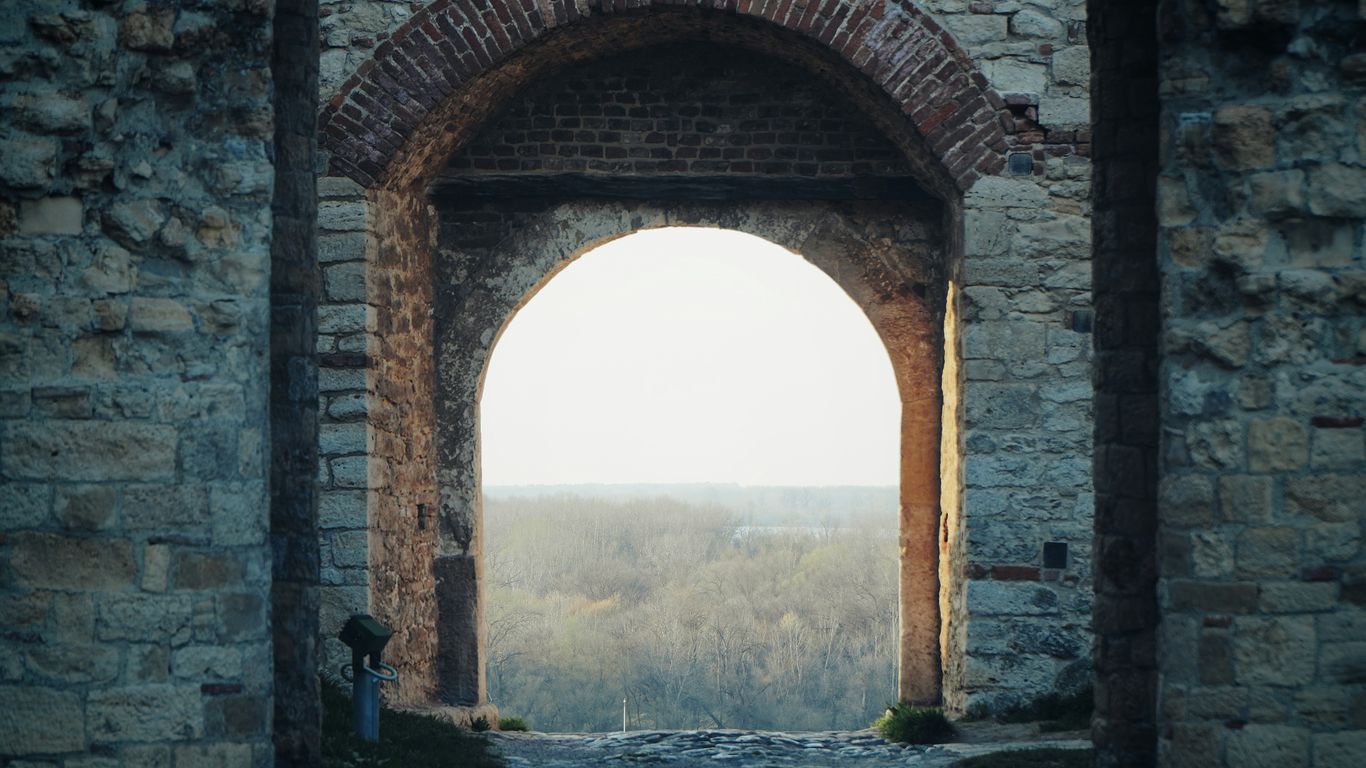
Walking the grounds of the park reveals a landscape punctuated by silent reminders of the past. These monuments are not just stone and brick; they are artifacts of a legacy that shaped modern Singapore, providing context for the vibrant city that surrounds the hill today.
Exploring the architectural remains of Fort Gate
Fort Gate stands as the final remaining structure of the massive colonial fort that once dominated the skyline. The sturdy, arched structure serves as a striking entry point for visitors wandering into the inner park area. Its preservation serves as a vital anchor for historical tourism by connecting us to the nineteenth-century military architecture.
Discovering the old Christian cemetery and memorial walls
Beyond the fort walls, the old Christian cemetery offers a somber, reflective space. The memorial walls, which incorporate salvaged gravestones, are remnants of a time when this was a primary burial ground for the European community. It is a peaceful, albeit quiet area, and many travelers love how these hidden stories add depth to a casual morning stroll.
Insights from the archaeological excavation sites
Historical digging at the site has revealed artifacts dating back to the fourteenth century, proving the existence of a sophisticated trading kingdom long before colonial arrival. These digs have provided invaluable clay fragments and domestic tools that tell the story of everyday life in long-lost Temasek. Visitors can observe these findings through interpretive panels that explain the long-standing cultural importance of the ground beneath their feet.
Nature trails and botanical gardens

Nature lovers frequent the hilltop to escape the relentless metropolitan noise and enjoy a breath of fresh air. The curated gardens and trails here serve as a living museum, showcasing native and brought-in greenery that thrives in the tropical climate.
The diverse plant collections in the Spice Garden
The Spice Garden is a sensory experience, housing more than 180 distinct varieties of exotic herbs and spices. It serves as a modern recreation of the original experimental gardens planted by Raffles, effectively bridging the divide between historical agriculture and modern botany. Visitors often find that the best culinary inspirations begin with a walk through these fragrant, well-tended beds.
Identifying the park’s protected heritage trees
These massive, mature specimens are guarded for their significant historical and botanical value. Below is a breakdown of the tree categories you might encounter during your visit:
| Tree Category | Significance | Typical Location |
|---|---|---|
| Heritage Giants | Cultural Heritage | Park Perimeters |
| Flowering Natives | Biodiversity | Spice Garden Zones |
| Ornamental Exotics | Aesthetic Value | Formal Garden Paths |
These trees are protected to ensure that future generations can enjoy the majestic canopy and natural beauty that defines this urban sanctuary.
Finding peace in the design of the Water Garden
Designed to evoke the feel of the legendary forgotten springs, the Water Garden is a masterclass in calm engineering. The flow of water here mirrors the ancient bathing rituals of noble ladies, providing a serene backdrop for meditation or simple quiet time. It sits in stark contrast to the nearby central business district, offering a brief, meaningful pause in the schedule of any busy traveler.
Practical tips for a successful visit
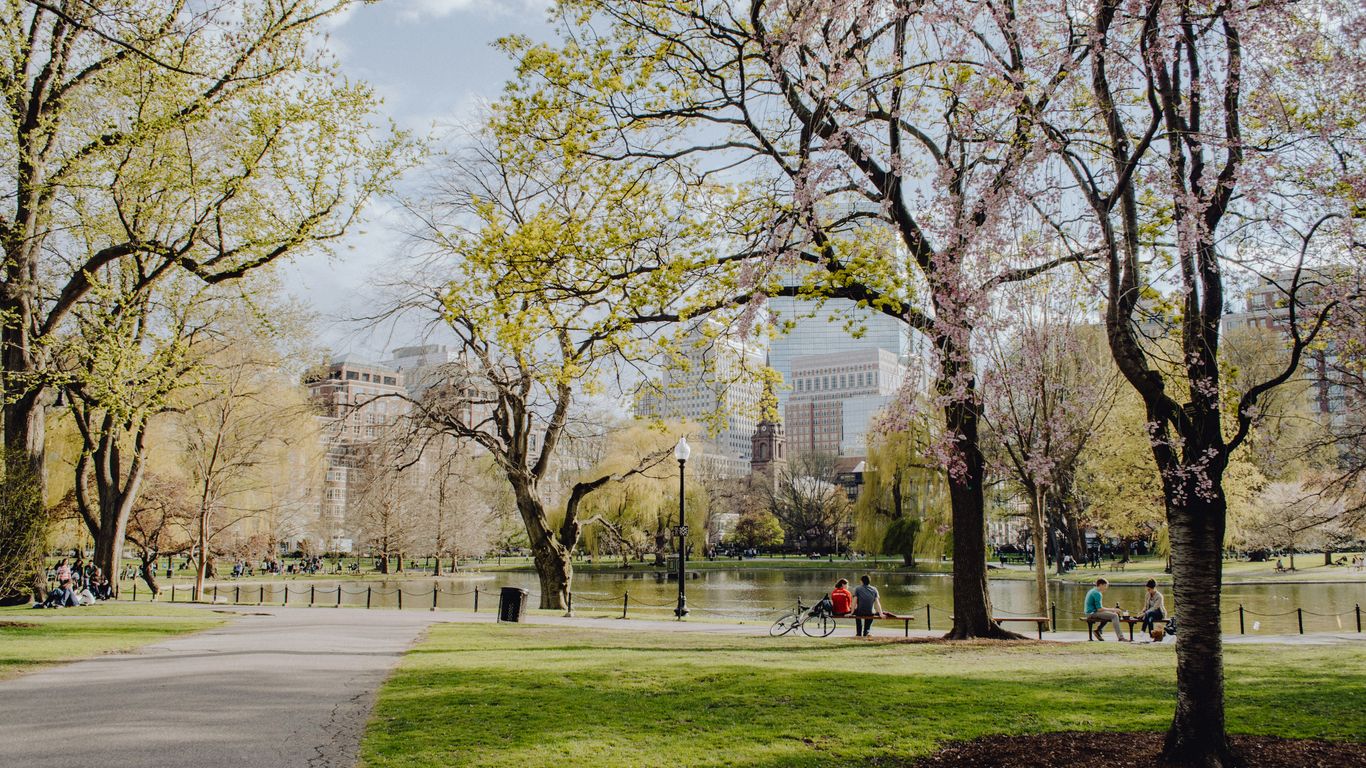
Navigating the hill effectively allows for a more relaxed, fulfilling experience. Since the area is steep and offers several entry points, a little preparation helps you make the most of your time.
Getting there via MRT and local public transport
Reaching the park is incredibly convenient thanks to the extensive rail network. Whether you arrive at Fort Canning MRT, Dhoby Ghaut, or Clarke Quay station, the park is a short walk away. This efficient access method is generally preferred by those arriving from distant parts of the city.
Navigating accessibility and the hilly terrain
While the slopes can be challenging, the park provides specific accessible routes via the drop-off points at the Cox Terrace roundabout. We suggest to all casual explorers:
- Wear breathable, light clothing due to the high humidity.
- Carry plenty of water to stay hydrated during climbs.
- Use the provided maps to follow the wheelchair-friendly paths.
- Rest frequently at the shaded benches located along the main trails.
Planning around the terrain ensures that everyone, regardless of fitness level, can enjoy the heritage sites and natural beauty without burnout.
Recommended times of day to beat the Singapore heat
Early morning is universally considered the best time to visit, as the air is cool and the light is soft. Late afternoons are a close second, as the shadows lengthen and the temperature drops just enough to make the climb to the top a pleasure rather than a chore.
Photography and iconic visitor spots
Capturing the aesthetic quality of the hill has become a central part of the visitor experience. With diverse lighting and architectural geometry, it is a playground for anyone with a camera.
Tips for managing crowds at the Fort Canning Tree Tunnel
Because this spot attracts a large volume of selfie-seekers, arriving at sunrise is the most effective way to secure a clear frame. If you find yourself in a queue, waiting patiently is the local etiquette, as many others are also hoping for the same perfect, minimalist shot through the spiral light.
Finding scenic city viewpoints for landscape photography
Beyond the tunnel, there are numerous vantage points where you can frame the juxtaposition of historic stone gates against the gleaming glass towers of the city. These shots capture the unique tension between the old and the new. It is a truly striking visual contrast that defines the experience of being in this specific urban center.
Requirements for commercial filming and photography permits
For large-scale professional projects or organized commercial shoots, you must obtain a formal permit from the local authorities. This ensures that historical sites are protected and that the daily flow of other park visitors remains uninterrupted by bulky production equipment.
Recreational offerings and visitor experiences
Providing an open space for everyone to enjoy, the hill is frequently used for yoga, morning runs, and casual gatherings. Bringing the community together is a core function of the park design as it serves as a common ground for residents and international tourists alike.
Suggested walking routes for casual park visitors
Casual visitors can create their own loop by starting at the bottom near the heritage gate and zigzagging up to the summit to see the reservoir. Following the perimeter paths allows you to cover the most ground without needing to master the steepest, direct inclines.
Guidelines for hosting outdoor events and gatherings
If you plan to host a solemnization or an outdoor picnic event, checking the official site for rules is essential. Maintaining the cleanliness and integrity of the lawns is a shared responsibility, and small groups typically do not require permits unless they are setting up elaborate sound systems or structures.
Connecting to nearby cultural districts and the central business district
You will find that the hill sits right at the junction of several vibrant neighborhoods and shopping hubs. Once done with your trek, you can easily walk over to discover the vibrant life found in adjacent streets or head to the iconic market for a snack. The park acts as a functional hub that ties these different experiences together into a complete day out.
Conclusion
Exploring this historic hill is a journey through layers of time, from an ancient kingdom to a modern botanical sanctuary that continues to surprise and inspire those who walk its trails.
Frequently Asked Questions
Is there an admission fee for entering the park?
No, the park is a public space and is open for free to all visitors throughout the day.
Can I reach the park using the MRT?
Yes, multiple stations including Fort Canning, Dhoby Ghaut, and Clarke Quay provide direct walking access to the park entrance.
Are the heritage trails accessible with a stroller or wheelchair?
While there are designated accessible routes, some parts of the park feature steep terrain, so route planning is recommended.
What is the best way to avoid the mid-day heat at the park?
Visiting during early morning hours or late in the afternoon ensures you avoid the most intense sun while keeping your walk comfortable.
Can I host a private event in the park?
Most group activities and private events are accommodated following a simple application process for permit approval.
Are there dining options inside the park?
While there are few formal restaurants, the park is very close to several famous dining hubs that offer extensive food options just a short walk away.
When is the park open to the public?
The park grounds are accessible twenty-four hours a day, allowing for morning jogs or evening strolls at your convenience.
Book Your Singapore Culinary Experience
Ready to extend your day of exploration into a delicious evening? Book Now for our specially curated dining experiences that bring together the best flavors of the local culture and heritage. We guarantee that a meal after a day of walking is the perfect way to cap off your visit to the historic hilltop.