
Key Takeaways
Fort Canning Park offers a perfect blend of lush nature and deep-rooted Singaporean history, serving as a peaceful urban escape. This guide helps you navigate its sprawling grounds effectively.
- Access the park using multiple entry points located near Dhoby Ghaut and Clarke Quay.
- Prioritize morning visits to enjoy the gardens while the tropical temperatures remain manageable.
- Explore historical sites like the underground Battlebox to uncover wartime secrets.
- Follow designated heritage trails to see ancient royal grounds and colonial ruins.
- Utilize the park’s efficient layout to transition between botanical gardens and viewpoints seamlessly.
Understanding the Fort Canning Park layout

Navigating the diverse terrain of this historic hill requires a basic understanding of its interconnected zones. The landscape transitions from steep staircases and elevated plateaus to serene, flat garden terraces, making a clear plan essential for a pleasant trip. You should always prioritize Navigate Fort Canning Park using an up-to-date guide to ensure you don’t miss hidden alcoves or specific transition points between the various themed areas.
Accessing the digital and physical park map
Digital maps facilitate an easier journey by providing real-time positioning, helping you avoid unnecessary detours on the complex hill tracks. Most visitors find that checking the interactive map before they arrive allows them to better coordinate their walking pace with the humidity levels. Having the map handy ensures you can quickly locate visitor centers and facility clusters without wasting energy wandering aimlessly through the dense foliage.
Key navigation markers and landmark clusters
Navigation markers such as the Fort Gate and the cooling shaded walkways of the tree tunnel serve as natural anchors for explorers. When moving between clusters, look for signage that points toward the historical cemetery or the botanical sections to keep your bearing steady. These large-scale features prevent confusion as paths wind around the hill, ensuring your journey through history remains orderly and direct.
Dealing with the park’s topography and elevation
Walking the hill involves negotiating varied elevation shifts that reveal different city perspectives at every turn. While some areas are quite level, moving from one side of the park to the other often requires ascending steep inclines, so wear comfortable walking shoes to better handle the rising terrain. Planning your path to include gradual climbs instead of sharp stairs can significantly conserve your stamina throughout the day.
Recommended walking routes and entry points

Choosing the right starting point sets the tone for your entire visit, especially if you wish to see specific sites without excessive trekking. Whether you approach from the bustling city streets or the quieter residential side, each entrance connects to trails that showcase different aspects of Singapore’s rich cultural life. Our team at Taste of Singapore often recommends starting as early as possible to capture the morning light hitting the lush heritage trees.
The heritage trail for history enthusiasts
History buffs should start their journey near the Fort Gate, walking slowly through the remnants of the old walls. This route takes you past iconic colonial structures and ancient burial grounds, offering a quiet, contemplative walk. Along the way, you can learn about how this historic urban oasis has evolved since the time of the old kings.
Scenic routes for photographers and nature lovers
Photographers often favor the routes that weave through the floral displays and the tunnel features that frame the sky perfectly. These paths are designed to give ample space for pausing, ensuring you can snap the best shots of the exotic plants without disturbing others. Many of these routes highlight the park’s status as a historic green oasis where nature is given room to breathe alongside architecture.
Accessible pathways and barrier-free routes
Finding clear, barrier-free routes is possible by utilizing specific entry points designed for easier access to the top of the hill. These gentler gradients ensure that everyone, including those with strollers or limited mobility, can experience the beauty of the gardens. You can rely on the following primary accessible features:
- Smooth surface pathways near the main car parks
- Strategic elevator access for climbing the steeper sections
- Clearly marked gentle ramps leading to the garden displays
- Wide gate entrances suited for mobility aids
These paths provide a relaxed pace that leaves you fresh to enjoy your Taste of Singapore adventure throughout the hilly terrain and garden zones.
Exploring historical landmarks including the Battlebox
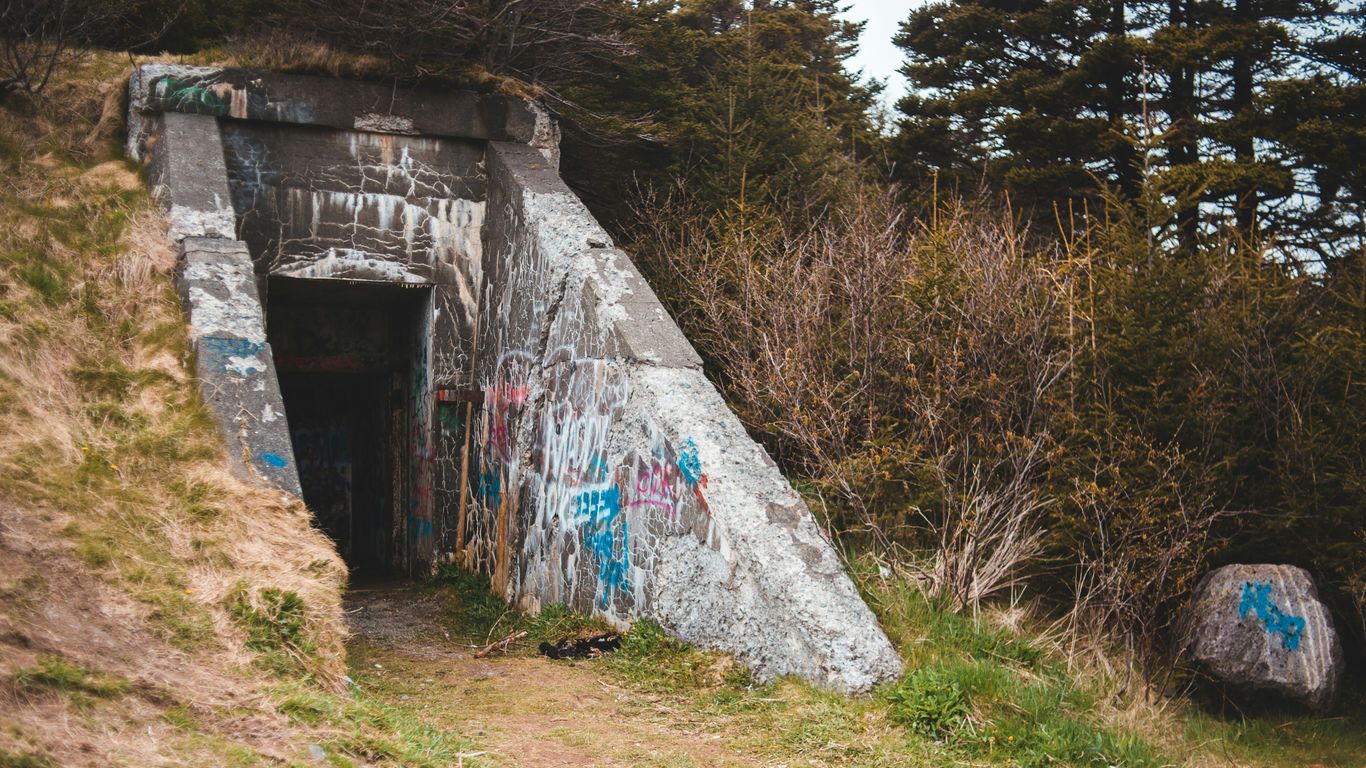
History permeates every corner of this hill, from the ancient royal burial sites to the modern preservation of military bunkers. Taking the time to visit these sites allows for a deep dive into the strategic importance of this location during the 1940s. Understanding the local context turns a routine stroll into an educational journey, enriching the way you perceive the surrounding grounds.
Booking tours for the Battlebox bunker
Securing your time in the Battlebox Singapore requires advanced planning, especially during peak holiday periods. The underground bunker offers an intense look at history that you simply cannot get from a surface-level tour of the park. You will discover the underground command center layout exactly as it stood when the pivotal decisions were made.
Significance of the Fort Gate and Sally Port
These structures represent the final remnants of the 19th-century military fortifications that protected the city. Standing before the Fort Gate, you get a sense of how the defense systems worked to control entry to the hill. They are not just architectural ruins but are key markers in the story of Fort Canning Singapore and its strategic evolution.
Colonial history and the 19th-century fort ruins
Exploring the ruins reveals the layers of administration that once held power from this very vantage point. From the residency of Sir Stamford Raffles to the later military use, the physical markers left behind tell a stories of adaptation. You will find that these remnants provide a tangible link to the colonial era, making the historic hilltop oasis feel deeply connected to the past.
Navigating the key gardens of Fort Canning Park

Walking through the themed gardens offers a quiet respite from the city heat, with each section presenting a different horticultural focus. The variety of plants here showcases both native species and those introduced for their botanical value. A visit here is essential for anyone interested in the historic gem that blends nature with long-standing cultural lore.
The sensory experience at Sang Nila Utama Garden
This garden captures the traditional Javanese aesthetic, complete with water terraces that create a distinct, calming soundscape. As you meander through the greenery, the design emphasizes symmetry and peaceful reflection, transporting you back to the ancient royal history of the hill. It is one of the most serene spots to visit during your day of exploring.
Floral displays at the first botanical garden site
Seeing these displays provides insight into the island’s early efforts to introduce and study tropical flora. To help you plan your dining after your garden walk, here are some options found near the hill’s base:
| Dining Category | Typical Cuisine Type | Ambiance Level |
|---|---|---|
| On-site Cafe | Light snacks & coffee | Casual/Relaxed |
| Foot-of-Hill Bistro | Modern fusion dishes | Moderate/Social |
| City Hub Restaurant | Hawker-style variety | Energetic/Busy |
Selecting your food based on these categories helps you maintain the right energy levels for the remainder of your trip. The proximity to the city hubs ensures that Taste of Singapore enthusiasts can always find a meal that reflects the local culture after a long garden walk.
Exploring the Raffles Garden and spice terrace
These areas highlight the history of trade and the introduction of unique plant species that shaped local economic history. The spice terrace is particularly informative, displaying the aromatic plants that were once central to the region’s influence on global shipping. Walking through this terrace provides a genuine encounter with the heritage that Taste of Singapore aims to celebrate in every experience.
Finding food and dining options near the park
Food plays a central role in any Singaporean experience, and the areas surrounding the park are no exception. You can quickly transition from the quiet greenery of the hill into the vibrant dining scenes of nearby districts without needing complex transportation. Finding a meal that honors the city’s culinary history is easy when you head toward the foot of the hill.
On-site cafes and light refreshments
Small cafes located within or immediately adjacent to the park grounds provide a perfect stop for tired walkers. They offer refreshments that are ideal for a quick energy boost before continuing your exploration of the different botanical sections. Be sure to check their operational status, as they can sometimes vary based on the day of the week.
Restaurants located at the foot of the hill
Restaurants centered at the base give you access to a broader range of menus, ranging from quick snacks to full-course meals. These establishments are ideal for those who have spent a few hours on the trails and want to settle down for a proper meal. You will find that the variety of local flavors here is unmatched, reflecting the multicultural identity of the surrounding city districts.
Proximity to major food hubs in Dhoby Ghaut and Clarke Quay
Being close to these major hubs allows you to seamlessly integrate your park visit into a broader culinary journey. Whether you are craving traditional hawker dishes or looking for something more contemporary, these hubs have you covered. Accessing these areas is straightforward after leaving the park, making it easy to finish your day with a high-quality food experience.
Essential tips for your visit
Preparation makes all the difference when dealing with both the tropical outdoors and hilly walking paths. By anticipating the needs of such an environment, you ensure that your visit remains comfortable and safe, allowing you to focus on the landmarks and history rather than the logistics of the trip.
Best times of day to beat the tropical heat
Early morning starts are highly recommended for visitors who want to avoid the full intensity of midday sun. Starting early also allows you to enjoy a quieter park atmosphere, where you can explore the gardens without competing for space. Late afternoon, just as the day begins to cool, serves as a great alternative for those who aren’t early risers.
Public transport connections and parking availability
Public transit brings you within a short walk of several park entrances, simplifying the logistics significantly. If you are driving, check the availability of on-site parking at the different marked lots to avoid delay. Using the train helps keep your visit stress-free, letting you focus entirely on your itinerary.
Preparation for weather changes and hilly terrain
Sudden rain showers are common in this climate, so carrying a compact umbrella is a wise precaution. Given the elevation changes, ensuring you are dressed for a moderate workout will make the time spent on the trails much more enjoyable. Keep water levels high and stay mindful of the humidity to make your encounter with this historic gem a success.
Conclusion
Fort Canning Park stands as a vital bridge between the ancient history and modern beauty of Singapore, offering a unique space for both introspection and active exploration. By planning your route through the gardens, bunkers, and heritage paths, you can fully appreciate the depth of stories embedded in this verdant hilltop, ensuring a fulfilling experience that captures the city’s vibrant character.
Frequently Asked Questions
Is there an admission fee to enter Fort Canning Park?
Entry to the park grounds is entirely free for all visitors, allowing you to walk the trails and explore the gardens at your own convenience.
Are the tours of the underground Battlebox suitable for children?
Guided tours are informative and generally suitable for older children, though it is recommended to check the specific age guidelines provided by the venue before booking your tickets.
How much time should I allocate for a thorough visit?
Spending about two to three hours is typically sufficient to cover the main historical landmarks and enjoy a leisurely walk through the primary garden zones.
Can I host a private event or photography shoot in the park?
Yes, park management allows for group activities and professional photography, but you are required to submit an official request form in advance to secure permission.
Is the park fully accessible for visitors in wheelchairs?
While certain areas of the hill are steep, there are specific accessible paths and elevator points provided to help visitors with limited mobility navigate between the different levels of the park.
How can I get to the park using public transport?
Several MRT stations, including Dhoby Ghaut and Clarke Quay, are located within comfortable walking distance, making it very accessible for those using the local train network.
What should I do if it begins to rain during my visit?
There are sheltered pavilions and covered architectural sites throughout the park that provide quick cover, though having a small umbrella on hand is always advisable given the local weather patterns.