
Key Takeaways
Exploring the historical depths of the Battlebox provides a unique perspective on Singapore’s wartime history and the strategic importance of Fort Canning Hill. Guests are encouraged to plan their visit in advance to fully experience this preserved site.
- Visit early in the week to avoid peak crowds.
- Purchase tickets online to secure your preferred slot.
- Take advantage of audio tours for better historical context.
- Wear comfortable walking shoes for the bunker environment.
- Check official websites for updated park access routes.
Historical significance of Battlebox
The underground chambers hidden beneath the lush foliage of the city center tell a somber story of resilience and difficult choices made during the Second World War. This subterranean facility served as the nerve center for the Allied forces during the 1942 defensive campaign, remaining a testament to a pivotal era in regional conflict. Today, it stands as a preserved heritage site that invites modern visitors to reflect on the gravity of those historical events.
Origins of the Fort Canning bunker
The strategic potential of the hill was recognized long before the war, leading to the construction of the fortification in the late 1930s. Engineers designed these underground rooms to function as an emergency command center capable of withstanding heavy shelling while maintaining essential communications for the British military.
The role during the Battle of Singapore
As the conflict escalated, the bunker became the primary headquarters for the Malaya Command. It facilitated coordination between the Army, Navy, and Air Force, acting as an essential hub for defensive operations during the grueling weeks of 1942.
Decision-making processes of the Malaya Command
It was within these confined concrete walls that commanders grappled with the grim reality of the changing frontline. These rooms provided a pressurized environment for high-level officials to digest reports and attempt to chart a path forward amid the inevitable shifting tides of war.
Post-war abandonment and rediscovery
Following the cessation of hostilities, the site was eventually sealed and largely forgotten for decades. Rediscovery efforts breathed new life into the complex, ensuring the facility was transformed into the meticulously maintained museum visitors explore today.
Planning your visit to Battlebox Singapore
Navigating the site requires a bit of logistical foresight, especially regarding ticket availability and timing. Since the museum operates with limited capacities to preserve the environment, securing your entry beforehand is essential for a stress-free trip.
Best times to book tickets
Planning your arrival for a weekday morning often proves more relaxing than a weekend visit. The quieter atmosphere allows for a deeper appreciation of the audio guides and the somber nature of the displays found within the bunker walls.
Ticket types and pricing structures
The facility offers different tiers of access for those interested in deeper historical immersion versus a more casual walkthrough of the grounds. The following structure highlights typical options available for visitors:
| Experience Type | Standard Rate | Target Audience |
|---|---|---|
| Basic Admission | $15 | Local Individuals |
| Enhanced Experience | $20 | International Visitors |
| Concession Pass | $10 | Students and Seniors |
These tiers ensure that diverse guests have a path to engage with the Battlebox and the significant narrative it presents.
Accessibility considerations for visitors
While the bunker is a historical space with inherent constraints, efforts have been made to ensure most areas remain reachable. Guests seeking liability auto insurance or specialized assistance may appreciate the clear signage and maintained pathways designed to clarify safety boundaries during the tour.
Recommended duration for the experience
Most guests find that spending approximately one to two hours is ideal for absorbing the information provided in the displays and the guiding narration. This duration allows for a steady, contemplative pace while working through the various rooms and tactical chambers.
Exploring the underground bunker complex
Walking through the repurposed tunnels creates a palpable sense of historical immediacy that is hard to replicate. The conservation team has focused on maintaining the atmosphere of the 1940s, allowing visitors to visualize how the space was utilized during critical hours of tension.
Layout of the operations rooms
The bunker consists of various interconnected chambers, each serving a specific military function from command briefings to signal transmission. Travelers often find the functional simplicity of these rooms both striking and reflective of the urgency that once defined this workspace.
The plotting map and tactical displays
Central to the command hub was the plotting room, which featured large charts tracking troop movements across the Malay Peninsula. Visitors can view these tactical arrays to understand how commanders attempted to consolidate their position against the approaching forces.
Authentic exhibits and artifacts
The commitment to historical accuracy is evident in the curated items left on display throughout the facility. Our team has compiled a brief selection of what to look for when touring these underground corridors:
- Original plotting charts and period-accurate communication devices.
- Restored furniture and desks used during briefing sessions.
- Historical photographs depicting life inside the bunker.
- Anaglyph glasses used for viewing 3D tactical projections.
These elements serve to bridge the gap between abstract history and the tangible experiences of those who manned the site.
Preservation efforts of the heritage site
Maintaining the structural integrity of this underground space involves continuous monitoring of atmospheric conditions. These protective measures ensure that the historical context remains intact for generations to come, preventing the decay that often affects subterranean environments.
Educational programmes and guided tours
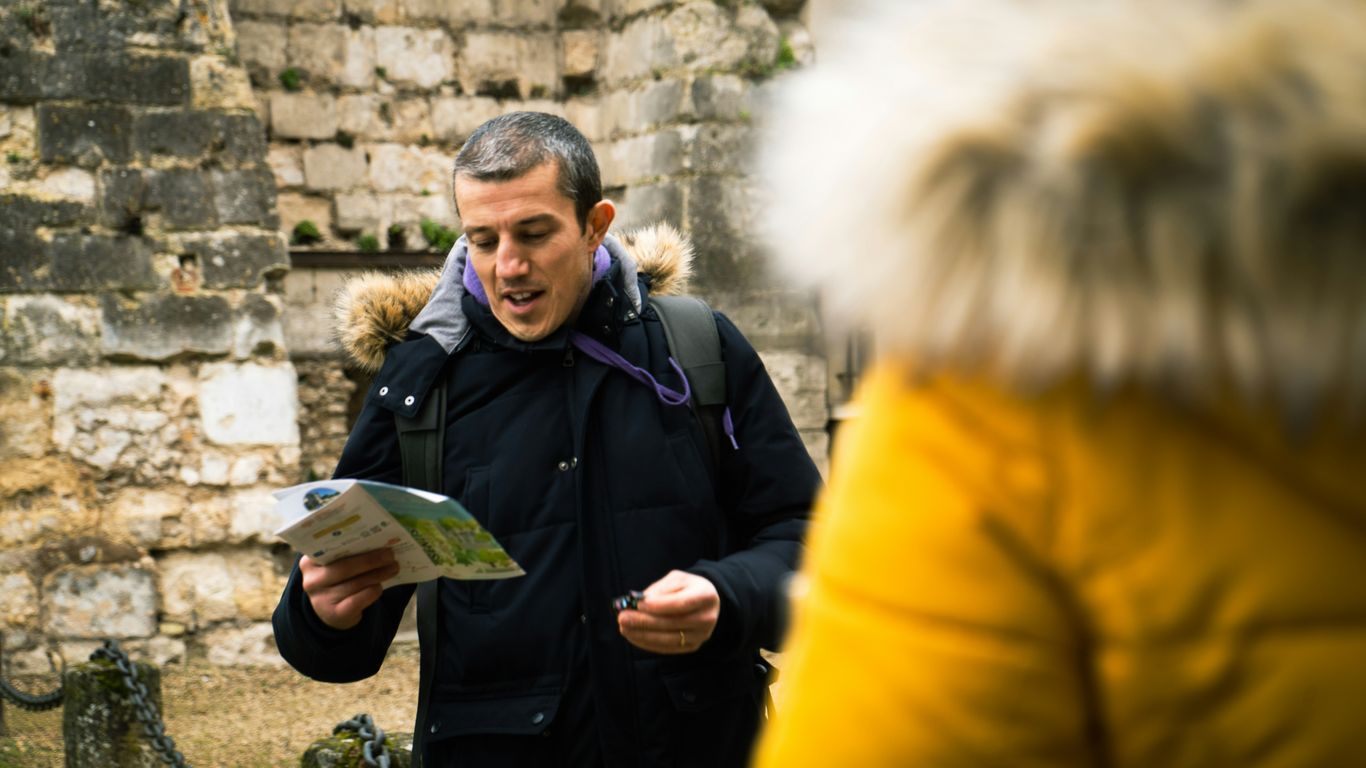
Educational engagement is a core component of the site’s mission to foster understanding. Guided tours often provide layers of context that might be missed during a self-guided walkthrough, utilizing expert knowledge to clarify the broader implications of the events that occurred there.
Standard guided tour highlights
Guides typically lead groups through the most critical phases of the surrender timeline. These narrators bring depth to the silent walls, explaining the strategic movements that pushed commanders to make their final, difficult decisions.
Curriculum-based programmes for schools
Younger generations benefit from tailored tours that align with historical curriculum requirements. These sessions focus on encouraging critical thinking by asking students to interpret the choices made by leadership during the defense.
Tailored experiences for corporate groups
Organizations occasionally utilize the site to discuss leadership dynamics and crisis management in a high-pressure environment. The bunker provides a unique setting for professional development, far removed from the distraction of contemporary office life.
Photography and filming policies
Visitors are generally permitted to document their trip for personal use, provided they respect the atmosphere of the memorial. It is best to stay clear of restricted equipment areas and avoid disrupting others who are here to reflect in silence.
Logistics and visitor information
Reaching the area is straightforward when utilizing the city’s robust network of public infrastructure. The bunker remains well-connected, ensuring that even those who are unfamiliar with the district can navigate to the entrance with relative ease.
Getting to Fort Canning Park
Visitors should take advantage of Fort Canning Park access points, which are well-marked and served by nearby train stations. Navigating toward the hill is simple if you keep an eye out for directional signs indicating the historic landmarks located near the central green spaces.
Nearby amenities and transport hubs
Dhoby Ghaut acts as a major interchange for commuters, providing a convenient walking link to the hill. Other transport hubs are easily reached, allowing for a seamless transition from urban exploration to the quiet historical grounds of the bunker area.
Safety protocols within the bunker
Safety is a primary concern given that the entire museum is situated beneath the ground. Staff monitor real-time visitor numbers and ventilation systems, ensuring that everyone moves through the narrow passages with maximum ventilation and clear exits available at all times.
Facilities available for visitors
While the bunker is a museum, the surrounding park offers various amenities such as clean restrooms and water stations. Planning a visit often includes a trip to Book Now to ensure your entry is guaranteed, as on-site capacity for walk-ins can be fluctuating.
Conclusion
Visiting this facility is an essential experience for anyone looking to connect with the deep history of Singapore. Through careful preservation and thoughtful education, the site ensures that the gravity of 1942 is understood and respected by all who step inside its walls.
Frequently Asked Questions
Is advance booking required for the cave tour?
It is strongly advised to book in advance, as the site has a limited capacity compared to standard open-air attractions, ensuring all guests have enough room to experience the historical context.
What should I bring with me to the bunker?
Bringing a smartphone and a pair of comfortable earphones is recommended, as many of the tours utilize audio-led guides that improve the storytelling experience throughout the various rooms.
Are there any age restrictions for entry?
While the site is welcoming to most age groups, it is designed with a focus on historical detail that may best suit students and adults interested in wartime narratives. Children must be accompanied by adults.
Does the bunker have wheelchair access?
Parts of the complex are adapted, but given the nature of the hillside tunnels, there are inherent design constraints that may limit access in certain deeper or narrower sections of the facility.
How long should I dedicate to my visit?
Most participants find that allocating at least ninety minutes helps them move at a comfortable pace, allowing enough time to read the displays and listen to the full narration provided by the guides.
Are there dining options inside the bunker?
There are no dining facilities within the bunker itself, but visitors can find numerous cafes and restaurants just a short walk away along the perimeter of the surrounding park.
Can I take photos during the tour?
Photography is allowed within the facility for individual non-commercial use, provided that guests do not interfere with the tour groups or the integrity of the fragile exhibits housed on-site.