
Key Takeaways
Exploring the southern islands provides city dwellers with a serene escape into nature and rich cultural heritage. By planning ahead, you can make the most of your excursion across these unique maritime destinations.
- Visit during the drier months to ensure the best weather for outdoor activities.
- Always check the daily ferry schedules provided at the Marina South Pier.
- Remember to bring sufficient supplies as island amenities are intentionally minimal.
- Observe the strict rules governing conservation areas to protect fragile ecosystems.
- Book your guided visits in advance if you want a curated experience.
Planning your trip to the Southern Islands
The southern islands are a string of offshore destinations that offer a sharp contrast to the bustling city skyline of Singapore. Navigating these waters requires careful consideration of timing and logistics to ensure you have a smooth journey. Most visitors find that the area presents a perfect break from urban life, allowing for quiet reflection by the shore.
Best time of year to visit
Choosing the right season ensures your day of island hopping is not interrupted by sudden tropical downpours. The months between February and April generally see lower rainfall, making them ideal for long hours of trekking or picnicking on the beach. While the islands are accessible year-round, the mid-year period often brings higher temperatures that can make mid-day walking trails quite challenging.
Essential transport and ferry options
Access to the islands is primarily facilitated by regular ferry services departing from the mainland. It is essential to monitor the departure times carefully, as missing the last boat back can leave you stranded until the following day. We suggest arriving at the terminal at least thirty minutes before your intended departure to manage ticketing and security checks without rushing.
Packing list for island hopping
Preparation is the key to enjoying your time outdoors without unnecessary discomfort. When crafting your pack, keep in mind that shops are sparse, so you must bring everything you need for the duration of your stay.
| Item | Importance | Reason |
|---|---|---|
| Sunscreen | High | Essential for tropical sun exposure |
| Water bottle | High | Limited potable filling stations available |
| Insect repellent | Medium | High presence of mosquitoes in nature |
| Picnic mat | Medium | Best way to relax on the grass |
Make sure to carry your items in a durable, water-resistant bag that can withstand sandy conditions and boat splashes. Having a high-quality Custom Stone Tile aesthetic in your home is lovely, but when you are outdoors, focus on minimalism and utility instead of material weight.
Discovering St John’s Island
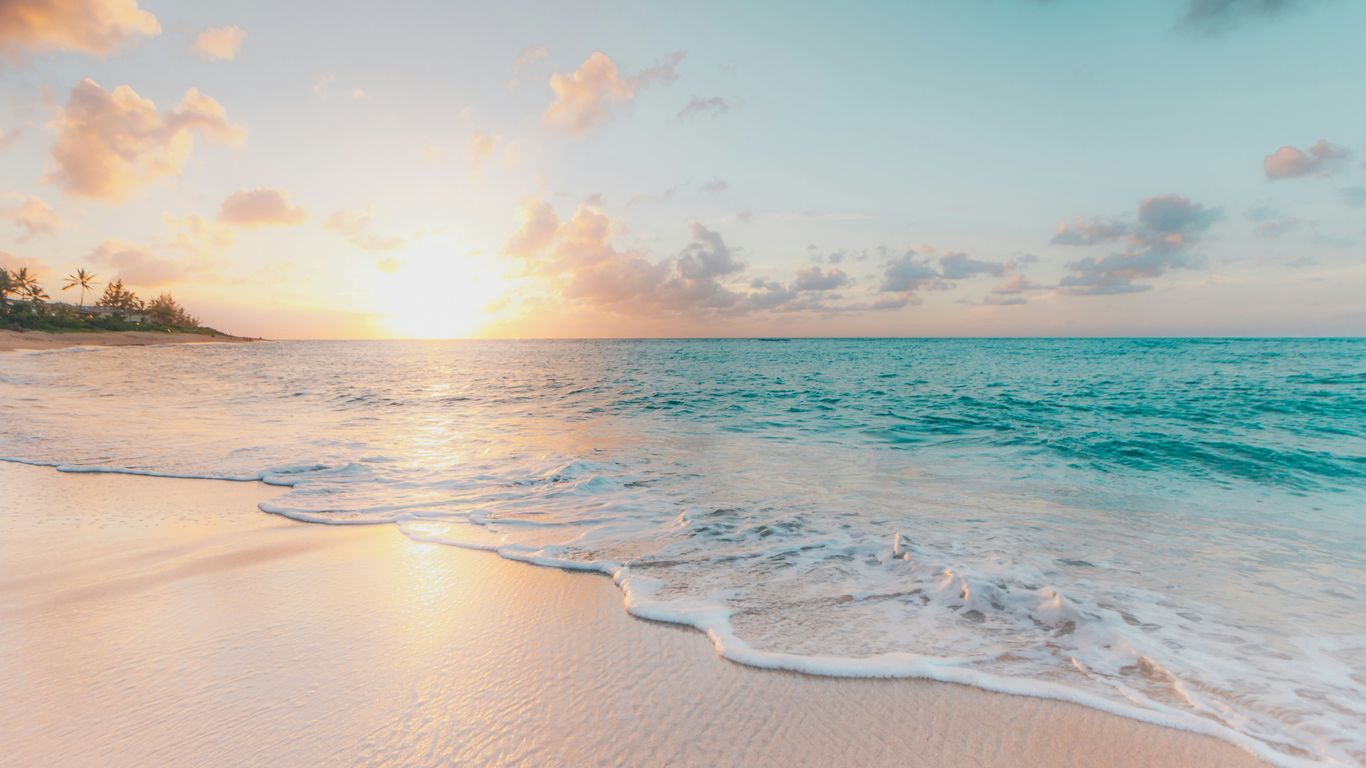
St John’s Island stands as one of the most accessible and historically fascinating members of the group. Once used for quarantine and detention, the island has transformed into an educational and recreational hub that welcomes families and researchers alike.
History and historical sites
Steeped in stories from the colonial era, the island provides markers that outline its transition through time. Exploring these sites gives visitors a glimpse into the past, highlighting the structures that once served as holdovers for migrants and sailors entering through the port. These sites serve as silent witnesses to the island’s evolution from a functional maritime point into a place of leisure.
Walking trails and nature paths
Walking the island involves navigating a network of well-marked trails that wind through secondary forests and along the scrubby coast. The paths are generally gentle and suitable for most fitness levels, offering plenty of shade under thick foliage. Along the way, enthusiasts often find themselves taking time to observe the local vegetation that has reclaimed the landscape.
Best spots for swimming and picnics
Designated areas around the pier and quiet lagoons offer the most consistent relief from the heat. The water here is usually calm, providing a safe space for casual swimming if you remain within the marked boundaries. Families often gather on the grassy knolls that line the primary lagoon, where they set up mats for long afternoons of relaxation.
Adventure awaiting on Lazarus Island
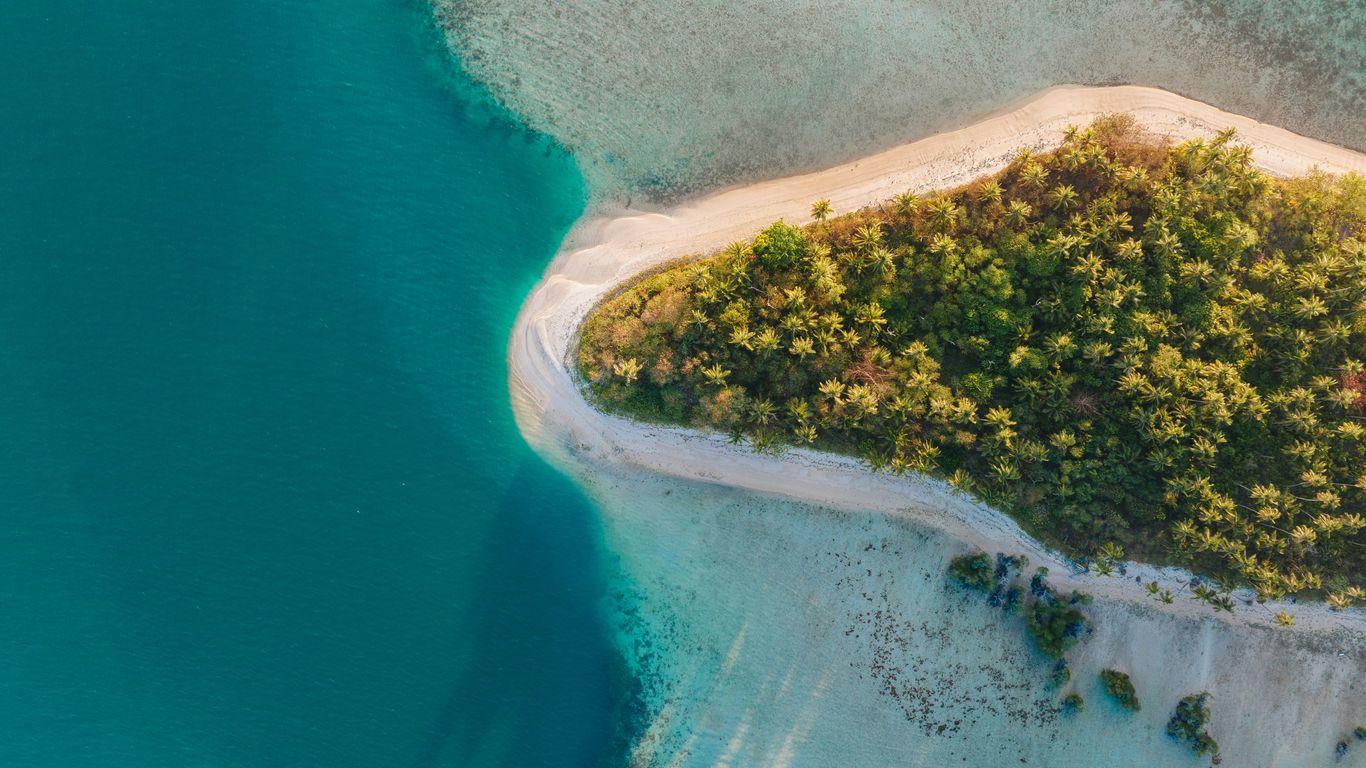
Reached via a brief walkway from St John’s, Lazarus Island is often considered the aesthetic crown jewel of the group. With its crescent-shaped beach and turquoise waters, it draws a crowd that prefers slower, more deliberate exploration of nature. It lacks heavy infrastructure, which is exactly why people visit to disconnect.
Exploring the pristine beaches
Strolling along the coastline reveals a landscape that feels largely untouched by city developments. The sand is soft and white, stretching far enough to provide anyone seeking solitude with their own private corner. You might notice interesting rock formations or shells brought in by the tide, which have become a signature of this quiet shoreline.
Water sports and activities
While the region does not offer extensive commercial rental hubs, many visitors bring their own gear, such as kayaks or floatation devices, to glide across the still surface. The water is clear, which is a major draw for those who enjoy observing the seafloor without deep-sea diving certifications. Always keep an eye on the current when paddling further away from the main shoreline.
Wildlife spotting on the island
Local fauna is relatively bold here, especially the free-roaming cats and the varied birdlife that thrives in the dense brush. If you remain quiet and patient, you might see raptors circling above or monitor lizards sunning themselves on the edges of the forest. Watching these animals in their natural element requires the utmost respect for their habitat.
Kusu Island and cultural heritage

Kusu Island is unique for its deep ties to religious tradition, specifically regarding the tortoise and the local temples. It is a destination that prioritizes spiritual reflection and the preservation of myths that have circulated through the community for decades. Visiting here is less about rugged physical excursion and more about cultural immersion.
The significance of the temples
Two major religious sites define the island: the Chinese temple and the Malay shrine located on the hill. Each space is visited by pilgrims who pay their respects, seeking blessings and prosperity in line with long-standing traditions. The architecture reflects patterns found in regional heritage, serving as a reminder of the historical multiculturalism that shaped these islands.
Navigating the turtle sanctuary
The most distinctive feature of the island is its commitment to the welfare of tortoises, which were historically linked to the myths of the area. Visiting the sanctuary gives you a chance to see various species housed in a protected site that emphasizes the long life and symbolic importance of the turtle. You should observe these creatures quietly to avoid causing them unnecessary stress.
Cultural etiquette and rules for visitors
It is imperative to maintain a respectful tone while on the island, as many visitors are there for solemn religious purposes. Modest dress is advised, and you should ensure that your interactions with the site remain orderly and quiet. Following these simple conventions ensures that the environment remains a space of harmony for all who arrive.
Sustainability and conservation efforts

Maintaining the balance of these marine environments requires ongoing commitment from every person who visits. Because the islands are removed from the main waste collection networks of the city, individual responsibility is the most important factor in preservation. The goal is to leave only footprints,
Protecting the local marine ecosystem
Efforts to keep the surrounding reefs healthy focus on preventing physical damage caused by anchors or debris. You may want to compare the environmental practices here to those of the Sungei Buloh Wetland Reserve, which also highlights the challenge of protecting coastal zones from urban influence. Monitoring the health of these coral fringes requires local diligence and clear signage.
Waste management on the islands
There are no trash bins left out on the remote parts of the beaches, which means you are required by custom and rule to pack out everything you bring onto the island. Leaving behind even small scraps of plastic can result in significant harm to birds and marine life that forage along the tide line. Proper disposal should be handled only at the designated bins situated near the ferry terminals.
Guidelines for ethical nature tourism
Adhere to signs that mark off-limits areas, particularly those designated for bird nesting or mangrove restoration. Following these paths helps prevent soil erosion and disturbance to plant species that cannot tolerate trampling. By staying on designated routes and maintaining a social distance from wildlife, you contribute to the overall endurance of the park’s biodiversity.
Facilities and amenities for campers
Overnight stays on the islands provide a rare chance to experience the sound of the ocean without the usual urban hum. However, camping is limited to specific zones and requires a level of self-sufficiency that most casual day-trippers might not expect. Being well-prepared means understanding the infrastructure gaps before you set sail.
Camping permit requirements
Before you gather your gear, you must ensure you have secured the appropriate permits for your overnight stay. Without valid authorization, you will not be permitted to set up tents in the designated areas. This system exists to manage the population density and ensure that the campsites remain sustainable throughout the year.
Available utilities and shared facilities
The islands provide public restrooms, shelters, and clean water points, but these are shared resources that require careful use. You have to consider your basic needs logically during your stay:
- Bring a portable stove for cooking your meals if you plan to stay longer.
- Carry enough battery banks for any devices you need, as electrical outlets are extremely limited.
- Utilize the benches and permanent structures for setting up your camping perimeter.
Being orderly with your gear and keeping your campsite clean helps everyone enjoy the limited utility space effectively during the peak camping season.
Safety considerations for overnight stays
Nighttime on the islands is dark and relatively isolated, which adds a layer of responsibility to your safety plan. Always keep a powerful flashlight with you and store your food in sealed containers to avoid attracting pests during the night. If you require Book Now services or have other queries about your arrangements, ensure all communication is finalized well before your boat leaves the shore.
Conclusion
A trip to the islands offers a refreshing perspective, stripping back the complexities of metropolitan living in favor of simpler joys like sea breezes and quiet coastal walks. Whether you go for the cultural heritage, the swimming spots, or the peaceful nature, your experience depends entirely on the respect and preparation you bring to these delicate shores.
Frequently Asked Questions
Are there shops to buy food or drinks?
No, the islands do not have permanent shops or restaurants, so you must bring enough food and beverages for your entire trip.
How can I get around the islands?
Most movement is done strictly on foot, as there are no roads or public transportation systems within the islands themselves.
Is it safe to swim anywhere?
Swimming is generally allowed in designated lagoons, but always remain within established boundaries and do not swim alone if you can avoid it.
Can I camp anywhere I want?
Camping is only permitted in specifically designated zones with an approved permit; you cannot set up tents just anywhere on the beaches.
What should I do with my trash?
You must take all trash off the island with you; do not leave any waste behind, as there are no regular collection services provided.
Is tap water safe to drink?
There are limited potable water points, but it is highly recommended that you bring your own bottled water to ensure you stay hydrated.
Is there mobile service available?
Mobile signals are generally available, but reception can be patchy in certain areas or hidden coves on the outer islands.