
Key Takeaways
Sungei Buloh Wetland Reserve provides a unique window into Singapore’s biodiversity, functioning as a vital sanctuary for both permanent residents and international avian visitors. Planning your trip effectively ensures a safe and rewarding exploration of these critical tropical ecosystems.
- Experience diverse mangrove habitats across 130 hectares of protected land.
- Witness migratory birds traveling from as far as Siberia each year.
- Utilize established observation towers for spotting local reptiles.
- Check weather reports and tide updates before beginning your journey.
- Practice responsible reserve etiquette to maintain and protect delicate wildlife.
Understanding the ecological significance of Sungei Buloh
The reserve stands as a testament to the importance of preserving natural coastal heritage within a bustling urban environment. By maintaining mangroves and mudflats, it provides essential shelter and life-sustaining resources for countless species.
Role as an ASEAN Heritage Park
As a landmark of regional conservation, the Sungei Buloh Wetland Reserve is designated as an ASEAN Heritage Park. This status underscores its international value in promoting biodiversity and environmental cooperation across Southeast Asia, serving as both a research hub and a haven for rare flora and fauna.
Importance of mangrove ecosystems
Mangroves act as the primary defense against coastal erosion while sequestering carbon, making them vital to local climate resilience. Within these tangle-rooted forests, a wide array of organisms thrive, supporting a complex food web that extends far beyond the reserve’s borders.
Critical stopover for migratory birds
During the peak migratory season, the wetlands become a bustling center for shorebirds escaping the colder northern winters. You can learn more about the diverse avian life at this East Asian Australasian Shorebird Site Network member location, which is globally vital for the survival of numerous threatened species.
Planning your visit to the wetland reserve
Arriving prepared is essential for navigating the sprawling paths and varying weather conditions typical of this nature destination. Whether you drive or use public transit, understanding how to reach the points of interest will help you make the right choices for your trip.
Getting to the visitor and wetland centres
Access is generally straightforward, though the locations are tucked away from the major city hubs. Visitors who book a culinary experience might also choose to explore other landmarks like the heritage-rich Fort Canning Park before heading out to the northwest.
Navigating park operating hours and closures
Operating hours are designed to align with daylight cycles, though specific segments may shut down during inclement weather. It is standard practice to consult the official portal for real-time information regarding safety-related closures caused by high tide spikes.
Essential gear and supplies for a field trip
Packing effectively ensures you remain comfortable despite the humidity. Bringing a hat, sunscreen, and portable water is recommended, as facilities are largely focused on minimal impact, which leaves little room for onsite retail or complex supply chains.
Must-see trails and observation points

Exploring these paths offers a quiet, contemplative way to connect with nature without disturbing the local denizens. The structure of the trails allows for diverse vantage points that change significantly depending on the time of day and the rising tides.
Exploring the coastal and mangrove boardwalks
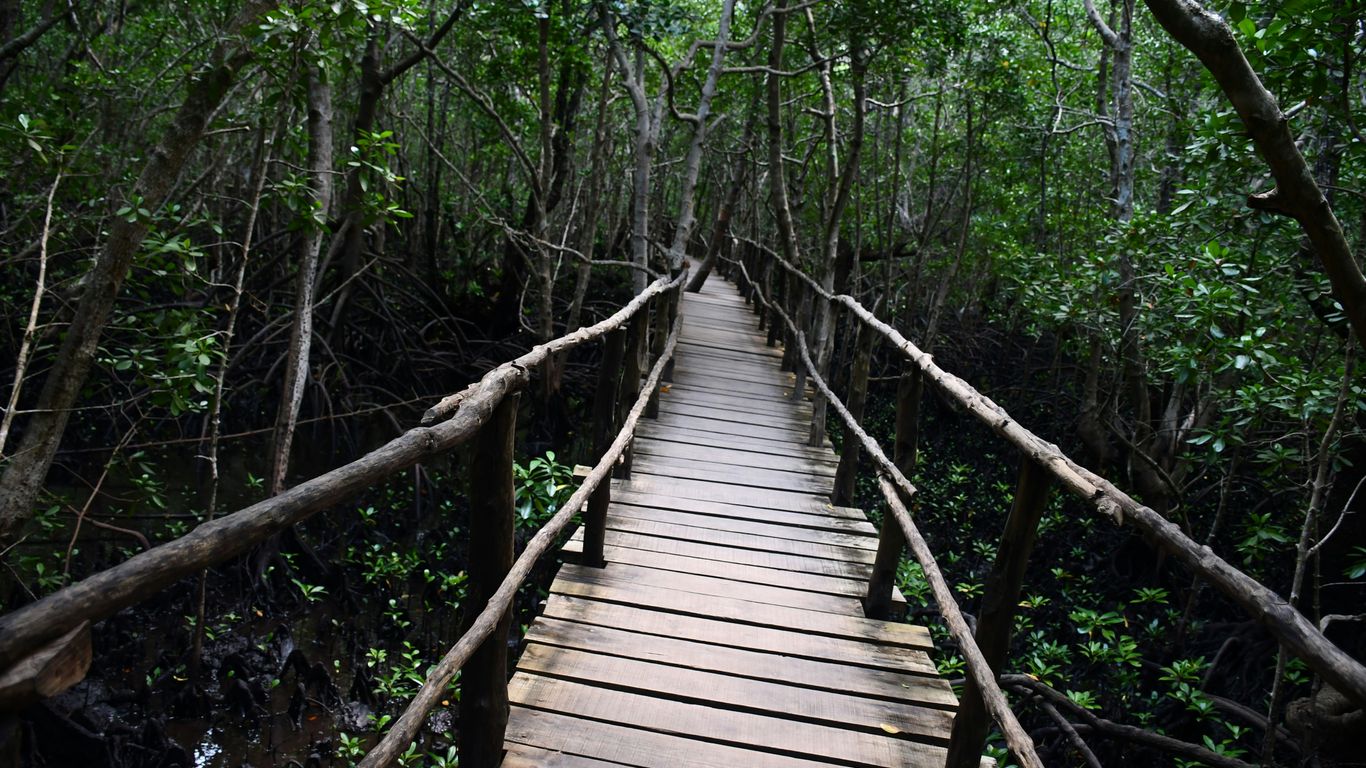
The boardwalks are built to keep your footwear dry while you meander through the dense root systems. These structures often guide visitors through the wild heart of the reserve, allowing for close proximity to the water’s edge in a manner that remains unobtrusive to the habitat.
Panoramic views from the Aerie Tower
The Aerie Tower serves as the primary elevated spot for viewing, offering a sweeping scope of the surrounding ponds and forest canopy. Here, the landscape transforms under the changing sky, providing excellent opportunities for casual photography or quiet observation.
Unobstructed sightlines at the mudflat experience
This elevated trail provides a clear field of vision for those who want to see activity on the mudflats without needing to descend. You can observe the variety of fauna here as the water recedes, exposing the rich sediment below.
| Observation Point | Primary Activity | Best Time |
|---|---|---|
| Aerie Tower | Avian Spotting | Morning |
| Mudflat Path | Mudskipper Viewing | Low Tide |
| Coastal Route | Wildlife Trekking | Afternoon |
These spots are strategically placed to ensure that you have the most reliable access to the reserve’s inhabitants. Please ensure you remain on marked paths throughout these encounters to avoid accidentally damaging the mudflats or the surrounding vegetation.
Wildlife spotting and biodiversity highlights
Finding wildlife in this open environment requires patience and a keen eye, especially since many species blend into their surroundings perfectly. When you explore local wildlife in their natural state, you gain a newfound appreciation for the fragility of the wetland food chain.
Identifying reptiles like crocodiles and monitor lizards
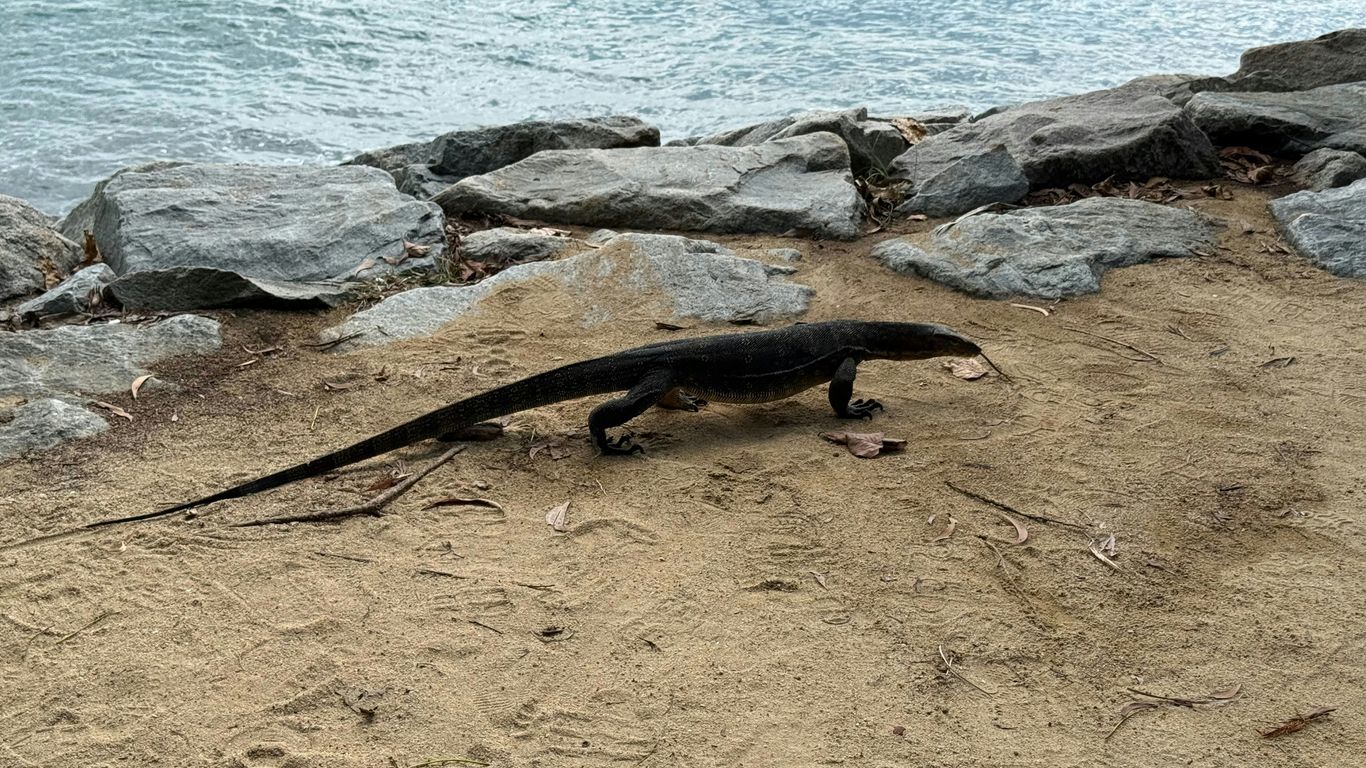
Monitor lizards are common sights along the walking trails, often basking in the warm sunlight. While less frequently seen, the estuarine crocodile is present in the deeper waterways, demonstrating the wild, unfiltered nature of the reserve.
Observing migratory and resident bird species
Whether you are a casual observer or a dedicated birder using resources from an eBird hotspot, there is always something to find. Resident birds, such as the kingfisher, occupy the area year-round, while visitors from the north appear with the changing solar cycle.
Looking for smooth-coated otters in the wild
These charismatic creatures are often spotted moving through the water in groups. They are particularly active during cooler parts of the day, making them a highlight for many visitors who spend time in the quieter corners of the reserve.
Safety precautions and reserve etiquette
Safety is a shared responsibility that keeps both the guests and the inhabitants free from harm. By adhering to the standard guidance, you support the long-term conservation efforts within the park boundaries.
Managing flood risks during high-tide periods
High tide can flood parts of the low-lying paths, which is why monitoring the tide chart is a highly recommended safety habit. Following official advisories helps you avoid getting caught in rising waters during severe weather shifts.
Guidelines for safe and respectful wildlife interaction
Keep a respectful distance from all animals, especially young ones or those exhibiting defensive behavior. Never feed the wildlife, as human food disrupt their natural balance and health cycles in ways that are often irreversible.
Maintaining a low impact on delicate natural habitats
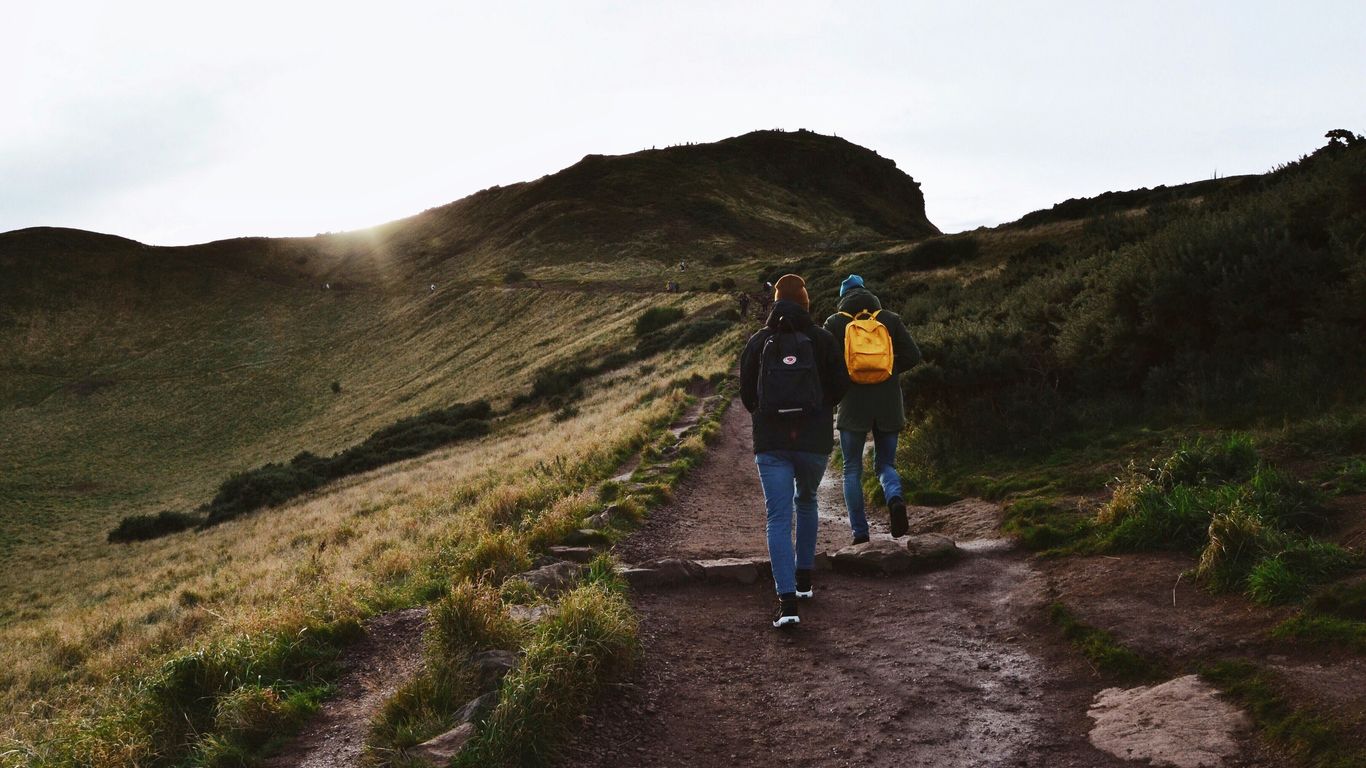
Stick strictly to the boardwalks and designated trails to protect the surrounding flora and fauna. By keeping noise levels low, you also increase your chances of seeing elusive animals that are typically frightened by human presence.
Best times of the year to visit
Understanding the seasonal rhythms allows for an optimized experience at the reserve. While the area is beautiful in every season, specific periods provide distinct advantages for spotting unique creatures or enjoying the climate.
Peak seasons for migratory bird observation
Between September and March, the reserve hosts a vibrant influx of migratory species, making it the ideal window for visitors focused on avian studies. The diversity of the flocks is typically at its highest during these months.
Comparing morning and afternoon lighting conditions
Early morning light is generally softer and cooler, which proves more comfortable for long walks and provides superior conditions for spotting animals. Afternoon light can be harsh, though it often illuminates the textures of the mudflats beautifully.
Navigating the limitations of Singapore’s tropical heat
Managing energy levels is key in the tropical humidity. Starting early and being prepared with shade-providing accessories ensures you can enjoy a full session without having to cut the trip short due to discomfort.
Conclusion
Visiting Sungei Buloh offers an insightful opportunity to engage with Singapore’s wild heritage, blending education with the simple pleasure of an outdoor retreat. By observing the balance of the ecosystem and respecting the needs of the wildlife, you contribute to the ongoing preservation of this precious, diverse landscape.
Frequently Asked Questions
Do I need to pay for entry to the reserve?
Entrance to the wetland reserve is currently free for all visitors, encouraging equitable access to this beautiful natural area.
Can I cycle inside the walking trails?
Cycling is generally restricted to specific zones to ensure visitor safety and to protect the walking paths from traffic, so please check local signage.
Are there guided tours available?
Volunteer-led tours are sometimes hosted on weekends, though it is best to check the official events calendar for current availability.
Can I take photographs of the wildlife?
Photography is welcomed, provided it is done in a way that respects the distance and space of the animals without using artificial lights or baiting.
Is the trail terrain stroller-friendly?
Much of the primary path network is flat and accessible, making it suitable for strollers; however, some more rugged segments may be difficult during wet conditions.
Are there dining facilities on-site?
There are limited vending options available, so it is highly advised to bring your own snacks and enough water to sustain your visit.
Is there a dress code for the reserve?
While there is no formal dress code, wearing breathable, loose clothing and sturdy walking shoes will make your exploration significantly more comfortable.