
Key Takeaways
- The venue defined an era of rooftop culture.
- Artistic menu concepts redefined cocktail consumption by engaging three senses.
- Panoramic city views became a signature architectural highlight.
- Its closure signals larger shifts in boutique hospitality.
- Future concepts must balance heritage constraints with modern business demands.
The legacy of Smoke & Mirrors in Singapore
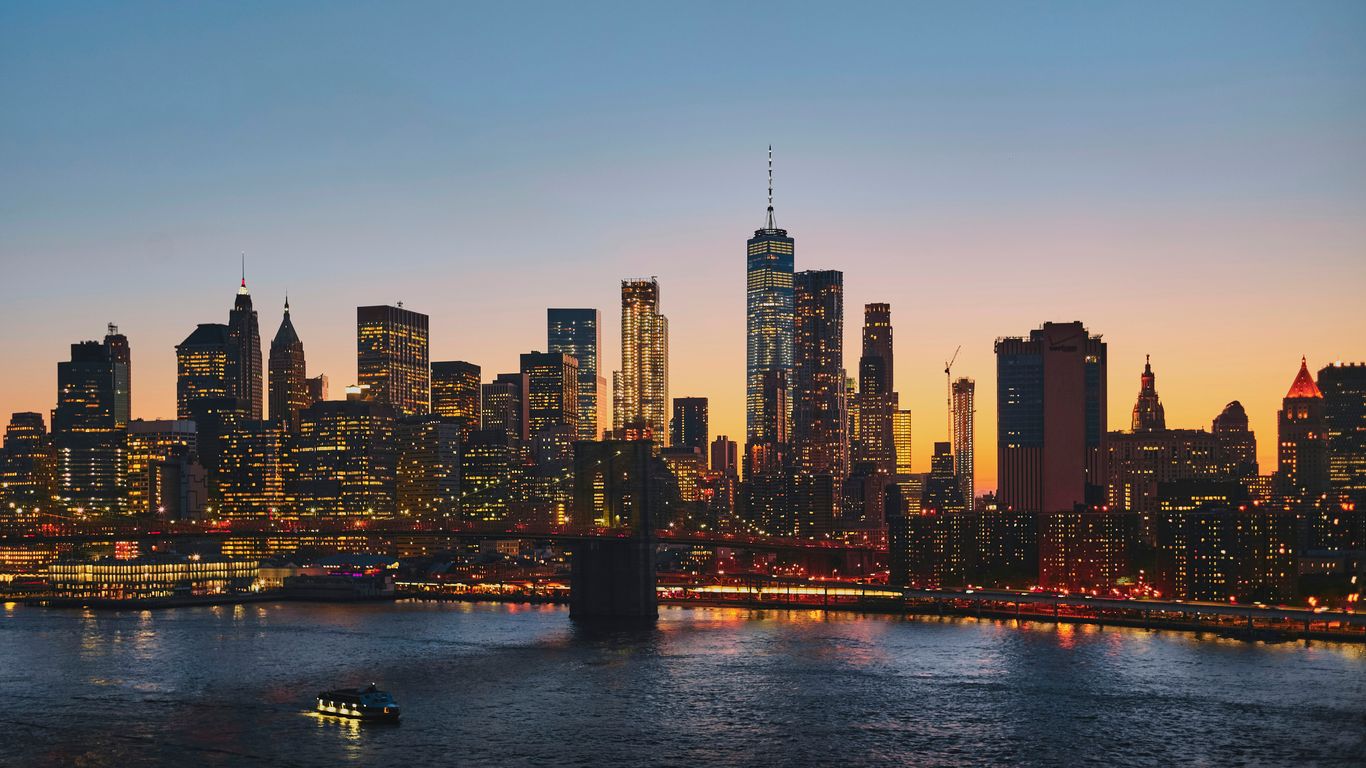
Architectural significance at National Gallery Singapore
Perched within the historic City Hall wing, the bar occupied a unique position that required careful stewardship of the space. The architectural design had to respect the building’s original structural intent while accommodating high-traffic guest flows. This tension between monumental heritage and functional nightlife venue allowed for a distinct atmosphere that relied on the building’s inherent character rather than just interior decoration.
Evolution of the local rooftop bar scene
As the skyline grew more crowded with competing high-rise venues, this establishment maintained its relevance through a steady focus on quality over sheer scale. It acted as an anchor for those looking for a mature drinking environment that avoided the frenetic pace of typical club districts. The venue proved that even amidst a sea of modern developments, a venue built on heritage could outlast flashier trends.
Influence on the city’s cocktail culture
By treating spirits as a canvas, the team behind the bar challenged what it meant to drink in a hotel environment. They encouraged guests to think about the origin and the narrative behind each ingredient, effectively elevating the entire standard for professional mixology in the region. This focus on curated artistic expression set a high bar for peers who sought to replicate their success.
Unique experiential attributes of the venue
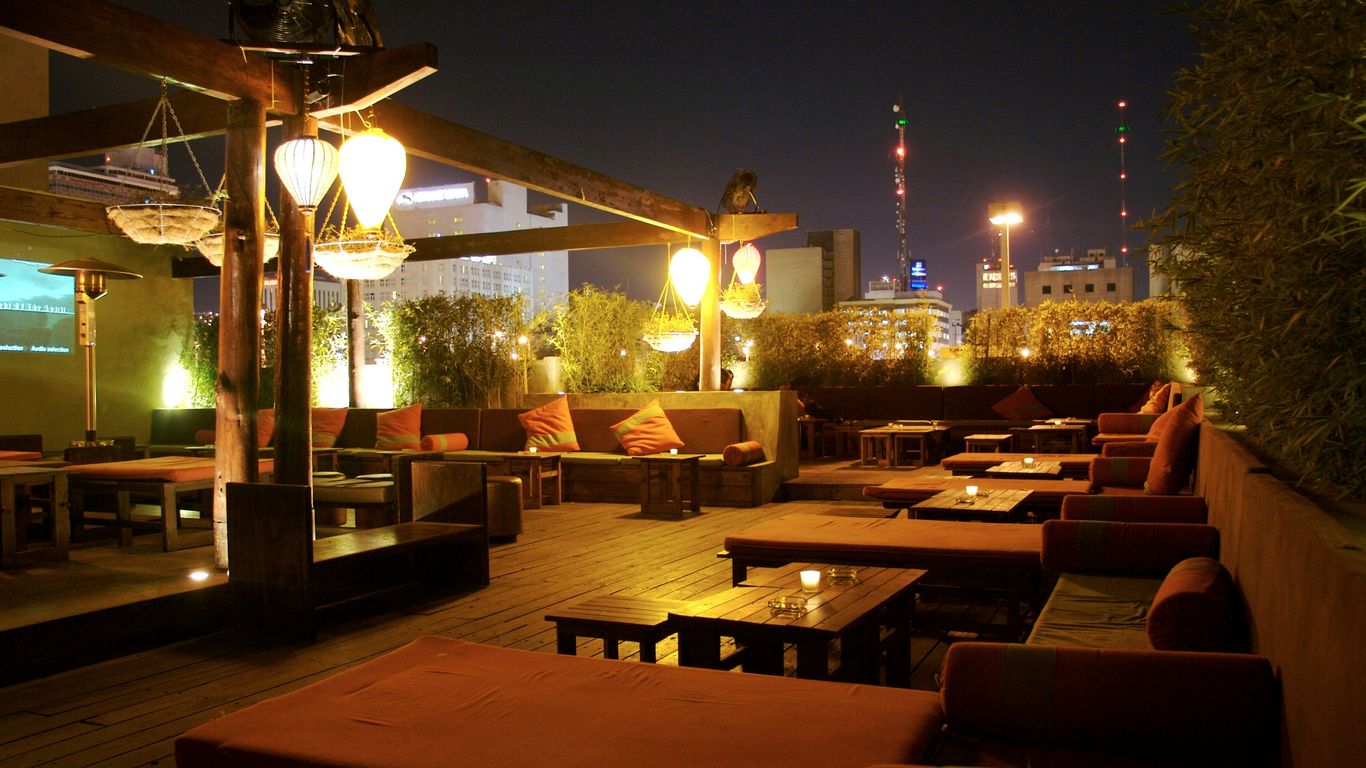
Sensory design and atmospheric storytelling
Every element of the physical space was dialed to encourage lingering, from the soft textures of the lounge chairs to the subtle scent profile maintained within the semi-outdoor area. The design team prioritized lighting that did not clash with the city’s natural night colors, ensuring the focus stayed on the vista beyond the railing. They mastered the art of creating a mood that felt like a quiet refuge from the downtown rush.
Strategic positioning for panoramic city photography
Positioned perfectly to frame iconic structures like Marina Bay Sands and the Esplanade, the layout allowed photographers and casual visitors alike to capture high-quality images. The placement of the bar counter specifically reflected these landmarks whenever possible, adding depth to the visual experience. Photographers often favor spots like Fort Canning Park for historical contrasts, but this venue provided the premiere cityscape vantage point for evening shots.
Curation of acoustic environment and musical identity
The auditory experience was carefully managed to avoid loud, abrasive noise while maintaining enough rhythm to fit a vibrant evening mood. Below is a breakdown of how the venue balanced its sound profile across different daily operations:
| Time of Day | Musical Style | Ambient Volume |
|---|---|---|
| Sunset Hour | Laid-back Jazz | Moderate |
| Dinner Service | Deep House | Low-Medium |
| Closing Hours | Downtempo Beats | Medium |
This careful curation meant that even when the venue was at capacity, conversation rarely required raising one’s voice. The acoustic dampening materials were integrated into the decor so they remained invisible to the eye while functioning perfectly to keep the space comfortable for all.
Culinary and cocktail innovation
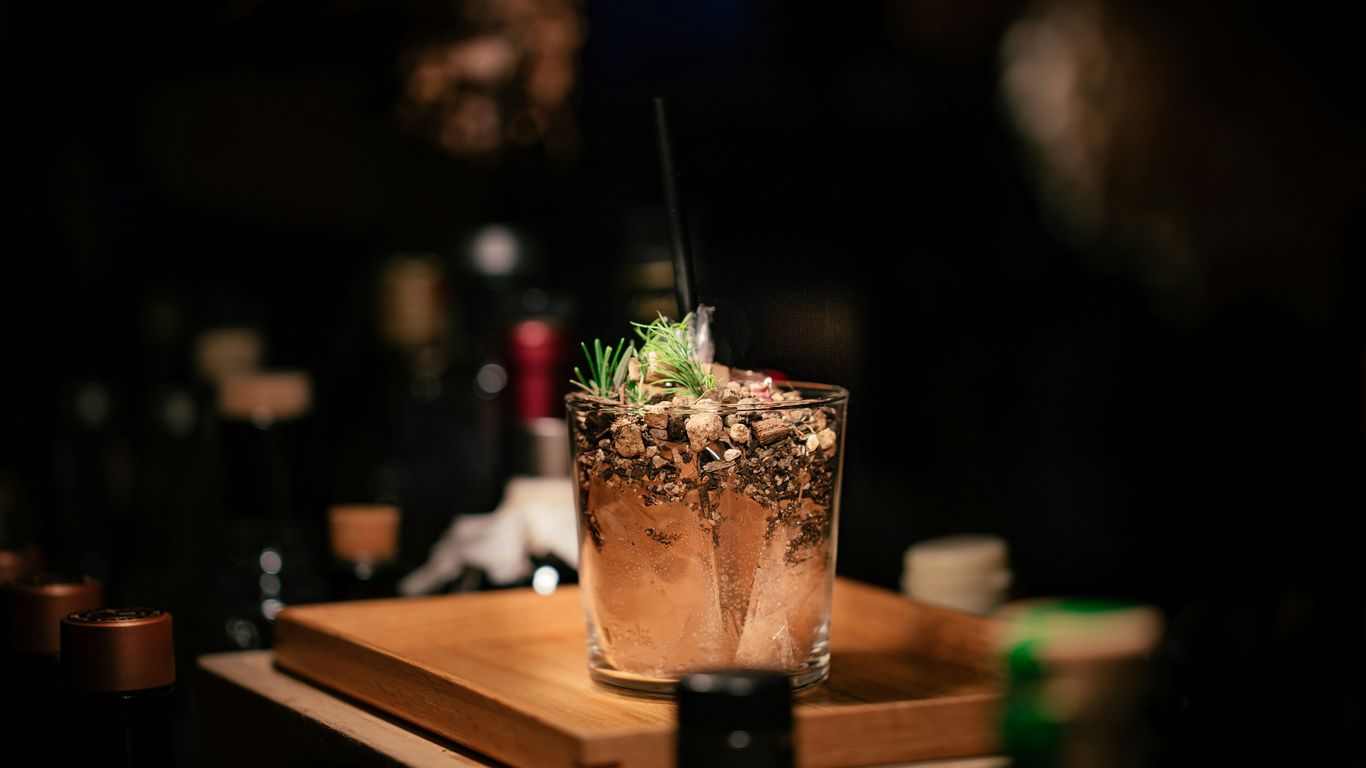
Scientific approach to signature drink construction
Rather than solely relying on intuition, the bar team tested ratios and temperatures to ensure consistency that challenged, rather than just satisfied, the palate. They were among the first to bring a methodical rigour to the local bar scene, proving that creativity thrives when underpinned by technical discipline. This approach turned simple ingredients into complex, layered drinking experiences.
Strategic food pairing techniques
Pairing dishes required understanding how specific flavor notes like acidity or saltiness interacted with spirits ranging from botanical gins to smoky mezcals. The kitchen prioritized smaller formats that were meant to be enjoyed slowly while looking out over the city. A few essential pairings became staples for repeat visitors:
- Truffle-infused chips paired with light, sparkling cocktails
- Artisanal cheese selections matched with acidic citrus drinks
- Spicy pork belly bites balanced by sweeter, fruit-forward spirits
Each pairing followed a logical progression, making it easy for guests to navigate the menu without needing extensive expert guidance.
Artistic presentation and thematic glassware
The aesthetic delivery of each drink was designed to mimic the curated nature of the gallery downstairs. Glassware was selected to hold the temperature perfectly while framing the color and garnish of the drink in an aesthetically pleasing way. Every pour felt like an exhibit, bringing a playful, theatrical element to an otherwise sophisticated and serious setting.
The closure and its impact on nightlife

Economic factors affecting boutique hospitality
Maintaining a premium space on top of a national heritage site requires significant overhead that only a consistent, high-volume operation can sustain. Rising labor costs and fluctuating supply chains made it increasingly difficult to keep the original concept profitable without compromising on the quality that customers expected. Hospitality brands often have to make the hard choice between downsizing or ending a tenure entirely.
Leasing challenges within historic landmark sites
Operating in a building with protected status means strict limitations on renovations, structural changes, and even signage. These constraints, while important for history, often prevent operators from pivoting their business model quickly in response to shifting market trends. This is a common struggle for any business trying to modernize inside a fixed historic container.
Public and industry reaction to the final closure
Social media was flooded with tributes and photos from former guests, signaling the cultural importance of the bar beyond its financial metrics. Industry peers recognized that it had paved the way for more experimental concepts to succeed elsewhere in the country. The genuine affection shown by the public confirmed that the impact of the venue reached far beyond just drinks and appetizers.
Lessons for the future of Singapore hospitality
Success in such a competitive city requires a blend of adaptability and strong brand identity that lasts for years. Future operators should look at how this venue maintained its popularity, even when other rooftops were popping up. If you are ready to book your table at a nearby venue that upholds similar hospitality standards, consider how history and modernity can blend when managed correctly.
Adapting commercial concepts to changing consumer habits
Today’s diners value authenticity and transparency more than ever, preferring brands that tell a genuine story rather than those that simply follow trends. The ability to pivot menu offerings or engagement strategies without losing the core identity of the brand is essential for longevity. Brands that survive are those that evolve alongside their customers.
Navigating operations within heritage building constraints
Working within an historic framework requires building strong relationships with regulatory bodies and focusing on non-invasive operational enhancements. Successful brands treat these limitations as creative challenges rather than roadblocks, finding novel ways to update their interior presence. This mindset allows for a high-quality experience that respects the historical context of the site.
Sustaining a long-term brand narrative in a competitive market
Building a story that connects with the local history is a durable way to ensure customers feel an emotional bond with the venue. Even when competitors introduce new gimmicks, a strong, consistent narrative acts as a moat for the business. This approach is what allows a brand to remain iconic long after its initial launch.
Conclusion
Though the doors have permanently closed, the impact of the venue on our city’s social fabric remains tangible. It proved that a thoughtful approach to mixology and architecture can resonate with an entire community, leaving a legacy that will influence the next generation of hospitality concepts.
Book Your Next Experience
Whether you are looking for a casual outing or a formal celebration, checking out current offerings at top-tier venues is a great start. Explore the vibrant options available to ensure your next outing captures that same sense of wonder.
Frequently Asked Questions
Why do rooftop bars close so frequently in cities?
Rooftop bars often face specific operational challenges including high lease costs, structural maintenance in harsh weather conditions, and changing commercial demands within premium districts.
How does architecture affect the atmosphere of a bar?
Architecture creates the fundamental flow of space and light, which dictates how guests interact and move, ultimately shaping the emotional response they have to the environment.
What makes a signature drink truly unique?
A unique cocktail typically combines original techniques, locally sourced ingredients, and a cohesive theme that links the flavor profile to the overall concept of the venue.
Can historic buildings be successful business venues?
Yes, historic buildings can provide a built-in narrative and unique character that modern buildings often lack, provided that operators are adept at navigating strict renovation and maintenance regulations.
How important is the view in choosing a bar?
The view acts as an immediate draw for first-time visitors, but the service, quality of drinks, and atmosphere are what ultimately turn those visitors into repeat guests.
What happens to a venue after it ceases operations?
Venues often transition into new concepts, are repurposed for different administrative uses, or undergo complete renovations to better suit the changing priorities of the property owner.
How can visitors find great bars in new cities?
Keeping tabs on reputable food and travel journals, checking peer reviews, and asking locals for recommendations are the most reliable ways to discover hidden gems and long-standing institutions alike.