
Key Takeaways
Singapore hokkien mee stands as a cornerstone of local hawker culture, blending humble origins into a sophisticated seafood noodle feast. Understanding its complexity requires looking at historical influences, precise broths, and the art of the wok.
- The dish traces its roots to Fujian province but developed uniquely in Southeast Asia.
- A rich, prawn-based stock is the non-negotiable heart of the recipe.
- Wok hei, the smoky essence of high-heat cooking, defines the best versions.
- Sambal belachan and calamansi lime provide the critical acidity and heat.
- Proper texture involves a deliberate balance between yellow egg noodles and rice vermicelli.
History and cultural origins
The narrative of this iconic dish weaves through decades of migratory history and local culinary creativity. While often associated with the Fujian region, the version found in Singapore is a distinct product of local hawker evolution rather than a direct import.
Influences from Fujian province
Early immigrants brought their noodle traditions from China, particularly the concept of braised noodle dishes. Many scholars link these practices to the regional consumption of lor mee, which utilized thick, savory gravies. These foundational techniques were adapted by early settlers who found limited availability of their native ingredients but a bounty of local seafood.
Evolution of the dish in the local hawker scene
As the street food culture matured, the dish began to take on its familiar form, often sold by itinerant vendors using portable carts. These hawkers, who frequently relied on discarded prawn shells and heads, discovered that simmering these elements created a potent, umami-rich liquid. Over time, the recipe became synonymous with Singapore hokkien mee, particularly as it moved into the permanent fixtures of city hawker centers.
Distinctions between regional noodle variations
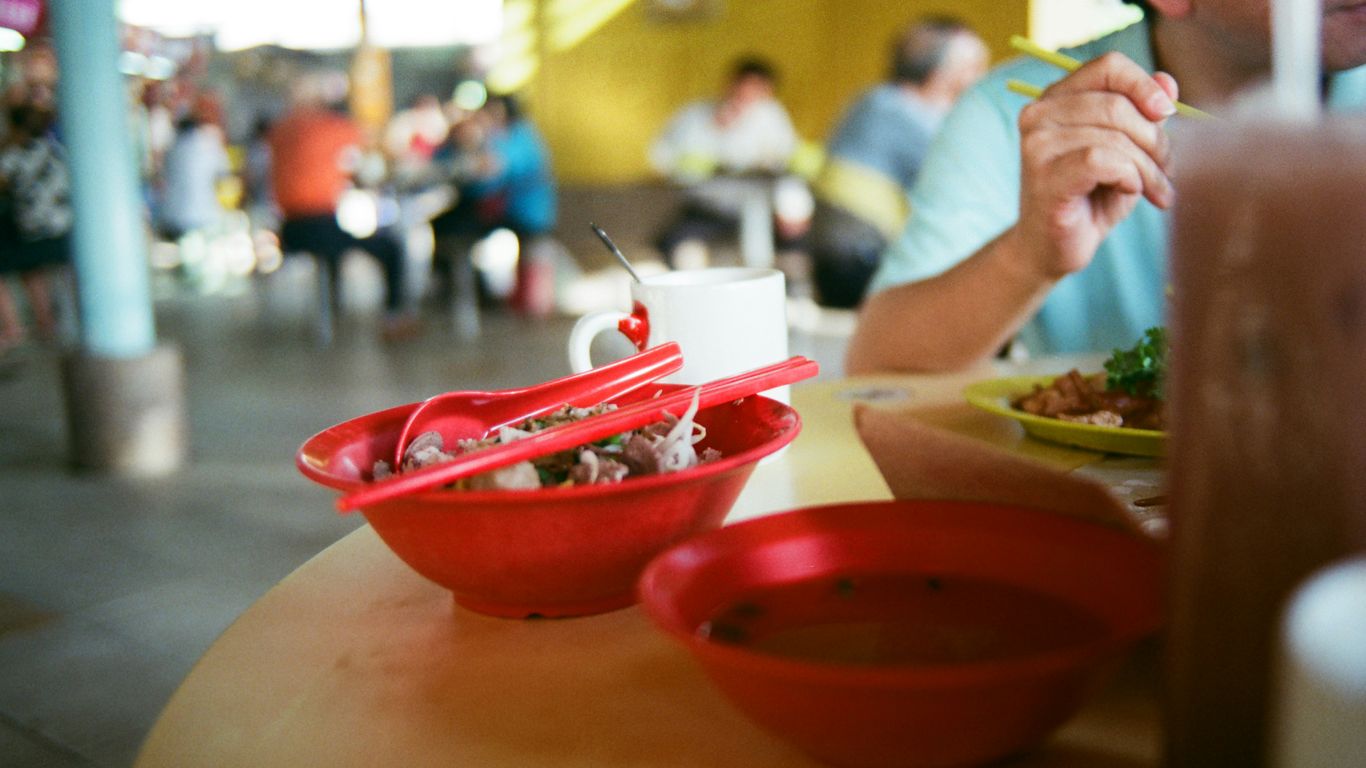
Regional variations differ significantly based on local ingredients and preferences. While the Singaporean version highlights a bright prawn-forward profile without dark soy sauce, neighbouring versions in Malaysia often incorporate dark caramel sauces or utilize different noodle textures to achieve a thicker, darker gravy. Understanding these nuances helps explore the history behind why each region claims a unique take on the classic concept.
Essential components of authentic Singapore hokkien mee
An authentic plate hinges on the quality and preparation of every element within the bowl. The layering of flavors is a process that requires patience, particularly when building the broth that defines the final dish’s character.
The importance of prawn and pork bone stock
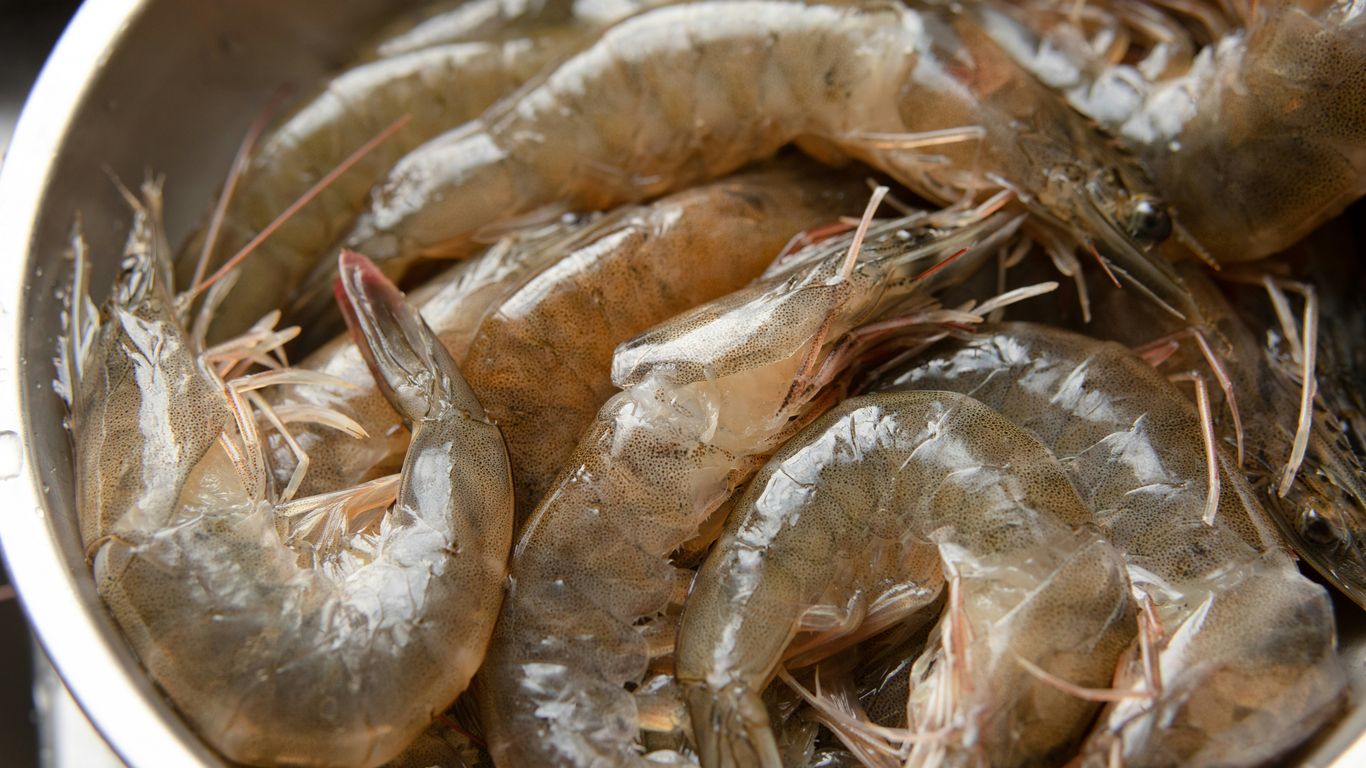
At the core of a high-quality serving is a robust and aromatic seafood broth. Chefs commonly simmer prawn heads and shells for extended periods alongside pork bones, which provide a necessary fatty depth. This broth should be thick enough to coat the strands of the noodles without feeling overly heavy, creating a harmonious balance between the brininess of the crustaceans and the richness of the pork.
Balancing yellow noodles and rice vermicelli
Achieving the perfect mouthfeel is a technical challenge that relies on the specific marriage of yellow alkaline noodles and thin bee hoon. The yellow noodles offer structure, while the rice vermicelli excels at soaking up the reduction of the prawn stock. When stir-frying, the two types of noodles must be added at precise intervals to ensure both reach the ideal level of softness without dissolving into a mushy consistency.
Selecting premium additions like squid and pork belly
Authentic recipes prioritize textures that complement the slippery noodles. Small, fresh prawns and sliced squid are standard, while thinly sliced pork belly often provides a necessary savory richness. These ingredients are stirred into the mixture during the final stages of cooking, ensuring the seafood remains tender while the proteins absorb the essence of the surrounding gravy.
Regional nuances in cooking techniques
The preparation process is often as much about performance as it is about heat management. Great hawkers demonstrate an intuitive understanding of the moisture levels, ensuring the noodles are braised properly while maintaining an underlying smokiness.
Mastering wok hei through high-heat stir-frying
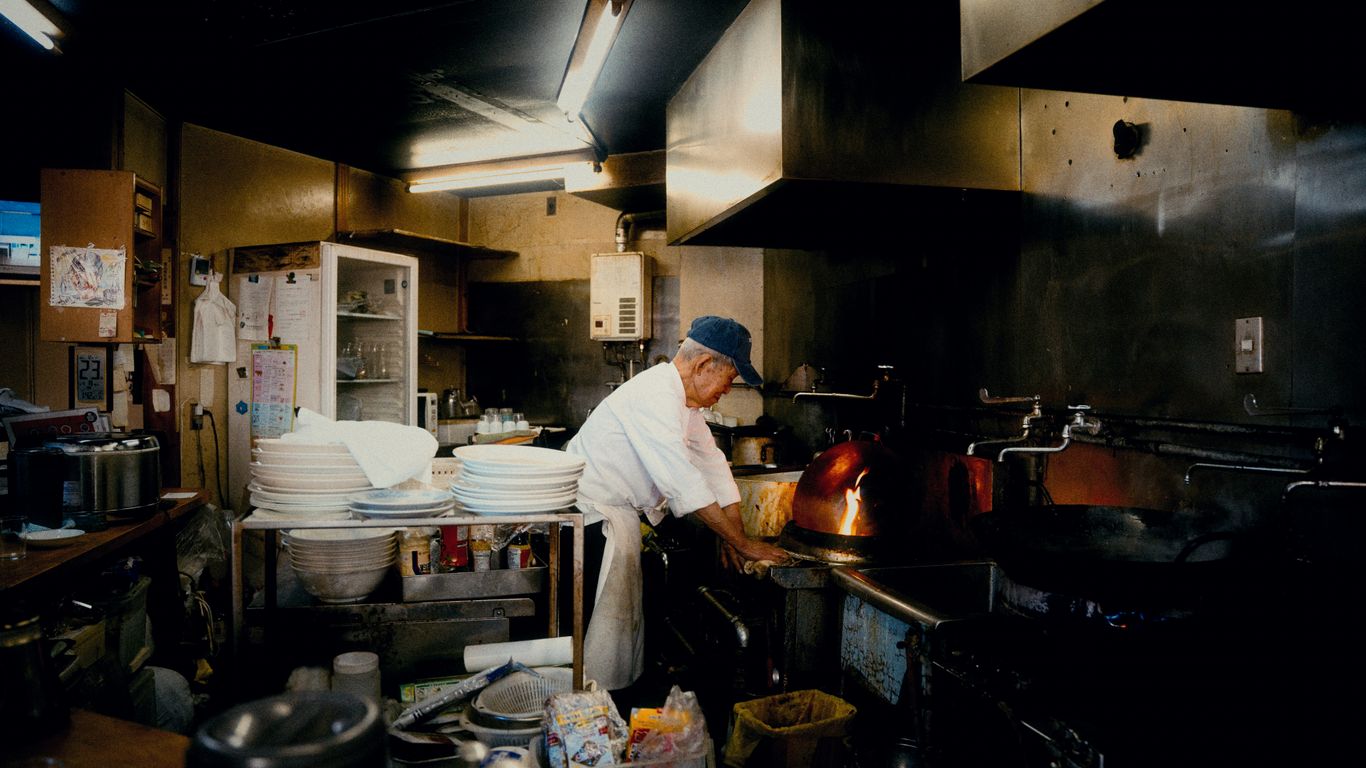
Achieving wok hei is arguably the most difficult aspect of the process. The sheer volume of noodles in a scorching wok requires constant motion and precise temperature control. When done correctly, the result is a distinct, charred aroma that penetrates the broth, elevating the dish from a simple preparation to a complex culinary experience.
Characteristics of the dry-style versus wet-style preparation
The moisture content of the final dish typically divides fans of the classic style. While both approaches start with similar bases, the ending moisture level highlights different facets of the ingredients. The following table provides a comparison of these two styles.
| Feature | Dry-style | Wet-style |
|---|---|---|
| Sauce consistency | Minimal, coated | Thick, abundant gravy |
| Cooking duration | Longer reduction | Shorter, intense sear |
| Mouthfeel | Firm and chewy | Soft and silky |
Techniques to achieve the perfect gravy reduction
Mastering the gravy requires constant tasting and adjustment. As the noodles braise in the stock, some chefs add extra lard to deepen the sheen and flavor, effectively emulsifying the proteins and starch present in the pan. The goal is a sticky, glossy coating that clings to every forkful, ensuring that the labor-intensive stock is felt in every bite.
Understanding the condiment pairings
The final plate is never served naked; it requires specific acidic and spicy accompaniments to cut through the richness of the seafood stock. Each element serves a functional purpose in resetting the palate between bites.
The role of sambal belachan in balancing flavour
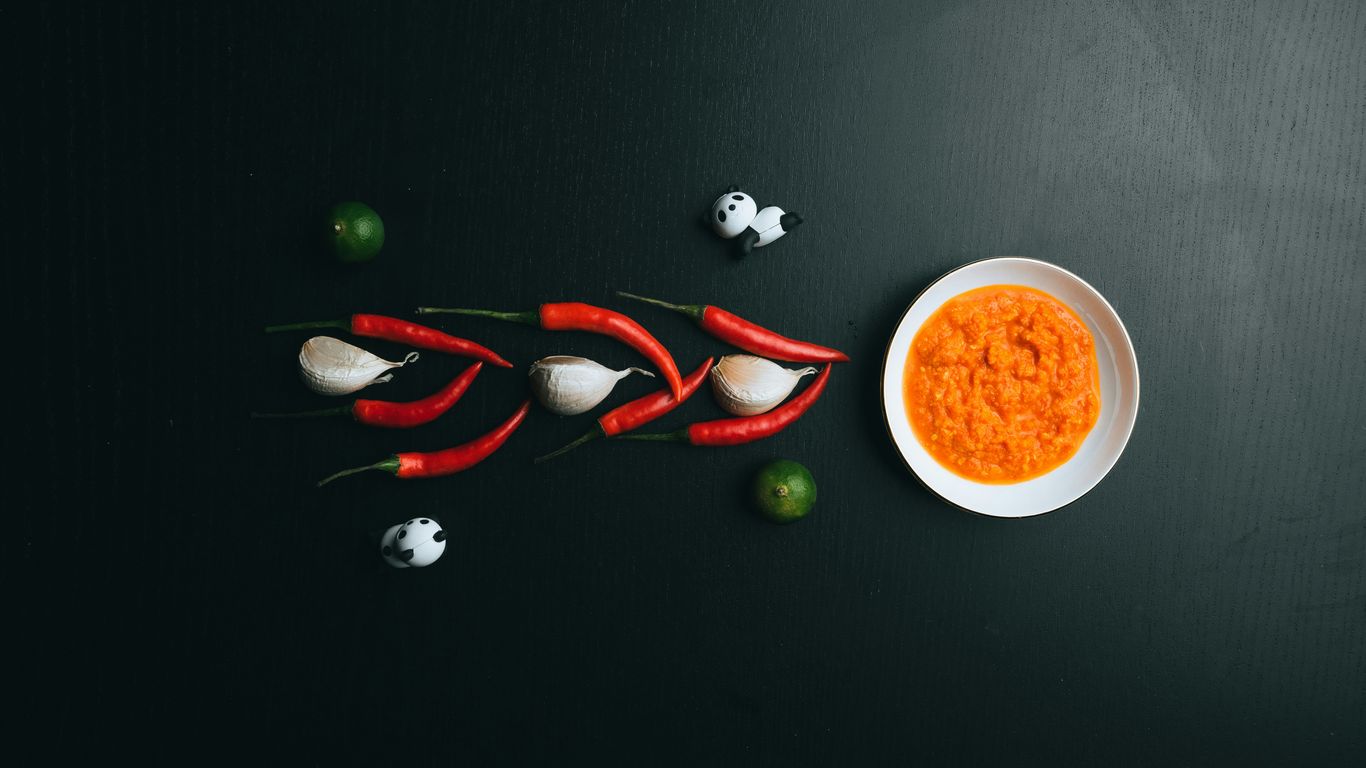
Sambal belachan adds a depth of fermented shrimp funk and clean heat that bridges the gap between the sweet prawns and the earthy yellow noodles. Unlike generic bottled chili sauces, this house-made version needs to be distinctively aromatic and sharp. When you book your culinary adventure to visit local markets, the quality of the sambal is often the primary indicator of a shop’s attention to detail.
Why calamansi lime is essential for acidity
Acidity is the unseen hand that brightens the entire composition. A squeeze of fresh calamansi lime juice provides a citrus hit that cuts the fattiness of the stock, preventing the meal from feeling too heavy. This simple addition is fundamental, and experienced diners squeeze it thoroughly directly over the noodles before their first bite.
Impact of fresh chilli on the overall sensory profile
The freshness of red bird’s eye chilli is critical for providing a crisp, clean spice. Unlike the slow build of the sambal, the fresh slices of chili deliver an immediate punch that enhances the aromatics of the garlic and eggs. Our guide to hawker food often emphasizes that even the simplest preparation techniques, like slicing fresh chilis, contribute to the layered sensory experience of a classic plate.
Tips for identifying high-quality hokkien mee
A truly great bowl of fried noodles is identifiable by several distinct factors, ranging from the initial olfactory impact to the lingering finish on the palate. Visitors should look for stalls that demonstrate a high degree of technical control alongside authentic ingredients.
Sensory cues regarding the prawn stock aroma
Before you take a bite, the smell of the shop will tell you everything you need to know. A high-quality stall will exude an unmistakable scent of toasted prawn shells that is deep, savoury, and fresh. If the air smells mostly of garlic or soy without that signature crustacean sweetness, the stock is likely under-seasoned or lacking in shell concentration.
Texture expectations for the noodles and seafood
Quality is also marked by the state of the seafood. Prawns should remain snappy and firm, never rubbery, while the squid should be cooked just enough to remain tender. The noodles, meanwhile, ought to arrive with a combination of textures; you are looking for a few items that stand out in a list of key checks:
- Consistent color across all noodle strands.
- A noticeable presence of wok-charred bits.
- A balanced ratio of gravy to solid ingredients.
- No pooling of excess oil at the base.
Evaluating stall consistency and local popularity
Long queues are often a primary indicator, but observation is equally important. Watch the hawker to see if the pan is being scraped constantly to keep the crust from burning, or if they add the broth in multiple stages. A consistent stall will treat each batch with the same level of care, and Custom Stone Tile often advises that in culinary arts, the most reliable results come from stalls that focus on a singular, refined specialty rather than a broad menu. A crowded stall during off-peak hours is often a hidden gem that locals frequent for their daily fix.
Conclusion
Singapore hokkien mee remains a testament to the versatility and endurance of local ingenuity, transforming simple maritime ingredients into a dish that defined an era of street food excellence. Whether you favor the intensity of charcoal-fired versions or the silky comfort of a modern wet-style gravy, the appreciation for this labor-intensive process brings diners closer to the heart of local life. As you explore the diverse landscape of hawker centers, keep an eye out for those subtle cues of craft, as they turn a standard meal into an incredible memory.
Frequently Asked Questions
Is Singapore hokkien mee vegetarian friendly?
It is typically not vegetarian, as the fundamental stock is made from prawn heads, and the dish is almost always prepared with pork lard and squid. You would find it difficult to locate a traditional version that is entirely plant-based due to these essential ingredients.
Why does the dish contain no carrots despite the name?
The name actually refers to the Hokkien people who created the dish, not the vegetable. This cultural misnomer often confuses international visitors, but the noodles have always focused on seafood and egg rather than root vegetables.
Should I mix the lime into the whole plate immediately?
Most seasoned fans prefer to squeeze the lime over specific sections of the plate while eating, rather than saturating the entire portion at once. This allows you to control the acidity level in each bite, ensuring the experience stays balanced from the start to the finish.
Is the dark sauce option available in Singapore?
Generally, the Singaporean version is famous for its light, prawn-based color. If you are specifically looking for a version with dark soy sauce, you are likely looking for the Malaysian or Kuala Lumpur-style variations which use different ingredients.
Why is the dish sometimes called yellow noodles?
The term yellow noodles refers specifically to the alkaline wheat noodles used as the base. These are distinct from the rice vermicelli used to create the signature textural contrast that this specific dish is known for.
Does the dish use only fresh shrimp?
Authentic preparations rely on fresh prawns to ensure the stock has a sweet, clean flavor. However, the size of the prawns can vary depending on the price of the plate; some stalls use smaller prawns as garnish, while others feature larger, succulent ones.
Can I find this dish outside of Singapore?
While you can find variations of Hokkien mee across Southeast Asia, the specific style defined as Singapore hokkien mee is quite localized. Many variations exist in Malaysia and Indonesia, but the flavor profiles, textures, and cooking techniques will differ significantly from the local Singaporean recipe.