
Key Takeaways
Singapore hokkien mee is a culinary treasure that evolved from post-war ingenuity in local hawker centres. Mastering the dish requires balance, fresh ingredients, and the elusive smoky aroma known as wok hei.
- The dish blends thick yellow egg noodles with thin rice vermicelli for varied texture.
- A deep, umami-rich prawn and pork stock is the foundation of an authentic plate.
- Wok hei refers to the unique, smoky depth achieved only through extreme high-heat stir-frying.
- Balancing the wet consistency of the gravy is essential for proper mouthfeel.
- Familiarising yourself with local ordering customs helps you get the best portion for your tastes.
The origins and evolution of Singapore Hokkien mee
A plate of this iconic noodle dish tells a layered story of migration, survival, and the blending of cultures on the island. It emerged from the ingenuity of people who adapted their traditional culinary knowledge to available local ingredients, creating something entirely unique. Today, as part of the UNESCO-recognized hawker culture tours offered by Taste of Singapore, visitors can trace these historical roots through the very spaces where the dish was perfected.
Historical roots in the Fujian province
While the dish is famously Singaporean, its conceptual roots stem from early immigrants arriving from Fujian province. These early settlers brought their preference for noodle broths and stir-fried variations, though the specific combination seen in Singapore did not exist in their ancestral homes.
Development of the Singaporean-style noodle dish
Following the Second World War, Chinese sailors looking for a way to support themselves turned to the food trade. Utilizing leftover noodles from local noodle makers, they crafted a stir-fried dish enriched with a potent seafood broth, cementing the foundation of the modern Singapore hokkien mee.
Cultural shifts in recipe regionalisation
As the recipe spread across the island, distinct sub-styles began to emerge based on availability and preference. Some vendors focused on a wetter, more gravy-heavy output, while others prioritized a drier, more intense flavour profile defined by sharp seasoning and fresh seafood.
Transition from street cart culture to hawker centres
Moving from street-side pushcarts into the structured environment of government-regulated hawker centres, the dish became institutionalized. This transition forced a standardisation of ingredients, ensuring that the quality and consistency of the stir-fry remained high even as production scaled to meet the demands of a growing urban population.
Essential ingredients in an authentic dish
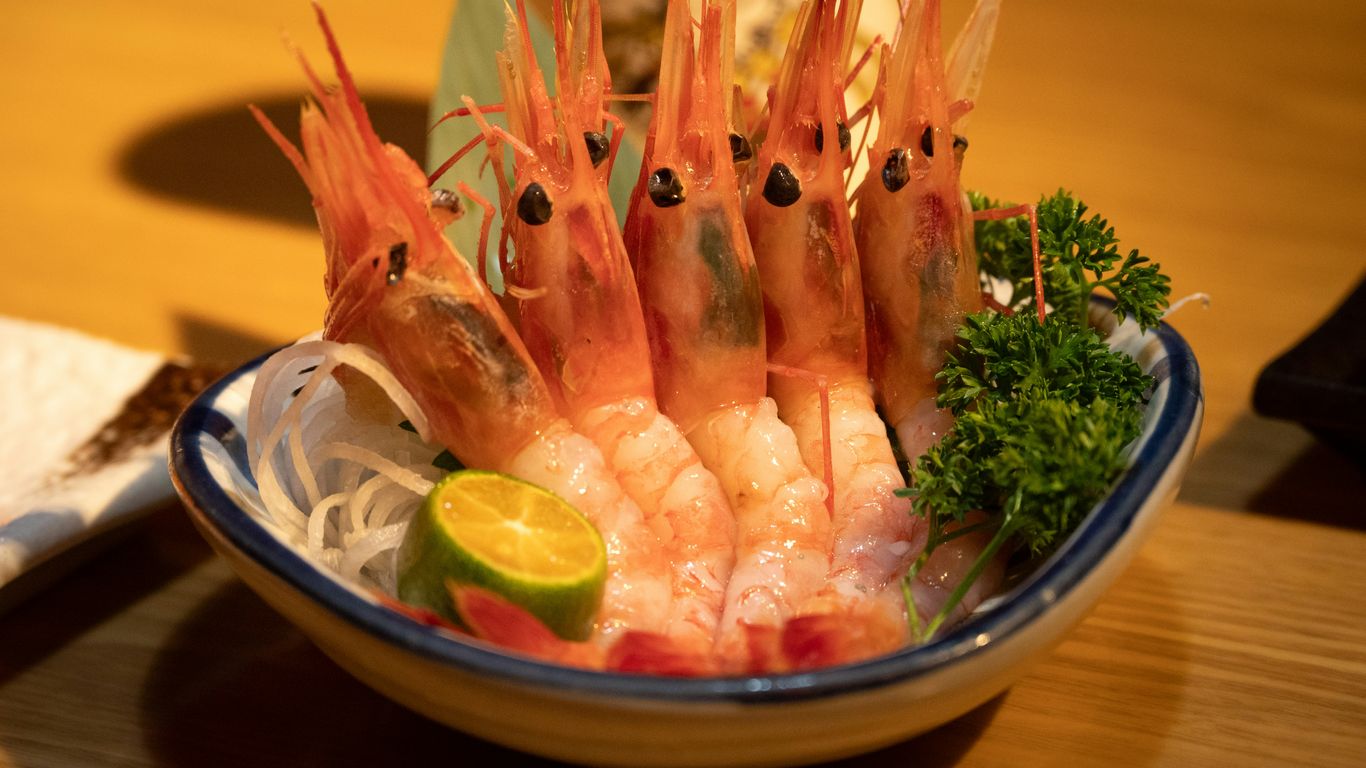
Authentic Singapore hokkien mee is built on a specific structural combination that is difficult to replicate without attention to detail. Every component, from the base noodles to the final squirt of citrus, acts in concert to create a profile that is at once hearty, briny, and surprisingly light. Taste of Singapore hosts often describe these ingredients as the pillars of local street food heritage.
The noodle marriage of yellow egg noodles and thin bee hoon
The fundamental texture of the dish relies on the combination of thick, alkaline yellow noodles and thin rice vermicelli, or bee hoon. When stir-fried together in a rich poaching liquid, the yellow noodles absorb the flavour of the stock while the bee hoon soak up the sauce, resulting in a harmonious texture profile that feels complete and satisfying.
Importance of the long-simmered prawn and pork broth
The liquid used during the stir-frying process is the lifeblood of the dish. Created by boiling prawn heads and shells with pork bones, a high-quality stock is essential to provide the deep, reddish-brown hue and the intense crustacean flavour that defines the classic Singapore Hokkien Mee guide.
Selecting fresh seafood and tender pork belly
Fresh prawns and sweet squid are the standard proteins found in quality versions of this dish. Additionally, thin slices of pork belly or small pieces of lean pork are often added to inject a richer, meatier dimension that offsets the sweetness of the seafood.
The role of lard and crunchy pork cracklings
Traditional stalls often reach for cubes of fried pork lard to introduce a decadent layer of fat to the stir-fry. These crispy bits, known as lard croutons, provide a salty, crunch-heavy finish that is essential for a truly traditional experience.
Finishing touches with spicy sambal and fresh calamansi
A small mound of punchy sambal chilli and a piece of calamansi lime are non-negotiable for serving. The acidity of the lime cuts through the richness of the lard and prawn stock, while the chilli adds a necessary heat that elevates the entire dish.
Understanding the science of wok hei
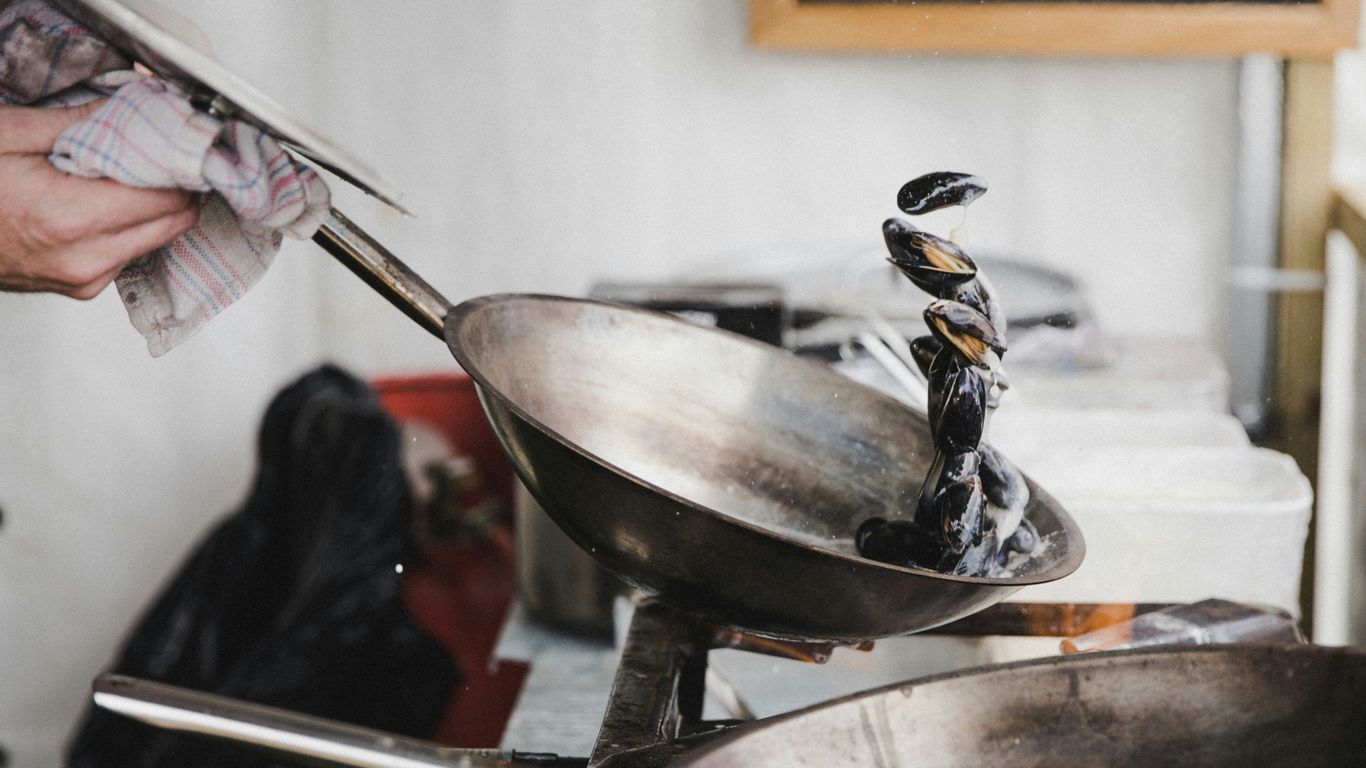
Achieving the distinct smoky aroma known as wok hei is the ultimate hallmark of a seasoned professional hawker. This phenomenon is not merely about charred flavours; it is a complex reaction occurring in the metal vessel that creates a charred, caramelized complexity impossible to fake without proper equipment.
Defining the breath of the wok
Often translated as the “breath of the wok,” wok hei involves the rapid volatilization of fats and sugars at high heat. It is a fleeting sensory experience that rewards the diner with a profound, smoky depth that permeates every single strand of the noodle.
Techniques used by hawkers to impart smokiness
Professional hawkers utilize massive gas burners and seasoned iron woks to maintain intense heat. By tossing the noodles in a rhythmic, circular motion, they ensure the ingredients are briefly kissed by the flame while remaining moist and tender.
Why extreme high heat is necessary for caramelisation
Extreme temperatures are required to trigger the Maillard reaction near-instantaneously as the moisture from the broth hits the hot surface. This allows the seasoning and stock to coat the noodles and caramelise rather than simply boil, creating a rich glaze.
Managing moisture levels during the stir-frying process
Properly managing this moisture is a masterclass in timing and heat control. If the wok temperature drops because the stock is added too quickly, the noodles will steam instead of fry, resulting in a limp, bland product devoid of that essential, smoky impact.
Best practices for cooking Hokkien mee at home
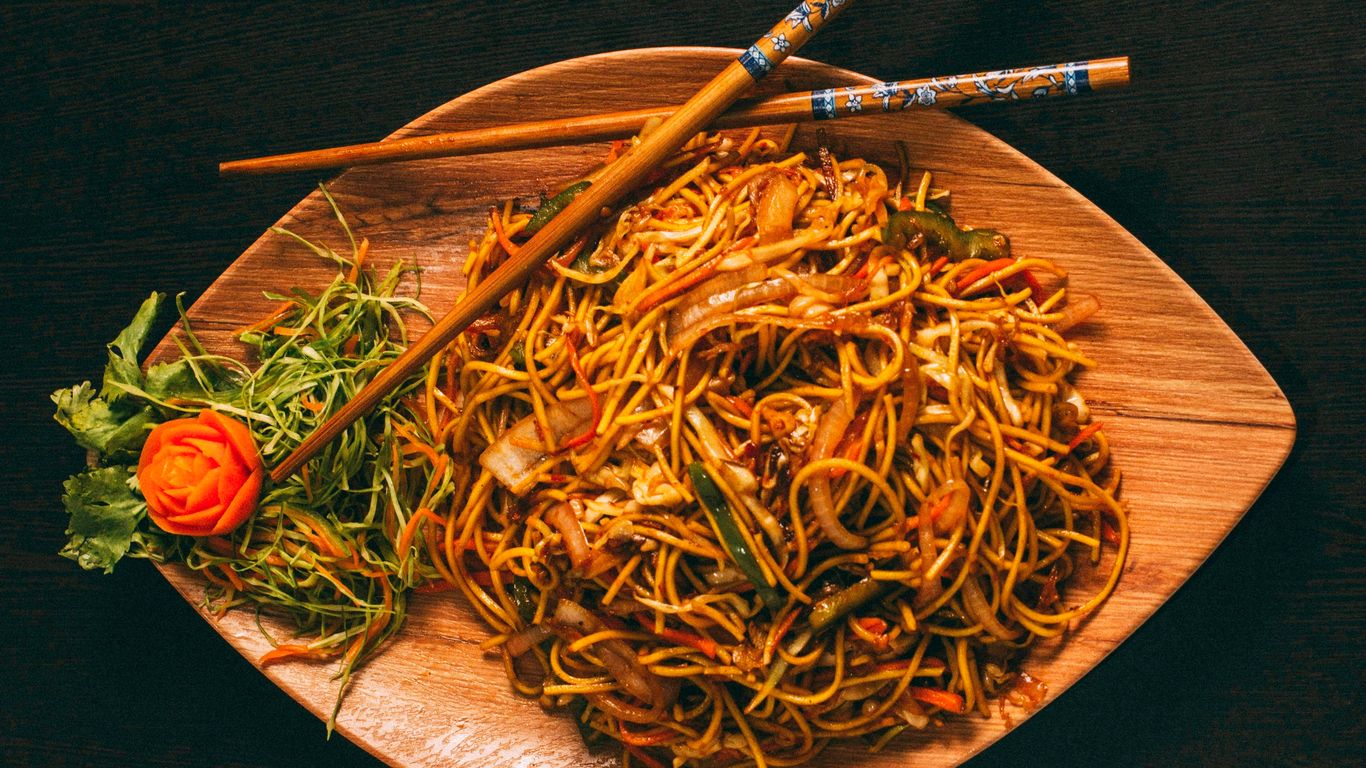
Recreating a hawker-style plate in a residential kitchen requires a thoughtful approach to heat management and stock preparation. While most home setups lack the massive burners of a commercial stall, you can still achieve a professional result by batch-cooking the essential components before serving. Our authentic hokkien mee recipe guide can provide further technical details for home chefs looking to experiment with these flavours.
Preparing a concentrated stock base in advance
Success at home begins with a concentrated prawn stock made by roasting shells until fragrant. Here are the typical phases of preparation for a high-quality homemade base:
- Roast prawn heads and shells with aromatics until deep orange.
- Add pork bones and water to simmer for at least three hours.
- Strain and reduce the liquid by half to create a potent essence.
- Season with white pepper and salt to taste prior to frying.
Managing heat distribution in a residential kitchen
Since home burners struggle to reach the heat of a commercial hawker stove, you should cook in smaller portions to keep the pan temperature high. Avoid overcrowding the wok, as this causes the temperature to plummet, which effectively ruins the texture.
Achieving the ideal wet-but-not-soupy consistency
The table below outlines the relationship between liquid volume and final texture during the finishing step of cooking:
| Liquid Stage | Texture Description | Best Use Cases |
|---|---|---|
| Low liquid | Dry, scorched, intense | Quick, snack-sized portions |
| Balanced liquid | Wet, glossy, coating noodles | Standard restaurant service |
| Excess liquid | Soupy, soft, poached | Hearty, home-style comforting meals |
Balancing textures for an authentic mouthfeel
Ultimately, the goal is to have the noodles retain a slight chew while being thoroughly coated in the rich, savoury stock. By adding the pork lard at the very end of the cooking process, the crunch is preserved, ensuring every bite has a contrast between the silky noodles and the crispy fats.
How to order Singapore Hokkien mee like a local
Navigating the bustling stalls at any famous Singaporean hawker centre can be intimidating, but knowing a few tricks will make the process seamless. The key is in clear, concise communication, especially during the high-pressure lunch rush.
Communicating noodle preferences to the hawker
Most hawkers default to a standard ratio, but feel free to request purely one type if you have a texture preference. Asking for “more bee hoon” or “more yellow noodles” is a perfectly acceptable way to customize the plate to your personal liking.
Common customisations regarding spice level and ingredients
Sambal is almost always provided, but you can specify whether you prefer it on the side or mixed in. For those who want more protein, asking for an extra serving of squid or prawn is common, though this will naturally increase the price of your meal.
Navigating price tiers and portion sizing
Stalls typically price their plates in increments, starting from a basic size up to larger family or sharing portions. When ordering for a group, it is often better to ask for a larger single portion rather than multiple small plates to ensure the chef cooks the meal in one large, consistent batch.
Dealing with peak hour queues and waiting times
Be prepared to wait during weekend lunch hours, which is a sign of a popular and reliable stall. If you decide to book a tour and explore these locations with a local guide, you will often find that they have insights into the best off-peak times for a faster dining experience.
Regional variations and modern interpretations
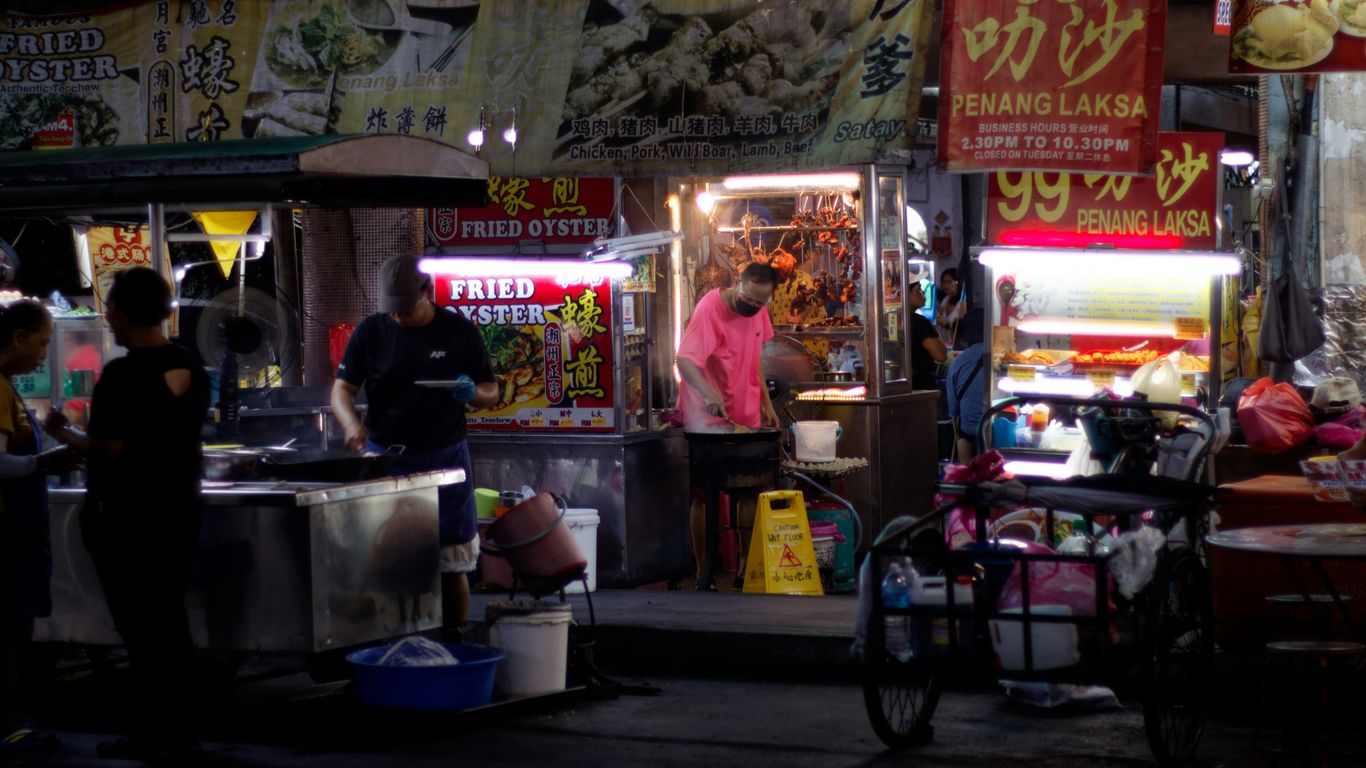
Comparing the different styles of Hokkien Mee variations reveals much about the regional preference for broth, starch, and seasoning. While Singaporeans love their prawn-based version, the dish is interpreted differently across the Causeway and even within different Singaporean neighbourhoods.
Differences between Singapore and Malaysian Hokkien mee styles
Across the border, especially in Kuala Lumpur, the dish is typically a dark, soy-based stir-fry that is drastically different from the briny, pale-looking version found in Singapore. The Malaysian style emphasizes the savoury depth of dark thick soy, creating a completely different visual and palate profile.
How modern chefs are refining the classic recipe
Contemporary kitchens are increasingly experimenting with artisanal ingredients like crustacean-infused oils or premium shellfish like lobster or crayfish. These modifications seek to elevate the dish into an upscale experience, though the traditional version remains the benchmark for most locals.
The inclusion of premium ingredients in upscale versions
Upscale interpretations often focus on high-quality sourcing, using sustainable, jumbo-sized local prawns. These versions prioritize the inherent sweetness of the seafood over the greasier, lard-heavy traditional recipes, appealing to a different dining segment.
Signature styles of famous legacy stalls across Singapore
Various iconic legacy stalls carry their own distinct legacy, with some being known for a drier finish and others being famous for their nearly soupy, rich gravy. Exploring these differences is part of what keeps the local hawker scene dynamic and eternally interesting for food enthusiasts.
Conclusion
Singapore hokkien mee is a testament to the power of simple ingredients transformed through technique and tradition, remaining one of the most beloved dishes in the nation’s hawker heritage.
Frequently Asked Questions
Is Singapore hokkien mee vegetarian friendly?
No, the dish is almost never vegetarian as the broth is traditionally made from a concentrated reduction of prawn heads, shells, and pork bones, with lard often added as a seasoning component.
Why are both rice and egg noodles used?
Using both helps create a contrast in textures, where the yellow egg noodles hold their shape and the rice vermicelli absorbs the rich, savoury prawn stock, leading to a complex mouthfeel.
Can I make the prawn stock at home?
Yes, absolutely, as it is the most critical step for success, requiring a long simmer of roasted prawn shells and aromatic bones to develop the necessary umami depth.
What is the purpose of the lime provided?
Fresh calamansi lime is essential because the natural acidity cuts through the heaviness of the lard and prawn-based gravy, balancing out the richness and providing a bright finish.
Does every stall cook with pork lard?
While lard is a hallmark of the traditional recipe and provides the signature richness, some modern stalls may omit it or use alternatives, so it is worth asking the hawker if you have dietary restrictions.
Why does the dish smell smoky?
This is called wok hei, or the breath of the wok, which is achieved when the high-heat stir-frying process causes the sauce and fats to instantly caramelise against the searing metal of the iron wok.
How do I know if a stall is authentic?
Look for long queues, a deep lingering aroma of fried prawn stock, and the sight of the hawker actively tossing the noodles over a large burner, as these are the clearest signs of a dedicated commitment to quality.