Key Takeaways
Deepavali serves as a vibrant reminder of the rich cultural tapestry that defines Singapore. Understanding its traditions helps visitors and locals alike appreciate the depth of this public holiday.
- The festival celebrates the triumph of light over dark and good over evil.
- Little India becomes a dazzling hub of activity during the festive period.
- Traditional culinary delights are a centerpiece of the holiday celebrations.
- Cultural participation includes visiting historic temples and engaging with community events.
- Practical planning regarding transportation and schedules is essential for a smooth visit.
The significance of Deepavali in Singapore
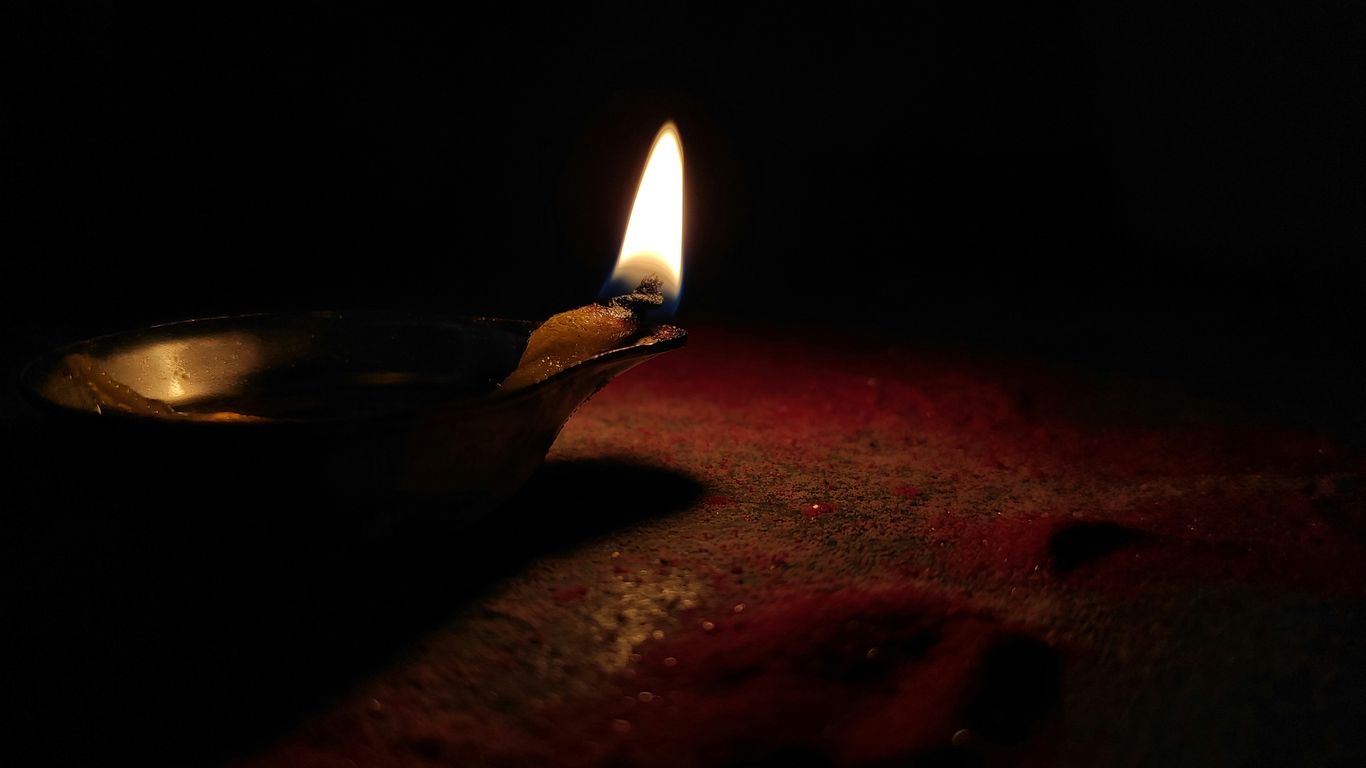
Deepavali acts as a major highlight in the local calendar, bringing people together to honor heritage and community cohesion. Residents throughout the island come to recognize the festive buzz that marks this period as spirit of Deepavali takes over.
Historical context of the local Indian community
The Indian diaspora in Singapore has played a foundational role in shaping the nation’s social landscape. From the arrival of early traders and laborers, the community established traditions that have been passed down through generations, ensuring their customs remain visible and resilient in modern society.
Integration into the Singaporean multicultural calendar
Deepavali is recognized as a gazetted public holiday, underscoring the state’s commitment to maintaining racial harmony and cultural appreciation. This official status allows citizens from all backgrounds to pause their daily routines and participate in the cultural significance of the Festival of Lights.
Religious and spiritual importance of the festival
At its core, the festival commemorates spiritual truths such as the victory of knowledge over ignorance. Families often engage in prayer rituals at home before visiting larger gatherings to share in the collective spirit of renewal and hope.
Where to celebrate in Little India
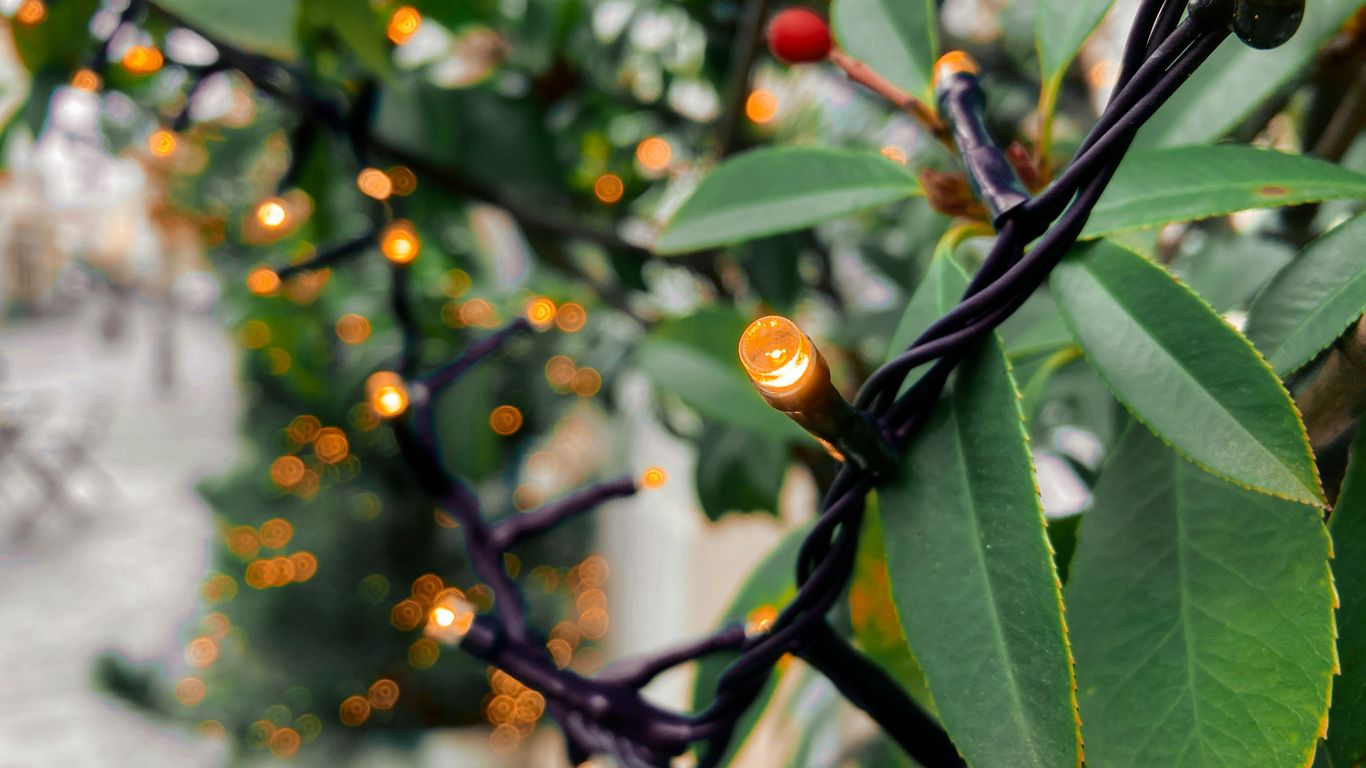
Little India transforms into a radiant corridor during this time, drawing crowds who wish to witness the spectacle firsthand. Navigating the district reveals layers of history and art, making it the perfect place to discover the heart of Little India and its vibrant daily bustle.
The annual street light-up and decorative displays
The district is famously adorned with massive, intricate light installations that illuminate the area for weeks. These displays typically feature motifs from traditional Indian art, casting a warm and inviting glow over the streets as evening approaches.
Shopping for traditional attire and festival gifts
Shoppers frequent the local boutiques to secure everything from embroidered sarees to intricate jewelry for their celebrations. Finding the perfect gift for loved ones is part of the joy, as families value the thoughtful exchange of symbolic items during the season.
Exploring the festive bazaars and pop-up markets
The bazaars are the lifeblood of the district’s festive atmosphere, offering everything from fresh marigolds to handmade crafts. These markets provide an authentic glimpse into the lively spirit of the community as they prepare for the festivities.
Culinary experiences during the holiday
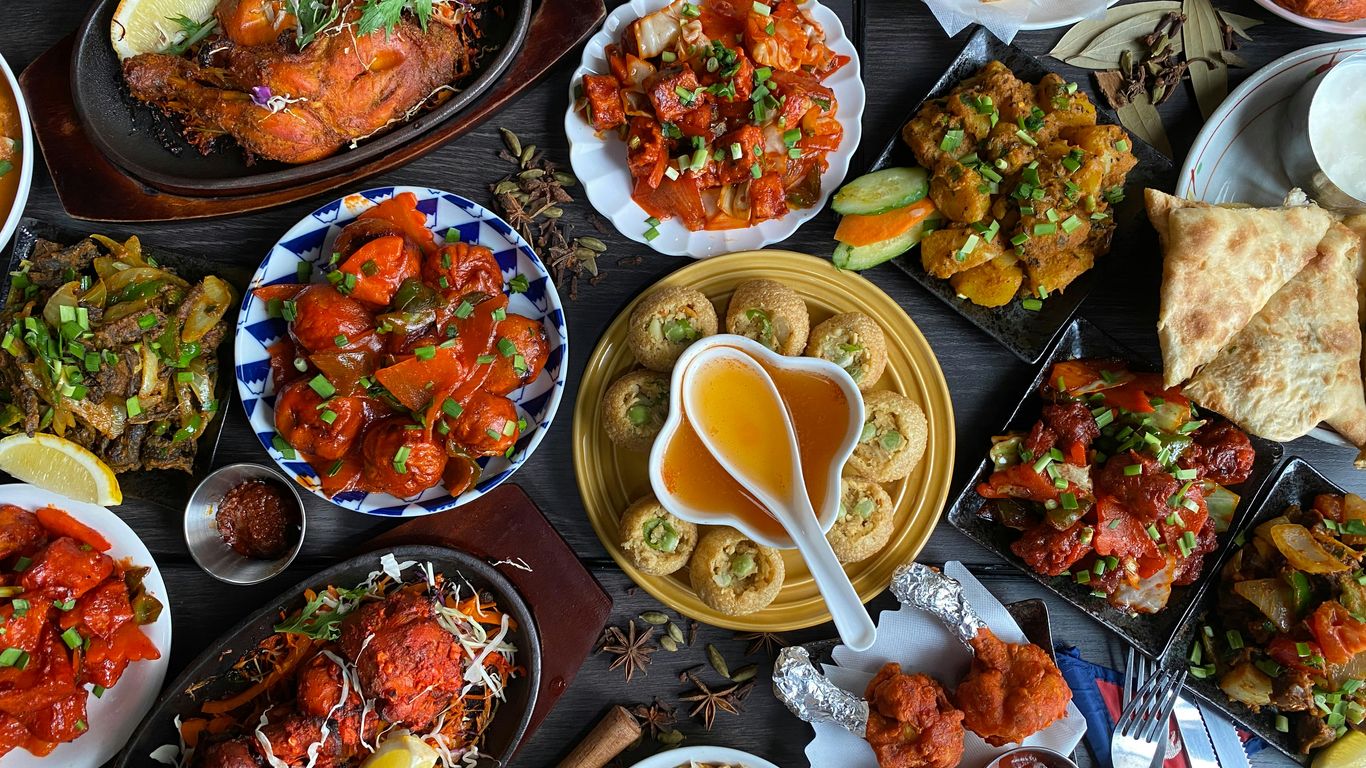
Food is an inseparable component of the celebration, with flavors ranging from sweet to savory that reflect deep-seated regional roots. Dining at a local establishment allows you to sample the authentic spice and texture profiles found in the culinary heart of the precinct.
Traditional sweets and seasonal snacks to try
Many families start their day with a variety of handcrafted treats that hold special festive significance. Popular items often include gulab jamun, barfi, and savory mixtures that are shared among neighbors and friends.
Recommended dining spots for authentic Diwali feasts
Choosing where to dine is a process of selecting the most vibrant atmosphere to enjoy a meal. The following table highlights popular styles to look for when seeking a festive meal:
| Style | Key Dish | Experience Level |
|---|---|---|
| Traditional Thali | Assorted Curries | High |
| Street Feast | Biryani Flavors | Medium |
| Modern Fusion | Zesty Snacks | Moderate |
After enjoying your meal, you might consider how integrated energy storage solutions are changing how we power our modern kitchens at home.
Trends in homemade versus store-bought culinary preparations
While many people still prefer the labor-intensive process of making sweets from scratch, an increasing number of residents are opting for premium store-bought options. This shift reflects the busy lifestyle of urban dwellers who still wish to maintain tradition without the time-consuming preparation.
Participating in cultural and community events
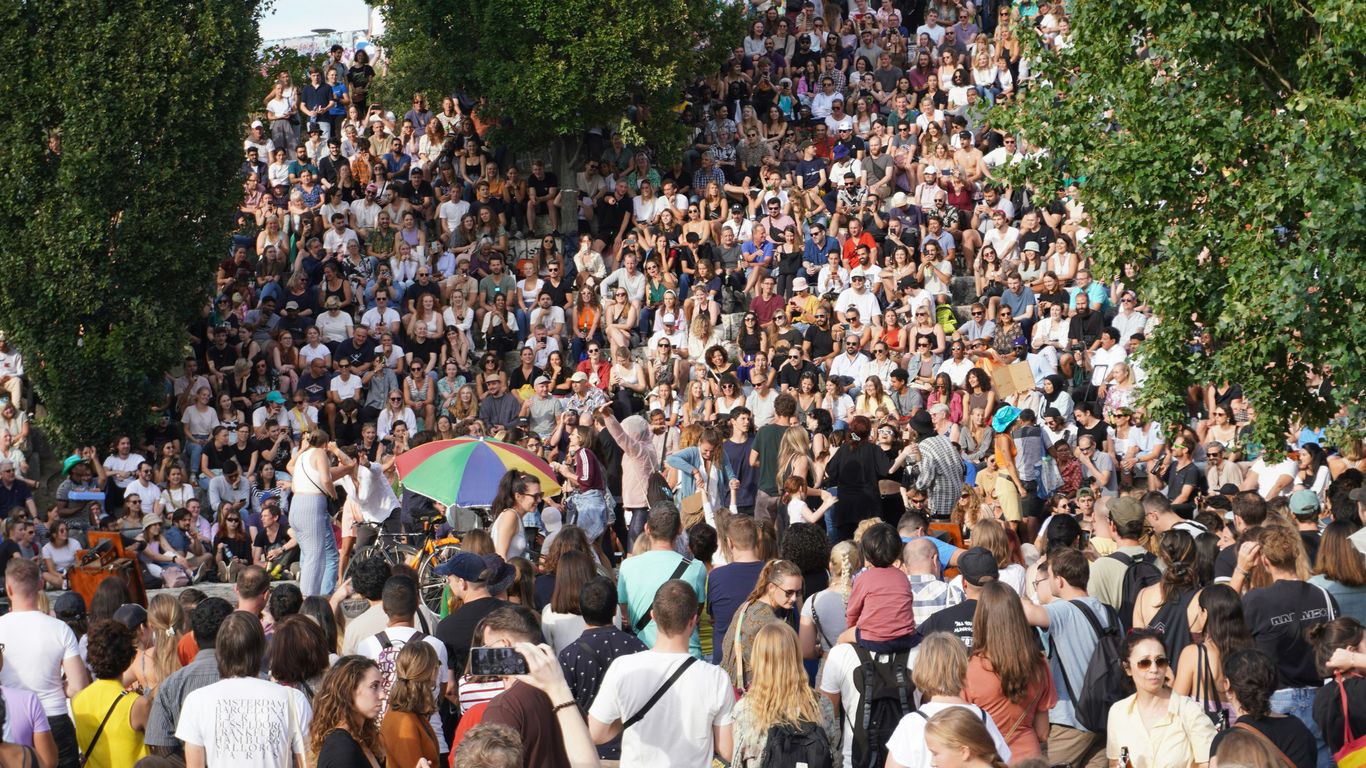
Communities come alive when workshops and prayers bring people together from every walk of life. It provides a meaningful way to book your cultural experience and engage with the living history that surrounds every street corner.
Visiting historic Hindu temples for special prayers
Temples offer a quiet refuge amidst the festive intensity. Visitors are encouraged to observe temple etiquette, ensuring that their presence remains respectful as they witness the vibrant local temple rituals and special lamp-lightings held during the holiday period.
Family-friendly workshops and interactive cultural activities
Educational sessions allow children and tourists alike to learn about the significance of rangoli patterns and traditional henna application. These sessions help bridge the gap between superficial appreciation and deeper cultural understanding.
Engaging with local volunteer and charity initiatives
Many groups organize charity drives during the holiday to ensure the spirit of sharing extends to the most vulnerable members of society. Participating in these initiatives is a powerful way to turn the focus on light and hope into tangible community action.
Practical tips for visitors and residents
Practical planning helps ensure that your celebration remains enjoyable and stress-free. Simple awareness of local conventions and logistics will make your journey through the city’s events much smoother.
Understanding public holiday schedules and closures
Public holidays often influence the timing of retail and administrative services across the city. Checking the latest MOM holiday schedule helps you avoid unnecessary travel for services that might be closed on the day.
Navigating public transport and large crowds
Crowds in Little India can be significant, so using public transport is highly recommended rather than trying to drive. To navigate efficiently, here are some helpful strategies:
- Utilize the MRT for faster access to the district.
- Avoid the peak evening hours if you prefer a quieter walk.
- Always carry water to stay hydrated in the tropical climate.
- Follow designated pedestrian paths to keep traffic flow moving.
These simple steps ensure you remain safe and comfortable while exploring the neighborhood.
Cultural etiquette and temple visiting protocols
Respecting local customs remains the most important part of being a guest in these spaces. Always dress modestly, keep your noise level low, and ask for permission before taking photographs inside any spiritual site.
Conclusion
Deepavali in the city is a profound expression of heritage and shared values that brightens the entire calendar. By engaging mindfully with the traditions, culinary delights, and community spirit offered during this time, everyone can contribute to the enduring celebration of light over darkness.
Frequently Asked Questions
What does Deepavali celebrate?
Deepavali celebrates the triumph of light over darkness and good over evil, based on various historical and religious narratives surrounding the victory of righteousness.
Is Deepavali a public holiday in Singapore?
Yes, Deepavali is officially recognized as a public holiday in Singapore, allowing the community to celebrate the occasion with their families.
Where is the best place to see the lights?
Little India serves as the central hub for festive celebrations, featuring the most elaborate street light-ups and decorative displays each year.
Should I wear traditional clothing?
While not mandatory, wearing traditional attire is a respectful and fun way to participate in the festive spirit, and it is widely welcomed by the local community.
Are the events free to attend?
Many of the street-level events, light displays, and public bazaars are free and open for public viewing, though specific workshops or dining experiences may have associated costs.
What food should I try first?
Traditional sweets like gulab jamun and savory dishes like biryani are essential starting points for anyone looking to experience the authentic culinary range of the festival.
How crowded does Little India get?
Little India can become extremely crowded, especially during the evenings leading up to the holiday, so plan for extra travel time and prefer using public transportation.