
Key TakeawaysDeepavali is a major festival in Singapore celebrating the triumph of light over dark, marked by widespread community joy. It is an officially recognized public holiday, which allows citizens to participate fully in its beautiful and long-standing rituals. Festive traditions involve intricate home decorations, ornate clothing, and communal prayers. Little India serves as the cultural epicenter, offering a sensory journey through food, markets, and light displays. Visitors are encouraged to respect local customs while immersing themselves in the vibrant spirit of the neighborhood. ## The significance and history of Deepavali in SingaporeDeepavali is a time of immense cultural resonance, where the streets of Singapore transform into a radiant display of heritage and devotion. This annual celebration serves as a cornerstone of the nation’s multicultural identity, drawing people from all walks of life to appreciate the values of inner peace and righteousness. Families gather to mark this transition from darkness to light with great enthusiasm and solemnity. ### Cultural origins and spiritual rootsThe festival is rooted in ancient traditions that emphasize the victory of good over evil, often associated with the return of Lord Rama to his kingdom. These stories serve as a vital link to ancestral heritage, teaching younger generations the importance of humility and moral strength. Communities across the island come together, creating a palpable sense of shared history that transcends specific rituals. ### The lunar calendar and date selectionThe timing of this celebration is calculated based on the Hindu lunar calendar, typically falling between October and November each year. Because the date is not fixed by the Gregorian calendar, local communities monitor celestial movements to determine the precise start. This preparation adds a layer of anticipation, as the city gears up for a period of renewal. ### Deepavali as a gazetted public holidayHaving Deepavali 2026 as a gazetted public holiday is a significant testament to the cultural diversity present in Singapore. This recognition allows families the necessary time to host visitors, maintain traditional home rituals, and visit community centers. The nationwide break helps preserve the sanctity of the festival amidst a busy modern schedule. ## Essential traditions and regional customsDeepavali customs are deeply personal yet incredibly communal, reflecting a desire to invite prosperity into the home. These practices are maintained with great care, ensuring that every element of the celebration feels significant and purposeful. The warmth generated by these habits creates an environment where everyone feels invited to participate. 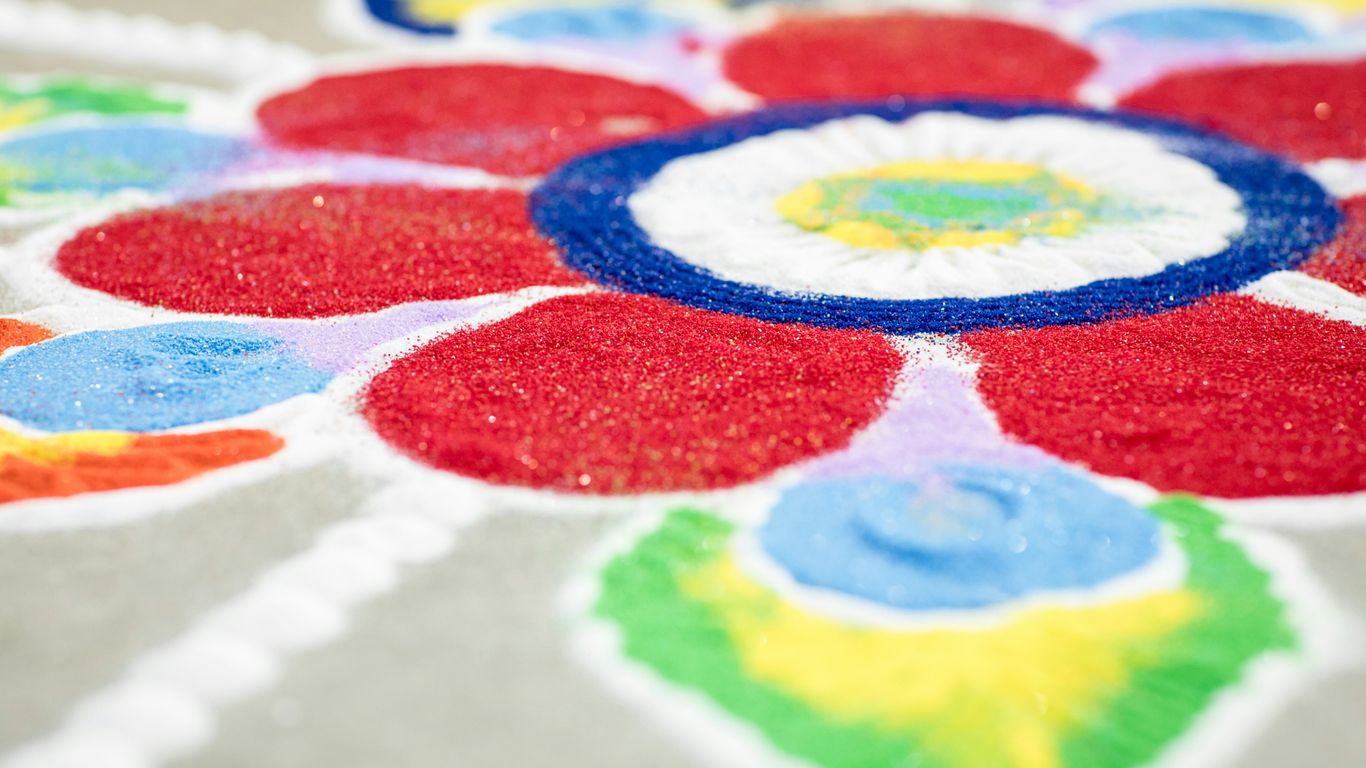 ### The symbolic lighting of oil lampsThe act of lighting oil lamps, or diyas, is considered a primary duty during the festival, symbolizing the inner light that protects against darkness. These small clay lamps are carefully arranged to form intricate patterns, brightening stairways and living spaces alike. It is a moment of quiet reflection as families commit to positivity. ### Visiting the temple for prayers and offeringsVisits to local centers like the Sri Veeramakaliamman Temple are essential for those seeking a spiritual connection during the holiday. These spaces host special services where patrons can make offerings and receive blessings for the year ahead. A common schedule involves: | Ritual Activity | Frequency | Primary Purpose | | :— | :— | :— | | Morning Puja | Daily | Spiritual cleansing | | Archana | Hourly | Personal blessing | | Evening Aarti | Sunset | Light offering | This structured approach helps manage the large crowds expected during the peak festival days, ensuring every devotee experiences the serenity of the space. It is a profound experience to witness the devotion displayed within these architectural landmarks. ### Traditional clothing and festive attireDuring the celebration, wearing new clothing is a popular custom that marks the festive nature of the day. Many residents choose vibrant fabrics, such as silk saris adorned with intricate gold embroidery, to reflect the richness of the occasion. This tradition showcases a deep appreciation for craftsmanship and color, which is a delight for the eyes of any visitor. ## Vibrant celebrations in Little IndiaLittle India acts as the city’s heart during this season, pulsating with music, light, and the scent of incense. The entire district is draped in elaborate decorations, signaling to every visitor that a major celebration is underway. It is a place of endless discovery where the energy is absolutely contagious.
 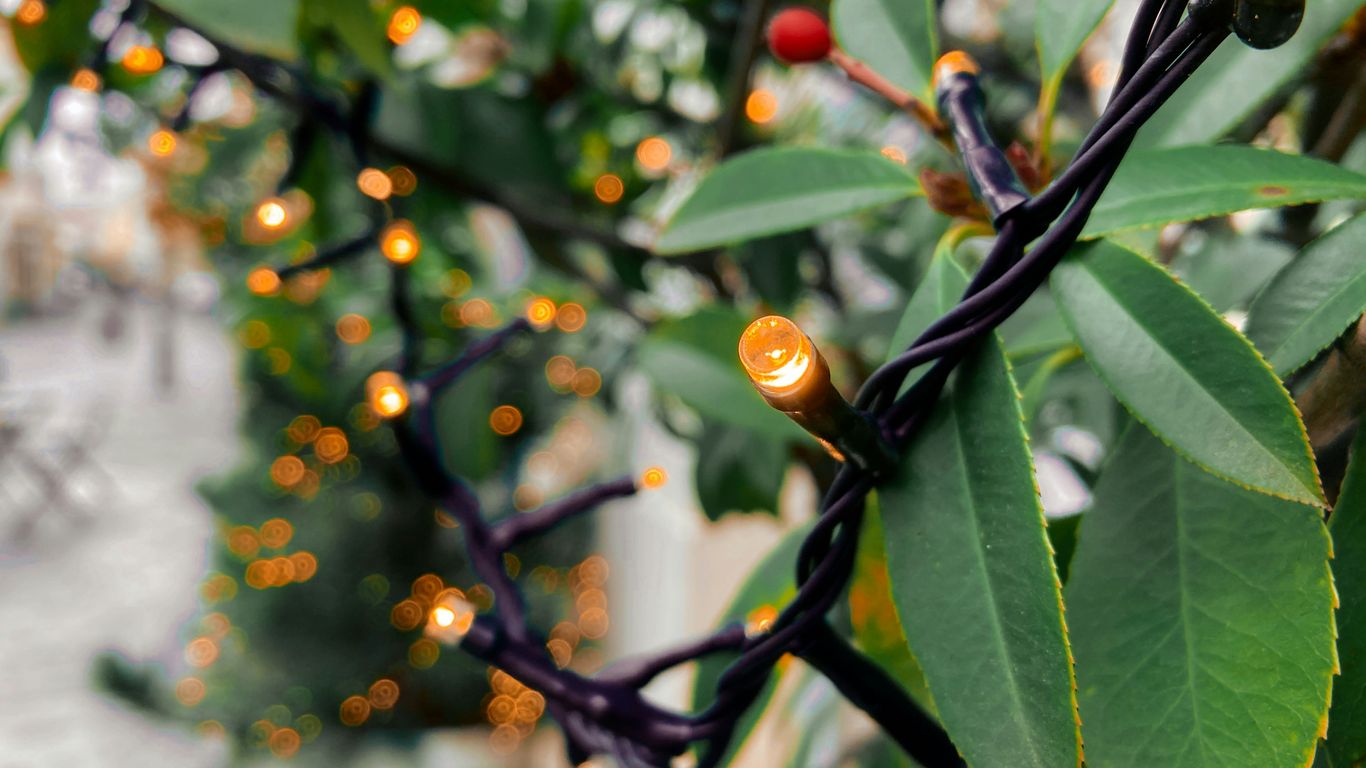 ### Festive street light-up and decorationsThe annual street light-up is an iconic feature that transforms Serangoon Road into a glowing tunnel of wonder. Thousands of individual bulbs are arranged in motifs that tell stories, creating an atmosphere of pure magic that draws crowds every night. It is widely considered one of the most photographable times of the year. ### The Deepavali festival village and bazaarsThe festival village is a treasure trove for shoppers looking to purchase authentic decorations, traditional jewelry, and seasonal delicacies. Visitors can browse rows of stalls featuring unique cultural apparel, providing a great opportunity to support local merchants while finding something special. Many locals also visit Tekka Centre to explore the diverse culinary and textile offerings found in this bustling market hub. ### Cultural parades and guided walking toursGuided tours are a fantastic way to peel back the layers of history within the district, providing context that casual visitors might overlook. Participants can join walks that cover the significance of religious sites, local history, and the evolution of the area. These tours often feature segments such as: – Historical architecture overview – Traditional spice appreciation sessions – Festive craft demonstrations – Local community storytelling sessions These experiences allow for a deeper understanding of how the district has maintained its character while embracing the progress of the city.
## Authentic culinary experiencesThe culinary landscape during this festival is breathtaking, with an array of flavors that define the season. It is a time when traditional recipes are prepared in large quantities to be shared among family, friends, and guests. Every meal feels like a celebration of heritage. 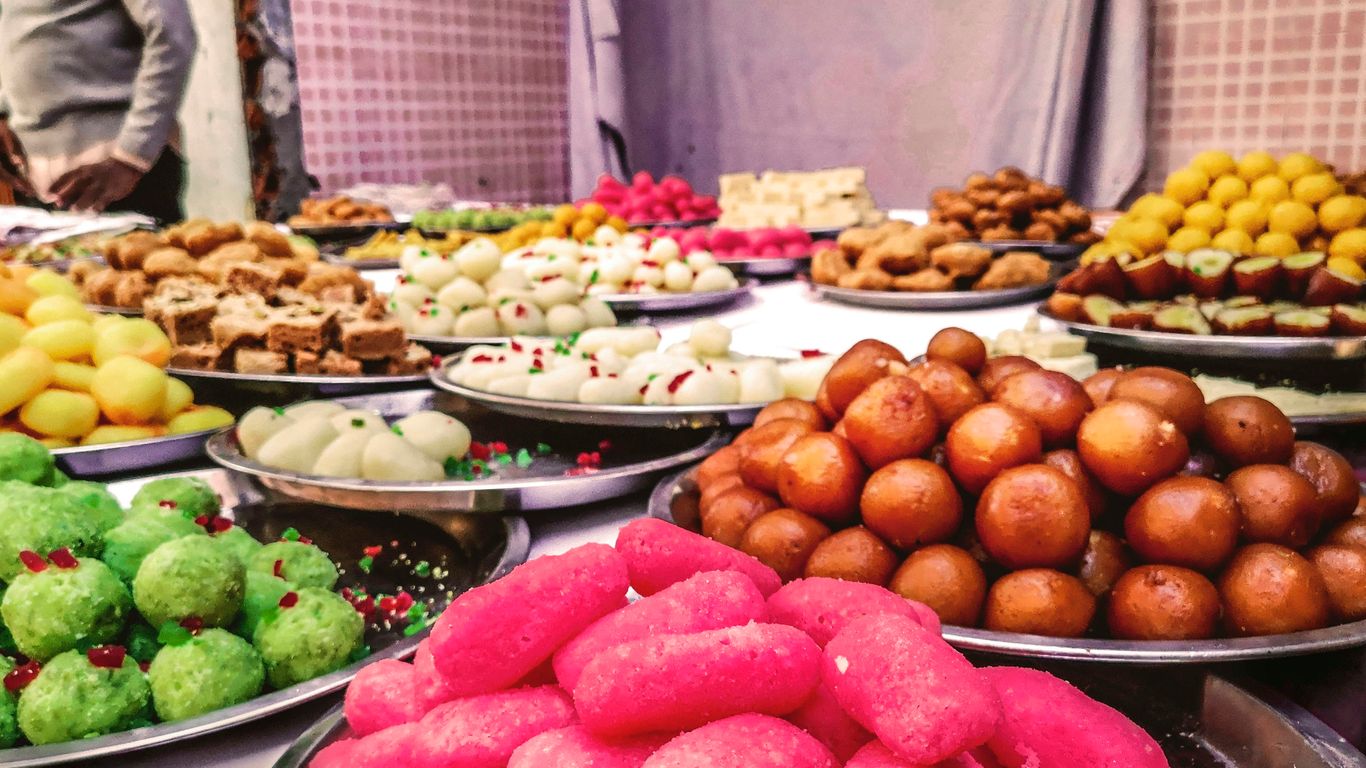 ### Traditional Deepavali sweets and savoury snacksTreats like laddus, gulab jamuns, and various types of festive crackers are central to the experience. These sweets are often shared between households, fostering a spirit of generosity that defines the holiday season. The craft of balancing sweet and savory notes in these snacks is passed down through generations. ### Dining at popular restaurants in Little IndiaFor those who want an immersive dining experience, local restaurants offer curated festival menus that highlight the best of the regional cuisine. Many establishments operate on a booking basis, so it is wise to make arrangements early. For a personalized recommendation, feel free to book your meal at one of the top-rated venues in the area today. ### Home-cooked feasts and hosting guestsHosting guests is a vital part of the tradition, as the home becomes an open space for connection and gratitude. Families prepare elaborate spreads that feature a variety of curries, bread, and rice dishes, ensuring there is enough to welcome even the most unexpected visitor. It is the height of hospitality, representing the inclusive spirit of the festival. ## Planning your Deepavali visitPlanning a trip during this busy time requires some foresight to ensure the most seamless experience possible. Whether you are coming from across the city or arriving as a visitor, understanding the local rhythm will help you make the most of the festivities. ### Best times of day to experience the festivitiesEarly mornings are often quieter, allowing for a more reflective pace, while evenings are when the district truly comes alive. Visiting during the golden hour provides the dual benefit of seeing the intricate details of the decor in natural light and enjoying the spectacle as the artificial lights begin to glow. ### Navigating public transport during the holidaySingapore’s widespread public transit system makes it easy to reach the festival hub, though stations near the center can be quite crowded. Using light rail or buses early in the day is recommended for a less stressful commute. Traffic can be heavy, so prioritizing public transport is the smartest way to minimize time spent waiting. ### Etiquette and tips for visitors and touristsWhen visiting sacred spaces or community areas, always remain mindful and respectful of local customs. Dressing modestly is generally expected, especially in temples, and should always be prioritized. If you are unsure of the rules at a specific location, observing those around you or quietly asking an attendant is the best way to ensure you are being respectful. ## ConclusionThe celebration of Deepavali in Singapore is a vibrant reflection of the city’s multicultural spirit and communal harmony. By participating in these festivities, whether through visiting bustling markets or enjoying traditional meals, you gain a deeper appreciation for the traditions that unite the people of this city. We hope this guide helps you have a memorable and meaningful experience during this radiant festival of lights. ## Frequently Asked Questions### What are the main activities during Deepavali?Individuals typically decorate their homes, attend prayer services at temples, and share festive meals with their community during the festival celebration.### How should visitors dress in Little India?Modest clothing that covers the shoulders and knees is appropriate for visiting cultural venues and neighborhood areas to ensure a respectful experience.### Are there specific foods I should try?Sampling traditional sweets like jalebi or savory snacks like samosas at local markets is highly recommended to experience authentic festive flavors.### Is it possible to visit temples during the festival?Yes, most temples welcome visitors, though it is essential to check if there are specific prayer times where public access might be restricted.### How do I get to Little India easily?The area is well-connected by local metro and bus routes, which are the most efficient modes of transport given the high volume of traffic during the holiday.### Do I need to be invited to join the celebrations?The public festival events in Little India are open to everyone, creating a welcoming environment where locals and tourists can participate in the festivities together.### Is there a best time to see the street light-up?The evening and night hours are the best times to experience the street light-up, as the full effect of the decorative displays is most visible after dark.