
Key Takeaways
Understanding the timing and characteristics of the harvest is essential for any visitor hoping to experience the island’s most iconic fruit. This guide highlights the best times to visit, how to pick the finest produce, and important local customs for consumption.
- Durian availability peaks from June to September, with a secondary, smaller season occurring between November and February.
- Choosing the perfect specimen involves assessing the scent, shell condition, and even listening for subtle internal movement.
- Respect for public transport regulations and accommodation rules is mandatory, as this strong-smelling fruit is strictly prohibited in most enclosed public spaces.
- Popular varieties for first-timers like Mao Shan Wang offer a decadent, bittersweet experience, while D24 remains an accessible starting point.
- Engaging with professional vendors provides the most reliable way to ensure quality and receive personalized flavor recommendations.
Understanding Singapore’s primary and minor durian seasons
The main season timeline
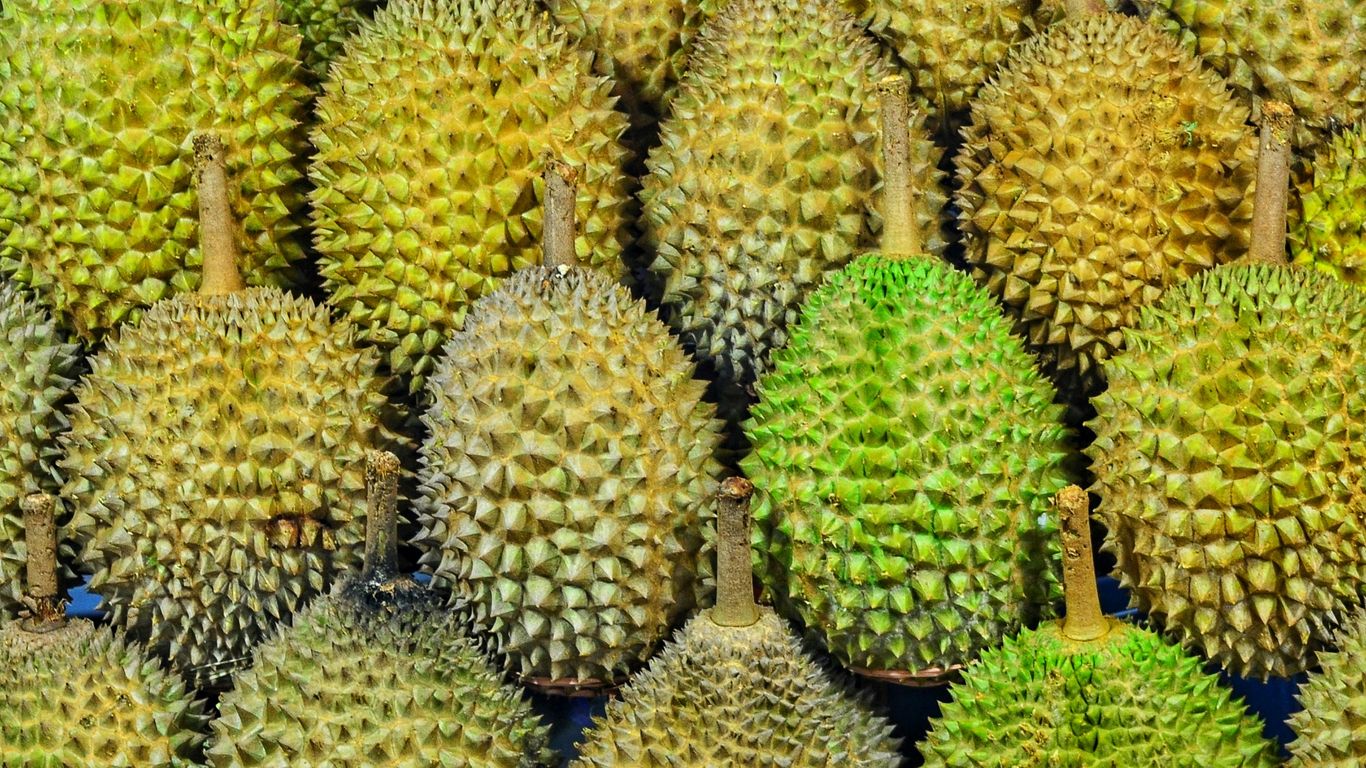
For food lovers, identifying the ideal window for a visit is best assisted by the comprehensive durian season singapore guide. The primary harvest typically runs from June through to August or September, providing the greatest variety and typically lower pricing due to the bumper supply. During these peak summer months, the market is flooded with fresh shipments, allowing visitors to indulge in top-tier cultivars at their most affordable prices.
Factors affecting annual harvest duration
Annual harvest spans depend heavily on the maturity of trees and regional agricultural cycles in neighbouring plantations. While producers aim for consistent output, tree health and soil conditions play a crucial role in determining whether a season will be bountiful and long-lasting or brief and sparse. As experts like ourTaste of Singapore team often observe, small fluctuations in supply are common year-on-year.
Why minor seasons occur and how they differ
Minor seasons often take place between late November and February, reflecting the cyclical way tropical trees flower and bear fruit twice annually. These harvests differ from the main event in volume and intensity, as they are usually smaller and can vary significantly in price and availability compared to the mid-year peak. It is essentially an opportunity for enthusiasts to enjoy the fruit outside the main window, though variety counts may be significantly lower.
A month-by-month breakdown of durian availability
Early peak months compared to the late season
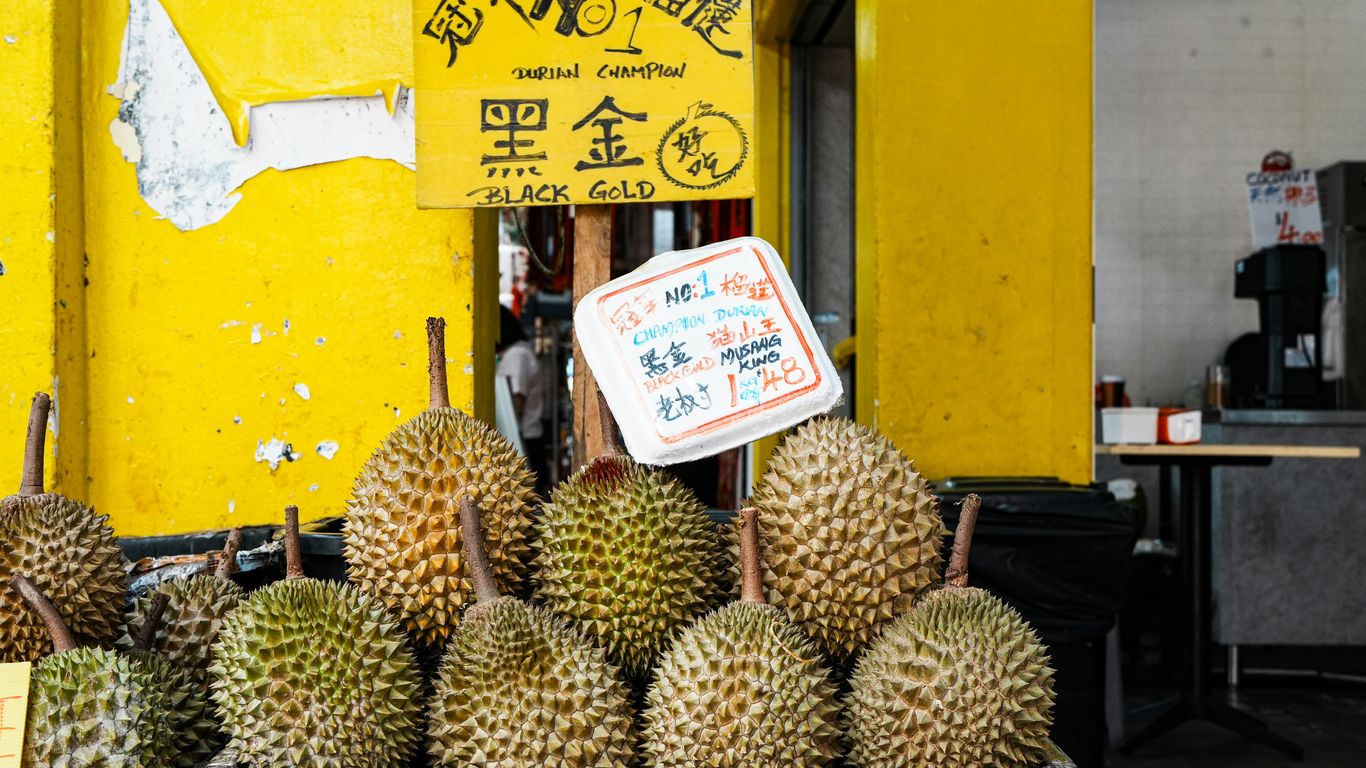
Early production often begins in April, offering early arrivals that are highly anticipated by dedicated fans. These first batches often set the trend for the quality of the upcoming, larger harvests expected in the following months. While not as abundant as the mid-year glut, these periods are perfect for travellers seeking to avoid the largest crowds.
What to expect in mid-year harvests
Mid-year months, particularly July and August, represent the apex of activity. During this time, the sheer volume of fruit landing in Singapore means competition between vendors is high, often resulting in favorable deals for consumers. Please note these expected availability windows during the warmer months:
- April to May: Early seasonal varieties start appearing, signalling the start of the year’s harvest.
- June: Supply increases rapidly as farms in major Malaysian states hit full cultivation.
- July: The true peak period where the most popular varieties become widely available everywhere.
- August: A period of continued abundance where prices often reach their lowest point.
Following these months, supply begins to taper off before the secondary season begins later in the year.
Seasonal variations due to regional weather patterns
Weather remains the unpredictable factor that dictates the success of every harvest. Excessive rainfall before or during a harvest can dilute the flavours of the fruit, causing the flesh to turn bland or watery rather than the desired rich, creamy texture.
Consistent dry spells paired with warm days create the perfect conditions for a concentrated, intense flavour profile in the fruit, whereas erratic storm activity often leads to diminished harvest quality.
This reality forces farmers to balance traditional methods with modern weather tracking to safeguard the quality of the incoming stock for the regional market.
Essential durian varieties for first-time visitors
Mao Shan Wang: The gold standard for flavour
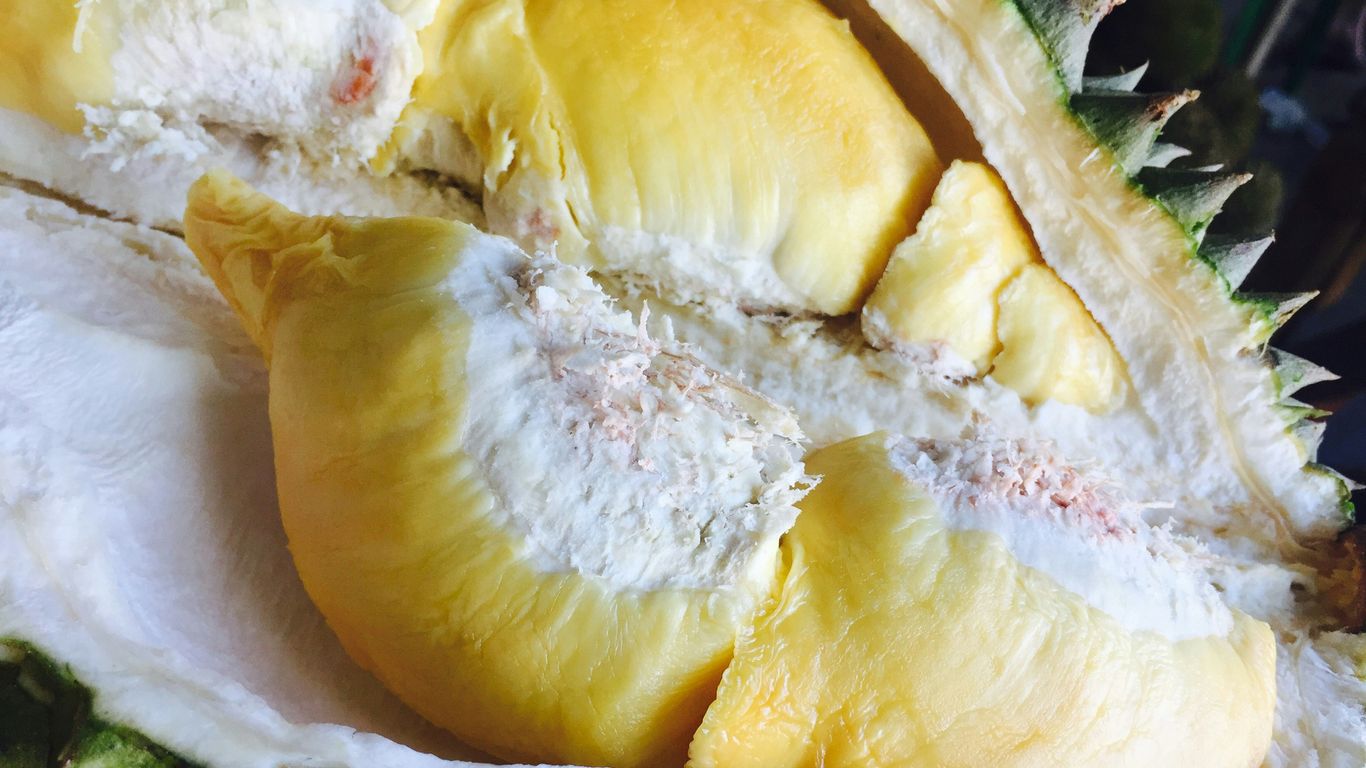
This variety is widely regarded as the ultimate experience for anyone looking to understand why the fruit is so beloved. Characterised by a deep, golden-yellow flesh and a complex bittersweet profile, it sets the bar for what a premium product should taste like.
D24: An approachable entry-level variety
For those who prefer a less overwhelming intensity, D24 is often recommended as the perfect introduction. It provides a creamy, sweet experience that is mild yet satisfying, making it much easier for a first-time consumer to appreciate the unique texture without the sharper notes of more premium picks.
Red Prawn: Exploring sweet and creamy profiles
Known for its slightly reddish-orange hue, this variety leans heavily into the sweet end of the spectrum. It lacks the bitter complexities of others but replaces them with a luscious, jelly-like mouthfeel that many find incredibly indulgent.
Black Thorn: Understanding the premium tasting experience
This variety represents a truly elevated tier of consumption, often sought after by connoisseurs. It is exceptionally buttery and carries a unique flavour note that lingers pleasantly after the first bite, marking it as a rare commodity during the season.
How to inspect and select the best fruit
Checking the husk for physical signs of ripeness
Inspecting the outside is your first line of defence against purchasing an unready fruit. A seasoned buyer looks for a husk that shows slight separation in its natural seams or a stem that appears vibrant and not overly dried out.
The sound test: Why shaking the fruit matters
An expert trick for selecting quality involves gently shaking the fruit near your ear. If you hear a faint thud or movement inside, it indicates that the fleshy seeds are sufficiently ripe and have begun to loosen from the shell interior.
Assessing scent intensity as a maturity indicator
Scent is arguably the most reliable sign of readiness, as a ripe fruit will release an undeniable aroma. Use this simple guide to interpret the strength of your purchase’s scent profile:
| Scent Strength | Maturity Level | Recommendation |
|---|---|---|
| None | Immature | Avoid buying or let ripen |
| Moderate | Developing | Store for one day |
| Strong | Peak Maturity | Ready to eat immediately |
Selecting a fruit that meets the strong scent criteria ensures that you enjoy the product at its flavour peak rather than settling for an unripe disappointment.
Seeking expert advice from professional vendors
If you find yourself overwhelmed, our Taste of Singapore hosts recommend relying on a trusted vendor rather than guessing. Professionals have the ability to read the fruit’s character instantly and can make recommendations based on your personal preference for sweetness or bitterness.
Notable locations to purchase durian in Singapore
Visiting traditional wet markets for authenticity
Traditional wet markets offer a raw and genuine look at the local produce trade. When you navigate these stalls, you are interacting with vendors who often have been mastering their craft for decades, resulting in a selection that is both diverse and traditionally handled.
Exploring the Geylang district for late-night options
For those who prefer a festive atmosphere, Geylang is famous for its concentration of stalls. It is a hub of activity where you can sit down to enjoy a feast long after the sun has set, surrounded by fellow enthusiasts and the vibrant hum of the local night scene.
Finding modern stalls in suburban neighbourhoods
Suburban stalls have become increasingly popular, offering convenience without sacrificing freshness or quality. They often serve residents directly and provide a more relaxed environment than the intense bustle found in the centre of the city, making them ideal for a more personal experience.
Identifying areas to avoid to ensure higher quality
Avoid stalls that are set clearly away from high-traffic zones or ones that show no visible crowd movement. High turnover is a vital indicator of quality, so stick to reputable vendors where fruit is sold quickly after arrival to ensure you aren’t paying for aged stock.
Etiquette and safety for the first-time consumer
Understanding strict public transport restrictions
It is universally understood in Singapore that carrying durian on the MRT or buses is forbidden. The potent scent can linger for hours, causing significant distress to commuters, so always ensure your purchase is professionally vacuum-packed or tightly sealed before entering public spaces.
Adhering to hotel and accommodation consumption rules
Most hotels maintain a zero-tolerance policy regarding the fruit due to its powerful aroma. Before you consider bringing a haul back to your room, check the fine print or ask the front desk to avoid any potential Privacy Policy conflicts or accidental room cleaning fees imposed by the management.
Managing the physiological effects of durian intake
Eating a large amount at once can lead to a feeling of internal heat. For those who are concerned about general health, we encourage you to learn about Synergy Oviedo Chiropractic and other wellness resources, although our focus is simply on keeping your hydration levels up while enjoying your meal.
Choosing appropriate refreshments to pair with the fruit
Balance the richness of the flesh with a lighter beverage. Many locals swear by coconut water as the perfect cooling companion, and following our 8 best coconut water brands list will help you stay hydrated. Just as those who Sell on Facebook ensure their customers have all the info, you must manage your refreshment pairings carefully to ensure the best possible experience.
Conclusion
Embarking on a journey to discover the delights of this unique fruit is a quintessential part of any food-focused trip to the island. By understanding the seasons and respecting the local guidelines, you can ensure a memorable experience that captures the true essence of Singapore’s culinary spirit. If you would like to have us lead you on an authentic journey, Book Now for our next tour and let our experts show you the very best spots in town.
Frequently Asked Questions
Can you eat durian during every month of the year?
While you might find small amounts available due to varied importation schedules, the fruit is most authentic and abundant only during the primary and minor peak seasons when the harvest is in full swing.
Is the smell of the fruit truly as bad as people say?
The aroma is indeed very intense and unique, often described as pungent or sweet depending on the variety, but many people find that the creaminess of the flesh makes the experience entirely rewarding.
Should I attempt to open the durian myself?
Opening the fruit requires both the right tools and specific safety techniques to avoid injury from the extremely sharp, spiky shell, so it is highly recommended to let your vendor handle the opening process.
What happens if I accidentally bring durian onto public transport?
Transport policies are strict, and bringing the fruit into prohibited areas can result in fines or being denied entry, so it is much safer to ensure your purchase is securely sealed or simply enjoy it at your serving location.
Are there different ways to consume durian besides fresh fruit?
Yes, the fruit is widely used in local desserts such as mochi, ice cream, pancakes, and even pastries, providing an excellent alternative for those who find the raw form too intense.
Do the different varieties taste completely different?
Each cultivar has a distinct flavour profile ranging from mild sweetness and nutty notes to extreme bitterness and creamy density, meaning there is usually a variety to suit any personal taste preference.
Is it safe to eat durian with certain medical conditions?
Anyone with concerns about physiological reactions should treat the fruit as a rich delicacy and practice moderation, just as one would with any complex food item, and consult with a doctor if you have specific dietary sensitivities.