
Key Takeaways
The Helix Bridge in Singapore stands as a unique synthesis of art and civil engineering. Its design remains a fundamental element of the local waterfront architecture.
- The bridge features a double-helix geometry inspired by human DNA.
- It connects the Marina Centre and Marina South areas seamlessly.
- High-grade stainless steel ensures longevity in tropical conditions.
- Intricate lighting displays highlight its structural curves at night.
- Strategic viewing platforms provide direct vistas of the cityscape.
Architectural inspiration behind the Helix Bridge
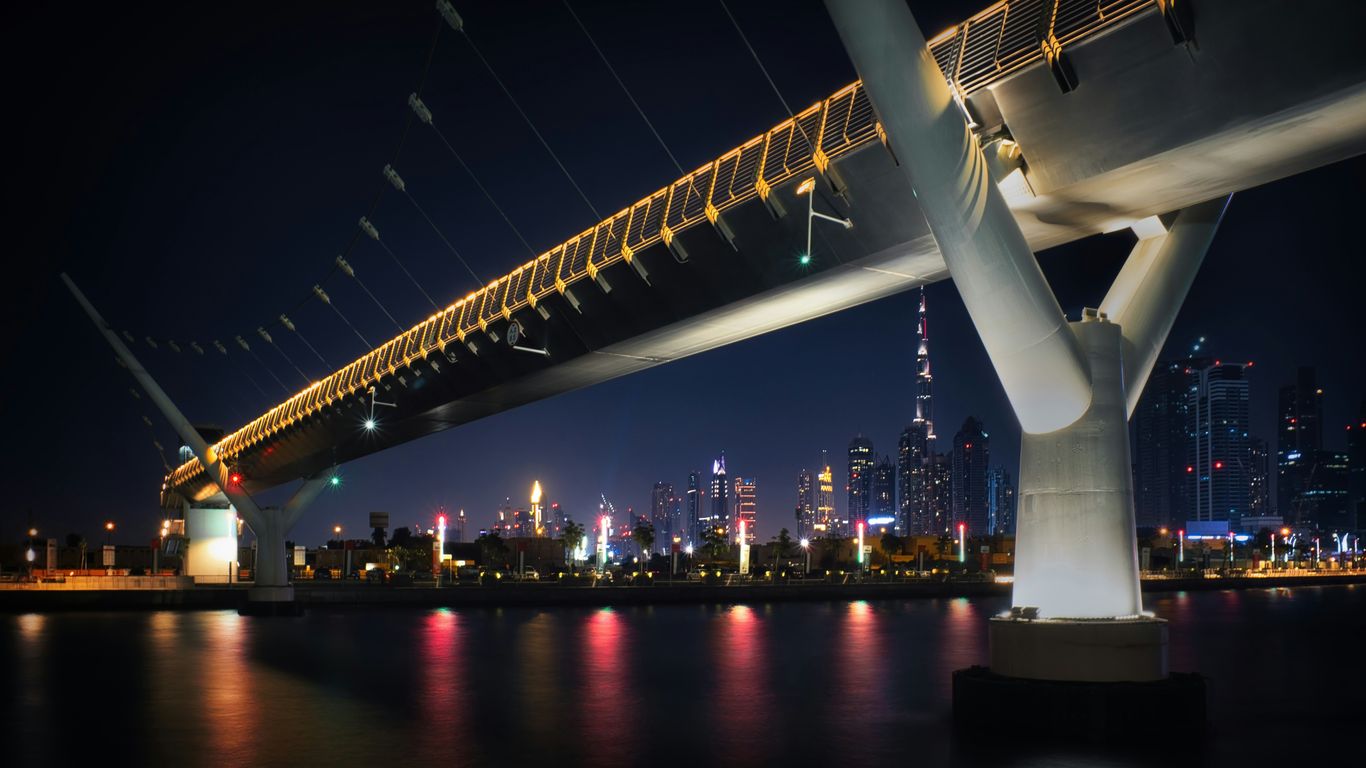
DNA-inspired double-helix geometry
The bridge draws its primary visual identity from the complex geometry of a biological DNA strand. This winding structure was chosen to provide a sense of movement and organic rhythm against the rigid glass and concrete backdrop of the surrounding modern district. The resulting form is not only a functional walkway but a sculptural statement that defies traditional bridge architecture.
Collaborative design efforts of international firms
The development of this landmark relied on a partnership between Australian architects and engineers and their Singaporean counterparts. By combining global design expertise with local contextual knowledge, the team ensured the final structure functioned efficiently as a pedestrian artery while meeting strict safety parameters. This synergy allowed the project to evolve from a conceptual visualization into a reality that integrates perfectly with the harbor.
Symbolic significance in Singapore’s biomedical vision
Beyond its utility, the bridge symbolizes The Helix Bridge as an emblem of Singapore’s focus on biomedical sciences and innovation. Using a biological form for a key piece of public infrastructure sends a deliberate message about the country’s forward-looking goals. It serves as a reminder to residents and visitors that the city-state prioritizes scientific progress as part of its long-term development strategy.
Aesthetic integration with the urban landscape
Integrating such a distinct object into a busy urban core requires careful balance to avoid visual clutter. The bridge maintains a curved trajectory, which manages to carve delicate lines through the horizon without overtaking the neighbouring ArtScience Museum. It serves as a deliberate aesthetic offset to the surrounding infrastructure by providing visitors with an approachable, human-scaled experience.
Structural engineering and material selection

Use of high-grade stainless steel
The choice of material was critical for ensuring stability and aesthetic retention over decades. Designers utilized high-grade stainless steel, which offers a superior strength-to-weight ratio while maintaining a refined appearance. The following table summarizes the structural components utilized in the bridge’s assembly:
| Component | Material | Function |
|---|---|---|
| Supporting Inner Helix | Stainless Steel | Primary load support |
| Outer Helical Tubes | Stainless Steel | Structural stabilization |
| Pedestrian Decking | Resilient Surfaces | Surface grip and comfort |
This material selection allows the structure to support high foot traffic volumes while requiring minimal ongoing maintenance.
Structural capacity and urban load-bearing
Engineers designed the bridge to manage substantial pedestrian throughput, ensuring it remains safe during peak events like the National Day celebrations. The structural skeleton distributes the load across the curved frame, allowing for thousands of people to transit simultaneously without compromising the bridge’s integrity. Such capacity is essential for managing the flow between major attractions in the bay.
Resistance to tropical maritime climates
Singapore’s humid and salt-laden air generally accelerates the corrosion of steel infrastructure. By selecting specific grades of steel, the designers mitigated the risk of premature degradation, ensuring the bridge remains structurally sound as defined in Discover the best resources. The material’s resistance serves as a case study for sustainable urban longevity in dense, tropical maritime environments.
Construction timeline and site challenges
Constructing a bridge at the heart of an active bay required intricate logistical planning. The project team faced tight deadlines and the need to maintain clear shipping lanes for Marina Barrage area logistics during the construction phase. Managing these site constraints while placing large steel segments demanded high precision and coordination between contractors.
Experiencing the bridge as a pedestrian
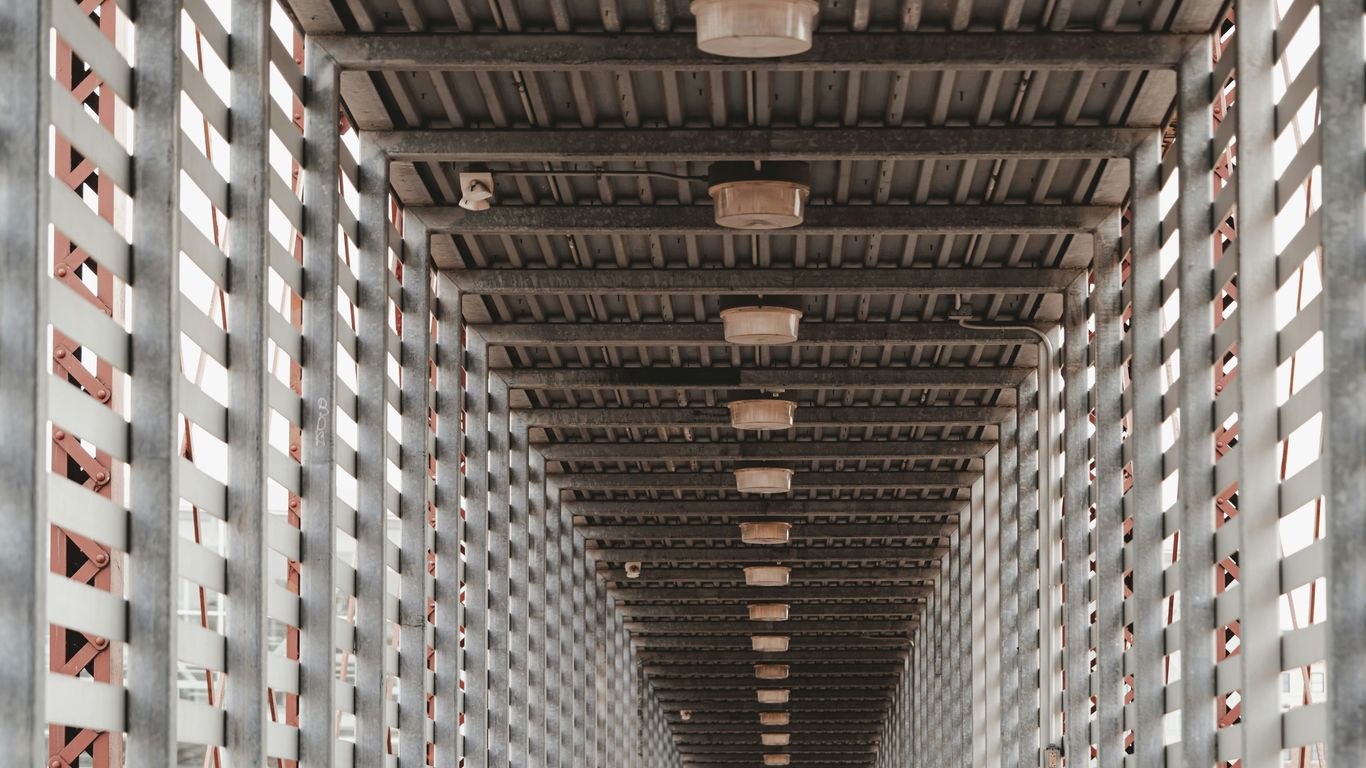
Optimal times for visitation and light display
Visitors often find the early evening the most rewarding time to cross the bridge. As the sun sets, the temperature drops, and the city lights begin to compete with the bridge’s decorative illuminations. Scheduling a visit during this transition captures the transition of the district from a daylight business hub to a vibrant nocturnal destination.
Interactive canopy features for shade and cooling
The bridge incorporates fritted-glass panels and perforated steel mesh along its inner spiral. These elements effectively diffuse harsh tropical sunlight, creating shaded zones where pedestrians can rest. The canopy also acts as a windbreak, improving comfort during hot afternoons, which adds to the overall value of Aviron rower accessories or other wellness infrastructure considerations.
Strategic viewing platforms for city vistas
Four distinct platforms are located along the bridge, providing expansive views of the Marina Bay region. These lookouts were intentionally placed to offer unobstructed lines of sight towards the central skyline and the water. Photographers and casual visitors alike utilize these vantage points to frame the urban environment with the iconic Helix structure in the foreground.
Deciphering the DNA base letter illuminations
Lighting at night is not merely decorative; it encodes the chemical bases of DNA using specifically lit letters. Pairs illuminated in red and green correspond to cytosine and guanine, while others represent adenine and thymine. This detail elevates the pedestrian experience, transforming a simple walk into an opportunity to reflect on the concepts behind the bridge’s namesake.
Integration with the Marina Bay precinct
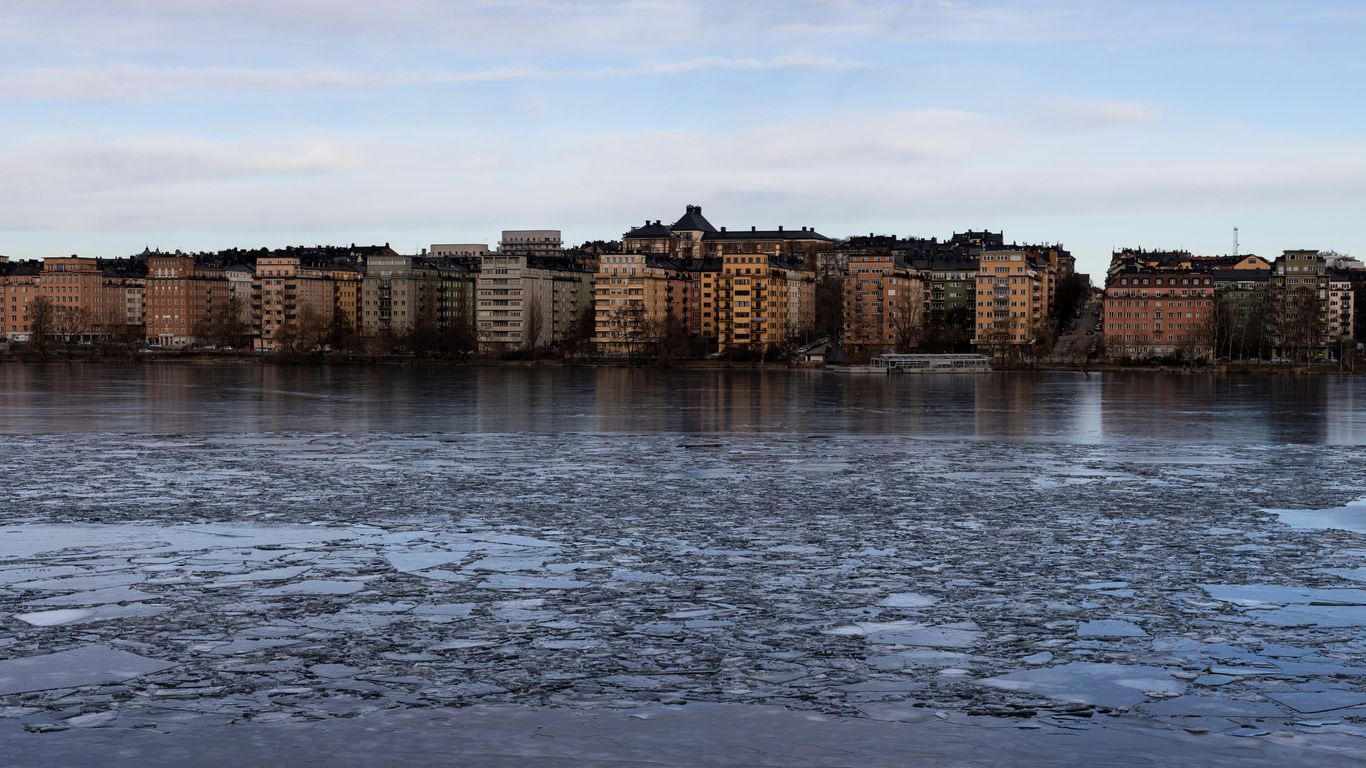
Connectivity between Marina Centre and Marina South
This bridge provides an essential link, bridging the gap between major shopping and business centers. Before its construction, navigating the bay area involved significantly longer walking routes for visitors or reliance on vehicular transport. Today, the connection creates a unified pedestrian network that encourages the following benefits:
- Improved flow of foot traffic across the waterfront.
- Safer transitions away from main vehicular roads.
- Better access to public transport nodes like Fort Canning Park.
These improvements demonstrate clearly how pedestrian-centric infrastructure reshapes urban accessibility.
Proximity to key landmarks like ArtScience Museum
Its placement relative to major cultural institutions is a testament to thoughtful urban planning. The bridge serves as a natural gateway for visitors moving between the museum and the central financial district. This closeness ensures the bridge remains a constant thoroughfare, sustaining its vitality throughout the week.
Role in local pedestrian traffic management
City authorities use the bridge to organize how crowds interact with the surrounding waterfront during busy festivals. By segregating foot traffic from the more chaotic street-level environments, the structure maintains order and safety. It acts as an anchor point that directs crowds from major event centers toward the rest of the city.
Impact on the surrounding waterfront accessibility
Waterfront areas are often fragmented by natural channels and artificial boundaries. This bridge overcomes these divisions, opening up continuous walking paths along the water’s edge. Residents and travelers find that the bridge is a Book Now prerequisite for enjoying a full circuit of the bay, as it completes the loop of accessible pedestrian space.
Photography and visual highlights
Capturing the bridge’s intricate night lighting
The bridge produces a distinctive glow after dark that is popular with amateur and professional photographers. Utilizing long exposure settings allows the lights to streak against the night sky, creating a sense of energy. The reflection of these patterns on the water provides an additional layering effect that adds depth to night-time images.
Framing the skyline from the curved deck
The curve of the bridge is an asset for photographers looking to create dynamic compositions. By moving along the path, the background skyline shifts perspective, allowing for endless variations on the same view. Aligning the steel helix with the towers in the distance generates strong leading lines that draw the eye into the center of the frame.
Perspectives from the surrounding boardwalks
Viewing the bridge from the exterior is just as important as being on it. The surrounding boardwalks offer wider angles that allow the full scale of the double-helix geometry to be captured. These perspectives are best utilized during the golden hour, when shadows add relief to the stainless steel frame and enhance the overall texture.
Seasonal variations in light and colour
The bridge’s lighting system often changes to reflect seasonal shifts or special celebrations. During national festivals, the bridge may display specific color schemes that match the theme of the event. Documenting these changes over time provides a rich visual record of the structure’s place within the evolving rhythm of the city.
Conclusion
The Helix Bridge remains a cornerstone of Singapore’s landscape by blending functional engineering with a forward-looking design philosophy, serving as a reliable path for all who visit.
Frequently Asked Questions
Is the Helix Bridge free for pedestrians to visit?
Yes, the bridge is open to the public 24 hours a day and does not require an entry fee, allowing visitors to walk between Marina Centre and Marina South freely.
Who actually designed the bridge?
A collaborative team consisting of architects and engineers from Australia and Singapore developed the structure, ensuring a balance between creative design and local urban needs.
What does the DNA inspiration represent?
The design embodies the concept of life and growth, reflecting Singapore’s focus on the biomedical sciences and its aspirations as a center for global innovation.
Are there lights on the bridge at night?
Yes, the bridge is illuminated with a decorative lighting system that highlights its double-helix structure and indicates the individual bases of DNA using colored letters.
How long is the entire pedestrian bridge?
The bridge measures 280 meters in length, providing a dedicated walkway that connects major points across the Marina Bay area without the need for vehicular transit.
Can visitors rent bicycles for the bridge?
While the bridge is primarily for pedestrians, it is part of a larger network of paths in the city, though visitors should check local bylaws regarding cycling on specific pedestrian structures.
Why are the lights green and red?
The specific colored lights are used in pairs to accurately represent the four chemical bases of DNA: cytosine and guanine in one color, and adenine and thymine in another.