So, you’re curious about Peranakan versus Malay food, huh? It’s easy to get them mixed up, especially since they’re both so popular in places like Malaysia and Singapore. They share some roots, sure, but there are definitely some interesting differences. Think of it like this: Malay food is kind of the solid foundation, and Peranakan food is like a fancy renovation built on top, borrowing bits and pieces from here and there. Let’s break down what makes each one tick and where they part ways.
Key Takeaways
- Peranakan cuisine is a unique fusion, born from Chinese migrants marrying local Malay women in the Straits Settlements, creating a distinct cultural identity. Malay cuisine, on the other hand, represents the indigenous culinary traditions of the Malay people.
- While both cuisines use Southeast Asian aromatics like lemongrass and galangal, Peranakan food often incorporates a wider range of spices and herbs, influenced by Chinese ingredients and techniques, leading to complex flavour profiles.
- Key Peranakan dishes like Lo Bak and Asam Udang showcase a blend of Chinese textures and Malay/Indonesian flavours, often balancing sweet, sour, and spicy notes. Malay cuisine has its own set of signature dishes rooted in traditional cooking methods.
- The peranakan vs malay food differences are most apparent in ingredient adaptations and spice profiles. Peranakan food might use ingredients like candlenuts and belacan (shrimp paste) more prominently, alongside Chinese staples, while Malay food relies on its own set of core ingredients.
- Historically, Peranakan cuisine saw adaptations to suit Western palates, particularly the British, leading to dishes like Inchi Kabin with milder flavours and even Western seasonings. Modern Peranakan cooking continues to innovate while preserving its rich heritage.
Understanding Peranakan Origins
A Fusion Born from Migration
The Peranakan culture, often referred to as Baba-Nyonya, is a fascinating blend that emerged from the early Chinese migrants who settled in the Malay Archipelago. These weren’t just temporary visitors; many decided to make Southeast Asia their home, often marrying local Malay women. This intermingling created a unique cultural identity, distinct from both their Chinese heritage and the local Malay traditions. The term ‘Peranakan’ itself, meaning ‘born here’ in Malay, points to this deep connection with the region. This fusion wasn’t a sudden event but a gradual process, unfolding over centuries as communities established themselves and developed their own customs, language, and, of course, food.
The Straits Settlements’ Influence
The historical context of the Straits Settlements – comprising Penang, Malacca, and Singapore – played a significant role in shaping Peranakan culture. Established by the British in the late 18th century, these port cities became hubs for trade and migration. As Chinese traders and labourers arrived seeking opportunities, they found themselves in a melting pot of cultures. The British administration also introduced Western influences, which the Peranakans, with their unique position as intermediaries, readily adopted. This created a complex tapestry of influences, weaving together Chinese, Malay, and European elements into a distinct Peranakan way of life. Exploring areas like Joo Chiat and Katong in Singapore offers a glimpse into this historical legacy.
Cultural Identity Beyond Ethnicity
It’s important to understand that being Peranakan is more about cultural identity than strict ethnicity. While many Peranakans trace their ancestry back to Southern China, their way of life, language (a unique Malay dialect called Baba Malay), fashion, and cuisine are a testament to their hybrid heritage. This cultural identity was further solidified by their socioeconomic standing in colonial times, with many Peranakans becoming successful merchants and community leaders. They were known for their appreciation of fine things, importing goods and adopting styles from various cultures, which is reflected in their elaborate homes and intricate crafts. This adaptability and openness to new influences are key to understanding the Peranakan spirit.
Key Ingredients and Flavours
Southeast Asian Aromatics in Peranakan Dishes
Peranakan cooking really shines when it comes to using aromatics. Think about ingredients like lemongrass, galangal, and turmeric root. These aren’t just thrown in; they’re carefully prepared to bring out their best flavour. Lemongrass often gets bruised or finely chopped, galangal might be sliced thin, and turmeric root is usually grated or pounded into a paste. They form the backbone of many dishes, giving them that distinctive fragrant quality that’s hard to pin down but easy to recognise.
The Role of Spices and Herbs
Spices and herbs are where Peranakan food gets its depth. It’s not just about heat, though chilli is definitely used. You’ll find a lot of fresh herbs like mint, pandan leaves (which smell a bit like vanilla), and torch ginger flower. These add a fresh, vibrant note. Then there are the dried spices – things like coriander seeds, star anise, and cinnamon. These are often toasted and ground to make spice pastes, which are then fried until fragrant. This process really brings out their complex flavours. The careful layering of these spices and herbs is what makes Peranakan dishes so interesting.
Balancing Sweet, Sour, and Spicy Notes
One of the defining characteristics of Peranakan cuisine is its masterful balance of flavours. It’s a constant dance between sweet, sour, and spicy. Tamarind paste is a common way to introduce a pleasant sourness, often paired with sugar to temper it. Chillies provide the heat, but it’s usually a controlled heat that complements rather than overwhelms. You’ll also find ingredients like belacan (shrimp paste) adding a salty, umami depth. This careful calibration means that no single flavour dominates, creating a harmonious and moreish taste experience. It’s this complexity that makes Peranakan cuisine so appealing.
Distinctive Peranakan Dishes
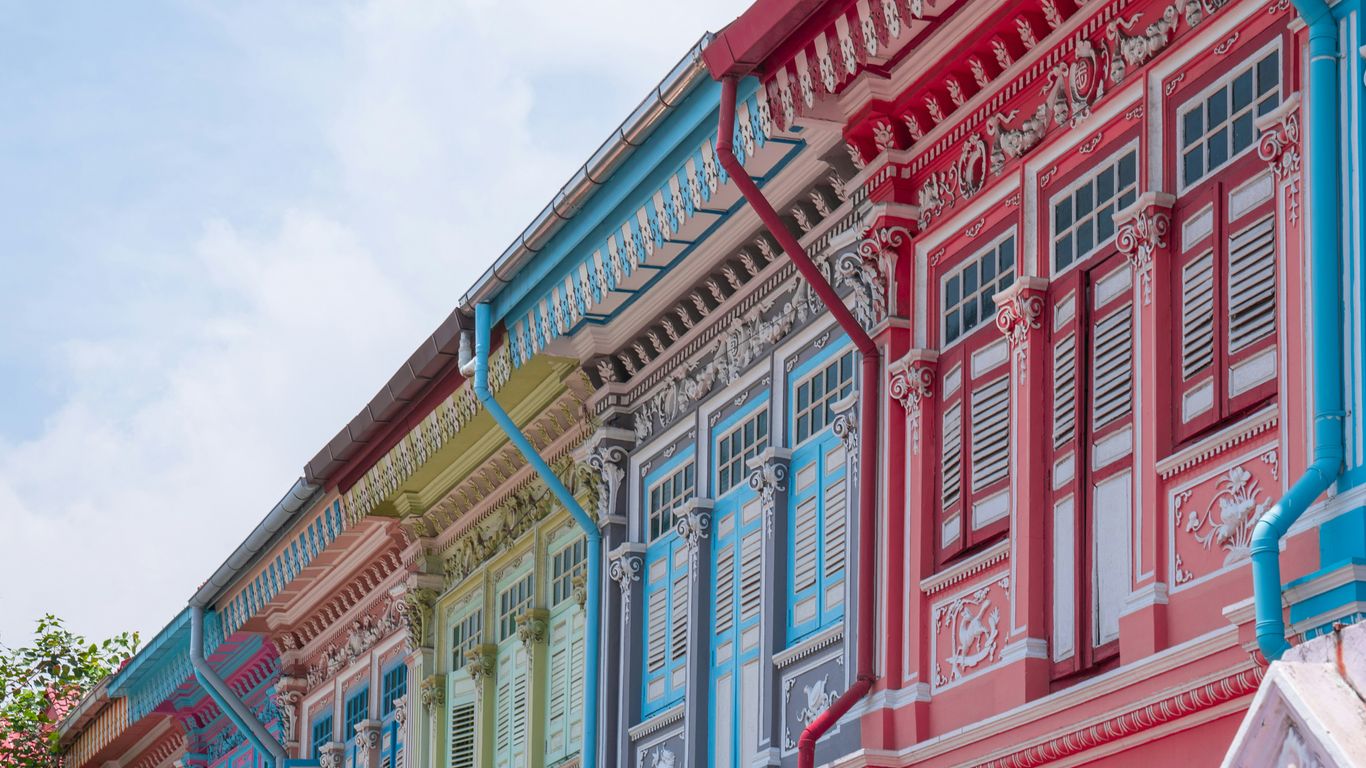
Peranakan cuisine, often called Nyonya food, is where Chinese culinary roots meet Southeast Asian flair. It’s not just about mixing ingredients; it’s about creating something entirely new, a testament to the unique cultural blend of the Straits Settlements. Many dishes are quite labour-intensive, reflecting a time when Nyonya women had the leisure to perfect complex recipes.
Lo Bak and Otak-Otak: Appetisers and Snacks
While not strictly appetizers in the Western sense, dishes like Lo Bak offer a delightful start. These are parcels of minced pork mixed with water chestnuts for crunch, seasoned with five-spice powder, and wrapped in soybean skin. They’re often served with a tangy chilli sauce. Another popular item is Otak-Otak. This involves minced fish, typically Spanish Mackerel, blended with coconut milk and a fragrant mix of Southeast Asian herbs like galangal, turmeric, and lemongrass. The mixture is then wrapped in banana leaves and steamed, resulting in a delicate, flavourful bite that really showcases the use of local ingredients.
Asam Udang and Bubur Pulut Hitam: Savoury and Sweet
Moving onto more substantial fare, Asam Udang features prawns marinated in tamarind and a touch of sugar. This gives them a lovely sweet and sour profile that complements the natural sweetness of the shrimp. Sometimes these are grilled, making the shells wonderfully crispy. For those with a sweet tooth, Bubur Pulut Hitam is a must-try. It’s a rich pudding made from black glutinous rice, cooked with pandan leaves for that distinct aroma, and finished with a drizzle of salty coconut cream. It’s a comforting dessert, enjoyed either warm or cold.
Inchi Kabin and Ayam Kapitan: Chicken Adaptations
Chicken dishes also feature prominently, often showing a creative adaptation of familiar ingredients. Inchi Kabin, for example, is a type of fried chicken that’s marinated in a blend of spices and sauces, giving it a distinctive flavour. Ayam Kapitan is another example, a curry dish that’s a bit milder than some traditional Malay curries, often featuring a drier consistency and a unique blend of spices. These dishes highlight how Peranakan cooks took inspiration from various sources to create their own signature meals, often balancing robust flavours with a certain refinement. Exploring these dishes offers a real taste of Singapore’s rich cultural tapestry.
The complexity of Peranakan cooking often lies in the careful layering of flavours and textures. It’s a cuisine that rewards patience, both in its preparation and its enjoyment, reflecting a deep appreciation for culinary artistry.
Malay Cuisine: A Foundation of Flavour
Core Malay Culinary Traditions
Maya cuisine forms a significant base for many of the flavours found across Malaysia and Singapore. It’s a culinary tradition deeply rooted in the region’s history and geography. The emphasis is often on fresh, local ingredients, prepared using methods passed down through generations. Think aromatic spices, coconut milk, and a balance of sweet, sour, and spicy notes that create comforting and satisfying meals. It’s the kind of food that feels like home, even if you’re trying it for the first time.
Common Ingredients in Malay Cooking
The pantry of Malay cooking is rich with the bounty of Southeast Asia. You’ll find staples like:
- Rice: The absolute cornerstone, served with almost every meal.
- Coconut Milk: Used generously in curries, desserts, and to add richness.
- Spices: Turmeric, ginger, galangal, lemongrass, and chilies are frequently used to build complex flavour profiles.
- Belacan: Fermented shrimp paste, a potent ingredient that adds a unique umami depth.
- Tamarind: Provides a characteristic sourness to many dishes.
These ingredients come together to create dishes that are both familiar and exciting, reflecting the diverse culinary landscapes of the region.
Regional Variations in Malay Food
While there are common threads, Malay food isn’t monolithic. Different regions boast their own specialties and twists on classic dishes. For instance, coastal areas might feature more seafood, while inland areas might focus on poultry and game. The influence of trade routes and local produce means that a dish in one state can taste quite different from the same dish in another. This regional diversity is a testament to the adaptability and richness of Malay cooking, making it a fascinating area to explore for any food enthusiast.
Comparing Peranakan vs Malay Food Differences
Ingredient Adaptations and Influences
While both Peranakan and Malay cuisines draw from the rich tapestry of Southeast Asian flavours, their distinct origins lead to noticeable differences. Malay cooking often sticks closer to traditional ingredients and methods, reflecting its indigenous roots and influences from nearby regions like Indonesia and Thailand. Think of the widespread use of coconut milk, turmeric, and lemongrass, which form the backbone of many Malay dishes. Peranakan food, on the other hand, is a fascinating hybrid. It started with Chinese migrants marrying local Malay women, leading to a unique blend. This means you’ll find Chinese staples like soy sauce and pork (though not always) mixed with the Malay aromatics and spices. It’s this fusion that gives Peranakan dishes their special character. For example, while both might use chilli, Peranakan versions might incorporate ingredients like candlenuts for thickening or fermented shrimp paste (belacan) in a more nuanced way, often as part of a complex spice paste called a ‘rempah’.
Spice Profiles and Aromatic Bases
The way spices and aromatics are used really sets these cuisines apart. Malay cuisine tends to have a more direct and robust flavour profile, often highlighting the natural sweetness of ingredients or the heat of chillies. Dishes can be quite spicy and fragrant, with spices like cardamom, cloves, and star anise featuring prominently, especially in dishes influenced by Indian Muslim traders. Peranakan cuisine, however, often builds its flavour on a more intricate foundation. The ‘rempah’ is key here – a finely pounded paste of chillies, shallots, garlic, galangal, turmeric, and belacan, which forms the base for many dishes. This paste is then cooked down to release its full aroma before other ingredients are added. This process creates layers of flavour that are both complex and harmonious. The Peranakan approach often involves a delicate balancing act, aiming for a symphony of sweet, sour, salty, and spicy notes in every bite.
Presentation and Culinary Philosophy
When it comes to presentation, there’s a subtle difference in philosophy. Malay food, especially in home settings or hawker stalls, is often presented in a more rustic, hearty manner, focusing on generous portions and comforting flavours. It’s food meant to be shared and enjoyed communally. Peranakan cuisine, historically, was prepared by women (the ‘Nyonya’) who often had more leisure time and resources. This led to a greater emphasis on visual appeal. Dishes are often colourful, intricately garnished, and presented with a certain elegance. It’s not just about taste; it’s about creating a feast for the eyes as well. This attention to detail reflects a culinary philosophy that values both flavour and aesthetics, a hallmark of its unique cultural heritage. Exploring the diverse regional specialties across Malaysia is a great way to appreciate these nuances Malaysian cuisine is diverse.
The core difference lies in the historical context of their development. Malay cuisine evolved organically over centuries, shaped by local ingredients and trade routes. Peranakan cuisine, conversely, is a deliberate creation, born from the need to adapt and integrate, resulting in a sophisticated fusion that honours its dual heritage.
The Evolution of Peranakan Cuisine
Historical Adaptations for Western Palates
Peranakan cuisine, a rich tapestry woven from Chinese and Malay threads, hasn’t always looked the way it does today. For a long time, especially after the British left and Singapore began modernising rapidly in the 1960s and ’70s, there was a real risk of this unique culture fading away. Traditional dishes, once the heart of family gatherings, started to be overshadowed by faster, more convenient food options. Buildings that housed these traditions were replaced by modern structures, and the distinct cultural markers, like intricate beaded slippers, were swapped for contemporary fashion. It felt like a piece of history was being lost. However, a growing appreciation for heritage in the 1980s sparked a revival.
Modern Interpretations and Innovation
Thankfully, the story didn’t end there. A wave of preservationists and community leaders began to recognise the value in what was being lost. This led to efforts to save historic buildings and, importantly, to bring Peranakan food back into the spotlight. Food writers and chefs started exploring old family recipes, adapting them for a new generation and even for Western palates that might not be accustomed to some of the more intense traditional flavours. This meant tweaking spice levels or ingredient combinations without losing the soul of the dish. Think of it like giving a classic song a modern remix – familiar, yet fresh.
Preserving Heritage Through Food
Today, Peranakan food is experiencing a vibrant resurgence. Restaurants are popping up, some even earning prestigious awards like Michelin stars, showcasing the cuisine’s sophisticated appeal. This isn’t just about eating; it’s about connecting with history. The careful preparation of dishes, often starting with a complex spice paste called a ‘rempah’, is a testament to the time and care that goes into preserving these culinary traditions. It’s a way of keeping the stories of the past alive, one delicious bite at a time. The adaptability of dishes, like the famous Singapore laksa, shows how this cuisine continues to evolve while staying true to its roots, making it a truly dynamic part of the region’s culinary heritage.
Peranakan food is a fascinating mix of Chinese and Malay flavours, a culinary journey that tells a story of cultural blending. From its humble beginnings, this unique cuisine has grown into something truly special. Want to taste this amazing history for yourself? Visit our website to discover more and book your culinary adventure today!
A Culinary Bridge
So, after exploring both Peranakan and Malay cuisines, it’s clear they’re more than just food on a plate. They’re a story of history, migration, and blending traditions. While Malay food often sticks to its roots, drawing from local ingredients and spices, Peranakan cooking shows a fascinating mix. It takes those familiar Southeast Asian flavours and gives them a unique twist, influenced by Chinese heritage and even a bit of Western style. Both offer something special, a taste of the region’s rich past and its ongoing cultural conversations. It’s definitely worth trying both to really get a feel for what makes this part of the world so delicious.
Frequently Asked Questions
What exactly is Peranakan food?
Peranakan food, also called Nyonya food, is a super interesting mix! It comes from Chinese immigrants who settled in places like Malaysia and Singapore a long time ago. They married local women and blended their Chinese cooking with the flavours and ingredients of the Malay and Indonesian cultures. Think of it as a delicious mash-up of East meets Southeast Asia!
How is Peranakan food different from regular Chinese food?
While Peranakan food has Chinese roots, it’s quite different. Instead of just using Chinese ingredients, Nyonya cooks use lots of local spices and herbs like lemongrass, galangal, and turmeric. They also love using coconut milk, chillies, and tamarind, which give the dishes a unique spicy, sour, and aromatic taste that you don’t usually find in traditional Chinese cooking.
What are some typical Peranakan dishes I should try?
There are heaps of yummy Peranakan dishes! Some popular ones include ‘Lo Bak’, which is like a savoury pork roll, and ‘Otak-Otak’, a fish paste steamed in banana leaves. For something sweet, ‘Bubur Pulut Hitam’ is a black glutinous rice pudding with coconut cream. Chicken dishes like ‘Inchi Kabin’ (fried chicken) and ‘Ayam Kapitan’ are also fantastic examples of this fusion cuisine.
What is Malay cuisine like?
Malay cuisine is a big part of the food scene in Malaysia and Singapore. It’s known for its rich flavours, often using spices, herbs, and coconut milk. Dishes can range from spicy curries and grilled meats to fragrant rice dishes. It forms a strong foundation for many other cuisines in the region, including Peranakan food.
Are Peranakan and Malay cuisines completely separate?
Not at all! They share a lot of common ground because Peranakan food was heavily influenced by Malay cooking. You’ll find similar use of spices, herbs, and ingredients like coconut milk in both. The main difference is that Peranakan food adds a distinct Chinese touch and often adapts dishes to suit different tastes, sometimes even Western ones.
Is Peranakan culture still around today?
Yes, it definitely is! Although it faced challenges with modernisation, there’s been a big effort to keep Peranakan traditions alive. This includes preserving their unique food, fashion, and architecture. You can find Peranakan restaurants, museums, and cultural events that celebrate this vibrant hybrid culture, showing how it’s evolving while staying true to its roots.