Singapore’s laksa is more than just a bowl of noodles; it’s a story simmering with history. From its Peranakan roots to the bustling hawker stalls of today, this spicy noodle soup has a fascinating journey. We’re going to dive into the history of laksa in Singapore, exploring how it became the beloved dish it is now.
Key Takeaways
- Laksa started as a Peranakan dish, a mix of Chinese and Malay cooking styles in the Straits Settlements.
- The name ‘Laksa’ likely comes from a Persian word for noodles and travelled through trade routes.
- Katong Laksa, a famous Singaporean style, features short noodles and a rich, spicy coconut broth.
- Sungei Road Laksa is known for its traditional charcoal cooking method, offering a taste of the past.
- Laksa is a vital part of Singapore’s hawker culture and a dish that connects different generations.
The Origins And Evolution Of Laksa
A Culinary Fusion In The Straits Settlements
Laksa’s story really kicks off in the Straits Settlements, back in the 1800s. It’s a dish that perfectly shows how different cultures mashed together here. Think of the Peranakans, or Straits Chinese, who were descendants of early Chinese migrants. They settled down in places like Malacca, Penang, and Singapore, and many married into the local Malay communities. This mixing wasn’t just social; it was a big deal for food too. They took Chinese ingredients and cooking methods and blended them with the spices, herbs, and creamy coconut milk that were staples in Malay cooking. Laksa is a prime example of this delicious fusion.
The Etymology Of The Word ‘Laksa’
So, where does the name ‘laksa’ actually come from? It’s a bit of a journey. Most food historians reckon it probably started with a Persian word, ‘lakhsha’, which simply meant ‘noodles’. This word then travelled along the busy trade routes that crisscrossed Southeast Asia. As it moved, it picked up local flavours and meanings, eventually becoming the name for the spicy, noodle-filled soup we know and love today. It’s a tasty reminder of how global trade shaped local dishes.
Tracing Laksa’s Journey Through Trade Routes
Laksa’s path through history is pretty much tied to the old trade routes. It’s not just a Singaporean dish; you’ll find variations all over Southeast Asia. Each place added its own spin, using local ingredients and catering to local tastes. This spread shows how food travels and transforms. The Peranakan culinary traditions are a great example of this exchange, blending influences from China and the Malay Archipelago. It’s fascinating to think that a dish enjoyed today has roots stretching back centuries and across vast distances, a testament to the interconnectedness of cultures through food.
Laksa is more than just a meal; it’s a culinary narrative of migration, adaptation, and cultural exchange that has unfolded over centuries in Southeast Asia.
Singapore’s Distinctive Laksa Styles
When you talk about laksa in Singapore, it’s not just one dish. It’s a whole family of noodle soups, each with its own personality. The most famous one you’ll hear about is definitely Katong Laksa, and for good reason. It really put Singapore on the laksa map.
The Rise Of Katong Laksa
Katong Laksa really took off in the 1950s and 60s, mostly in the Katong area, which was a hub for Peranakan culture. This style is all about that rich, creamy broth and a specific way of serving it. It’s a dish that perfectly captures the blend of Chinese and Malay influences that shaped Singaporean food.
Characteristics Of Katong Laksa
What makes Katong Laksa stand out? For starters, the noodles. Instead of long strands, they chop up the thick rice vermicelli. This means you can eat it with just a spoon, no chopsticks needed! The broth is a beautiful mix of coconut milk, dried shrimp, and a good kick of sambal. It’s usually topped with fresh prawns, cockles, and a sprinkle of laksa leaves for that fresh, herby scent. It’s a flavour explosion that’s both comforting and exciting.
Variations Beyond The Coconut Broth
While Katong Laksa is king, Singapore has other laksa styles too. You might find places serving a drier version, or ones with different seafood combinations. Some stalls even have their own secret spice mixes that make their laksa totally unique. It shows how adaptable this dish is, with each cook adding their own touch. Exploring these different versions is part of the fun of discovering authentic Singaporean laksa.
The beauty of laksa lies in its adaptability. While the coconut-based broth is common, variations exist, showcasing the diverse culinary landscape of Singapore. Each bowl tells a story of local ingredients and personal touches.
Here’s a quick look at what you might find:
- Broth Base: Primarily coconut milk, but some variations might be lighter or spicier.
- Noodles: Thick rice vermicelli is common, often cut short for Katong style.
- Toppings: Prawns, cockles, fishcake, and bean sprouts are popular.
- Garnishes: Fresh laksa leaves (Vietnamese mint) add a distinctive aroma.
Iconic Laksa Establishments
Sungei Road Laksa: A Taste Of Tradition
Sungei Road Laksa is a bit of a legend in Singapore’s hawker scene. It’s one of those places that really sticks to the old ways of doing things. They still cook their laksa broth over charcoal fires, which gives it a really distinct, smoky flavour you just don’t find everywhere else. It’s a small stall, often with a bit of a queue, but most people reckon it’s worth the wait. The broth itself is rich and creamy, but not too heavy, and they use dried shrimp and a special blend of spices that makes it taste super authentic. It’s a simple bowl, usually just noodles, the broth, and a few toppings, but the flavour is something else.
The charcoal cooking method isn’t just for show; it’s a technique passed down through generations, contributing a subtle depth to the final dish that modern stoves can’t quite replicate.
328 Katong Laksa: A Culinary Landmark
When you talk about Katong Laksa, 328 Katong Laksa is usually one of the first names that comes up. It’s become a real landmark for laksa lovers. They’re known for their thick, gravy-like broth that’s packed with coconut milk and a good kick of chilli. What’s interesting is how they cut the noodles short, so you can easily eat it with just a spoon – no chopsticks needed! It’s a style that really defines Katong Laksa.
Here’s a quick look at what makes 328 Katong Laksa stand out:
- Noodle Cut: Thick vermicelli noodles cut into short lengths.
- Broth: Rich, creamy coconut milk base with a spicy sambal flavour.
- Toppings: Typically includes prawns, cockles, and fishcake.
- Eating Style: Designed to be eaten with a spoon.
They’ve been around for a while and have built up quite a following, attracting both locals and tourists looking for that classic Katong Laksa experience. You can find their main branch along East Coast Road, a popular spot for many.
Exploring Other Notable Laksa Stalls
While Sungei Road and 328 Katong Laksa get a lot of the spotlight, Singapore is dotted with other fantastic places serving up delicious bowls of laksa. Many of these stalls have their own unique twists, often based on family recipes passed down through generations. For instance, Janggut Laksa, which started back in the 1950s, is another name that pops up when discussing heritage laksa. The founder, Mr. Ng, was known for his beard, hence the name ‘Janggut’, which means bearded man in Malay. These smaller, often less-hyped stalls are where you can sometimes find the most surprising and authentic flavours, reflecting the diverse culinary tapestry of the island. It’s always worth exploring beyond the most famous names to discover your own personal favourite bowl of this beloved noodle soup.
The Cultural Significance Of Laksa
Laksa As A Symbol Of Hawker Culture
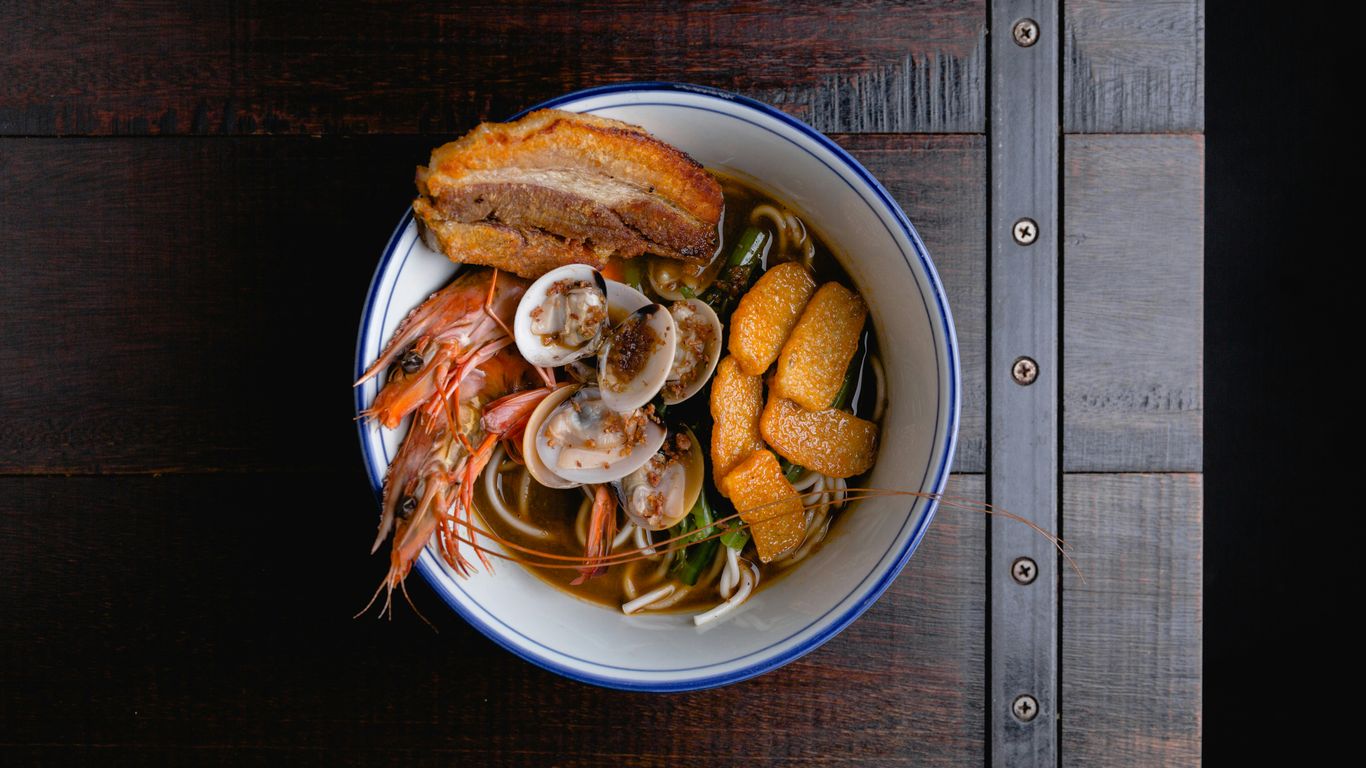
Laksa isn’t just a meal; it’s a big part of Singapore’s hawker culture. You’ll find it everywhere, from bustling hawker centres to little neighbourhood coffee shops. It’s the kind of food that brings people together, a real taste of local life. This dish represents the heart of Singapore’s food scene, a place where tradition meets everyday life. It’s a testament to how simple ingredients can be transformed into something truly special, something that locals are proud of.
A Dish Connecting Generations
Laksa has this amazing ability to connect different generations. Grandparents might have grown up eating it, and they pass down their love for it to their kids and grandkids. It’s more than just food; it’s about shared memories and family traditions. Think about it – a bowl of laksa can bring back memories of childhood, family gatherings, or even just a simple, comforting meal on a rainy day. It’s a culinary thread that ties the past to the present.
Laksa’s Role In Singaporean Identity
When you talk about Singaporean food, laksa is right up there with the best. It really shows off the country’s multicultural background, blending influences from Chinese, Malay, and other local communities. It’s a dish that tells a story of Singapore itself – a place built on diversity and fusion. This unique mix of flavours is what makes Singaporean laksa so distinctive and a proud symbol of the nation’s identity. It’s a flavour that’s uniquely Singaporean, a culinary masterpiece that embodies the nation’s diverse identity a culinary masterpiece that embodies Singapore’s multicultural heritage.
The journey of laksa from its humble beginnings to its current status is a reflection of Singapore’s own development as a nation. It’s a dish that has evolved alongside the country, adapting and thriving while holding onto its core identity. This adaptability is key to its enduring popularity.
Key Ingredients And Preparation Methods
The Creamy Coconut Milk Base
The heart and soul of most Singaporean laksa, particularly the Katong style, is its rich and creamy broth. This isn’t just any coconut milk; it’s usually a carefully balanced blend, often simmered for hours to develop a deep flavour. The quality of the coconut milk really makes a difference here, giving the soup its signature velvety texture and slightly sweet undertone that complements the spice.
The Role Of Dried Shrimp And Sambal
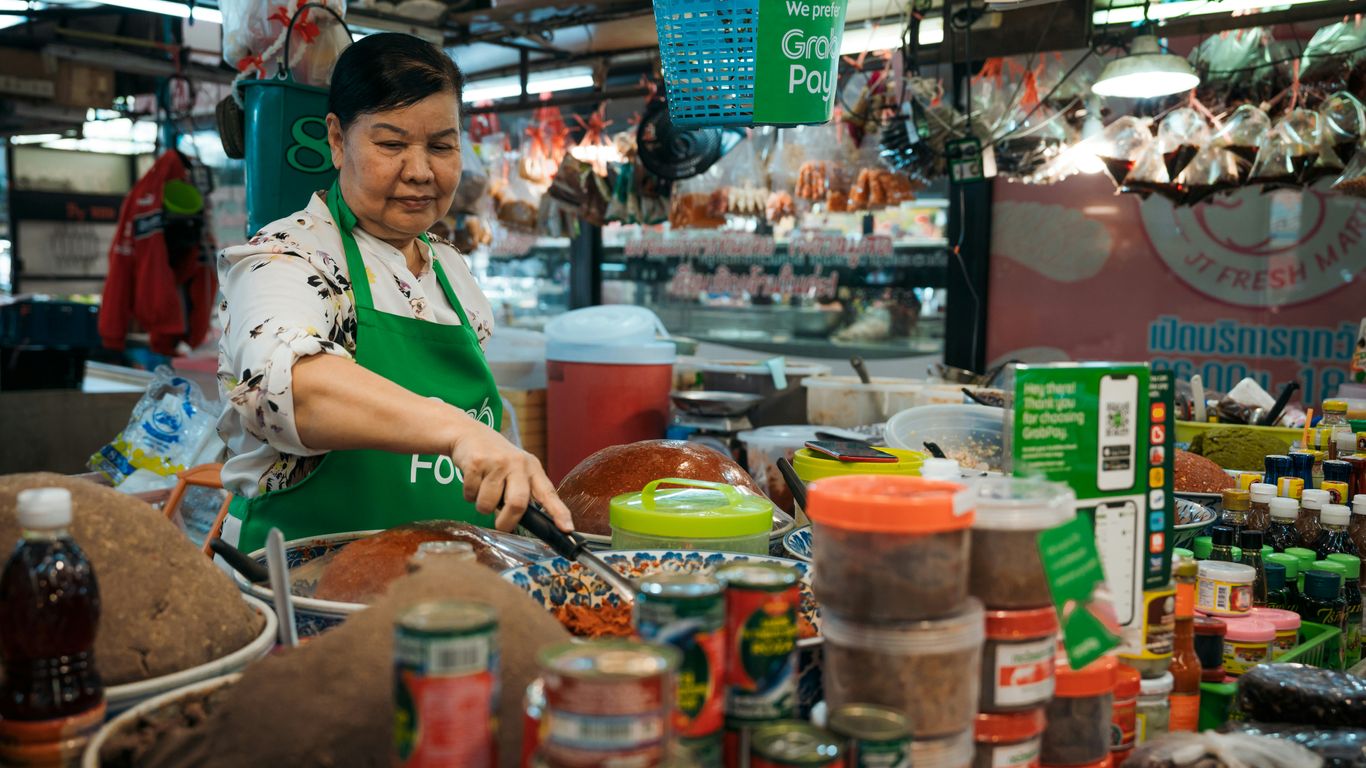
Beyond the coconut milk, two other elements are absolutely vital for that authentic laksa kick: dried shrimp and sambal. The dried shrimp, often ground into a paste, adds a distinct umami depth and a subtle seafood sweetness that’s hard to replicate. Then there’s the sambal, a chilli paste that brings the heat and a complex blend of spices. The specific type of chilli and other aromatics used in the sambal can vary wildly from stall to stall, contributing to each laksa’s unique personality. Getting the balance between the creamy broth, the savoury shrimp, and the spicy sambal just right is what separates a good laksa from a truly memorable one.
Seafood And Other Toppings
What goes into the bowl with the noodles and broth is just as important. Prawns are a classic, usually plump and fresh. Cockles add another layer of briny flavour, though some places might opt for mussels or omit them altogether. Slices of fishcake are almost always present, providing a chewy texture. Fresh laksa leaves (Vietnamese mint) are often scattered on top, offering a burst of herbaceous freshness that cuts through the richness. Some variations might include other ingredients like bean sprouts or even quail eggs.
The Charcoal Cooking Method At Sungei Road
One of the most distinctive preparation methods you’ll find is at places like Sungei Road Laksa. Here, the broth is traditionally simmered over charcoal fires. This isn’t just for show; the slow, even heat from the charcoal imparts a subtle smoky flavour to the broth that you just don’t get with modern gas stoves. It’s a technique that harks back to older ways of cooking and adds a unique character to their laksa, making it a real taste of tradition. It’s a bit of a throwback, really, and you can taste the difference.
The preparation of laksa is a testament to the fusion of cultures, blending Chinese noodle traditions with Malay spices and coconut milk. Each ingredient plays a specific role, from the foundational richness of the coconut broth to the sharp kick of the sambal and the fresh finish of herbs. This intricate layering of flavours and textures is what makes laksa such a beloved dish.
Here’s a quick look at some common components:
- Broth Base: Coconut milk, water, dried shrimp paste, spices.
- Key Aromatics: Shallots, garlic, galangal, turmeric, lemongrass.
- Spice Element: Sambal chilli paste.
- Protein: Prawns, cockles, fishcake.
- Garnish: Laksa leaves, sometimes fried shallots or chilli padi.
Many hawker stalls offer convenient laksa paste mixes for those wanting to recreate these flavours at home, though the charcoal method remains a special touch.
Discover the secrets behind our amazing dishes in the ‘Key Ingredients And Preparation Methods‘ section. We break down exactly what makes our food so special, from the fresh produce we use to the simple yet effective ways we cook it. Want to try these flavours yourself? Visit our website to explore our full menu and book your table today!
A Taste of Singapore’s Soul
So, from the fancy streets of Katong to the bustling stalls of Sungei Road, laksa really tells a story about Singapore. It’s more than just noodles and soup, you know? It’s about how different cultures came together to create something truly special. Whether you prefer the creamy richness of Katong laksa or the old-school charm of charcoal-cooked versions, each bowl is a little piece of history. It’s a dish that keeps people coming back, a true taste of what makes Singapore so unique. Definitely worth trying a few different kinds if you get the chance.
Frequently Asked Questions
What exactly is laksa?
Laksa is a super tasty noodle soup that’s really popular in Singapore and other parts of Southeast Asia. It’s got a flavourful broth, usually made with coconut milk and spices, and served with noodles and yummy toppings like prawns and fish cake.
Where did laksa come from?
Laksa started in the olden days in the Straits Settlements, which is where Singapore and some other places in the region are. It’s a mix of Chinese and Malay cooking styles, showing how different cultures came together.
What’s the difference between Katong Laksa and other types?
Katong Laksa is a famous Singaporean version. It uses thick rice noodles that are cut short so you can eat them with a spoon. The soup is rich and creamy, made with coconut milk, dried shrimp, and chilli paste.
Does Singapore laksa have pork in it?
Generally, Singapore’s laksa, especially the Katong style, doesn’t have pork. It usually features seafood like prawns and cockles, or sometimes fish cake.
What makes Sungei Road Laksa special?
Sungei Road Laksa is known for its traditional cooking method. They still use charcoal to cook the broth, which gives it a unique, old-school flavour that many people love. It’s a real taste of history!
Why is laksa so important in Singapore?
Laksa is more than just food in Singapore; it’s a big part of our hawker culture! It connects people to their families and traditions, and it’s a comforting dish that represents Singapore’s multicultural identity.