
Key Takeaways
Exploring this historic enclave offers a deep dive into Malay heritage and global Halal traditions. The district seamlessly blends centuries-old architecture with a contemporary, creative food scene.
- Visit the Sultan Mosque to understand the cultural roots of the area.
- Sample authentic Nasi Padang and Rendang at locally-cherished family stalls.
- Experience vibrant cafe culture tucked inside restored shophouses on Haji Lane.
- Enjoy Middle Eastern sweets and tea pairings on Baghdad Street.
- Plan your visit to respect religious customs while enjoying the local hospitality.
Understanding the heritage of Kampong Glam
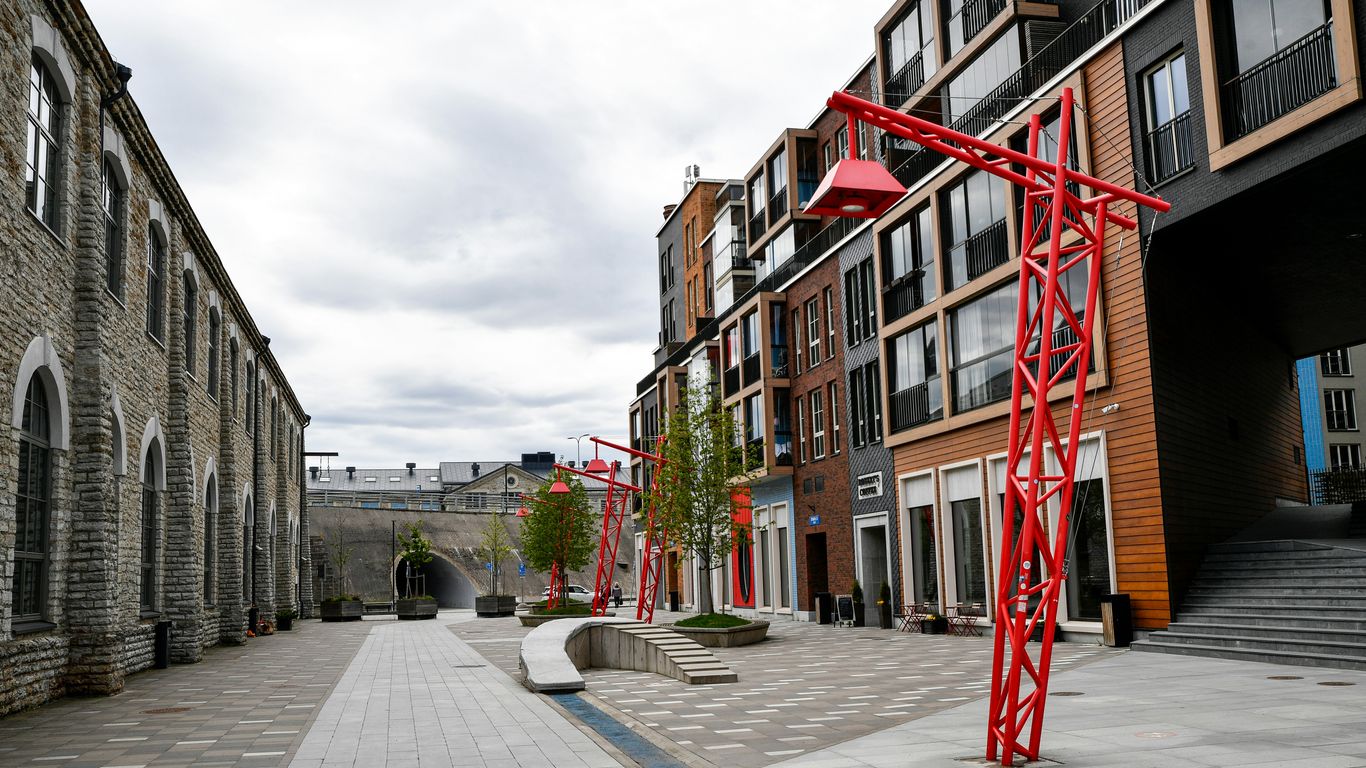
The history of the Malay royalty and the Sultan Mosque
Long before it became a trendy spot for weekend brunch, this district served as the epicenter for Singapore’s Malay aristocracy. The Sultan Mosque remains the most visible icon of this legacy, having been a center for the community since its initial construction. Its grand golden domes and expansive prayer halls tell a story of regional leadership and religious devotion that has defined the precinct for generations.
Architectural influences across Arab Street and Bussorah Street
Walking through the narrow lanes, you notice how the shophouses reflect a blend of colonial and traditional Malay styles. The area feels almost like an open-air museum where colorful textiles and patterned rugs spill out onto the pavement. While browsing the shops, you can appreciate the intricate facade work that distinguishes this neighborhood from the glass-and-steel developments found elsewhere in Kampong Glam.
How the cultural history shapes the district’s modern food scene
History in this neighborhood is not just found in buildings; it is served on ceramic plates. The Taste of Singapore team believes that true cultural immersion requires understanding the migration patterns that brought flavors from Indonesia, Arabia, and beyond to these specific streets. By visiting the Malay Heritage Centre, you gain context for why the local palate favored rich spices and hearty, communal dining, which remains the backbone of the area today.
Traditional Malay and Indonesian dining
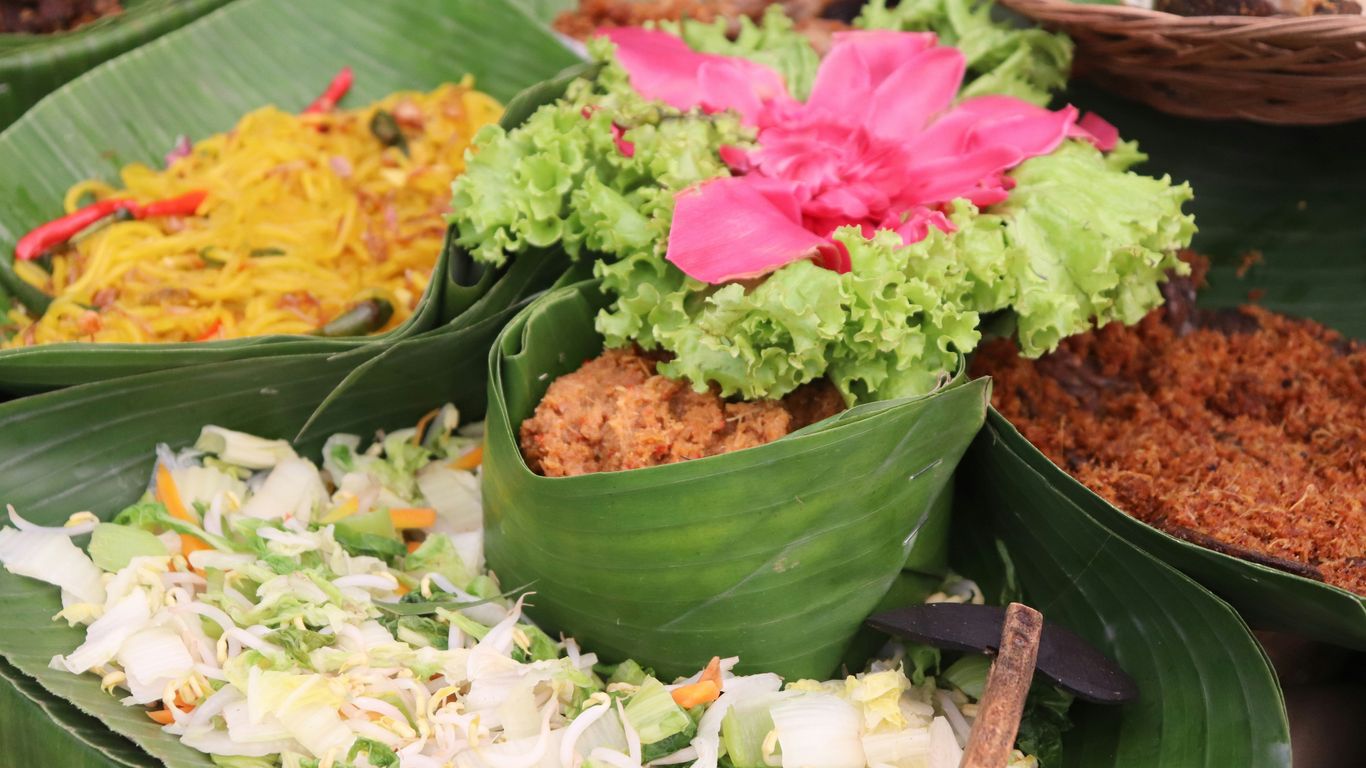
Iconic dishes like Nasi Padang and Beef Rendang
Malay and Indonesian cooking are prized for their depth, relying on a slow-cooked alchemy of spices. You will find that dishes like Beef Rendang, with its tender, caramelized meat, often steal the show at local tables. Whether you look for authentic Malay dishes or simpler daily comforts, the focus remains on quality ingredients.
Family-run establishments preserving heritage recipes
There is something inherently special about walking into a restaurant run by the same family for over three decades. These establishments act as guardians of tradition, refusing to compromise on the integrity of their rempah (spice paste) blends. Many of these kitchens are highlighted in our guided food tours because they offer a authentic, rare glimpse into recipes passed down through generations.
Tips for navigating buffet-style Nasi Padang restaurants
The Nasi Padang experience is a unique culinary art form that rewards those who know the rhythm of the counter. To help you plan your plate, consider the following popular style indicators:
| Dish Name | Flavor Profile | Suggested Pairing |
|---|---|---|
| Beef Rendang | Intense & Spiced | Steamed white rice |
| Sambal Goreng | Sweet & Spicy | Tempeh and long beans |
| Sayur Lodeh | Creamy & Mild | Fragrant yellow rice |
Selecting your items can feel overwhelming at first, but don’t be afraid to take your time looking at the spread. Often, the most rewarding choices are found by asking the staff for their daily specials.
Halal food options and Middle Eastern delights
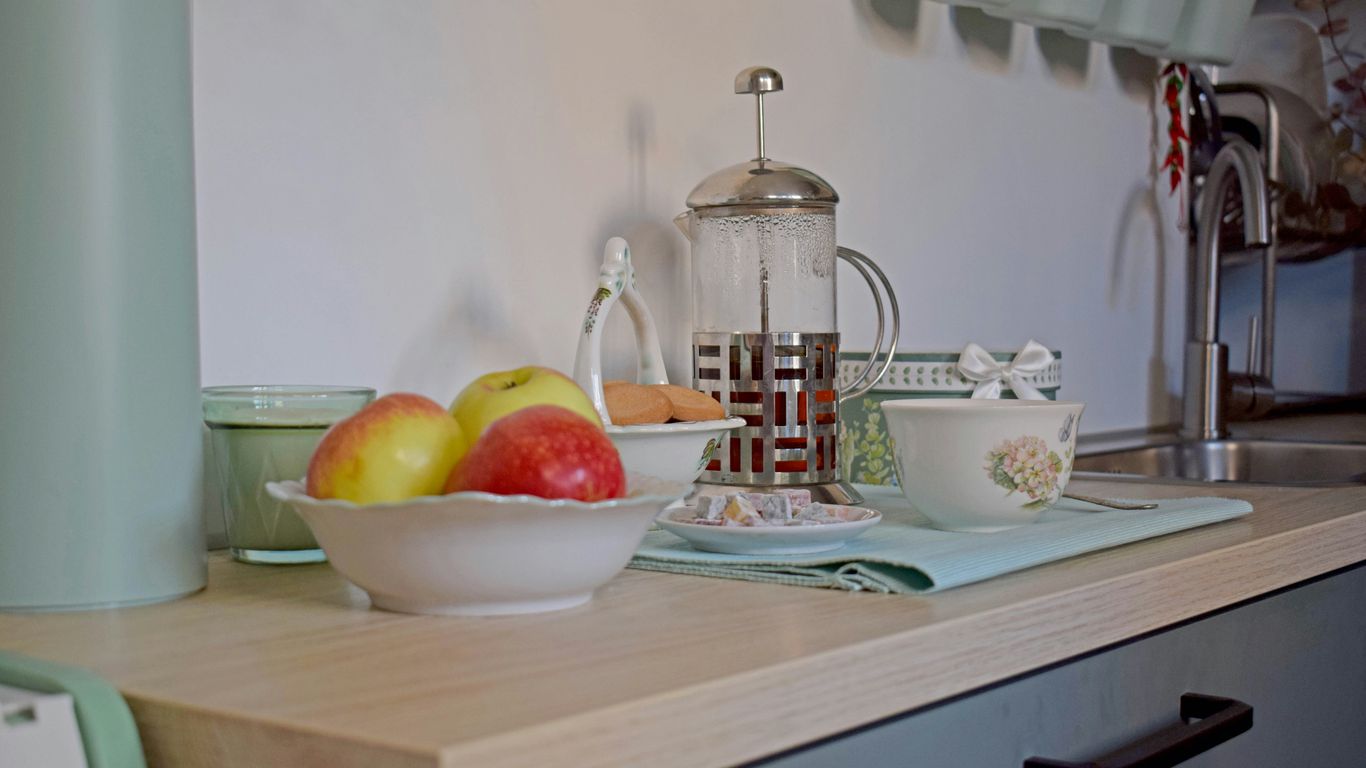
Authentic Turkish and Lebanese restaurants on Baghdad Street
Baghdad Street feels like a complete change of pace, characterized by the warm glow of mosaic lamps and the scent of grilled meats. You will find classic dishes that pay homage to the Middle East, ranging from smoky kebabs to tangy hummus. These restaurants invite diners to slow down and appreciate a relaxed pace that reflects the hospitality traditions of the region.
Exploring varied halal-certified international cuisines
Beyond traditional heritage, the district has become a destination for diverse international Halal-certified options. You can easily find everything from high-end Mediterranean fusion to casual eateries serving global comforts that meet Islamic dietary standards. This variety ensures that everyone in your group finds something satisfying without having to compromise on their preferences.
Must-try sweets: Baklava and Turkish tea pairings
No meal here is complete without a bit of indulgence. Ordering a platter of pistachio-studded baklava, paired with a small glass of strong Turkish tea, is the quintessential way to finish your time in this section. The contrast between the sugar-drenched pastry and the bitter, hot tea creates a simple, perfect balance that brings a satisfying conclusion to your stroll.
Cafes and artisan coffee culture in Haji Lane
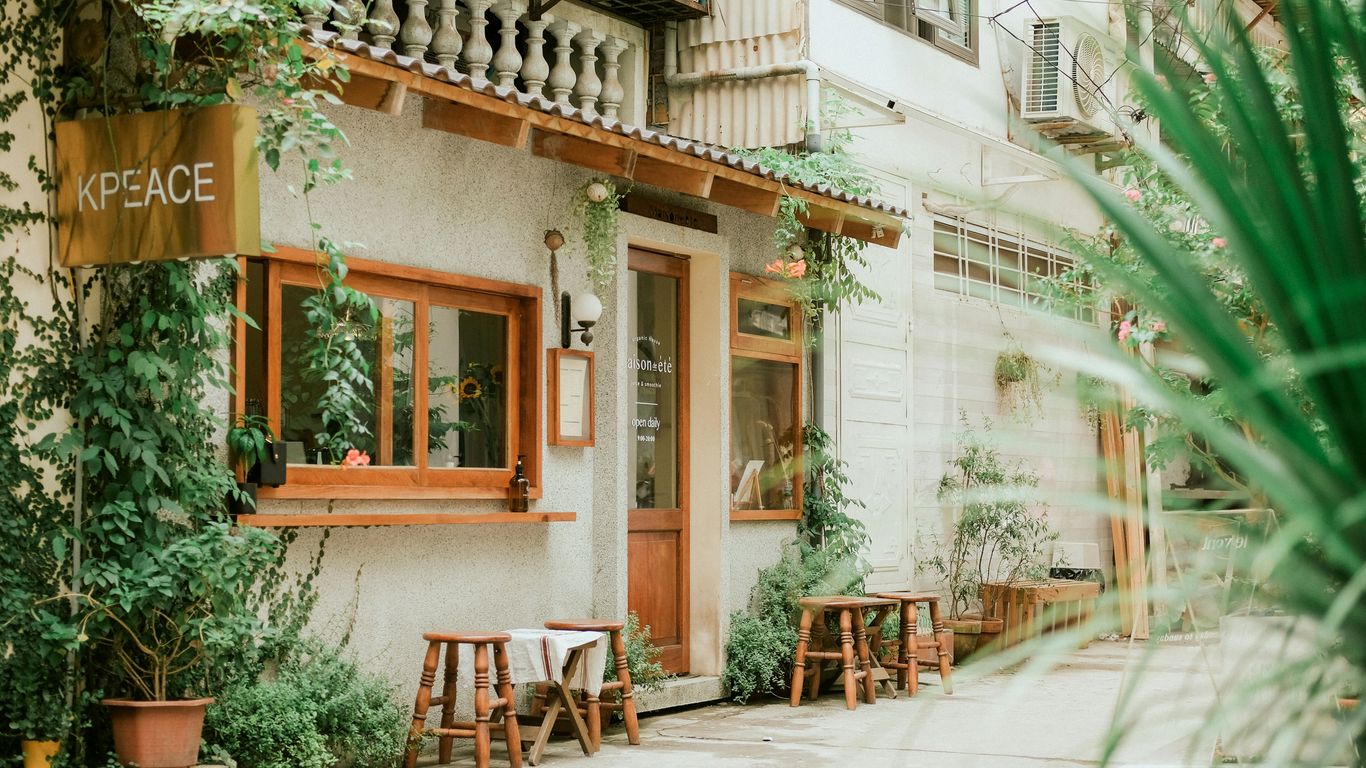
The evolution of boutique cafes within historic shophouses
What was once a collection of humble warehouses has transformed into Haji Lane, an area exploding with indie character. Boutique cafes have moved into restored shophouses, maintaining the heritage bones while installing modern espresso bars. This contrast of antique architecture and sleek contemporary design creates a photogenic vibe that keeps visitors coming back.
Speciality coffee roasters and dessert specialists
Modern coffee culture here is quite serious, with local shops focusing on refined roasting techniques. Beyond just caffeine, many of these spots serve as artisanal hubs for bakers who specialize in decadent, multi-layered desserts. It is common to see patrons spending hours in these nooks, savoring small bites that feel much more crafted than standard cafe fare.
Balancing photogenic atmosphere with quality fare
While the area is undeniably popular on social media, the best spots focus on substances over style. Our Taste of Singapore hosts often point out the cafes that bridge this gap, ensuring the coffee is as good as the decor is pretty. It is worth doing a quick check before you sit down to ensure the kitchen prioritizes flavor just as much as the interior aesthetics.
Street food and quick bites for exploration
Local snacks and seasonal market-style offerings
For those who prefer a casual walk with food in hand, there are plenty of options that reflect the snacking culture of the neighborhood. You will find traditional favorites:
- Savory curry puffs
- Freshly fried pisang goreng
- Traditional grilled satay sticks
- Sweet or savory martabak
These quick bites allow you to graze while wandering through the side streets and enjoying the street art scene without being tethered to a formal seating area.
Grab-and-go options for self-guided walking tours
When exploring the district on your own, having a portable meal is essential for keeping your energy up. Many of the small takeaway windows specialize in items that are designed for movement. They provide a quick, efficient way to refuel, allowing you to maximize your time viewing the murals or popping into the independent boutiques that line the secondary roads.
Balancing traditional street eats with modern fusion snacks
It is fascinating to see how street food is being reimagined by younger generations. By mixing local spices with global formats, such as savory crepes or fusion-filled pastries, the vendors are keeping the street scene fresh and relevant. These bite-sized innovations prove that you can respect the old ways while still embracing the thrill of new flavor combinations.
Planning your culinary tour of Kampong Glam
Navigating peak dining hours and weekend crowds
This neighborhood can get incredibly busy, especially on Friday nights and throughout the weekend. If you are aiming for a relaxed atmosphere, consider visiting on a weekday afternoon to beat the rush and secure a seat at your preferred cafe. Being mindful of the timing allows you to explore the area with more space and better access to the popular vendors.
Cultural considerations and dining etiquette in a religious district
As this is a district with historical ties to the Muslim community, please be mindful of modest dress and respectful behavior when entering sacred spaces. Etiquette in many of the small, family-owned restaurants is generally informal but polite, and you will notice that the local culture emphasizes communal sharing and gratitude.
Combining food trails with shopping and heritage sightseeing
To make the most of your visit, map out a plan that mixes your hunger with your need to explore the arts and shops. Starting early at a traditional cafe and ending with a shopping break in the boutique lanes provides a balanced day. With award-winning hosts available to lead you through these stories, you gain a perspective on the area that simple maps cannot provide.
Conclusion
Exploring this district provides an unforgettable look at the rich culture of Singapore, where ancient traditions live comfortably alongside modern, bustling streets. Whether you are seeking a quiet moment of reflection near the mosque or are eager to find the newest flavor trend, this neighborhood invites you in with open arms and smells that truly tell a story.
Frequently Asked Questions
Do I need to make a reservation for most restaurants here?
While many street-style eateries and casual cafes operate on a walk-in basis, some of the more popular fine-dining establishments in the area do recommend reservations, especially during peak dinner hours and weekends.
Is the area friendly for vegetarians and vegans?
Yes, because the district has a high concentration of Middle Eastern and Indian influence, there are many vegetable-forward or legume-based dishes available that are naturally plant-based.
What is appropriate attire when visiting the district?
While the area is quite casual, it is respectful to dress modestly, especially if you intend to visit the Sultan Mosque, where modest dress (covering knees and shoulders) is required for all visitors.
How accessible is this area by public transport?
It is very convenient to reach the area using public transport, as it is just a short walk from major downtown MRT stations, primarily Bugis, which is well-connected to the rest of the city.
Can I find guided tours that focus specifically on the food heritage?
Yes, there are several cultural and culinary walking tours available that take you through the hidden alleyways and introduce you to the long-standing family vendors who might otherwise be missed.
Are the street markets open in the evening?
Many vendors stay open late into the evening, making the district a vibrant place to visit after sundown, particularly when the ambient lighting makes the shophouses look especially festive.
Is it customary to tip at local dining spots?
In Singapore, tipping is not expected, and you will find that a friendly smile and a simple word of thanks are the best ways to show your appreciation for the local hospitality.