
Key Takeaways
Visiting this iconic market offers a deep dive into the heritage and flavors of the Malay community, serving as a vital cultural touchstone in Singapore.
- Explore the rich history of the Geylang Serai precinct and its cultural importance.
- Sample authentic Malay dishes including nasi padang and traditional satay.
- Discover common local snacks and desserts like pisang goreng and colorful kueh.
- Learn essential tips for navigating the wet market to find quality fresh produce.
- Plan your visit efficiently with expert advice on timing and public transport.
History and cultural significance of Geylang Serai Market
The market serves as an essential landmark for the Malay community in Singapore, preserving traditional practices within a modern urban context. It functions as a living chronicle, tracing the migration and settlement patterns that formed the contemporary district. Visitors exploring with Taste of Singapore can appreciate how these roots inform the current atmosphere of this must-visit cultural cornerstone.

Historical background of the precinct
The area was once known for its sprawling lemongrass plantations before evolving into a bustling social center. Early settlers created a cohesive environment that fostered community resilience and identity, which remains evident today in the district’s layout and spirit.
Cultural importance to the Malay community
This space serves as the primary gathering place for the Geylang Serai Market catchment area, acting as a site for festive celebrations and daily heritage. It reinforces the community bond by providing a centralized location for authentic language, crafts, and culinary traditions to thrive.
Architectural evolution of the site
The site has seen several transformations, transitioning from informal kampong stalls to a structured, multi-level facility designed for modern hygiene and convenience. Despite these structural shifts, the core character of the bazaar, often compared to the vibrancy found at Tekka Centre, remains remarkably preserved.
Role as a social and culinary hub
Beyond being a place for commerce, it is a social anchor where generational knowledge is passed down through shared meals and market transactions. It functions as the heartbeat of the surrounding neighborhood, where elderly residents and young food enthusiasts intersect regularly.
Essential Malay dishes at the food centre
The food centre on the second level presents an unparalleled selection of Halal-certified options, attracting locals from across the city. Each stall offers a unique interpretation of classic recipes that have been refined over countless years, making it a dream for those seeking a true taste of Singaporean tradition.
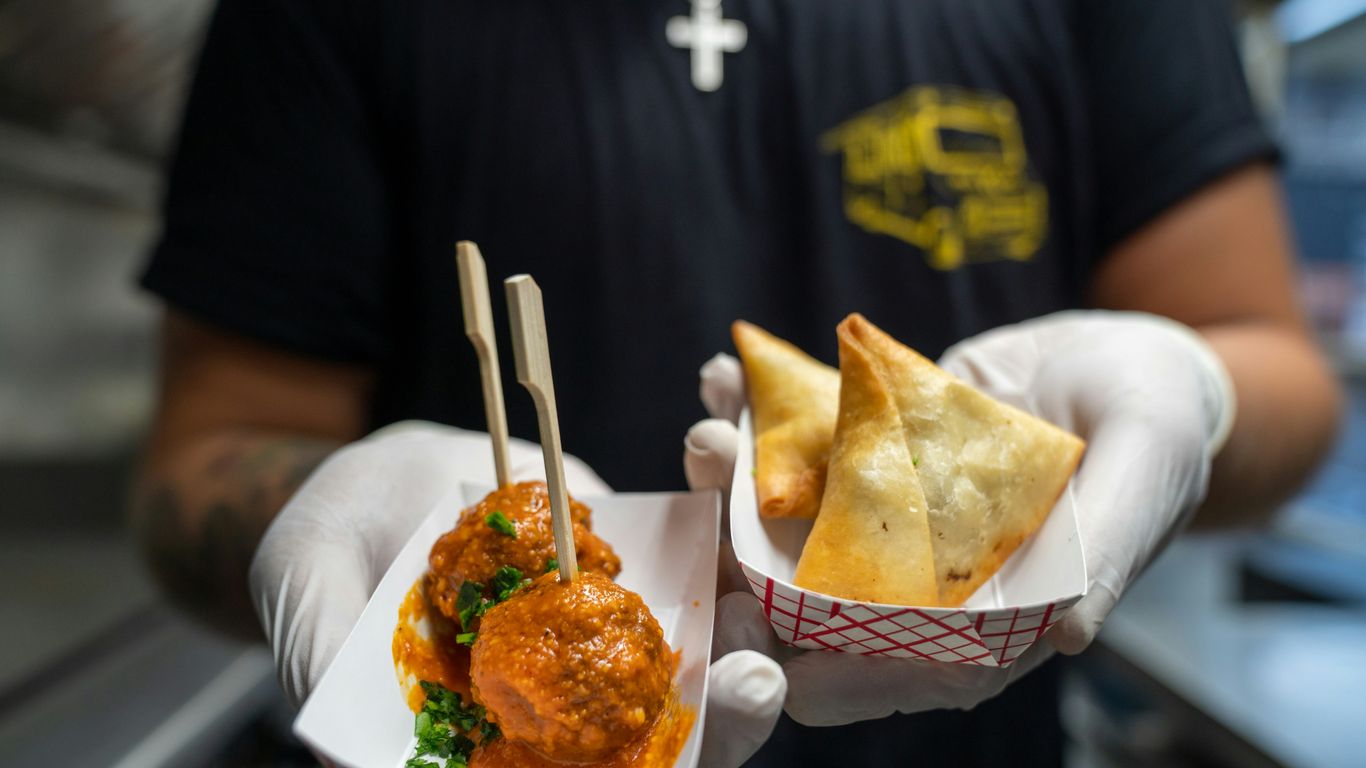
Classic nasi padang experiences
Nasi padang stalls are the stars of the food centre, offering an array of slow-cooked curries and savory side dishes. The depth of flavor in these preparations is achieved through liberal use of coconut milk, turmeric, and local spices that define the regional cuisine.
Varieties of mee rebus and mee soto
These noodle staples are comfort food at its finest, served with rich, flavorful broths that are rarely found elsewhere. Mee rebus, with its thick, sweet potato-based gravy, contrasts perfectly with the clear, aromatic chicken broth of mee soto.
Traditional satay and grilled meat stalls
Grilled meats are a staple here, with smoky aromas filling the air during the busy lunch and dinner periods. You will find several essential items on the menu that characterize the grilling craft:
- Chicken satay skewers marinated in lemongrass and turmeric.
- Beef rendang that is tender and slow-cooked in rich spices.
- Grilled ikan terubok (shad) featuring crisp, golden-brown skin.
- Spicy sambal dip served alongside every portion of grilled meat.
These dishes reflect the high standards of local hawker culture, which offers a dining quality comparable to the best eateries in the city, providing a satisfying experience for meat lovers and heritage seekers alike.
How to navigate ordering for beginners
Ordering can seem daunting for first-timers, but the process is quite straightforward if you observe the flow of the queue and communicate clearly with the vendor. Refer to the table below to understand common service interactions:
| Service Action | Description | Frequency |
|---|---|---|
| Ordering Base | Choose your starch like rice or noodles | Every time |
| Selecting Sides | Point to individual vegetable or meat dishes | Common |
| Confirming Heat | Specify if you want sambal on the side | Optional |
| Paying Cash | Have small denominations ready for speed | Recommended |
Mastering these simple steps will ensure you receive exactly what you desire while keeping the queue moving efficiently for everyone behind you.
Traditional Malay snacks and desserts
After a main meal, the market offers a colorful array of sweets that highlight the complexity of tropical ingredients. These treats are deeply embedded within local festivities and daily life, appearing in various forms from breakfast bites to late-afternoon tea snacks.
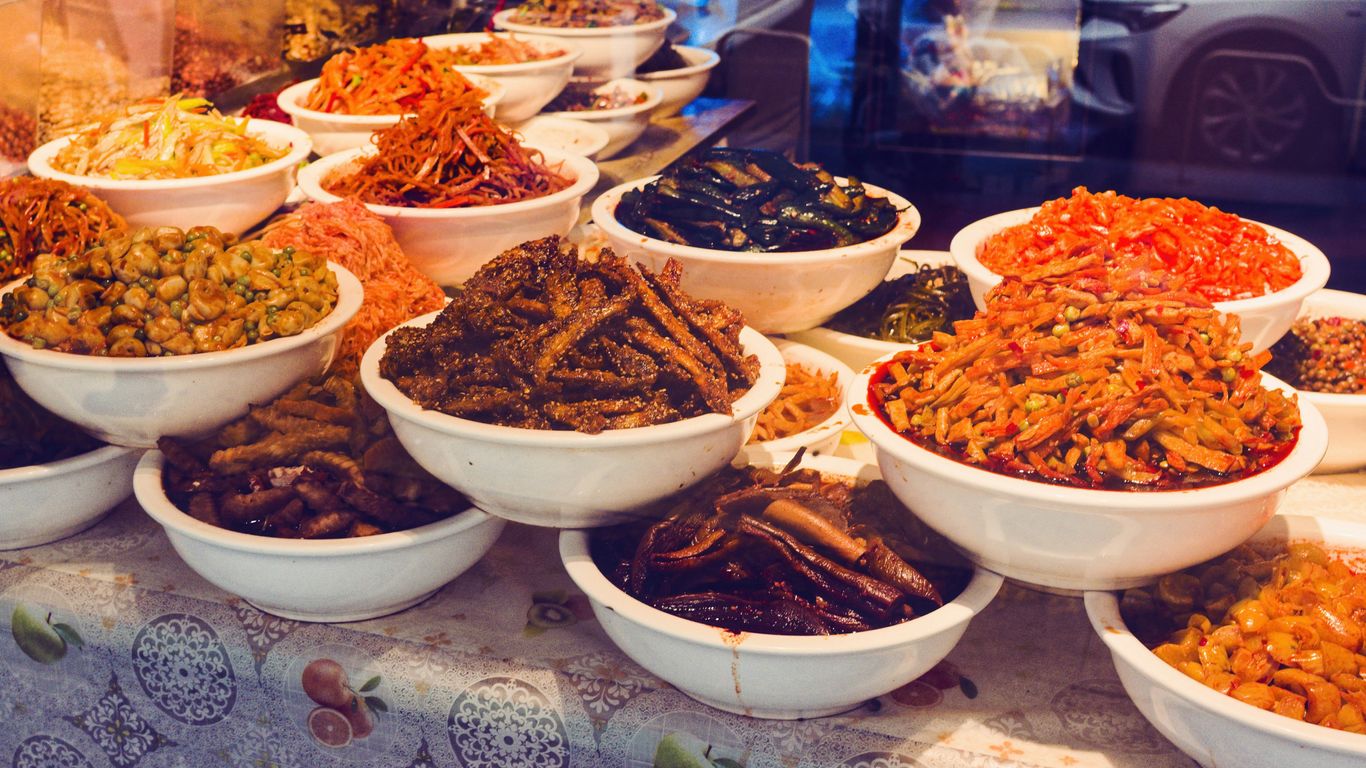
Selection of local kueh-kueh
The variety of steamed glutinous rice cakes, or kueh, is staggering, with shades ranging from vibrant green pandan to deep blue butterfly pea flower. These items balance sweetness with delicate coconut notes, making them perfect for on-the-go snacking.
Popular deep-fried treats like pisang goreng
Crispy, golden banana fritters, or pisang goreng, are a local obsession, typically sold piping hot from large pans. The batter is just thick enough to provide a crunch, highlighting the natural sweetness of the ripe plantains inside.
Must-try refreshing drinks and beverages
To balance the spicy flavors of the main dishes, cooling drinks like bandung, a rose-syrup infused milk beverage, are essential. You can also find high-quality traditional coffee, often prepared with a local twist that pairs beautifully with sweet snacks.
Seasonal snacks during the Ramadan period
During the holy month of Ramadan, the market transforms into a vibrant night bazaar, featuring an even larger selection of exclusive delicacies. These seasonal offerings provide a unique entry point into the festive spirit of the Malay community.
Navigating the wet market for fresh produce
Downstairs, the wet market offers a chaotic but rewarding environment where ingredients are sourced at the peak of freshness. Engaging with vendors here is a masterclass in local commerce, where knowledge and quality take precedence over packaging.
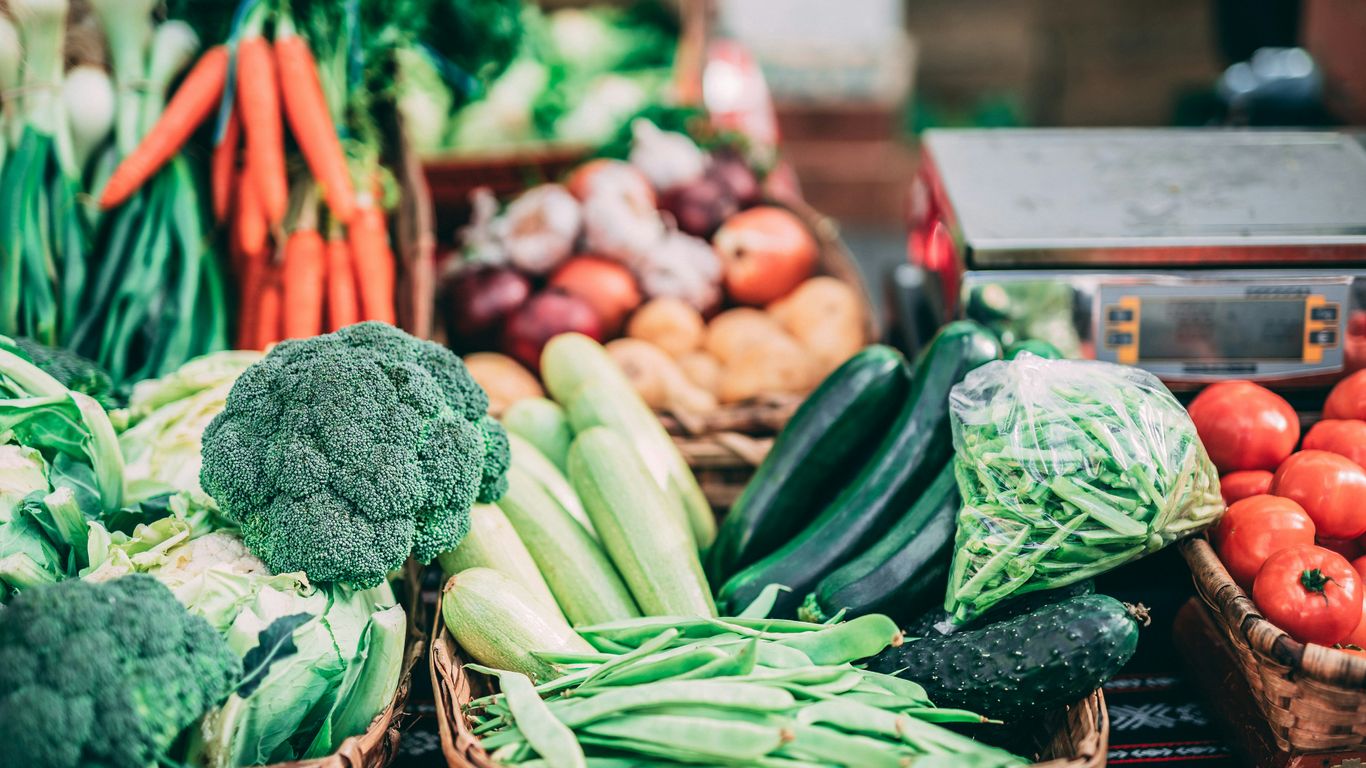
Sourcing high-quality seafood and poultry
The selection of fresh fish, shellfish, and halal-certified poultry is vast, with many vendors specializing in specific catches. The seafood price point is often competitive, and the staff are happy to assist with cleaning or scaling requests while you wait.
Finding authentic herbs and cooking spices
This is the premier location for sourcing exotic spices, ranging from common cumin to unique items like Tongkat Ali root. Vendors here display their inventory in bulk, allowing you to smell and inspect the freshness of each item before purchasing.
Tips for selecting the best fresh produce
Always examine the bright colors and firm textures of greens to ensure you are getting the best value. As the market is busiest in the early morning, arriving early is a solid strategy to secure the finest vegetables before the afternoon heat sets in.
Understanding market etiquette and bargaining
While fixed prices are increasingly common, there remains a respectful culture of negotiation for certain wholesale purchases. Always maintain a friendly demeanor, and you will find the stallholders to be exceptionally helpful, often sharing advice on how to use their fresh ingredients.
Practical planning for your visit
Careful planning ensures you avoid the frustration of large crowds and maximize your enjoyment of the market’s offerings. Because the venue is exceptionally popular, knowing the best approach to arrival and payment is helpful for managing your time well.
Getting to Geylang Serai by public transport
Accessible via major train lines and bus networks, the market is well-connected to all parts of the island. Being located centrally makes it a convenient stop whether you are staying downtown or further out, simply plan your route to drop off at the nearby MRT station.
Best times of day to avoid heavy crowds
If you prefer a quieter shopping experience, aim for mid-morning on a weekday when the initial morning rush of residents has subsided. Weekend afternoons typically see the highest attendance due to locals gathering for family meals and outings.
Payment methods and cash availability
While many stalls have embraced digital payment systems, keeping cash on hand is still a smart practice for smaller vendors. Smaller denominations are especially helpful to facilitate quick and accurate transactions during peak service periods.
Accessibility and facilities for visitors
The facility is equipped with standard amenities, including public restrooms and accessible seating areas for diners. It is designed to be inclusive, ensuring that everyone can navigate the aisles comfortably while enjoying the vibrant environment.
Conclusion
Experience the essence of Malay culture at this bustling hub, where long-standing traditions meet the lively daily rhythms of Singaporean life. Whether you are sampling iconic dishes, browsing for unique spices, or simply observing the community spirit, your trip here promises an authentic look at the heart of the city.
Frequently Asked Questions
Are there vegetarian options available at the food centre?
Yes, although the food centre is famous for meat dishes, you can find various plant-based sides, vegetable curries, and snacks like vegetable fritters throughout the market.
Is the market Halal-certified?
Most, if not all, of the food stalls in the centre are Halal-certified, reflecting the market’s specific role in serving the Malay and Muslim community.
When is the best time to visit for the freshest produce?
Arriving early in the morning, ideally before 9:00 AM, provides the best access to the freshest stocks of seafood, poultry, and greens available from the daily deliveries.
Should I bring cash or can I use digital payments?
It is recommended to bring cash in small denominations as it remains the most universally accepted form of payment across all vendors, including those at the wet market level.
Is it easy to find parking at the market?
The facility includes customer parking, but it can fill up rapidly during weekends and peak festive times, so public transport is often the more efficient choice.
How long should I spend exploring the market?
Most visitors find that two to three hours is sufficient time to explore both levels, enjoy a meal at the food centre, and purchase some ingredients from the wet market.
Does the market provide seating for visitors?
Yes, the second level contains a large communal seating area, though you may need to wait momentarily to find an available table during the busy lunch hour.