
Key Takeaways
Visiting this historic site offers a profound look into early migrant life, spiritual traditions, and masterful architecture in the heart of Singapore. Here are the central points for your visit:
- The site began as a humble sailors’ shrine in the early 1820s.
- It remains a premier example of traditional Fujian-style construction.
- Visitors can explore rich spiritual heritage and artistic murals.
- Careful planning helps ensure a tranquil and respectful experience.
- Engaging with local guides adds depth to your heritage exploration.
Historical significance of Thian Hock Keng
Thian Hock Keng represents a cornerstone of the Hokkien community’s legacy in early Singapore, serving as more than just a place of worship. It stands as a physical testament to the survival and success of navigators arriving at these shores.
Origins as a shoreline shrine
Before the landscape of Telok Ayer was transformed by land reclamation, the temple sat directly on the coastline. Early Hokkien seafarers erected a small joss house in the early 1820s to offer prayers of gratitude to Mazu, the sea goddess, for protecting them during dangerous voyages across the South China Sea.
Evolution into a grand architectural landmark
The move towards a permanent, grand structure began in 1839. Funds raised by successful merchant-traders enabled the construction of this national monument, which was completed in 1842 using premium materials brought directly from China.
Role in the lives of early Chinese immigrants
The temple acted as a vital social and spiritual anchor for the newly arrived immigrant population. It provided stability, community records, and a space where shared cultural identity could flourish amidst the uncertainties of a new, bustling colony.
Preservation efforts by Singaporean authorities
Maintaining such an intricate masterpiece requires constant vigilance. Efforts by local agencies have ensured that the structure retains its original charm, balancing the needs of modern tourism with the sanctity of a functioning religious site and historical living monument.
Architectural features and design elements
This site serves as a prime case study of traditional Hokkien craftsmanship, characterized by its reliance on interlocking joinery that avoids the need for metal nails. The layout reflects a deep understanding of cosmology and aesthetics, designed to create a sense of harmony between the physical temple and the celestial realm.
Traditional Fujian-style construction techniques
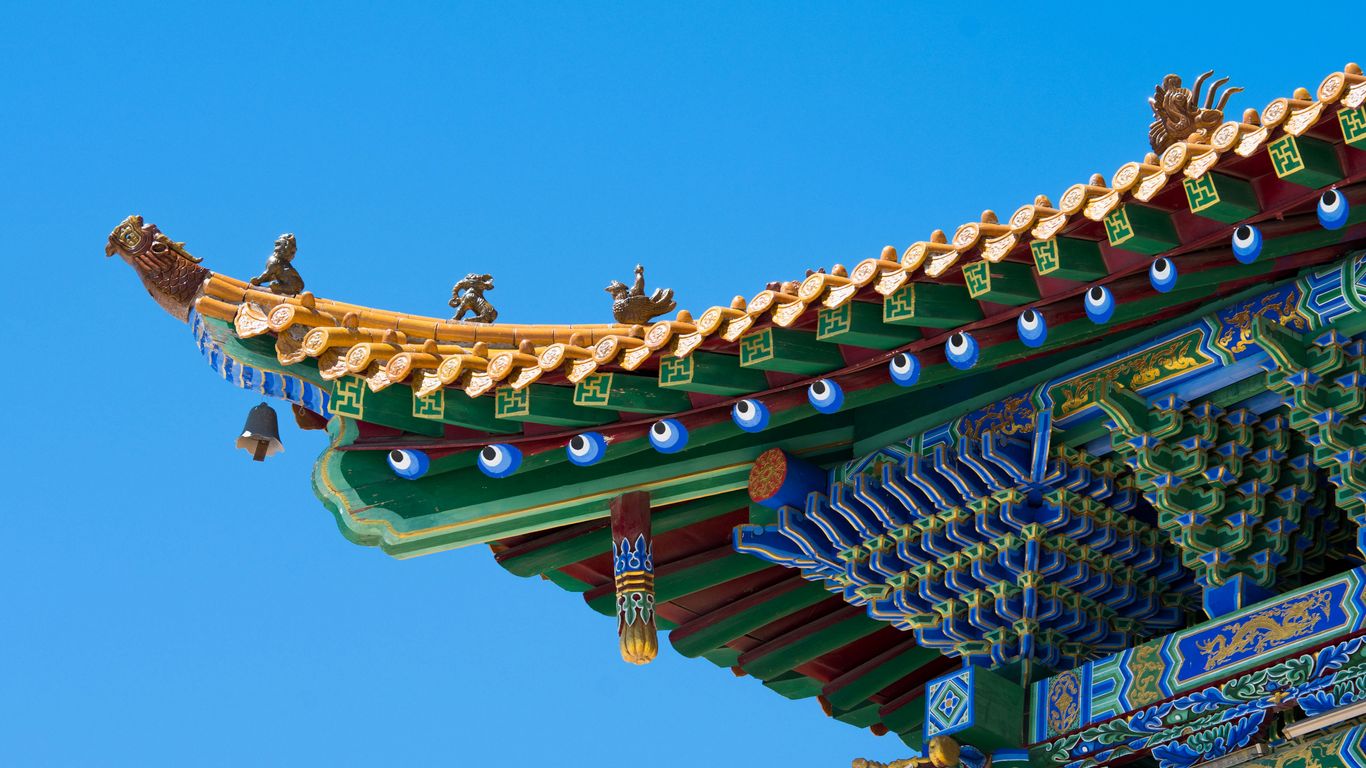
Builders utilized authentic techniques to assemble this structure, focusing on longevity and structural integrity. Every beam and column was crafted to support the heavy tiled roofs without modern hardware, showcasing a sophisticated level of traditional engineering.
Significance of the intricate stone carvings
The temple is adorned with exquisite stone reliefs that narrate various myths and historical parables. These carvings were executed by master craftsmen brought from China, ensuring that the visual stories matched the high quality of the temple’s structural timber-work.
Use of porcelain-covered roof dragons
One of the most distinguishing features is the presence of vibrant, broken porcelain fragments arranged into dragons and phoenixes on the roof ridges. This specific architectural masterpiece reflects a classic Fujian decorative style that provides brilliant color and long-lasting protection against tropical weather.
Layout of the inner and outer courtyards
The space is carefully segmented into courtyards that regulate airflow and create a progression of intimacy. Visitors can gauge the complexity of the design by reviewing the primary architectural zones listed below.
| Section Name | Functional Purpose | Architectural Note |
|---|---|---|
| Front Courtyard | Public ritual entry | Features stone lions |
| Main Hall | Mazu worship | Central focus area |
| Rear Hall | Guanyin shrine | Quiet reflection space |
These zones create a logical flow for worshippers as they advance toward the most sacred interior chambers. Such spatial organization is classic of Chinese temple design, prioritizing a clear hierarchy of deities and prayer spaces.
Spiritual practices and cultural customs
Today, the temple continues to function as an active site for religious observance beyond its appeal as a museum piece. Understanding these customs allows visitors to interact with the environment with the appropriate level of respect and genuine curiosity.

Deities enshrined within the temple
While Mazu remains the primary deity, the site also houses a dedicated space for Guanyin, the bodhisattva of mercy. These figures are centrally held in high regard by local worshippers, marking the site as a synthesis of Taoist and Buddhist traditions.
Rituals performed by local worshippers
Common daily rituals include private prayer, the offering of floral tributes, and consultation with divination sticks. Some devotees also engage in the traditional practice of incense burning as a central act of their devotion throughout the year.
Observation of traditional incense burning etiquette
Respectful observation requires that visitors keep their distance from ongoing ceremonies. It is standard practice to light incense only in designated areas and to avoid walking through the direct path of burning embers or prayer offerings.
Annual festival and celebration calendar
The temple undergoes significant activity during annual celebrations, such as the birthday of Mazu, which draws crowds interested in both prayer and cultural performance. These events often involve elaborate processions and traditional music, highlighting the living history that continues to beat within these walls.
Navigating the temple site in Telok Ayer
Finding your way around this area involves balancing the historical site with the surrounding modern city. Whether you seek a quiet moment of reflection or a deep dive into heritage, knowing how the space functions is critical for a smooth journey.

Optimal times to visit for a tranquil experience
To enjoy the site without heavy crowds, consider visiting on a weekday morning or during the slower mid-afternoon hours. The Telok Ayer location is central, but early arrivals tend to benefit from cooler temperatures and better lighting for observation.
Accessibility options for international tourists
The temple maintains accessible paths, though some historic thresholds may require careful navigation. Local transit is highly efficient, allowing visitors to reach the district easily via the nearby MRT station, avoiding the challenges of heavy traffic and parking.
Guidelines on appropriate attire and conduct
Since this is an active site of worship, modesty in dress is strictly required for all guests. The temple management requests that voice levels remain low so that those offering prayers are not disturbed by the flow of tourists.
Combining your visit with the Telok Ayer heritage walk
Many guests choose to link their visit with broader tours of the area, exploring nearby cultural sites. Visitors who wish to dive deeper can book your experience to ensure they receive a professional and comprehensive introduction to the district’s religious and culinary history.
Interpreting the murals and artwork
Visual storytelling through murals provides a narrative that bridges the gap between historical fact and cultural memory. The artistic elements throughout the site are not merely decorative but serve as a record of the community’s evolution over generations.
Historical narratives depicted in the mural walls
Detailed wall paintings and reliefs illustrate the daily struggles and aspirations of early immigrants. The renowned mural on the back wall, for example, offers a vivid overview of historical labor and community building that occurred in this region.
Symbolism behind traditional Chinese motifs
Every animal and plant depicted in the artwork carries specific symbolic weight, often representing longevity, prosperity, or filial piety. Understanding these motifs through a contextual lens reveals the deeper values that early settlers brought with them across the sea.
Influence of local Singaporean culture on temple art
While the original aesthetics remain firmly rooted in Fujian traditions, there is a visible local influence in the way certain scenes are interpreted. This blend reflects how the immigrant community adapted their ancestral memory to fit a new, multi-cultural environment.
Restoration processes for aging artworks
Given the tropical climate, preserving aging murals and stone work is an ongoing mission. Restoration focuses on stabilizing the pigments and stone surfaces without erasing the character of the works, ensuring they remain visible for future generations.
Conclusion
The Thian Hock Keng temple remains a vital part of Singapore’s identity, offering a peaceful sanctuary where history and spirituality coexist. By visiting with an open mind and respect for the local traditions, one can truly appreciate the depth of heritage housed within its century-old walls.
Frequently Asked Questions
Is there an entrance fee for the temple?
Entry to the temple is free for all visitors, as it serves as a public space for both worship and cultural appreciation.
Can I take photographs inside?
Most areas permit respectful, non-disruptive photography, but it is strictly prohibited to take photos of the interior shrines or during active prayer sessions.
How long should I spend at the site?
Most visitors find that an hour to ninety minutes is sufficient to appreciate the architecture, explore the courtyards, and admire the murals at a leisurely pace.
Is it suitable for families with children?
Yes, the site is family-friendly, provided that children are supervised and taught the importance of maintaining a quiet, respectful atmosphere inside.
Are there guided tours available?
Occasional guided tours are arranged by heritage groups, and independent visitors can often use audio guides or informational plaques to navigate the complex history.
Is the temple accessible by public transport?
It is highly accessible via the MRT train system and multiple public bus routes that stop within a short walking distance in the historic precinct.
When is the best time to visit for festivals?
Festivals usually align with the lunar calendar, with significant activity occurring throughout the year, especially during the celebrations for Mazu’s birth in the spring.