
Key Takeaways
Making this iconic beverage at home is a rewarding journey that connects you to a rich cultural heritage through simple, effective preparation methods.
- Use strong, high-tannin black tea to form the necessary flavour base.
- Mastering the pull technique ensures a perfect, frothy head on every cup.
- Condensed milk provides the essential sweetness and creamy texture.
- Maintaining proper posture while pouring reduces repetitive strain injury risks.
- Freshly prepared tea concentrates should be stored chilled for optimal safety.
Understanding the cultural significance of teh tarik
Teh tarik is far more than just a sweet milk tea; it is a symbol of community and culinary ingenuity found throughout the Malay Peninsula. Its name translates directly to "pulled tea," a reference to the dramatic preparation method that has become emblematic of local street stalls and casual dining culture. The drink captures the essence of a shared heritage that spans generations and borders.

Origins and the history of pulled tea
The roots of this drink are deeply intertwined with the history of Indian diaspora communities who migrated to the region in the late 19th century. Early stalls often served masala chai, but the unique transformation into the form we recognise today evolved through local adaptation of available ingredients. By the mid-20th century, the infusion of strong black tea with condensed milk became firmly established, setting the stage for the theatrical performance of the pour.
The role of teh tarik in Southeast Asian social life
In bustling urban hubs like Tekka Centre, the act of pulling tea is a spectacle that signals a pause in the day. It serves as a social bridge in multi-ethnic societies where friends gather to discuss daily affairs over a hot cup. The Teh Tarik experience is inherently communal, fostering connections between patrons and stall operators in open-air settings.
Regional variations and cultural symbolism
While the core recipe remains consistent, subtle variations appear to cater to local preferences across Southeast Asian countries. Some regions might add a hint of spice or adjust the level of creaminess to suit local palates. The drink represents the broader fusion culture where external influences from Chinese tea traditions and European dairy imports merged into a distinct, homegrown identity.
Essential ingredients for authentic teh tarik
Developing a rich profile requires selecting specific pantry staples that can withstand the intense aeration of the pulling process. Achieving the desired outcome relies on the interplay between the robust tea infusion and the density of the chosen sweeteners. When you book a table at Taste of Singapore, you can taste how these ingredients balance perfectly when handled by experts.

Selecting the right black tea base
A strong black tea, preferably a robust CTC or dust-grade tea, is essential for providing the backbone of the drink. Finer tea grounds extract quickly in boiling water, which creates the necessary bitterness to cut through the sweetness of the milk. A quality base prevents the flavour from becoming diluted once the dairy components are added.
The importance of condensed and evaporated milk
Condensed milk is the primary sweetener and provides the thick, creamy body that makes this tea unique. Adding evaporated milk is a common practice used to soften the texture further and ensure the finish is exceptionally smooth. These dairy components provide the fats required to stabilise the foam during the pulling process.
Balancing sweetness levels for the perfect profile
The ratio of tea to milk is a matter of personal preference, yet starting with a standard blend helps establish a baseline. You want the sweetness to be prominent without masking the astringent notes of the black tea. Finding the right balance of tea and milk creates a harmonious flavour profile that is both comforting and invigorating.
Mastering the art of the pull
Pulling tea involves a rhythmic back-and-forth pour that manually aerates the liquid while cooling it to a drinkable temperature. The technique relies on precision, as pouring from a height is the only way to generate that signature thick foam. To maintain physical comfort during this movement, those interested in long-term joint health might benefit from the 2026 Guide to Spinal Wellness from Everton Chiropractic, which highlights how mindful bodily alignment during daily activities prevents cumulative strain.
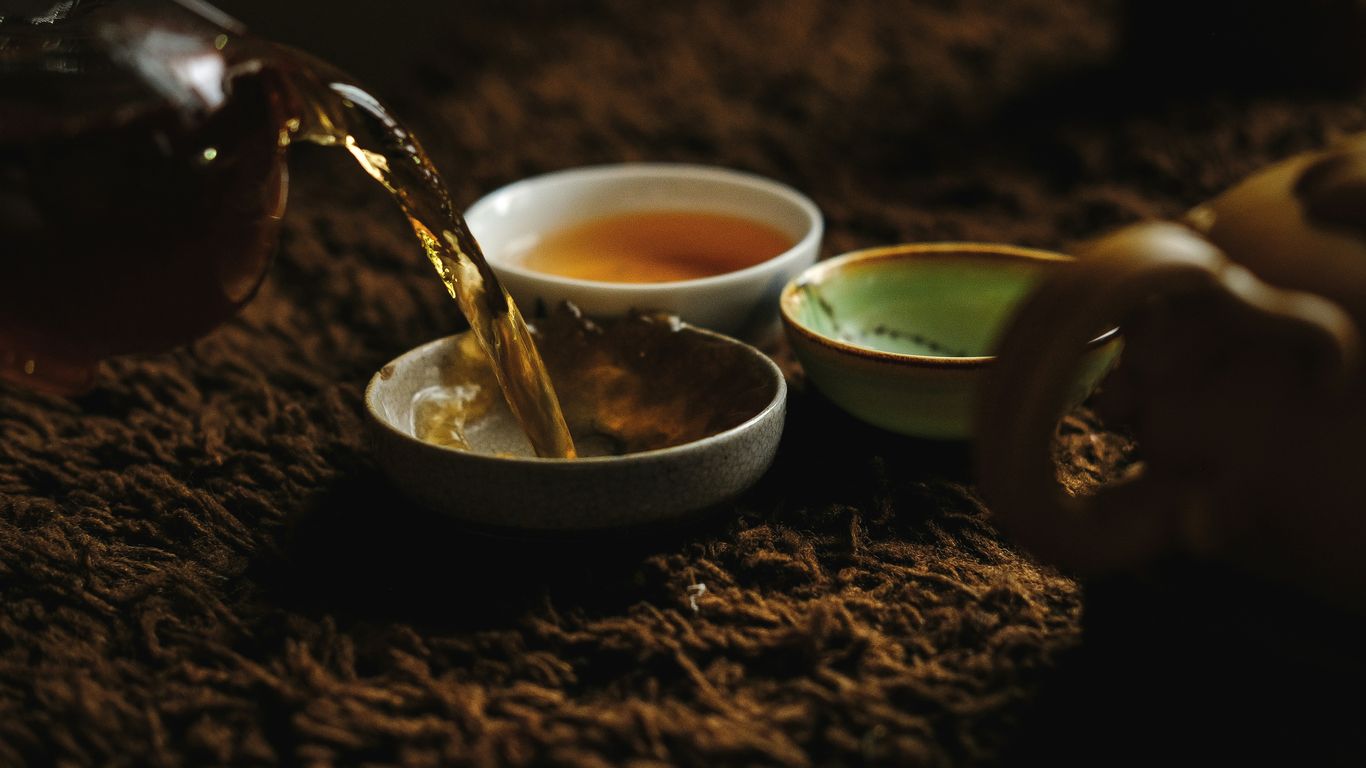
Equipment needed for the traditional pulling technique
To begin, you need two high-quality stainless steel pitchers with good heat retention. These vessels must be wide enough to catch the tea stream without splashing while providing a sturdy grip. While many home kitchens are not set up like commercial stalls, starting with the right metal pitchers makes the learning curve significantly easier.
Safety considerations when handling hot beverages
Handling boiling liquids safely is paramount when practicing the pull at home. Always ensure your workspace is clear of obstructions and place a towel or cooling rack underneath your pitchers to contain any stray splashes. Never perform the pour near open flames or in crowded living areas where you might lose focus.
Achieving the signature frothy texture
The goal is to create as many tiny bubbles as possible within the milk mixture. As you pour from one vessel to another, the distance creates air friction that traps carbon dioxide or air, resulting in a dense, creamy foam. Repeatedly pulling the tea back and forth is the secret to creating the perfect froth that lingers long after reaching your cup.
Troubleshooting common pouring mistakes
Many beginners struggle with either uneven cooling or lack of foam, both of which can be fixed with minor adjustments. The following table provides a quick reference for solving common issues during your home brewing sessions.
| Issue | Possible Cause | Fix |
|---|---|---|
| Flat beverage | Not enough height | Increase casting distance |
| Tea is too bitter | Over-steeping | Reduce time to 4 minutes |
| Foam dissipates | Too much sugar | Adjust milk-to-sugar ratio |
By carefully observing how the stream flows, you can adjust your technique until you achieve consistent results.
Step-by-step preparation method
The transition from boiling water to the final cup requires careful attention to timing and temperature. The efficiency of your process is just as important as the quality of the ingredients you choose. If you need inspiration, Teh Tarik Nation provides catering services that demonstrate the professional efficiency needed to serve dozens of cups in quick succession.
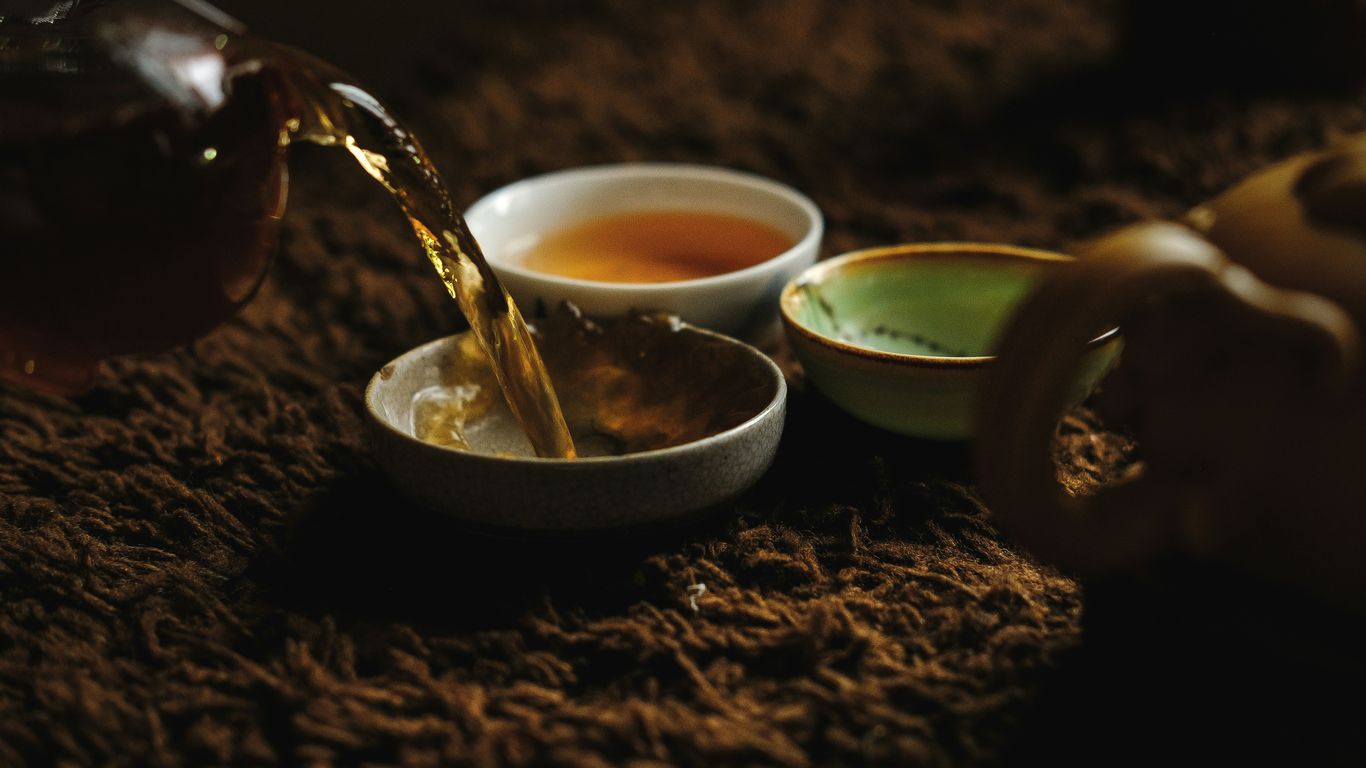
Brewing a concentrated tea infusion
Start by steeping your tea in boiling water for approximately five to six minutes. Aim for a very dark, potent liquor that can hold its own against the weight of the condensed milk. Allow the infusion to sit for a moment to ensure that the depth of the tea is fully extracted before removing the tea leaves.
Combining the dairy components correctly
Once the hot tea is ready, stir in your measured condensed and evaporated milk until the mixture is uniform. Ensure the sugar is fully dissolved at the base of the pitcher before you begin the aeration process. The texture should feel rich and heavy before you even start the first pour.
Executing the aeration process
For best results, follow this systematic approach to achieve a professional-quality foam consistently each time:
- Hold the top pitcher high and pour in a thin, continuous stream into the lower pitcher.
- Quickly lift the higher pitcher to create height and generate air bubbles upon impact.
- Repeat this motion back and forth at least four times to aerate the liquid sufficiently.
- Keep your movements controlled to avoid spills while maximizing the froth volume.
Serving techniques for optimal temperature and foam retention
Final serving should occur immediately after the last pull to ensure the froth remains firm on the surface. Serve the tea in a ceramic or heat-tempered glass mug to maintain the temperature for longer. The goal is to deliver a warm, comforting drink where the foam sits elegantly atop the dark, rich tea base.
Adapting teh tarik for dietary preferences
Contemporary kitchens allow for flexibility, meaning you can enjoy this drink regardless of your specific dietary restrictions. Adapting classic recipes often involves substituting dairy for plant-based alternatives, which can produce surprisingly consistent results with the right approach.
Preparing dairy-free versions with plant-based milks
If you prefer vegan Pulled Milk Tea alternatives, look for plant-based milks that have high fat content, such as oat or cashew milk. These milks are better at replicating the creamy mouthfeel of animal dairy when steamed or aerated. With patience, you can pull these plant-based mixtures to achieve a frothy top that closely mimics the original.
Adjusting for low-sugar or keto-friendly requirements
Reducing sugar is straightforward by using natural sugar-free condensed milk alternatives. Since the texture depends largely on the fat in the milk, you can increase the amount of coconut cream to maintain body without the need for refined sweeteners. This ensures that the final result remains thick and satisfying even without cane sugar.
Incorporating alternative spices for modern flavour twists
Modern home brewing allows for playful spice additions like cardamom or star anise that complement the tea base. Infusing these spices during the initial brewing stage adds a fragrant layer that differentiates your home-brewed cup. Start with small amounts to avoid overwhelming the delicate tea profile.
Equipment and set-up for home brewing
Efficiency at home depends on having a dedicated workspace where you can manage your jugs and tea grounds. Organising your kit beforehand prevents last-minute scrambling during the pouring phase. Good equipment care is essential for maintaining the taste quality of each brew.
Choosing the right stainless steel pitchers for pouring
Select pitchers that feature a narrow spout to help control the stream of hot liquid. A capacity of roughly 500ml is ideal, as it allows for enough volume to pull effectively without being too heavy. Check that the handles are heat-resistant or well-positioned so they remain cool during frequent use.
Cleaning and sanitising brewing vessels
Daily cleaning of your tea pitchers is crucial because milk residue can sour if left untreated. Use hot, soapy water to remove every trace of dairy, and sanitise periodically to ensure neutral flavours. Proper drying is also vital, so always store your pitchers upside down in a clean, dry location.
Storage tips for prepared tea concentrates
If you want to save time, pre-brewing a concentrated tea base can be helpful for small batches throughout the week. Store this concentrate in an airtight, glass container in the refrigerator for up to three days. When ready to serve, simply heat the base separately before adding your milk and starting the aeration process.
Conclusion
Mastering the craft of pulling tea is a rewarding pursuit that transforms a simple drink into a thoughtful, creative ritual. By focusing on the quality of your tea, the precision of your movements, and the careful selection of your ingredients, you can bring the vibrant, social spirit of this beloved heritage beverage into your own home whenever you wish.
Frequently Asked Questions
Is teh tarik the same as regular milk tea?
While teh tarik contains tea and milk, its defining feature is the pulling process that creates a thick, frothy head, which distinguishes it from standard stirred milk tea.
Can I make teh tarik without pulling it?
You can technically mix the ingredients without pulling, but you will miss out on the signature frothy texture and the slight cooling effect that the air aeration process provides.
Why does my tea lose its foam quickly?
The foam often dissipates if the milk temperature is too low or if you have not poured from a high enough distance to sufficiently aerate the mixture.
What is the ideal tea ratio for home brewing?
A strong concentration is key; aiming for 1 part tea liquor to 1.5 parts milk is a common starting point that provides both body and flavour balance.
Can I serve this beverage iced?
Yes, this drink is frequently served cold by pouring the freshly pulled, hot tea over a glass filled with ice, which creates a delicious, refreshing variation.
Is it safe to use freshly boiled water?
Using boiling water is required to properly extract the tannins from the tea leaves, though it is important to pour safely to avoid burns when handling the vessels.
Does the type of condensed milk matter?
The specific brand or type of sweetened condensed milk can significantly change the sweetness and creaminess, so testing a few varieties can help you find your favourite profile.