It’s a classic debate, isn’t it? Which country does it better? When it comes to food, Singapore and Malaysia are often pitted against each other. Both have incredibly rich culinary scenes, influenced by a shared history and diverse cultures. But dig a little deeper, and you’ll find distinct differences that make each nation’s food unique. Let’s take a look at some of the most talked-about dishes and see what sets them apart. It’s all about singapore food vs malaysian food, and honestly, it’s a delicious topic.
Key Takeaways
- Nasi Lemak shows variations in how the egg is cooked and the types of sambal served, with Singapore having the unique McDonald’s burger version.
- Hokkien Mee presents a clear fork in the road: Singapore’s version uses a seafood stock base, while Kuala Lumpur’s is a dark sauce stir-fry, and Penang’s leans towards a prawn broth.
- Bak Kut Teh highlights a flavour preference difference, with Malaysia often favouring herbal notes and Singapore leaning towards a peppery broth, though blended versions exist.
- The subjective nature of taste is a major factor, with palates often favouring the flavours one grew up with, making it hard to declare one version objectively superior.
- Caifan (economy rice) stalls offer different service styles: Malaysian stalls tend to be more self-service and flexible, while Singaporean stalls are often more streamlined and efficient.
The Nuances Of Nasi Lemak
Variations In Condiments And Preparation
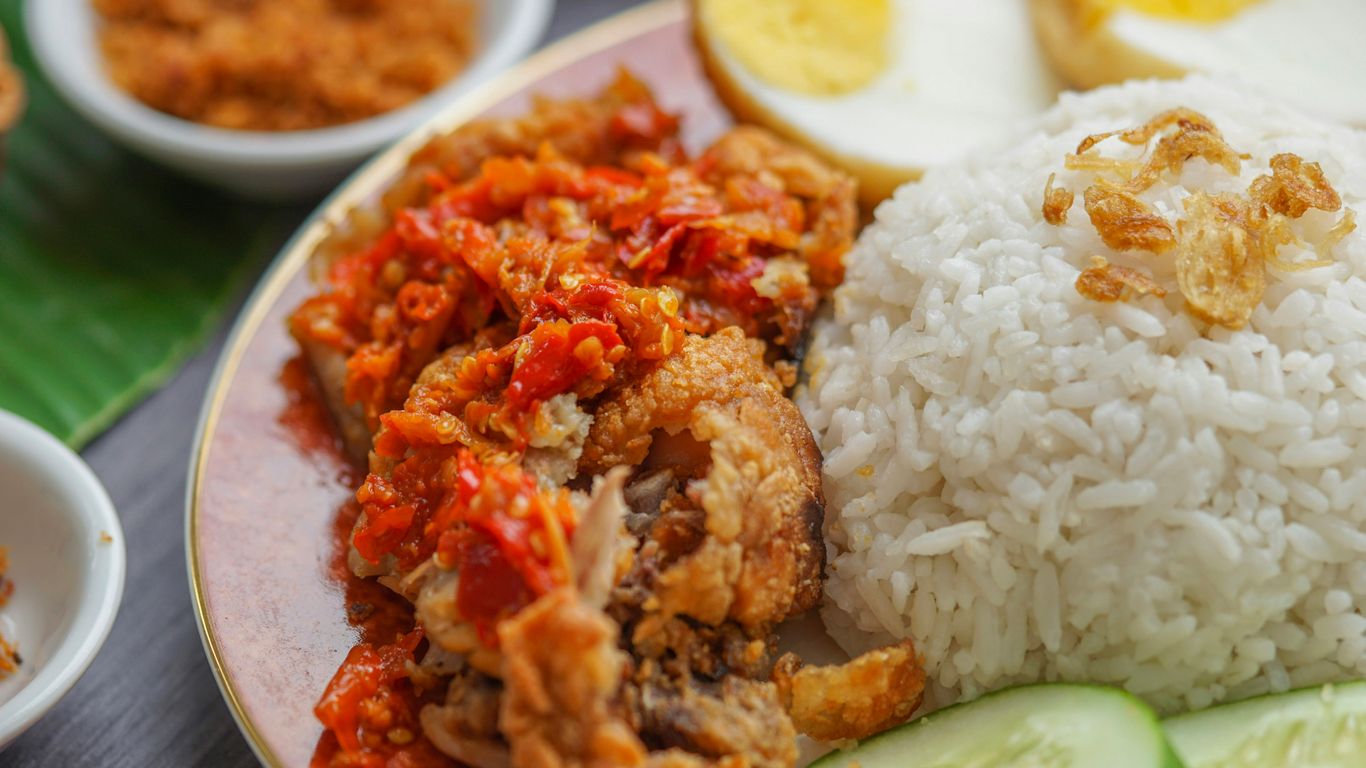
Nasi lemak, that beloved dish of fragrant coconut rice, is a cornerstone of both Malaysian and Singaporean food culture. While the core concept remains the same – rice cooked in coconut milk and pandan leaves, served with sambal – the finer details can differ quite a bit. The exact accompaniments often tell a story of local preference. In Singapore, you’ll commonly find a hard-boiled egg, fried anchovies (ikan bilis), roasted peanuts, and a dollop of spicy sambal. Sometimes, a slice of cucumber is added for freshness. However, the type of egg can vary; some prefer a simple hard-boiled egg, while others enjoy a fried egg, either sunny-side up or a thin omelette. The sambal itself is a key differentiator, with recipes ranging from sweet and mild to fiery and complex, often incorporating ingredients like belacan (shrimp paste) or dried shrimp.
The McDonald’s Nasi Lemak Burger Debate
One of the more modern, and perhaps controversial, discussions around nasi lemak came with the introduction of the Nasi Lemak Burger by McDonald’s. This fusion item sparked considerable debate, with opinions sharply divided. For many, it was a novel and tasty way to experience familiar flavours in a new format. Others found it to be a culinary misstep, a ‘travesty’ even, that didn’t do justice to the original dish. This burger became a talking point, highlighting how deeply people feel about traditional dishes and their adaptations. It certainly proved that even fast-food interpretations can stir up a passionate response, showing how iconic nasi lemak is to the region’s identity. It’s a good example of how traditional dishes are interpreted in new ways, sometimes successfully and sometimes not so much. You can find out more about Singapore’s vibrant food scene by embracing hawker centres and local dishes like Nasi Lemak.
Exploring Hokkien Mee: A Tale Of Two Cities
Variations In Condiments And Preparation
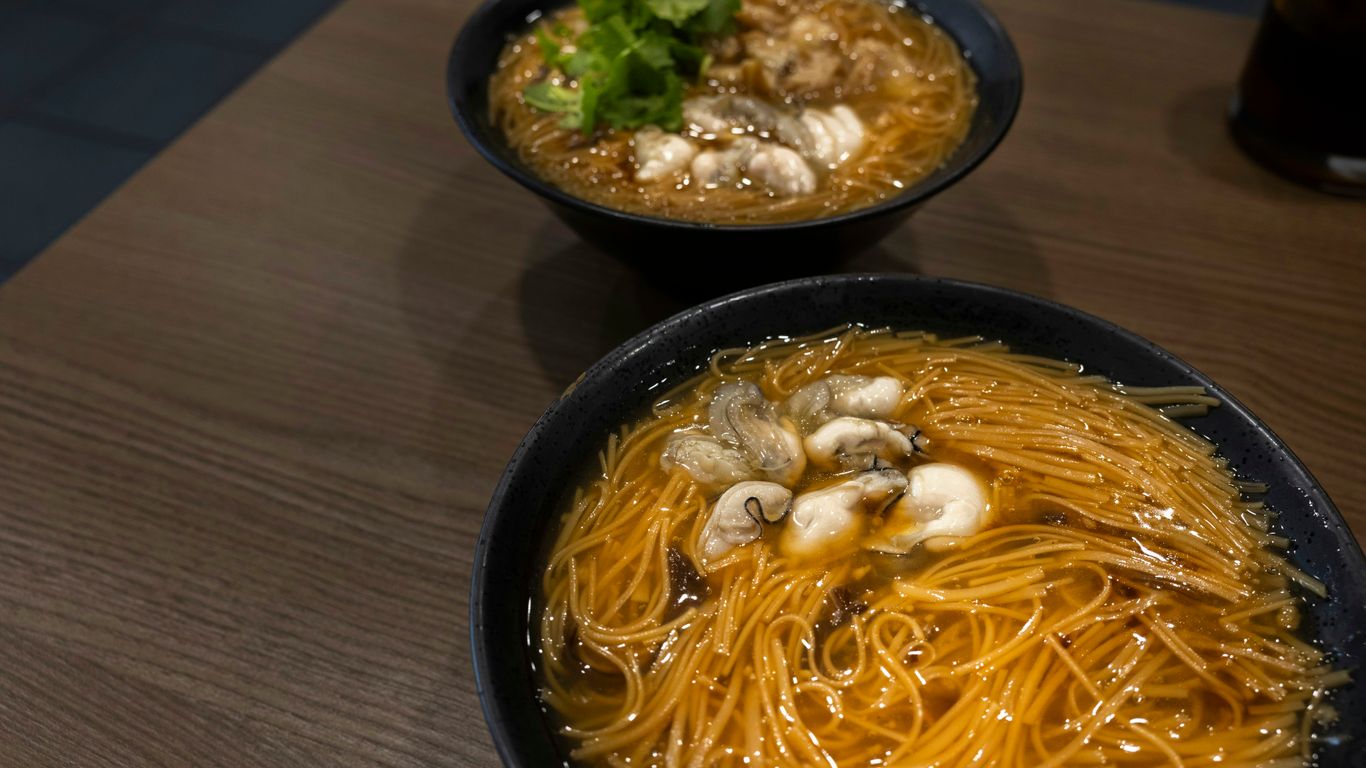
When you talk about Hokkien Mee, you’re actually talking about a few different dishes, which can get a bit confusing. It’s a classic case of shared names for distinct meals. In Singapore, Hokkien Mee is typically a wet, stir-fried noodle dish. Think yellow egg noodles and thin rice vermicelli all mixed up in a rich, savoury sauce. This sauce is usually made from a prawn and pork stock, and the whole thing gets a good blast of ‘wok hei’ – that smoky flavour you only get from a super hot wok. It’s often served with prawns, squid, and a bit of egg. Some places do a drier version, others a bit soupier, but the base is that flavourful stock. It’s a real staple in Singaporean hawker centres, with many families having their own secret recipes passed down through generations. You can find some really unique takes on this dish at stalls like Geylang Lor 29.
Kuala Lumpur’s Dark Sauce Stir-Fry
Now, head over to Kuala Lumpur, and the Hokkien Mee you’ll find is a whole different beast. This version is a dry stir-fry, drenched in a dark, savoury sauce. Forget the prawn stock; this is all about that deep, umami flavour from the sauce, often with bits of crispy lard thrown in for good measure. You can usually pick your noodle types – a mix of yellow noodles and bee hoon (thin rice vermicelli) is a popular choice. The noodles get coated in this glossy, dark sauce, and the char from the wok adds a lovely smoky depth. It’s a dish that’s definitely on the ‘ugly delicious’ side of things, rich and satisfying. Kim Lian Kee on Petaling Street is one of the well-known spots for this style.
Penang’s Prawn Broth Connection
Then there’s Penang’s take, which actually brings us back closer to what Singaporeans might call ‘Prawn Mee’. This Penang Hokkien Mee is a noodle soup, and the star here is a flavourful prawn broth. It’s less about the dark sauce or the specific stir-fry technique and more about that sweet, intense prawn flavour in the soup. So, you’ve got the Singaporean wet stir-fry, the KL dark sauce dry stir-fry, and the Penang prawn broth soup – all called Hokkien Mee, but tasting completely different. It really shows how dishes can evolve and change depending on where you are.
The naming of dishes across Malaysia and Singapore can be quite a minefield. What one country calls Hokkien Mee, another might have a completely different dish with the same name, or a similar dish with a different name altogether. It’s a culinary quirk that often leads to good-natured debate.
Here’s a quick look at the main differences:
- Singapore Hokkien Mee: Wet stir-fry, prawn and pork stock base, often with seafood, smoky ‘wok hei’.
- Kuala Lumpur Hokkien Mee: Dry stir-fry, dark soy sauce base, crispy lard, rich umami flavour.
- Penang Hokkien Mee: Noodle soup, strong prawn broth flavour.
It’s a fascinating example of how food travels and transforms, with each region putting its own spin on a shared heritage. Trying all three is definitely recommended for any serious foodie wanting to understand the nuances of Southeast Asian noodle dishes.
Bak Kut Teh: Herbal Versus Peppery
Malaysian Preference For Herbal Notes
When you’re talking about Bak Kut Teh in Malaysia, especially in areas like Klang, you’re often going to find a broth that leans heavily on a complex blend of herbs and spices. Think star anise, cinnamon, cloves, and a good dose of dang gui (angelica root). This gives the soup a darker colour and a more aromatic, almost medicinal depth. It’s a flavour profile that’s been passed down through generations, and for many Malaysians, it’s the authentic taste they grew up with. The pork ribs are usually simmered for a long time in this fragrant concoction, becoming incredibly tender.
Singaporean Embrace Of Peppery Flavours
Over in Singapore, the Bak Kut Teh scene tends to favour a broth that’s much more about the pepper. We’re talking a clear, almost translucent soup that packs a serious peppery punch. Garlic is a key ingredient, often added in generous amounts, which gives it a sharp, invigorating kick. This style is less about the complex herbal notes and more about a clean, spicy warmth. It’s the kind of dish that really wakes up your senses, especially if you’re having it for a late-night supper. Many Singaporeans prefer this lighter, peppery version, finding it more refreshing.
The Blended Approach
It’s not always a strict divide, though. You’ll find places that try to bridge the gap, offering a soup that has elements of both. Some restaurants might add a touch more pepper to their herbal base, or a hint of star anise to their peppery broth. It really comes down to personal taste and what you’re used to. If you grew up eating one style, you’ll likely gravitate towards that. But trying the other version can be an interesting experience, and you might just discover a new favourite. It’s all part of the fun of exploring Malaysian food and its many regional variations.
| Region | Dominant Flavour Profile | Key Spices/Herbs | Broth Appearance |
|---|---|---|---|
| Malaysia | Herbal, Aromatic | Angelica root, star anise, cinnamon, cloves | Darker, Opaque |
| Singapore | Peppery, Garlicky | White/black peppercorns, garlic | Clear, Lighter |
The Subjectivity Of Taste And Preference
Growing Up With Specific Flavours
It’s pretty common to hear people say they prefer the food from their home country, and honestly, it makes a lot of sense. If you’ve spent your whole life eating certain flavours, your taste buds get pretty used to them. Think about it – the way your mum or dad cooked, the hawker stalls you visited as a kid, it all shapes what you find delicious. For many, the food they grew up with just feels right, like a warm hug in a bowl. It’s not necessarily about one being objectively better, but more about what feels familiar and comforting. This is why you’ll often find that someone who grew up in Malaysia might lean towards Malaysian dishes, and a Singaporean will often favour Singaporean versions. It’s a deeply personal connection to flavour.
The Role Of Palate Familiarity
This idea of palate familiarity is a big one when it comes to food debates between Singapore and Malaysia. It’s not just about ingredients or cooking methods; it’s about what your mouth is used to. Someone might find Malaysian food more flavourful because they’re accustomed to heavier seasoning, while another might prefer Singaporean dishes for their specific balance. It’s like listening to music; you might love a certain genre because it’s what you’ve always listened to. This doesn’t mean other genres aren’t good, just that your ears are tuned to a particular sound. The same applies to food. What one person finds perfectly seasoned, another might find a bit much, or not enough. It’s all about what your palate has come to expect and enjoy over time. This is why discussions about which country’s version of a dish is ‘better’ often lead nowhere concrete, as subjective taste plays such a huge role.
Beyond Objective Superiority
Ultimately, arguing about whether Malaysian or Singaporean food is superior is a bit like arguing about the best colour. It really comes down to personal preference, and there’s no right or wrong answer. Both countries have incredible culinary scenes, shaped by history, culture, and a shared heritage, but with their own unique twists. Trying to declare one definitively better than the other misses the point. It’s more interesting to appreciate the differences and the reasons behind them.
Food preferences are deeply personal, shaped by a lifetime of experiences and cultural influences. What one person finds delicious, another might find just okay. It’s a beautiful reflection of our diverse backgrounds and the unique journeys that lead us to appreciate different tastes.
Here’s a quick look at how some common dishes might be perceived:
| Dish | Malaysian Tendency | Singaporean Tendency |
|---|---|---|
| Nasi Lemak | Varies by state, often richer sambal | Varies, often with specific condiment sets |
| Hokkien Mee | Dark sauce stir-fry | Seafood stock base |
| Bak Kut Teh | Herbal broth | Peppery broth |
It’s worth remembering that these are generalisations, and you’ll find plenty of exceptions. The beauty of food is in its diversity and the joy it brings to individuals. So, instead of trying to crown a winner, perhaps we should just enjoy the amazing variety on offer. The way urban millennials in Malaysia, for instance, engage with food shows how personal and cultural identity are intertwined with eating habits.
Caifan: Autonomy Versus Efficiency
Caifan, also known as economic rice or mixed vegetable rice, is a staple in both Singapore and Malaysia. It’s that glorious spread of dishes where you pick and choose what goes onto your plate. But how you go about it can feel quite different depending on which side of the Causeway you’re on.
Malaysian Self-Service Flexibility
In Malaysia, the caifan experience often leans towards a more hands-on approach. You’re usually free to point out exactly which pieces of chicken you want, how much of that stir-fried vegetable you’d like, and nobody’s going to rush you. It’s a bit like curating your own meal, piece by piece. This autonomy means you can really tailor your plate to your exact preferences, whether that’s a generous portion of crispy fried chicken or just a small scoop of sambal. It’s a system that allows for a lot of personal choice, which can be really satisfying if you know exactly what you’re after. This freedom is a big part of why many enjoy the Malaysian approach to hawker food.
Singaporean Streamlined Service
Singapore’s caifan stalls, on the other hand, tend to operate with a more efficient, streamlined model. Typically, the stall assistants will serve the food for you. You point, they scoop. This method is fantastic when you’re in a hurry, perhaps during a busy lunch break in the Central Business District. The speed at which you can get your meal is impressive, and it minimises decision fatigue for those who might be overwhelmed by choice. It’s a system built for speed and convenience, which is a big deal in a fast-paced city.
Balancing Health and Convenience
Ultimately, both systems have their merits. The Malaysian style offers a greater sense of control and personalisation, allowing diners to meticulously select their desired portions and combinations. This can be particularly appealing for those who enjoy a more leisurely meal or have very specific dietary needs. The Singaporean approach prioritises speed and ease, making it an ideal option for those on tight schedules. Regardless of the serving style, caifan remains a popular and affordable way to enjoy a varied meal, reflecting the diverse culinary landscape of both nations. It’s a testament to how food can adapt to different cultural rhythms, offering lasting joy through personal freedom in how we eat.
Here’s a quick look at the general differences:
- Autonomy: You pick exact pieces and portions.
- Efficiency: Faster service, less decision-making.
- Customisation: High degree of personal control.
- Pace: Often a more relaxed experience.
- Speed: Ideal for quick meals.
- Simplicity: Less interaction needed from the diner.
- Convenience: Great for busy individuals.
- Standardisation: Portions might be more uniform.
Hainanese Chicken Rice: A Culinary Contention
Historical Claims And National Pride
Hainanese chicken rice is a dish that sparks a fair bit of passion, especially when you talk about where it truly belongs. Both Singapore and Malaysia lay claim to this deceptively simple yet incredibly satisfying meal. It’s a dish with roots tracing back to Hainanese immigrants who brought their culinary traditions to Southeast Asia. The debate often heats up because the two countries are so close geographically, and many dishes share names but have different preparations. It’s a point of pride for many, and arguments about who got it first have been going on for ages.
Michelin Recognition In Singapore
Singapore has certainly put Hainanese chicken rice on the global culinary map. Several hawker stalls and restaurants in the city-state have earned prestigious accolades, including Michelin stars or mentions. This recognition highlights the consistent quality and exceptional flavour profiles that Singaporean establishments achieve with this dish. It’s a testament to the dedication of the chefs who perfect the art of poaching the chicken just right and cooking the rice to fragrant perfection.
The Art Of Poaching And Rice Preparation
Making a truly great plate of Hainanese chicken rice is all about the details. The chicken needs to be tender and moist, often achieved by poaching it in a flavourful broth. A common technique involves an ice bath afterwards, which helps create a lovely jelly layer between the skin and the meat. Then there’s the rice. It’s not just plain rice; it’s cooked in chicken broth, often with garlic, ginger, and pandan leaves, giving it a rich, aromatic flavour. The accompaniments are just as important:
- Fragrant ginger paste
- Spicy chilli sauce
- Dark soy sauce
The careful balance of these elements – the succulent chicken, the flavour-infused rice, and the zesty condiments – is what makes Hainanese chicken rice a standout dish. It’s a culinary experience that many travellers seek out, and you can even find Hainanese Chicken Rice kits to try and recreate the magic at home.
Ultimately, while the debate about ownership continues, the deliciousness of Hainanese chicken rice is undeniable, enjoyed by many across both nations.
Modern Interpretations And Culinary Innovation
Deconstructed Dishes
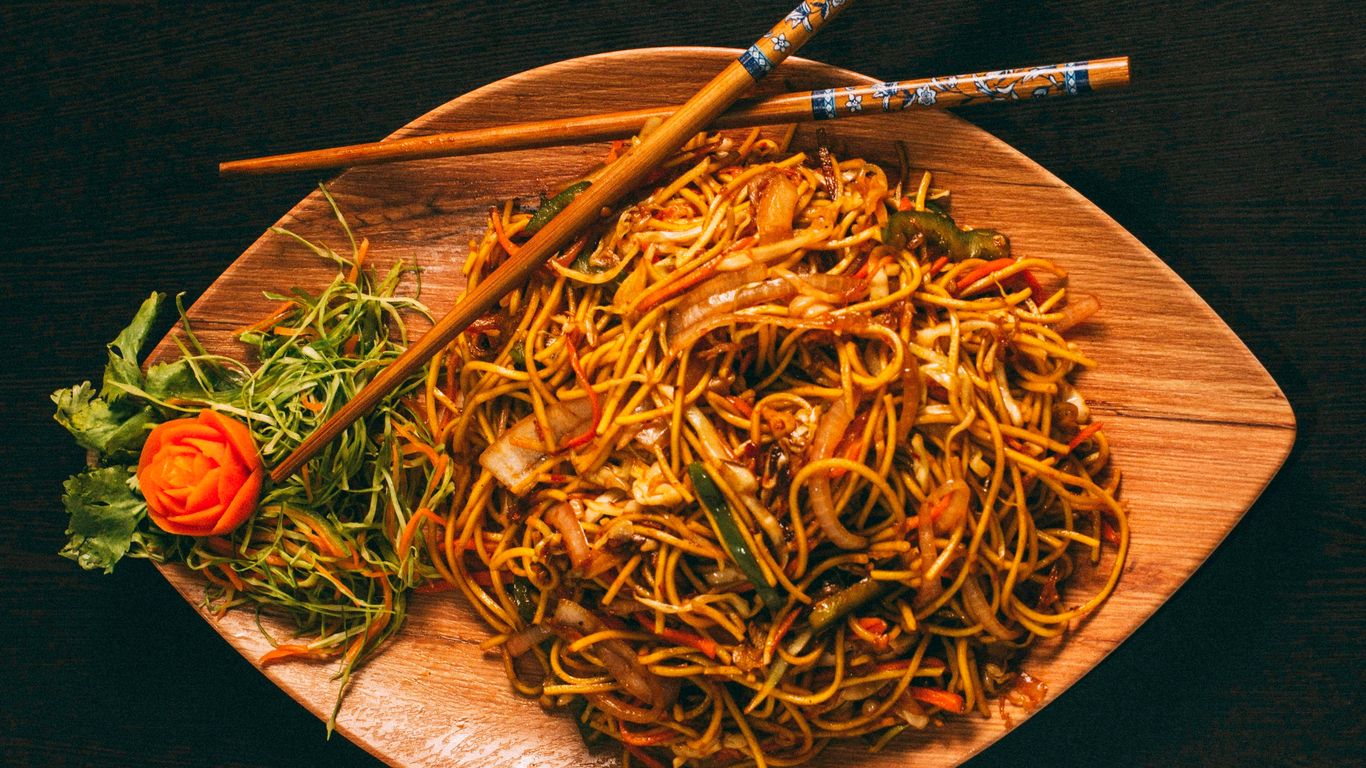
It’s fascinating to see how chefs are taking classic dishes and reimagining them. Think about something like an oyster omelette, a hawker staple. Some chefs are now presenting it in a deconstructed way, separating the elements and plating them artfully. It’s not just about presentation, though; it’s about highlighting the individual flavours and textures in a new light. This approach allows diners to appreciate the components of a familiar dish in a completely novel manner.
Creative Ingredient Pairings
Beyond just deconstruction, there’s a lot of experimentation happening with ingredients. We’re seeing unexpected combinations that, surprisingly, work. For instance, traditional dishes might get a modern twist with the inclusion of ingredients not typically found in them. This push for novelty is leading to some really interesting flavour profiles. It’s a way of keeping the culinary heritage alive while also making it relevant for today’s diners.
Contemporary Malaysian Cuisine
Malaysian cuisine, in particular, is seeing a wave of innovation. Chefs are drawing inspiration from the rich tapestry of Baba-Nyonya cuisine, with its unique blend of sweet, sour, and spicy notes, and infusing it with contemporary techniques. Restaurants are pushing boundaries, creating dishes that are both familiar and excitingly new. This evolution is a testament to the dynamic nature of food culture in the region, where tradition and modernity happily coexist. It’s a really exciting time for food lovers, with new tastes and experiences constantly emerging.
Our chefs are always cooking up new and exciting dishes, blending old traditions with fresh ideas. It’s a delicious adventure for your taste buds! Want to try these amazing new flavours?
Visit our website to see our latest menu and book your table today!
So, Who Wins?
Look, trying to definitively say whether Singaporean or Malaysian food is ‘better’ is a bit like trying to pick your favourite star in the sky. They’re so close, sharing so many ingredients and techniques, it’s hard to draw a firm line. You’ll find variations on dishes, sure, and sometimes the same name can mean totally different things depending on which side of the border you’re on – Hokkien mee, anyone? Ultimately, what tastes best often comes down to what you grew up with. So instead of arguing, maybe just enjoy the delicious journey of exploring both. After all, a good meal is a good meal, no matter where you find it.
Frequently Asked Questions
Are Singaporean and Malaysian food really that different?
It’s a bit like comparing apples and oranges, mate! While both countries share a lot of the same dishes, like Nasi Lemak or Hokkien Mee, the way they’re made and the flavours can be quite distinct. Think of it as cousins rather than strangers – they’re related but have their own unique personalities. It often comes down to what you grew up eating, which shapes your taste buds.
What’s the big deal with Nasi Lemak?
Nasi Lemak is a national treasure for both countries, but the little things make a difference. In Malaysia, you might find variations in the sambal (chilli paste) or how the egg is served. Singapore even had a go at a Nasi Lemak burger, which caused quite a stir! It’s a dish that sparks a lot of passion, showing how much people care about their food.
Why do Hokkien Mee dishes have different names and tastes?
This one’s a bit confusing! In Kuala Lumpur, ‘Hokkien Mee’ is a dark, savoury noodle dish. But in Singapore, our ‘Hokkien Mee’ is stir-fried with seafood stock and has a lighter colour. Penang’s version is more like what Singaporeans call ‘Prawn Mee’, which is a prawn broth noodle soup. It’s a classic case of the same name for totally different, delicious meals!
Is Bak Kut Teh the same everywhere?
Not quite! Malaysian Bak Kut Teh often has a more herbal flavour, thanks to spices like star anise and cinnamon. Singapore’s version tends to be more peppery, using white or black pepper for a kick. Some places even try to blend both styles, so you can find a bit of everything depending on where you go.
What’s the difference with ‘Caifan’ (Economic Rice)?
In Malaysia, ‘Caifan’ is often a self-service affair where you pick exactly what you want and how much, giving you loads of freedom. Singapore’s version is usually served by the stall helpers, which can be quicker but a bit less flexible. Both offer tasty and affordable meals, just with a slightly different way of serving.
Is Hainanese Chicken Rice really a point of contention?
You bet it is! Hainanese Chicken Rice is a dish both Malaysia and Singapore claim as their own. Singapore even has Michelin-recognised stalls and its hawker culture is recognised by UNESCO. Malaysia also has strong claims and passionate fans. It’s a simple dish, but it carries a lot of national pride for both sides.