Alright, so you’re keen to try Singapore’s famous durian season, but not sure where to start? It can be a bit overwhelming with all the different types and when to actually find them. This singapore durian season guide is here to help you sort it all out. We’ll cover when the best time to get your hands on the ‘King of Fruits’ is, what varieties you should be looking out for, and where in Singapore you can go to get your durian fix. No more guessing games, just pure durian goodness.
Key Takeaways
- The main durian season in Singapore typically runs from June to September, with a smaller season between November and December. Early harvests can start as early as April.
- Popular durian varieties include Mao Shan Wang (MSW) for its bittersweet flavour, D24 Sultan for a balanced taste, Red Prawn for sweetness, and Black Thorn for an intense, bitter profile.
- Lesser-known but interesting options include S17 Coffee Durian with a roasted flavour, Golden Phoenix for a sharp bitterness, and Tekka for complex floral notes.
- To pick a good durian, check for ripeness by shaking it gently to hear a slight rattle and sniff for its distinctive pungent aroma. A dry stem or large cracks might indicate an older fruit.
- Popular spots to enjoy durian in Singapore include Geylang, which is a well-known durian hub, Chinatown, and areas like Katong. Stalls like Combat Durians and 99 Old Trees are also recommended.
Understanding Singapore Durian Season
When To Expect The King Of Fruits
Singapore’s durian season is a highlight for many, and while the fruit is technically available year-round, timing really does make a difference. The main season typically kicks off around June, with the absolute peak harvest usually running from July through to September. This is when you’ll find the greatest variety of durians, the most intense flavours, and generally the best prices. If you’re keen to experience the full spectrum of what the ‘King of Fruits’ has to offer, aim for the heart of this period.
The Secondary Season
Beyond the main summer months, there’s a smaller, secondary durian season that usually occurs between November and December. While this period offers another chance to get your durian fix, it’s worth noting that the selection might be a bit more limited compared to the primary season. Still, it’s a great opportunity for those who missed out or simply can’t get enough of the pungent fruit.
Early Harvest Opportunities
Sometimes, the durian season can surprise us by arriving earlier than expected. In recent years, we’ve seen fresh, creamy durians appearing as early as April. These early batches can be particularly exciting, offering that first taste of the season’s bounty. Keep an eye out for early harvest varieties, as they can provide a delightful head start on your durian cravings.
The durian’s distinctive aroma is a topic of much debate. While some find it wonderfully fragrant, others describe it as overpowering. Regardless of your personal take on the smell, the taste is often considered unique and hard to describe, with flavours ranging from sweet and creamy to a complex bittersweet profile.
Navigating Durian Varieties
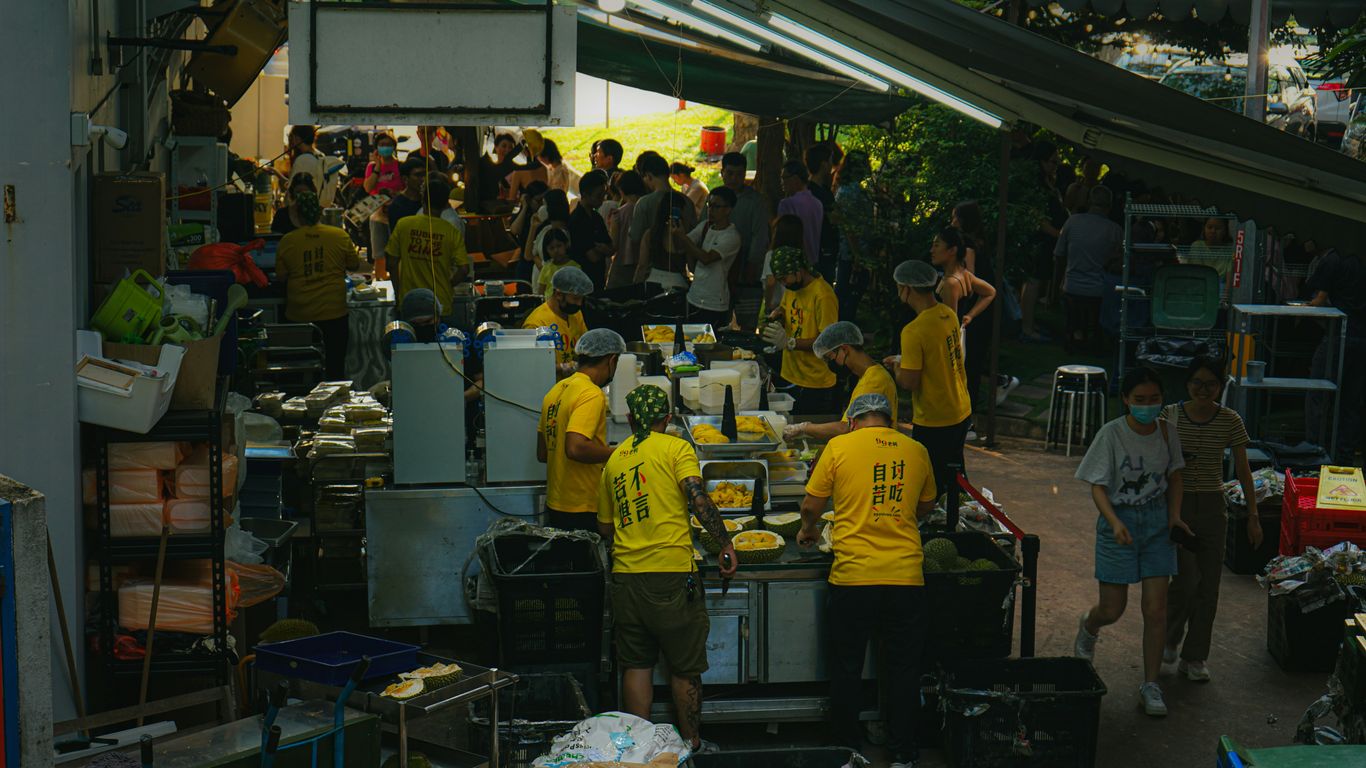
Singapore’s durian scene is a whole world unto itself, and part of the fun is figuring out which type tickles your fancy. It’s not just about the ‘king of fruits’ title; each variety has its own personality, from super sweet to intensely bitter. Understanding these differences is key to finding your perfect durian match.
Mao Shan Wang: The Popular Choice
Mao Shan Wang, often shortened to MSW, is probably the most talked-about durian. Its name translates to ‘Cat Mountain King’, and it’s a favourite for a reason. The flavour is a complex mix of bitter and sweet, with a rich, creamy texture that’s almost like custard. It’s so popular that it’s often used in desserts and ice cream. If you’re looking for that classic, intense durian experience, MSW is a solid bet.
D24 Sultan: A Balanced Flavour
D24, also known as Sultan King, is another big player. This one offers a more balanced profile, leaning towards a mild bitterness with a pleasant sweetness. Its flesh is smooth and creamy, and some people detect a subtle alcoholic note, a bit like cognac. It’s a good choice if you find some durians a bit too overpowering. It’s often considered a good entry point for those new to the fruit.
Red Prawn: Sweet And Sticky
As the name suggests, Red Prawn durians often have a distinct reddish-orange flesh. They are known for being quite sweet, with a sticky, dense texture. There’s usually a slight hint of bitterness that balances out the sweetness, making it interesting. If you prefer your durian on the sweeter side but still want a bit of complexity, give Red Prawn a go. It’s a real treat for those with a sweet tooth.
Black Thorn: Intense And Bitter
Black Thorn is for the serious durian enthusiast. It’s known for its intense flavour, often quite bitter, but in a way that connoisseurs appreciate. The flesh is typically a striking orange-red colour and has a creamy, custardy texture. It’s considered a premium variety, often compared to MSW but with its own unique, powerful punch. If you’re looking to explore the more intense end of the durian spectrum, Black Thorn is definitely worth trying.
Trying different varieties is part of the adventure. Don’t be afraid to ask stall owners for their recommendations based on what you’re looking for in a durian.
Here’s a quick rundown of some popular types:
- Mao Shan Wang (MSW): Bitter-sweet, creamy, custard-like. A top choice for intense flavour.
- D24 Sultan: Mildly bitter and sweet, smooth, with a hint of alcohol. A crowd-pleaser.
- Red Prawn: Sweet, sticky, with a touch of bitterness. Distinctive orange flesh.
- Black Thorn: Intense, bitter, creamy, often with orange-red flesh. For the adventurous palate.
Exploring these different types is a great way to discover Singapore’s unique culinary identity. Each has its own story and flavour profile, making the durian season a delicious journey of discovery. You can find more details on various durian types and their flavours to help you choose.
Exploring Lesser-Known Durians
While the big names like Mao Shan Wang get all the attention, Singapore’s durian scene is full of hidden gems. If you’re feeling adventurous and want to try something a bit different, these varieties offer unique flavour profiles that might surprise you. They might not be as common, but they’re definitely worth seeking out for a more adventurous palate.
S17 Coffee Durian: A Roasted Profile
The S17, sometimes called the ‘Coffee Durian’, has a flavour that’s quite distinct. It’s not overtly sweet, leaning more towards a bitter profile with a subtle roasted note, reminiscent of coffee. The flesh is usually soft and smooth. It’s a good choice if you find the super-sweet varieties a bit much.
Golden Phoenix: Sharp And Bitter
Golden Phoenix, also known as Jin Feng or D198, is a smaller durian with pale yellow-white flesh. Don’t let its size fool you; it packs a punch. This variety is known for its sharp, bitter taste and a texture that’s often described as drier and thicker than other durians. It has a complex flavour that can be quite intense, with hints of alcohol and floral notes. It’s definitely an acquired taste, so perhaps try a small portion first if you’re new to it.
Tekka: Complex And Floral
Tekka, sometimes referred to as D13, is a bit of a rarity. Its flesh is a pale yellow and it has a flavour profile that’s quite layered. You’ll notice a mix of sweet, floral, and even slightly bitter notes all in one bite. The texture is often described as sticky. It’s a durian that rewards those who appreciate complexity in their fruit. If you’re exploring beyond the usual suspects, Tekka is a great option to consider.
When you’re trying these less common varieties, remember that freshness is key. Look for vendors who have a good turnover and are knowledgeable about their stock. Don’t be afraid to ask questions about the origin and characteristics of the durian you’re considering.
If you’re keen to try some of these unique flavours, you might find them at some of the more established durian stalls, particularly those that pride themselves on offering a wide selection. While you’re exploring Singapore’s food scene, don’t forget to check out the vibrant markets in areas like Little India for other local delights.
Tips For Selecting The Best Durian
Checking For Ripeness
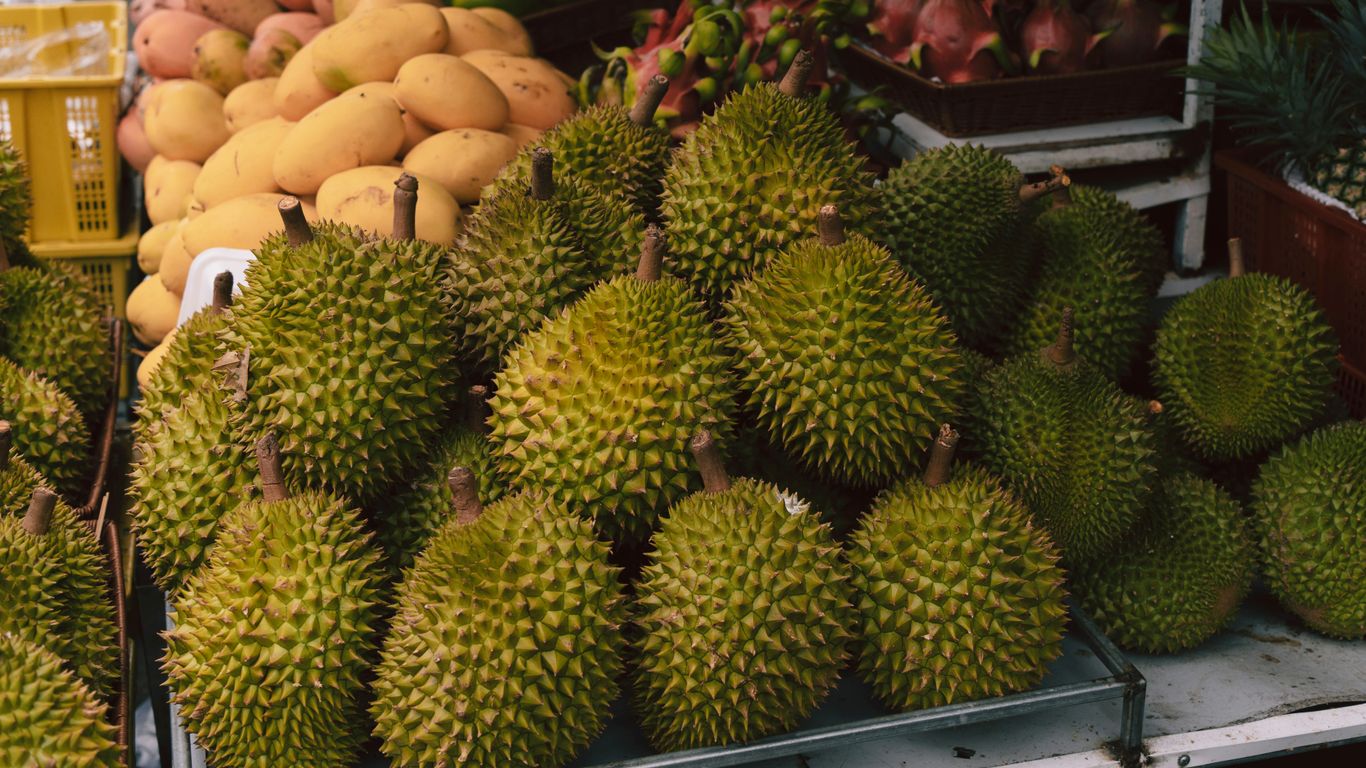
Picking a ripe durian is key to a good experience. One common method is to give the fruit a gentle shake. If you hear a slight rattling sound, it often means the flesh has loosened from the seed, indicating ripeness. Another indicator is the weight; a ripe durian tends to feel lighter than an unripe one because some of its moisture content has reduced. You can also look at the stem. A dry stem can suggest the fruit is past its prime, while a fresh, green stem is usually a good sign.
Assessing Freshness
Freshness is just as important as ripeness. Look closely at the husk. While small, hairline cracks are normal and can even be a sign of ripeness, large, gaping cracks might mean the durian is old or has been exposed to air for too long. Also, check the area around the stem. It should be dry, not wet or mouldy. A strong, pleasant durian aroma is also a good sign of freshness, but avoid any fruit with a sour or fermented smell, as this indicates it’s overripe or spoiled.
Understanding The Stems And Cracks
The stem and husk can tell you a lot about a durian’s condition. A healthy stem is usually a lighter brown and feels firm. If the stem looks dark, shrivelled, or is missing entirely, it’s best to pass on that fruit. As mentioned, hairline cracks are fine, but if you see significant splits in the husk, it’s a sign the durian might be past its best. Some people also tap the durian; a hollow sound can sometimes indicate a ripe fruit, but this takes practice to interpret correctly. For those new to the game, focusing on the stem’s condition and the size of any cracks is a solid starting point.
When you’re out hunting for the perfect durian, don’t be afraid to ask the vendor for their advice. They often have a keen eye for quality and can point you towards the best fruits of the day. It’s a good way to learn too!
Here’s a quick rundown:
- Ripeness: Gentle shake for rattling, lighter weight, and a fresh stem.
- Freshness: Dry stem area, no large cracks, and a pleasant aroma.
- Stem: Firm and lighter brown is ideal.
- Cracks: Hairline cracks are okay; large ones are a warning sign.
If you’re keen to explore Singapore’s food scene beyond durian, a local food tour can be a fantastic way to discover hidden gems and understand the culinary culture.
Where To Indulge In Durian
Now that you’re armed with knowledge about the different varieties and how to pick the best ones, it’s time to talk about where to actually eat this magnificent fruit. Singapore has some legendary spots for durian lovers, and experiencing it at a dedicated stall is part of the fun.
Geylang’s Durian Hub
When people talk about durian in Singapore, Geylang is often the first place that comes to mind. This area, known for its vibrant nightlife, also transforms into a durian paradise during the season. Stalls line the streets, especially along Sims Avenue, piled high with the spiky fruit. You’ll find a buzzing atmosphere, with people gathering around tables, cracking open durians, and sharing the experience. It’s a real sensory overload in the best way possible. Some popular spots here include Durian Culture, Durian SG Prime, and Durian 36, all serving up a wide selection of the freshest fruits.
Chinatown and Katong Options
If you’re looking for durian closer to the main tourist hubs, there are still excellent choices. Chinatown offers spots like HengBros Durian, making it convenient for those exploring the area. For those on the east side of the island, 227 Katong Durian is a well-regarded stall known for its quality and variety. These places provide a great alternative if you don’t want to venture too far but still want that authentic durian experience. Exploring these areas can also be a great way to discover other local delights, perhaps after your durian feast. You might even stumble upon some amazing hawker food nearby, making for a perfect day of culinary exploration.
Combat Durians and 99 Old Trees
Two names that frequently pop up in conversations about top durian sellers are Combat Durians and 99 Old Trees. Combat Durians has been around for a while and is known for its pioneering role in the durian scene, even coining names for certain popular types. They’re a reliable choice for a wide range of quality fruits. On the other hand, 99 Old Trees offers a slightly different vibe, sometimes described as more modern, with durians sourced directly from farms. They’ve been noted for their Mao Shan Wang and even offer a sort of durian ‘omakase’ experience in a comfortable setting. Both are highly recommended for serious durian enthusiasts looking for top-notch fruit.
Here’s a quick look at some popular stalls:
- Geylang Area: Durian Culture, Durian SG Prime, Durian 36
- Central/Other: HengBros Durian (Chinatown), Combat Durians (Balestier), 99 Old Trees (Owen Road)
- East: 227 Katong Durian (East Coast Road)
Visiting a durian stall is more than just buying fruit; it’s an event. Expect to see people gathered around, sharing the pungent aroma, and enjoying the creamy flesh. Don’t be shy to ask the stall owners for recommendations based on your flavour preferences.
When you visit these places, you’re not just getting durian; you’re getting a taste of Singapore’s vibrant food culture. It’s an experience that’s definitely worth seeking out, no matter your prior opinion on the ‘King of Fruits’.
Ready to dive into the king of fruits? Our ‘Where To Indulge In Durian’ section is your ultimate guide to finding the best durian spots. We’ve scouted out the tastiest places, so you don’t have to. Come explore the creamy, pungent goodness that everyone’s talking about!
Wrapping Up Your Durian Adventure
So, there you have it. Singapore’s durian season is a real treat, and now you’ve got a bit of a handle on the different kinds out there, from the popular Mao Shan Wang to the more adventurous S17. Remember, the main season usually kicks off around June and goes through to September, though you can sometimes find them earlier or later. Don’t be afraid to try a few different varieties and find your own favourite. Whether you’re a seasoned durian lover or just curious, exploring the stalls and tasting the ‘King of Fruits’ is a pretty unique Singaporean experience. Enjoy the hunt!
Frequently Asked Questions
When’s the best time to eat durian in Singapore?
The main durian season in Singapore usually kicks off around June and goes full swing until September. This is when you’ll find the biggest selection of durians, and they’re often at their tastiest and cheapest. There’s also a smaller season later in the year, around November and December, but you might not find as many types then.
What’s the deal with durian season starting early sometimes?
Sometimes, you get lucky and the durians start showing up even earlier, like in April! These early batches can be really exciting because they’re the first taste of the season’s delicious fruit. Varieties like Mao Shan Wang (MSW) sometimes appear in these early harvests.
How can I tell if a durian is ripe and good to eat?
A good trick is to gently shake the durian. If you hear a slight rattling sound, it usually means the flesh inside is soft and ready. Also, give it a sniff! Ripe durians have that strong, unmistakable smell that durian lovers know well. A dry stem can also be a sign it’s ready.
What are the most popular durian types in Singapore?
Mao Shan Wang (MSW) is a real favourite, known for its creamy, bittersweet taste. D24 Sultan is another popular choice, offering a good balance of sweet and bitter. Red Prawn is loved for its sweet and sticky flesh, while Black Thorn is for those who like a more intense, bitter flavour.
Are there any durians that taste a bit different?
Definitely! The S17 Coffee Durian has a unique roasted, slightly coffee-like flavour that’s a bit bitter and savoury. Golden Phoenix is known for being sharp and bitter, and Tekka has a more complex taste that’s sweet and floral, often described as being for true connoisseurs.
Where are the best places to go for durian in Singapore?
Geylang is famous for its many durian stalls, especially along Sims Avenue. You can also find good spots in Chinatown and Katong. Places like Combat Durians and 99 Old Trees are well-known for offering a great durian experience.