Key Takeaways
Finding the perfect plate of rojak in Singapore involves identifying the right balance of sweet, spicy, and savory elements. Here are five essential tips to guide your next food hunt:
- Look for stalls that grind their peanuts fresh for maximum fragrance.
- Always opt for crispy you tiao, ensuring it is toasted to perfection.
- Fresh torch ginger buds provide a signature aromatic lift to the sauce.
- Avoid stalls that allow the sauce to become overly watery upon mixing.
- Busy hawker centres often rotate stock quickly, guaranteeing fresher ingredients.
1. Lau Pa Sat rojak stall
The central location of this Lau Pa Sat makes it an accessible starting point for anyone eager to explore traditional hawker flavors right in the heart of the city. While the area is famous for satay, the rojak here offers a surprisingly robust profile that pairs well with the surrounding bustle. The sauce is typically thick, dark, and rich, coating each ingredient in a sticky, umami-laden glaze.
2. Toa Payoh rojak
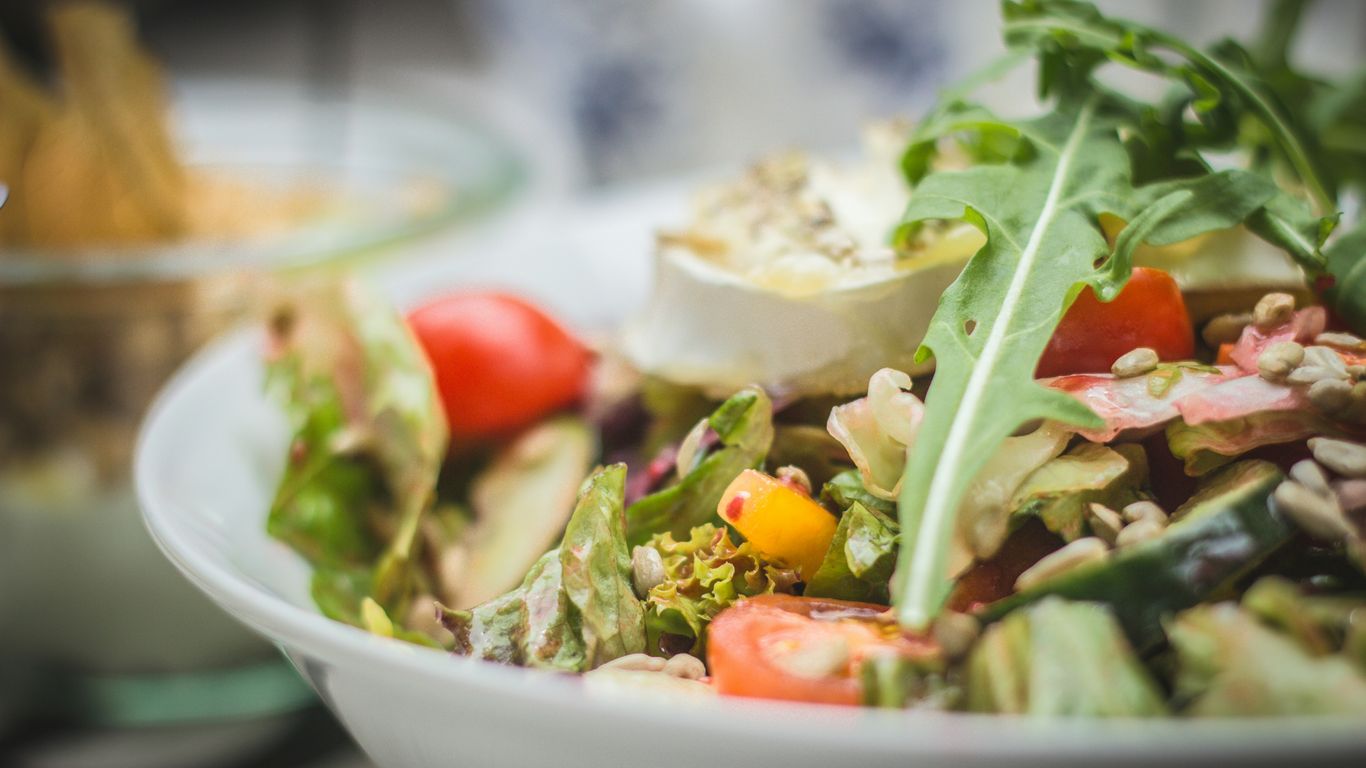
Located in a neighborhood known for authentic local eateries, the rojak vendors here pride themselves on consistency and speed. You will often find long queues, a testament to the quality of the spicy dressing used to toss the fruit and vegetable medleys. Devotees often visit these stalls to experience the authentic symphony of flavors that characterizes the best rojak Singapore has to offer.
3. Bedok North 511 rojak
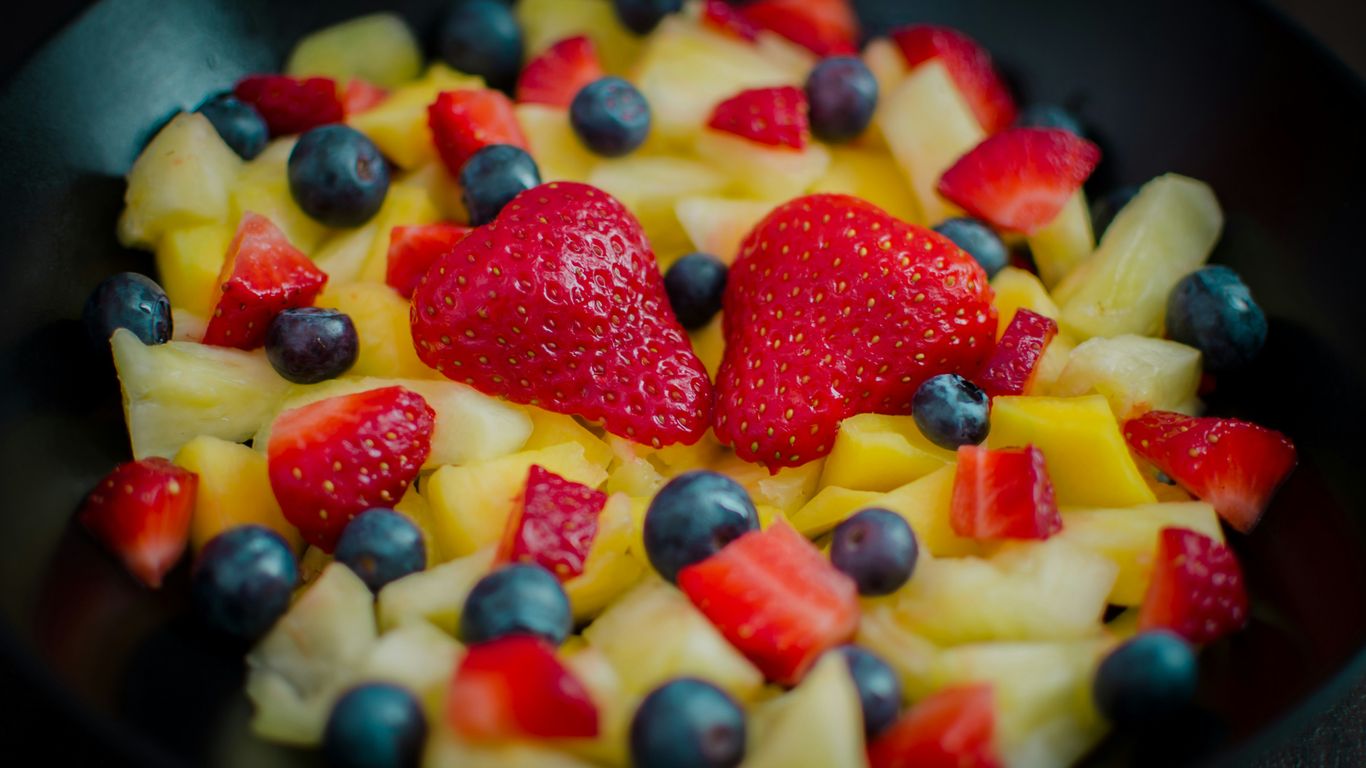
This location serves up a version that highlights the crunch of freshly sliced jicama and cucumber. The sauce here relies heavily on balanced fermented prawn paste, which provides a depth of flavor that is neither too salty nor too overwhelming.
| Ingredient Type | Serving Status | Texture Profile |
|---|---|---|
| Dough Fritters | Crispy | Crunchy |
| Pineapple | Fresh | Juicy |
| Bean Sprouts | Blanched | Refreshing |
These components are expertly combined to create a dish that satisfies cravings any time of day.
4. Balestier Market rojak
Known for its historical charm, this market location provides a nostalgic backdrop for enjoying a classic plate of Chinese-style rojak. The preparation here often follows traditional methods that emphasize the natural sweetness of the fruits chosen for the mix. It is a reliable spot for those who appreciate the subtle nuances of torch ginger in their sauce.
5. Geylang Serai rojak
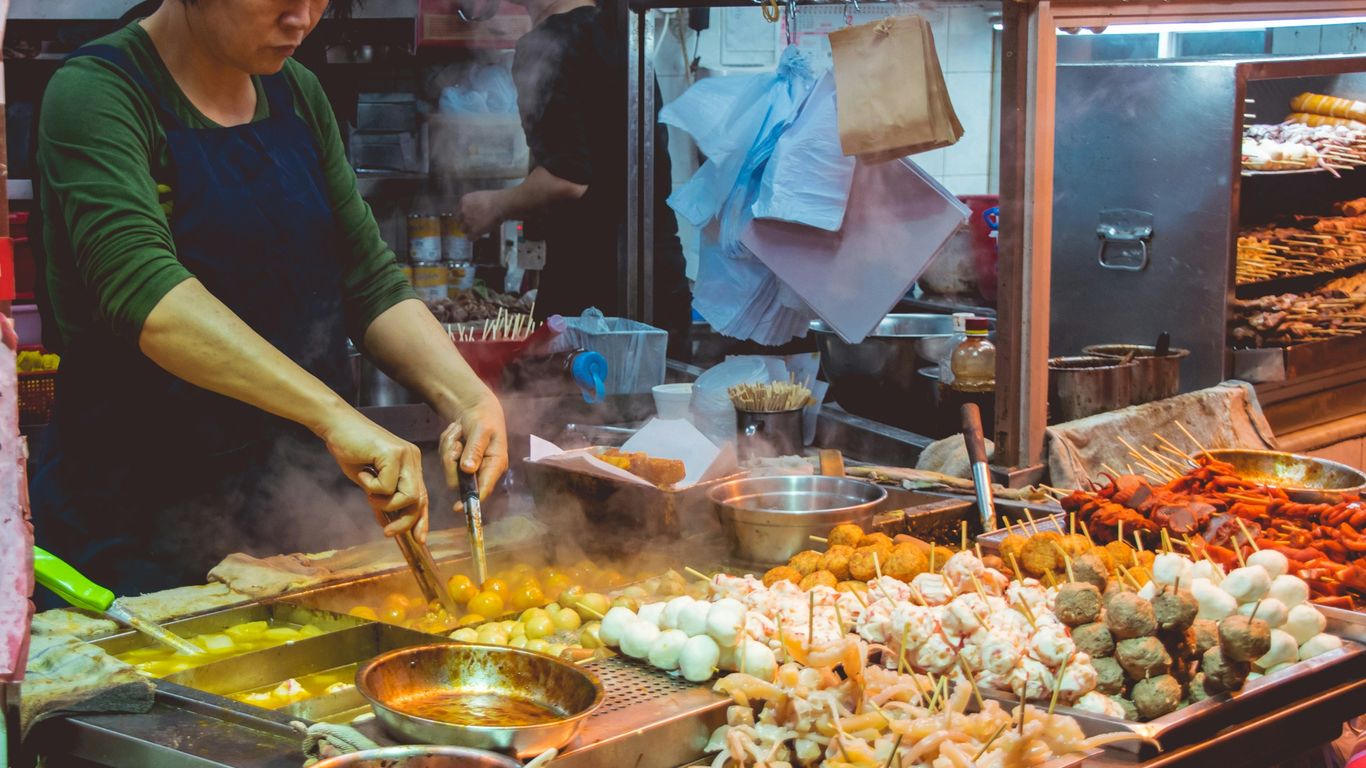
Visiting Geylang Serai Market provides a unique look into Malay-style variations of this popular mixed salad. The emphasis here is on fresh fruits and a slightly tangier dressing profile that contrasts beautifully with the dense, nutty sauce. It remains one of the must-try stops if you are interested in Taste of Singapore guided food experiences.
6. Albert Centre rojak
This bustling centre houses vendors who have been perfecting their signature sauces for decades. Because the stall owners often emphasize manual preparation, each order feels personalized and crafted with care. The consistency of the prawn paste used here is particularly noted for its dark, glossy sheen.
7. Old Airport Road Food Centre rojak
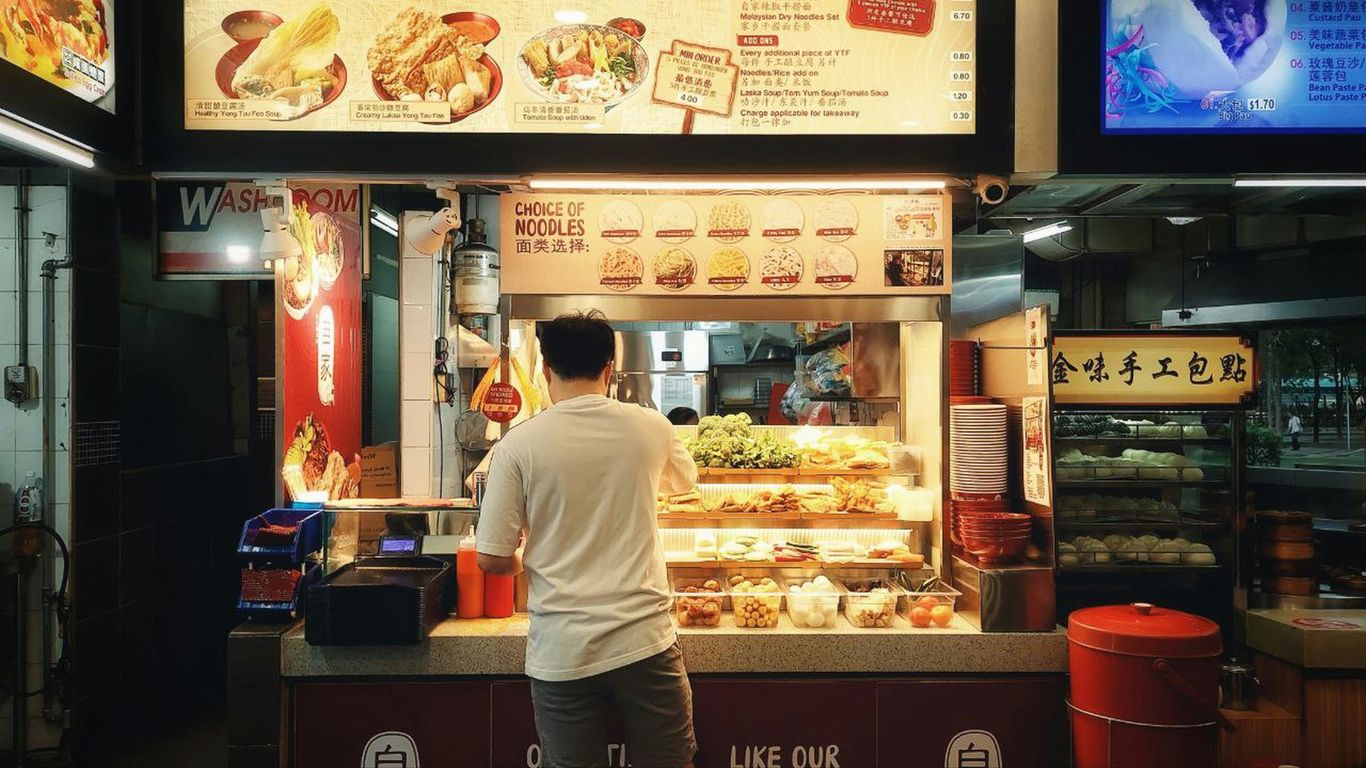
As one of the Old Airport Road Food Centre highlights, the rojak here benefits from the high turnover of ingredients typical of this iconic location. Many locals consider this a pilgrimage site for those chasing the perfect balance of local hawker spices. You can learn more about these heritage dishes through the Taste of Singapore culture programs.
8. Maxwell Food Centre rojak
Maxwell is often associated with high-quality hawker offerings, and its rojak stalls maintain this high bar of excellence. The crispiness of the fried tofu and the freshness of the vegetables make for a light yet flavorful treat. It serves as a perfect afternoon snack while navigating the busy CBD area.
9. Jurong West rojak
Out in the western part of the island, these stalls offer convenience without compromising on the bold flavors expected from a quality rojak. The spice level can often be adjusted upon request, allowing diners to enjoy the dish with their preferred heat. It represents the local neighborhood food culture in a very honest, accessible way.
10. Chinatown Complex rojak
This expansive hawker centre provides a massive array of food options, yet the rojak remains a standout for its authentic preparation. Whether you prefer extra peanuts or a heavier hand with the sambal, the hawkers here are approachable and skilled at meeting various palate preferences. It is an ideal spot to conclude a day of food exploration.
Conclusion
Exploring these various rojak spots offers a flavorful window into the diverse textures and ingredients that make Singapore’s hawker scene so special. By seeking out the stalls that prioritize fresh produce and balanced sauces, you can easily satisfy your cravings for this iconic local dish while supporting the heritage of our vibrant food culture.
Frequently Asked Questions
What are the main ingredients in Chinese rojak?
Chinese rojak typically features a base of dough fritters, fried tofu, cucumber, jicama, and pineapple, all tossed in a sweet, savory, and spicy sauce made from fermented prawn paste and crushed peanuts.
Why is the sauce for rojak sometimes watery?
Watery sauce often results from using fruits that are too succulent, such as overly ripe pineapple, or from incorporating too much lime juice or water into the paste during preparation.
Is rojak generally considered a spicy dish?
Yes, most traditional versions of rojak are spicy due to the inclusion of sambal or chili paste in the sauce, though you can often request to adjust the spice level to your preference.
Does rojak contain any meat or seafood?
Traditional rojak is typically vegetarian, though the sauce contains fermented prawn paste, which provides a strong umami flavor but is not suitable for strictly plant-based diets.
How should I store leftover rojak?
It is highly recommended to eat rojak immediately after it is prepared, as the fritters lose their crispiness and the vegetables release water into the sauce if kept for a long period.
What is the purpose of adding torch ginger bud?
Torch ginger bud, or bunga kencong, is used to provide a unique, aromatic, and slightly floral fragrance that cuts through the richness of the sweet and savory prawn paste sauce.
Which time of the day is best for getting fresh rojak?
Visiting during peak lunch or dinner hours is usually best because the high flow of customers ensures that all ingredients, especially the fritters and tofu, are consistently refreshed.