
Key Takeaways
Exploring the floral emblem of Singapore reveals a story of hybrid roots and national identity.
- The Vanda Miss Joaquim is a resilient orchid hybrid.
- It represents the multi-cultural diversity of the nation.
- Year-round blooms mirror the country’s sunny climate.
- Proper care involves consistent sunlight and moisture.
- It serves as a vital icon in national landscape planning.
Botanical profile of Vanda Miss Joaquim
Understanding the biology of this orchid requires looking at its unique classification and role. It stands as a testament to the skill of early local horticulturists in Singapore.
Taxonomic classification and scientific naming
The plant was historically classified within the Vanda genus before modern taxonomy shifted its categorization. Today, researchers often identify this bloom as Papilionanthe Miss Joaquim, highlighting its close relationship to specific terrestrial orchid groups.
Distinctive physical characteristics and morphology
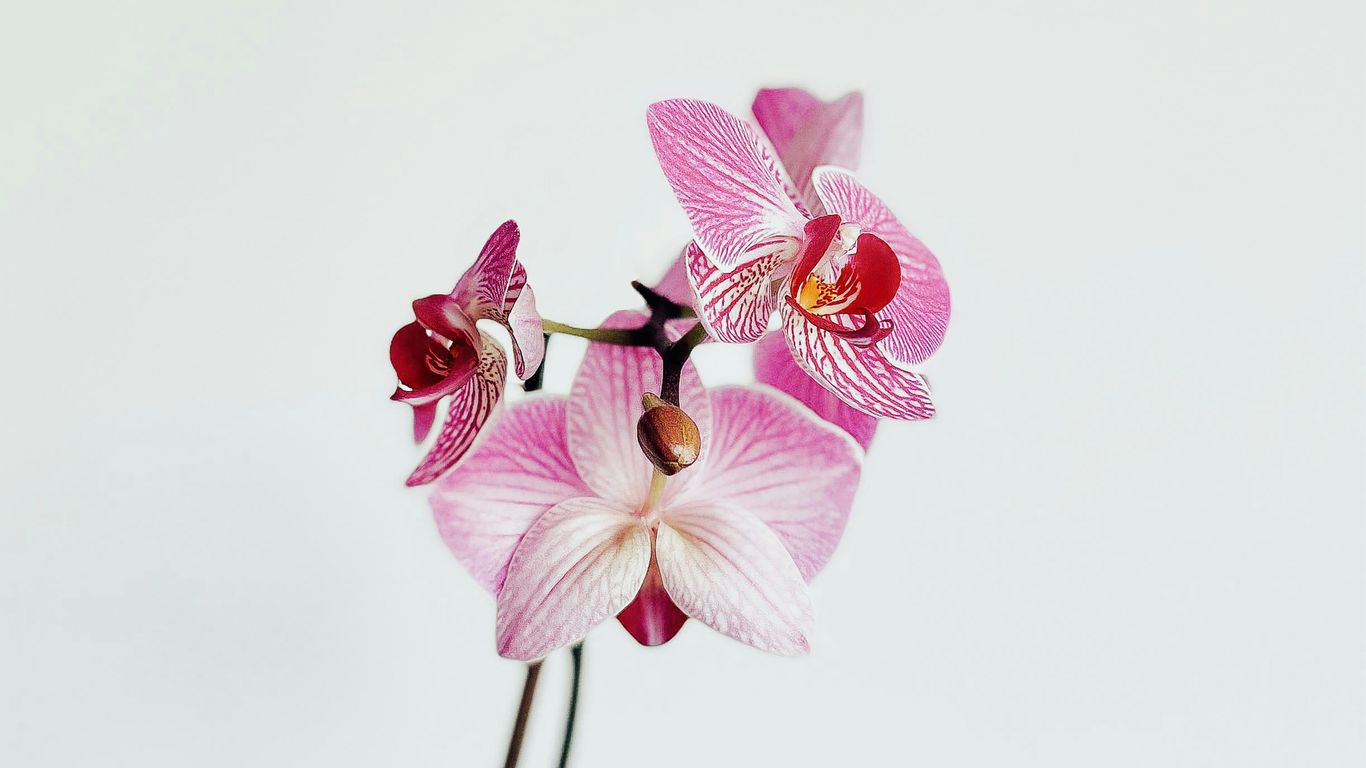
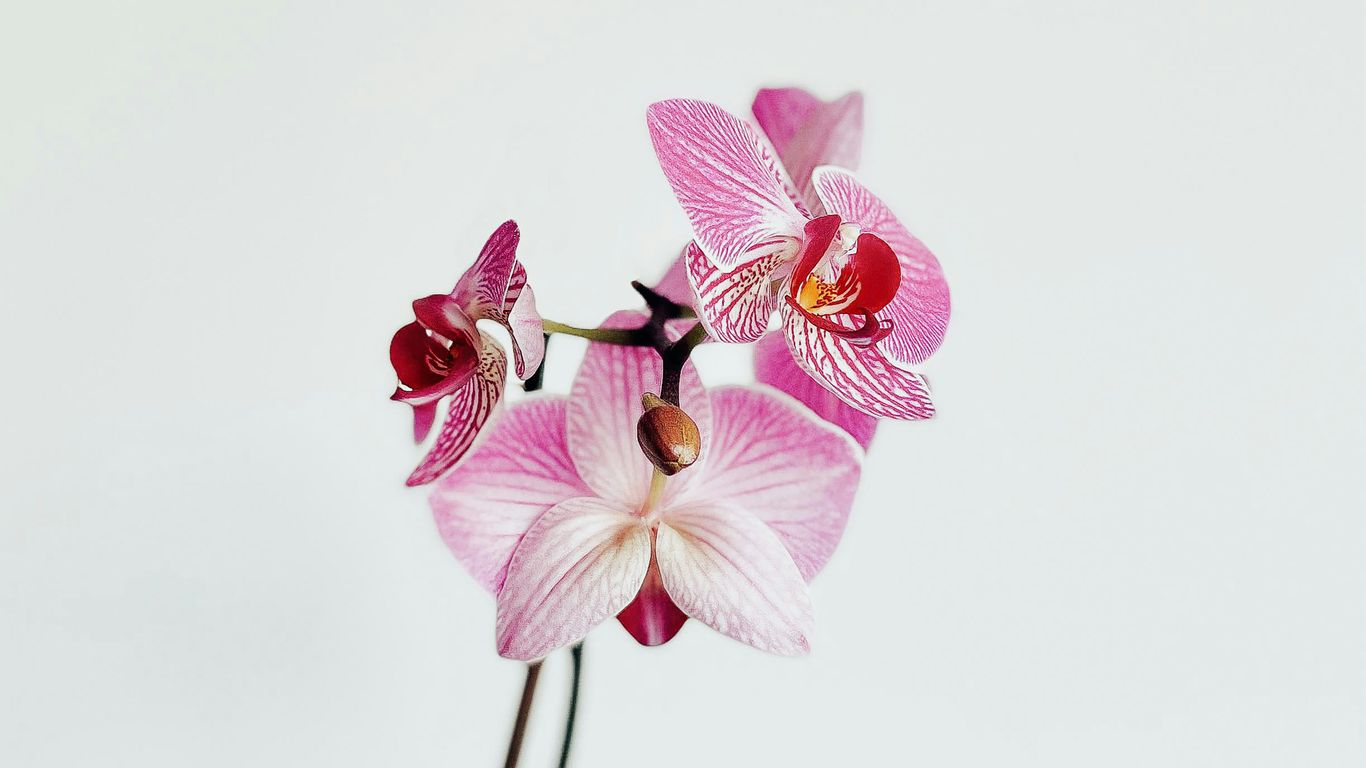
This orchid displays long, thin stems that can reach impressive heights when grown under ideal conditions. The flowers typically feature vibrant purple and pink hues, characterized by prominent, wing-like petals that provide a distinctly beautiful visual appeal for onlookers at any public garden. Each bloom typically persists for several days, contributing to the flower’s reputation for visual longevity.
The unique hybrid origin of the orchid
Historical records indicate that the orchid originated from a rare cross-breeding event in the late 19th century. As the Papilionanthe Miss Joaquim is a result of crossing two distinct species, it perfectly bridges the gap between different floral lineages. This hybridization process laid the groundwork for future botanical study in the region.
Genetic traits and phenotypic variants
Recent studies indicate that the hybrid manifests specific growth traits inherited from both parent species. Phenotypic variations sometimes appear depending on the local soil mineral content and the amount of direct light exposure the plant receives during its development stages.
History behind the national selection
Choosing a floral representative for a young nation involves balancing historical precedence with modern ideals. The selection process reflected a deep desire to capture the spirit of the people through nature.
The search for a symbol in 1981
Government officials tasked themselves with finding an emblem that could resonate with every citizen. They sought a plant that was not only aesthetically pleasing but also hardy enough to withstand the local environment.
Competition criteria and nomination process
Several local species were evaluated based on their resilience, ability to bloom throughout the year, and historical significance to the island. Committees assessed the public appeal of each candidate to ensure the chosen flower would be embraced by all communities.
Notable rival species considered for the title
Experts reviewed various indigenous and introduced species during the nomination phase to find the best match for the national brand. While other orchids were considered for their rarity, they often lacked the consistent blooming or robust nature of the eventual winner.
Reasons behind selecting a resilient hybrid
Beyond aesthetics, the hybrid was chosen because it thrives in the local climate without requiring intensive artificial support. The national flower of singapore fits the profile of a small but resilient state that continues to punch above its weight on the global stage.
Horticultural care and growth habits
Maintaining the health of this orchid requires an understanding of its specific environmental preferences. It is important to mimic its native tropical conditions to ensure it remains healthy and vibrant.
Sunlight requirements and temperature tolerance
This plant thrives in full sun, where the abundant light triggers the production of high-quality flowers. When temperatures remain consistently warm, the orchid produces new vegetative growth, provided the humidity levels stay within a moderate range.
Optimal watering and medium conditions
Providing a loose, well-draining medium is essential for preventing root rot and ensuring the plant can access nutrients. Gardeners often use specific schedules to keep the root system properly hydrated without causing waterlogging.
| Component | Role | Suggested Frequency |
|---|---|---|
| Watering | Maintain hydration | Daily or as needed |
| Fertilisers | Nutrient supply | Provide fortnightly |
| Repotting | Fresh substrate | Every two years |
Regular adherence to these maintenance practices ensures that the plant develops healthy vines and produces regular flowering spikes.
Management of common orchid pests and diseases
Proactive management helps prevent the common issues that often impact tropical plants grown in dense urban environments. Gardeners must remain vigilant in their care routines to maintain plant vitality.
- Regular monitoring for mealybugs on leaves.
- Proper air circulation to prevent fungal growth.
- Immediate removal of infected plant material.
- Application of neem oil for natural remedy.
Following these simple steps keeps the plant thriving even in urban garden zones.
Propagation techniques for home growers
Propagation usually involves stem cuttings, which are then placed in a clean medium to take root. This process allows hobbyists to expand their collection of this iconic flower while ensuring the genetic integrity of the original hybrid remains intact.
Symbolism in the Singapore identity
As the nation grew, the orchid became a central part of its visual language. It signifies the success of a modern, multi-cultural society that brings together different traditions into a cohesive whole.
Representation of the nation’s resilience and multi-cultural growth
Just as farmers must protect their livelihood with specialized policies, the state uses the flower to signify its dedication to long-term national endurance. The hybrid nature of the orchid is a metaphor for the diverse community that defines the local population.
Integration into national branding and state events
Whether it is used in diplomatic gifts or displayed at major state events, the orchid is synonymous with the nation’s identity. It acts as a bridge, connecting the country’s botanical heritage with its forward-looking ambitions.
Usage in currency designs and commemorative stamps
Artists frequently incorporate the orchid into official designs for legal tender and postage. These items serve as cultural ambassadors, carrying the message of national identity across borders into the hands of people worldwide.
Cultural significance in public displays and gardens
Visitors can often find impressive arrangements at Fort Canning Park, where the history of the island meets natural beauty. Such spaces invite citizens to learn about their roots while enjoying the calm of a lush tropical environment.
Conservation and research initiatives
Ongoing study ensures that the plant thrives for future generations to enjoy. Modern scientists use updated techniques to safeguard the genetic wealth of this precious hybrid.
Advancements in genome sequencing
Research teams are currently looking at the plant’s genome to trace the lineage of the parent species. This work helps scientists understand the mechanisms of hybridization that make this flower so unique.
Efforts to preserve the plant’s genetic heritage
Conservationists work to maintain diverse specimens, ensuring that the legacy of the original plant remains intact. By documenting individual variants, they keep the history of the hybrid alive and accessible for future generations.
Role of the National Orchid Garden in modern study
Experts at the garden conduct continuous observations on the orchid to monitor its health and growth. Their input is crucial for developing policies that support the growth of the species in urban settings.
Sustainable cultivation for future generations
Developing sustainable methods for mass propagation ensures that everyone can enjoy the flower without putting pressure on natural populations. This approach balances the need for public availability with the requirement for responsible environmental stewardship.
Conclusion
The Vanda Miss Joaquim represents more than just a beautiful bloom; it serves as a powerful symbol of Singapore’s success as a hybrid nation that flourishes in its unique geography. If you are interested in exploring the local culture further, book an experience to discover the hidden flavors and botanical wonders that define this vibrant island.
Frequently Asked Questions
Why is the Vanda Miss Joaquim significant to Singapore?
It was chosen as the national flower to represent the island’s multicultural identity and its remarkable ability to thrive as a hybrid.
Can I grow the Vanda Miss Joaquim at home?
Yes, it is possible to grow this orchid at home provided you offer consistent sunlight and a well-draining medium for the roots to thrive.
Does the orchid produce flowers all year round?
This specific hybrid is noted for its ability to bloom continuously if it receives sufficient light and proper care in a tropical climate.
What are the main parent species of the hybrid?
It is the result of a cross between two species: the purple Vanda teres and the bright Vanda hookeriana.
Who was responsible for the initial discovery of the orchid?
Agnes Joaquim, a skilled horticulturist who lived in Singapore at the end of the 19th century, successfully cultivated the first specimen of this hybrid.
Where can I see the Vanda Miss Joaquim in person?
You can find beautiful displays of this orchid at various public parks, botanical gardens, and conservatories throughout the island.
Are there other countries with orchids as symbols?
Yes, several nations including Colombia, Venezuela, and Belize have adopted native orchids to represent their own unique biodiversity and national spirit.