
Key Takeaways
Nasi lemak is a celebrated dish in the region, known for its fragrant coconut rice and bold, savory accompaniments. Understanding the nuances of this meal allows diners to better appreciate the depth of local food traditions.
- The dish centers on rice steamed in coconut milk and pandan leaves.
- A signature sambal provides the essential spicy-sweet backbone for the plate.
- Regional varieties introduce distinct textures and protein choices across Singapore.
- Freshness in fried accompaniments is key to a high-quality experience.
- Eating like a local involves navigating busy hawker settings with confidence.
The history and cultural significance of nasi lemak
Origins of the dish in the Malay archipelago
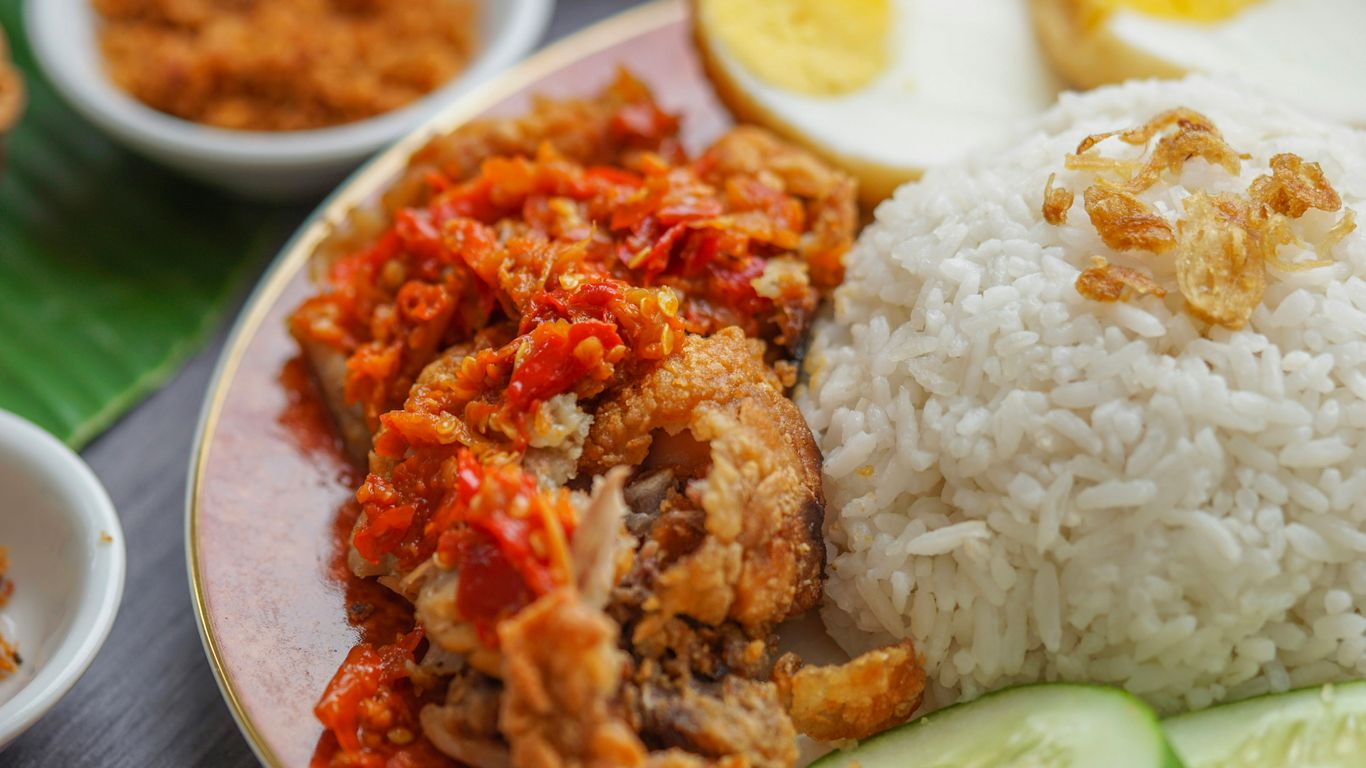
Nasi lemak finds its deep-seated roots in the Malay peninsula, where it evolved from a humble field worker’s meal into a culinary icon. Historically, the components were readily available to local farmers who needed a hearty breakfast to sustain long hours of physical labor under the tropical sun. The combination of coconut milk for satiety and spicy chili for a metabolism boost proved to be a practical and sustainable way to start the day.
Evolution of nasi lemak in the Singaporean culinary scene
As the urban landscape of the city shifted over the decades, the way this dish was prepared and consumed adapted to modern needs. It transitioned from home kitchens to the vibrant hawker culture, becoming a accessible meal for all walks of life. Today, it stands as a cornerstone of the nation’s diverse food heritage that welcomes constant innovation.
Why nasi lemak is considered a national breakfast staple
Countless residents view the dish as the ultimate comfort food that bridges communal divides. Its reliable flavor profile and versatility make it an essential morning choice. Whether eaten quickly on the way to work using traditional parceling methods or savored slowly during a weekend outing, the meal remains a constant fixture of daily life.
Key components of a classic nasi lemak
Preparing the coconut-infused rice
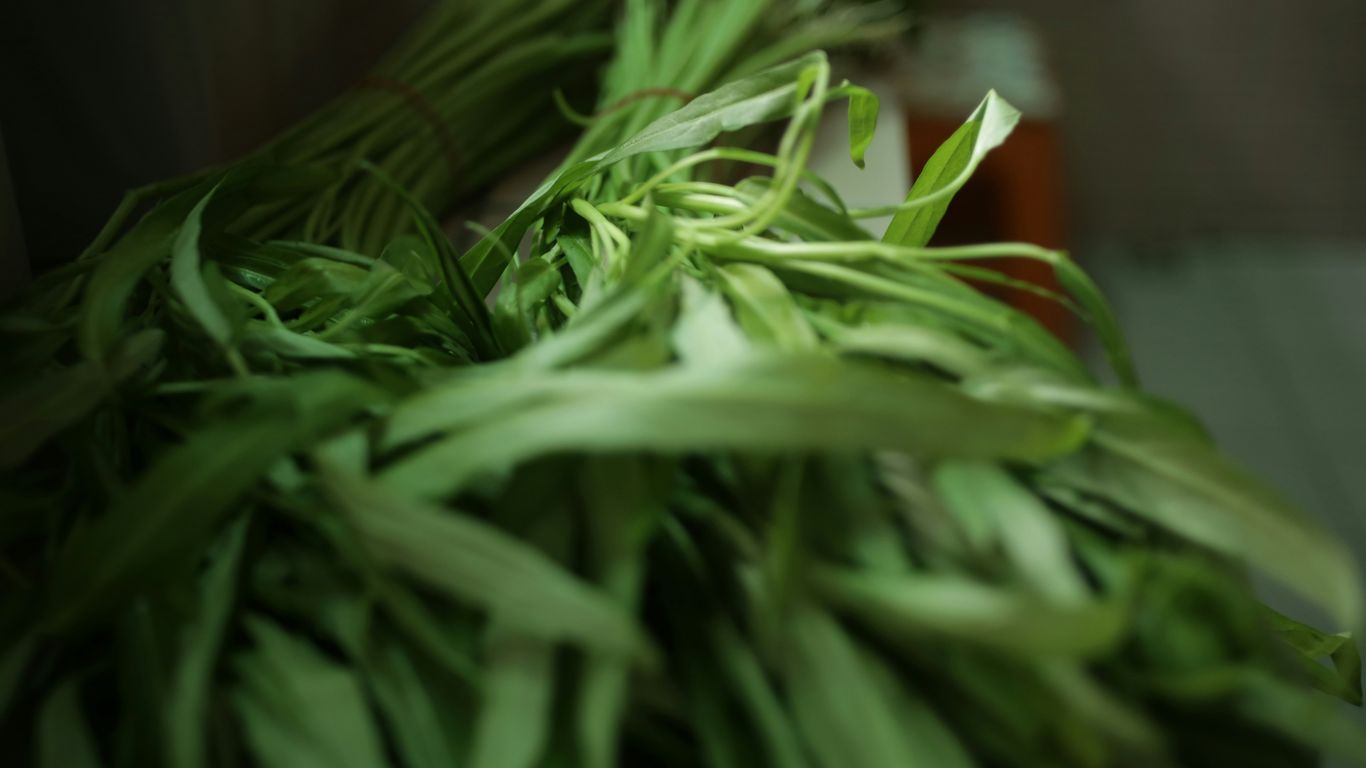
The foundation of any excellent serving lies in the quality of the cooked coconut rice. Achieving the right balance of richness from the fat-rich coconut milk and the subtle, grassy aroma of fresh pandan leaves is an art form. Every grain should be distinct and fluffy, never mushy, ensuring the base can support the intense flavors that follow.
The importance of a well-balanced sambal
A truly great sambal paste provides the spark that ties the heavy coconut rice and fried elements together. It must strike a harmony between heat, sweetness, and savory umami notes, derived from ingredients like shrimp paste and shallots. We have compiled a brief comparison of ideal component pairings below.
| Component | Characteristic | Typical Pairing |
|---|---|---|
| Coconut Rice | Aromatic and fluffy | Ikan bilis and peanuts |
| Signature Sambal | Sweet and spicy | Hard-boiled egg |
| Fried Chicken | Crispy skin | Cucumber slices |
This breakdown helps diners identify what makes a balanced plate. Selecting the right combination is a subjective process that often depends on personal heat tolerance.
Essential side dish accompaniments
Classic sides typically feature crunchy ikan bilis, crispy roasted peanuts, and cooling sliced cucumber. These items serve a functional purpose by adding texture and a light, refreshing contrast to the heavier elements. Their crunch is often the first thing experienced when tucking into a fresh, warm plate.
Common variations in protein pairings
While some purists stick to traditional offerings, many modern takes introduce diverse proteins like otah or fried fish. These protein additions are designed to turn the breakfast staple into a filling lunch or dinner option. Exploring these variations helps locals find their preferred version of nasi lemak singapore.
Distinguishing between regional styles in Singapore
Features of the traditional Malay-style rendition
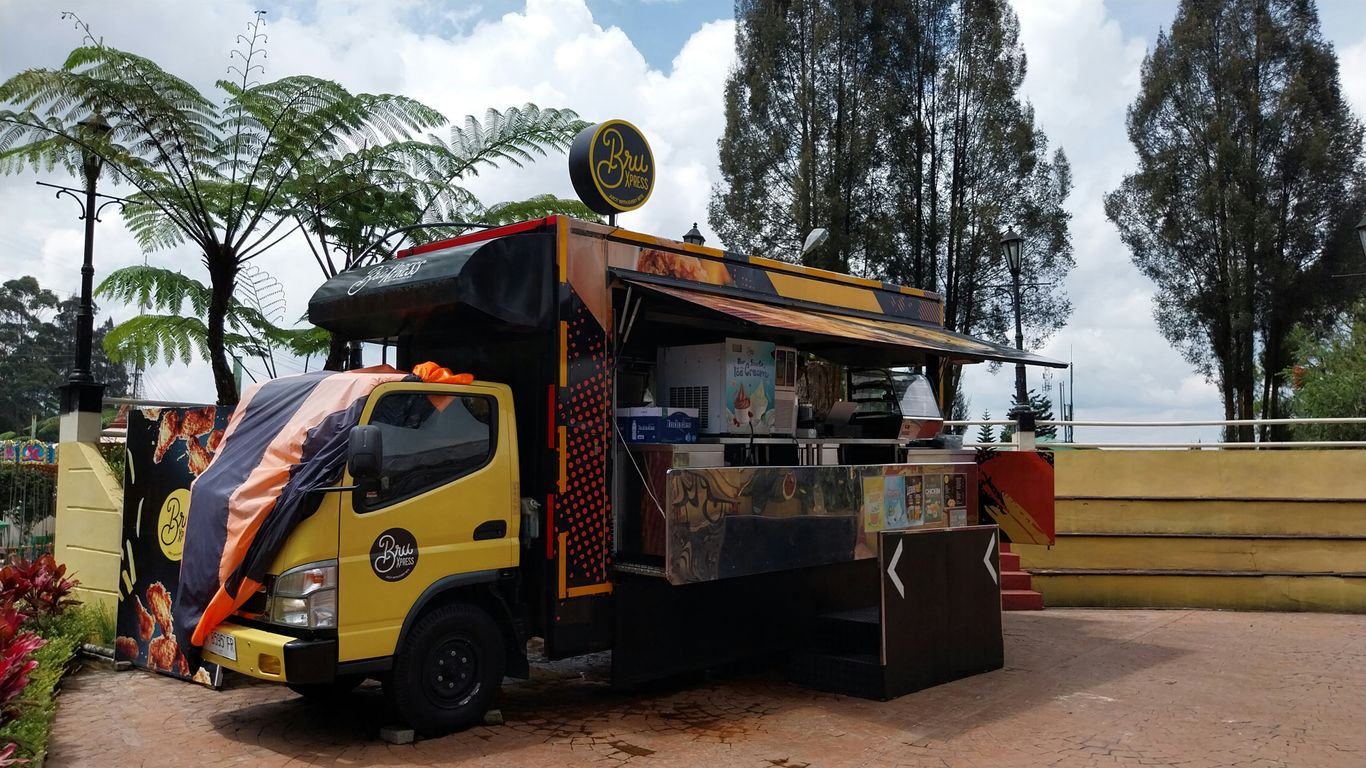
Traditional Malay styles often emphasize a spice-forward sambal and rich, pandan-heavy rice, echoing historical recipes found in Lau Pa Sat. These versions tend to be served wrapped tightly in banana leaf to preserve the heat and infuse the ingredients with a natural earthy aroma. The focus remains on the integrity of simple, high-quality ingredients processed in a way that respects generations of experience.
Characterising popular Chinese-style nasi lemak stalls
Chinese-style interpretations frequently feature a broader buffet-style selection of sides, including hot dogs, luncheon meat, and various battered vegetables. These stalls focus on variety, providing a custom experience where the diner can build their plate piece by piece. This style has gained immense popularity among city workers seeking convenience and a wider range of familiar textures.
The emergence of modern and fusion interpretations
Innovative chefs now incorporate non-traditional elements to appeal to younger crowds and travelers alike. There are several trends currently shaping the local dining experience today:
- Usage of basmati rice for a lighter, more textured base.
- Incorporation of truffle oils or specialized salted egg sauces.
- Utilization of high-end equipment like the Climate Heating & Cooling systems to maintain ingredient quality.
- Integration of sustainable, locally sourced organic produce.
These contemporary shifts show that the dish is constantly evolving. It adapts successfully to new tastes while keeping the core identity of the meal intact.
How preparation methods differ across local hawker centres
Methods vary as much as the locations themselves, influenced by individual stall owners and the specific demographics of the local crowds. Some vendors prefer charcoal for a smokier finish, while others prioritize modern convection-based heat to ensure a consistent, rapid output during rush hours. These choices reflect the specific environmental constraints and stylistic legacy of various popular hubs like Amoy Street Food Centre.
How to choose a high-quality nasi lemak experience
Evaluating the aroma and texture of the rice
A top-tier serving is immediately identifiable by the scent of fresh pandan combined with the subtle richness of coconut. The grains ought to be separate and delicate, indicating they were steamed properly rather than boiled to a mushy consistency. Proper texture ensures the rice serves as a clean canvas for the accompanying potent sambal.
Identifying authentic characteristics of premium sambal
Premium sambal should feel textured and complex rather than overly smooth or one-dimensionally sweet. Look for layers of flavor that emerge as you eat, starting with a hint of onion and finishing with a lingering chili warmth. The consistency should be thick enough to cling to the spoon and rice without being oily or runny.
Essential freshness markers for fried ingredients
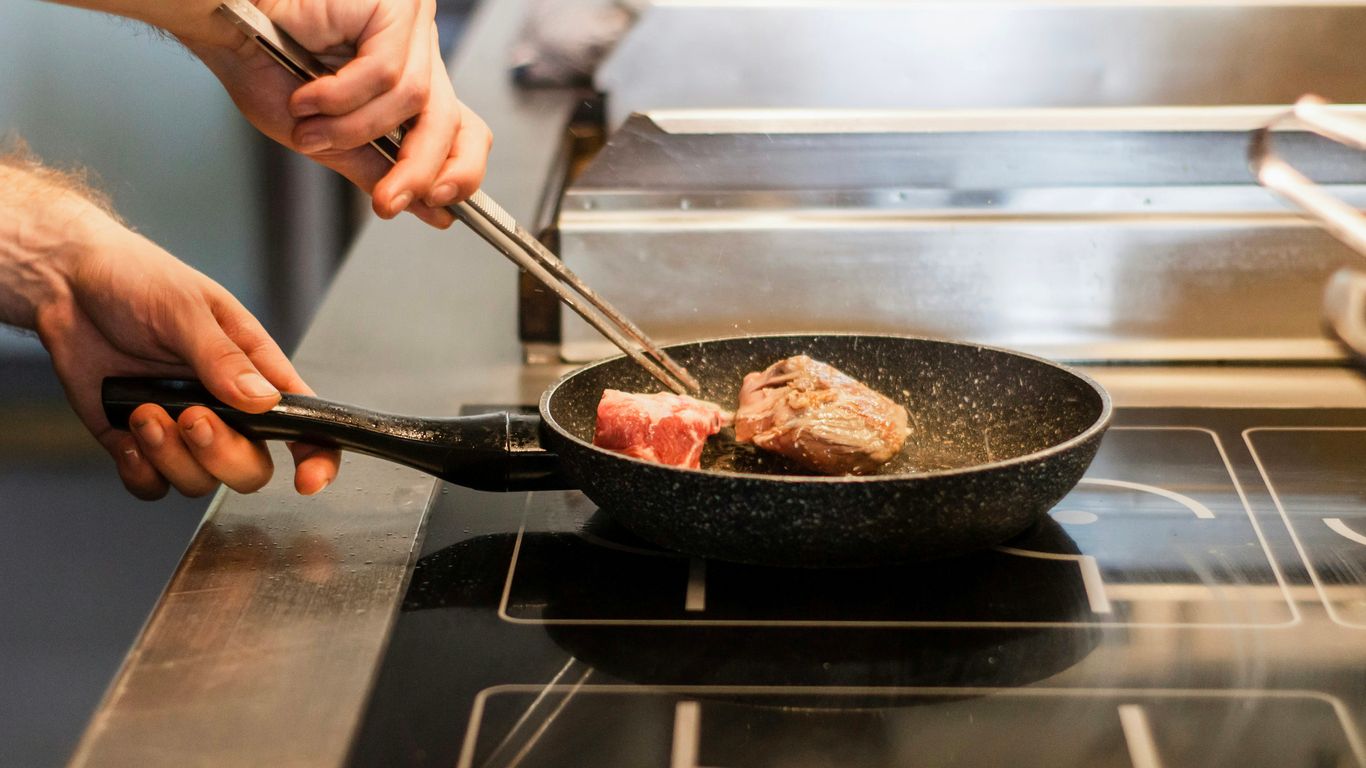
Fried items like chicken wings or ikan bilis must be served warm and retain a specific level of crispiness. If the fried skin feels soft, greasy, or excessively dark, it usually suggests the dish has been sitting for too long under heat lamps. Freshly fried components should be light to the touch with no hint of staleness.
Assessing the balance of flavours in a standard serving
The best plates represent a balance between the cooling, fatty rice and the sharp, fiery notes of the chili paste. It is a subtle interaction where the accompaniments support the central items rather than overwhelming them. When you find the right vendor, the meal feels cohesive, leaving you satisfied without feeling overly heavy or sickly from excessive oil.
Best practices for eating nasi lemak like a local
Ordering techniques at busy hawker centres
Navigating a popular stall requires patience and a clear strategy to ensure you receive exactly what you desire. Observe how the queue moves and have your choice of side dishes prepared in your mind, as the service moves quickly and stalls often operate on high-volume demand. Standing near the front often helps you see what is fresh in the trays.
Balancing spicy elements with complementary drinks
Pairing your plate with a beverage is an essential part of the experience, especially if you have selected a particularly potent sambal. Traditional sweet iced tea or a local lime juice can neutralize the heat effectively, while a warm teh tarik cuts through the richness of the coconut milk. This practice prepares the palate for the next bite.
Etiquette regarding traditional service and packaging styles
If your meal is packed in banana leaf, try to eat it while it is still warm to appreciate the aromatic transfer that occurs during the steaming process. This Book Now method is meant to be casual and portable, often eaten with one hand or a simple spoon. Respecting these traditional service styles honors the functional roots of the, ensuring your meal tastes exactly as intended by the local hawker tradition.
Conclusion
Exploring the depth of this iconic dish provides a gateway into the complex cultural history and vibrant daily life of the city. By paying attention to the quality of the rice, the balance of the sambal, and the freshness of the accompaniments, one can gain a true appreciation for why this humble breakfast stands as a pillar of the local culinary identity.
Frequently Asked Questions
Is nasi lemak meant to be eaten hot?
Yes, it is traditionally served warm to ensure the coconut richness and aromatic properties of the pandan-infused rice are fully experienced.
Can I find vegetarian nasi lemak in the city?
Many stalls offer vegetarian versions that replace anchovies and meat with substitutes like tempeh, tofu, and assorted vegetable fritters to maintain the classic flavors.
Why is the rice often served in a triangle?
The triangular shape is a traditional way to wrap portions in banana leaves, which helps keep the contents warm and infuses them with a distinct herbal aroma.
How spicy is the sambal usually?
The heat level can vary significantly between stalls; some versions are very sweet, while others are intentionally fiery to wake up the palate for the morning.
Is it common to eat this for dinner?
While originally a breakfast staple, the dish has become popular at all hours of the day, with many hawkers serving it as a dinner or late-night comfort meal.
What are the main cultural origins of the dish?
It is deeply rooted in Malay cuisine and has become a shared heritage across the region, including significant culinary influence throughout Singapore and Malaysia.
Should I use silverware to eat it?
While you can certainly use a spoon and fork, it is often traditionally eaten with the right hand or just a spoon in a casual hawker setting.