
Key Takeaways
- Little India is a culinary treasure trove featuring diverse South Indian and North Indian traditions, from early morning breakfast rituals to late-night suppers.
- Must-try dishes include banana leaf meals, crispy dosas, and fragrant biryanis, often served with a variety of rich curries.
- Street snacks like vadai and samosas are essential for an authentic afternoon experience, paired perfectly with refreshing beverages.
- Dining here is often communal and tactile; understanding local customs like hand-eating adds depth to the cultural experience.
- For a deeper connection to the local history, booking a guided food tour with local experts helps uncover the most authentic hidden gems.
Traditional breakfast favourites
Starting your day in this vibrant district is an exploration of heritage and bold, spice-forward profiles that have stood the test of time. Local residents gather early at bustling coffee shops to break their fast with dishes that fuel the busy cityscape. The atmosphere is distinct, defined by the clatter of steel plates and the rhythmic pouring of frothy beverages.
Authentic idli and dosa spots
Light, fermented rice cakes known as idli and thin, crispy crepes called dosa are the gold standard for a traditional start. These fermented batter specialties are usually served with a side of coconut chutney and a tangy sambar that brings out the subtle sourness of the grains. You will find that the best spots focus on the texture of the batter, achieving a signature crunch that pairs well with the soft, steamed interiors of the idli.
Morning rituals with South Indian filter coffee
Nothing beats the aroma of freshly brewed South Indian filter coffee, a rich and milky concoction served in a traditional stainless steel tumbler. The technique involves a brass filter that extracts a heavy, aromatic concentrate, which is then beaten with hot, frothed milk to create a perfect morning warmer. It is a humble but potent ritual, and exploring Singaporean food traditions often begins with this iconic beverage.
Best venues for crispy roti prata
Crispy roti prata is a flatbread masterpiece, folded during the pan-frying process to create layers that range from flaky and airy to slightly chewy. It is served with curry—fish, chicken, or dhal—and allows for a customized experience based on your spice tolerance. Watching the chefs stretch the dough with Taste of Singapore guided insights is a performance in itself, highlighting the care put into simple ingredients.
Lunchtime staples and regional delicacies
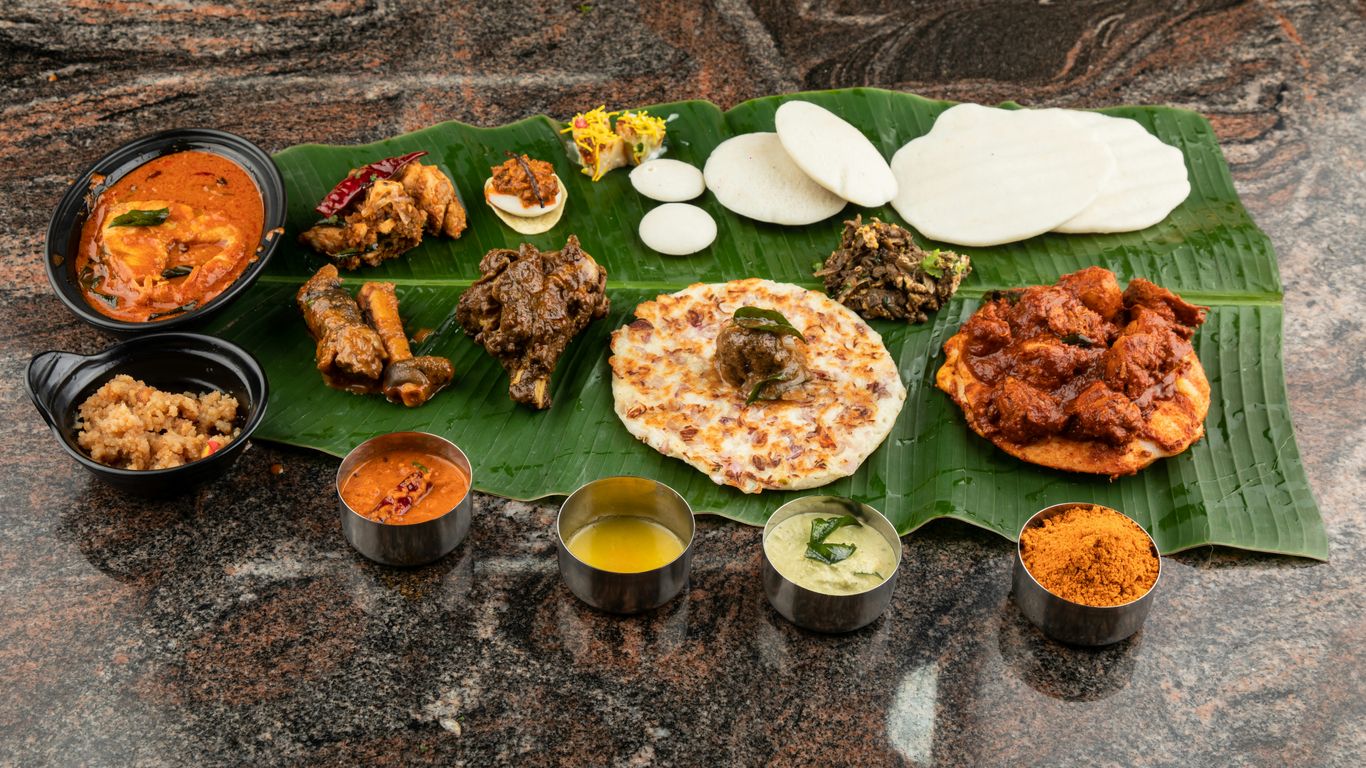
Mid-day serves as the primary window to experience the full breadth of the district’s complex flavor profiles. The intensity of lunch menus highlights the differences between regional culinary techniques, ranging from the heat of the south to the creamy richness of the north. Diners often flock to these establishments to enjoy a substantial meal that sustains them for the remainder of the afternoon.
The complete banana leaf rice experience
Banana leaf rice is a quintessential communal meal, where piping hot rice is served on a fresh leaf alongside a variety of side dishes, vegetables, and pickles. You are encouraged to customize your mix of curries, often resulting in a distinct kaleidoscope of layered spices that represent the depth of the kitchen’s craft. The meal is intended to be enjoyed slowly, often leading to a satisfied, quiet reflection after the final bite.
North Indian versus South Indian dining styles
Distinguishing between these two styles allows visitors to better navigate the local restaurant landscape. The following table provides a breakdown of what to expect when choosing where to dine.
| Style | Primary Base | Typical Flavor Profile | Popular Dish |
|---|---|---|---|
| South Indian | Rice & Lentils | Tangy, Spicy, Coconut-heavy | Masala Dosa |
| North Indian | Wheat & Dairy | Rich, Creamy, Nutty | Butter Chicken |
| Fusion | Varied | Balanced and Adaptable | Curry Rice |
By comparing these fundamental elements, you can decide whether you want a lighter, fermented meal or a more decadent, dairy-forward one. This distinction is vital for anyone looking to fully map out their food itinerary across the city.
Finding affordable vegetarian set meals
Vegetarian lunch sets are incredibly accessible, offering a complete balance of protein and fibers through dal, vegetable curries, and regional breads. These meals are designed for daily sustenance, focusing on nutrition and home-style cooking rather than excessive ornamentation. For those interested in plant-based choices, learning about vegetarian food scenes is a great way to discover healthy, budget-friendly dining across the district.
Afternoon treats and traditional sweets
As the afternoon heat peaks, the streets come alive with vendors specializing in snacks and sweets that provide a necessary sugar or salt boost. This is the time of day to wander through the side streets and find stalls that have been operating for generations. The focus here shifts from main courses to small-batch items that showcase artisanal confectionery skills.
Famous dessert shops for gulab jamun and jalebi
Sweets shops display a rainbow of syrup-drenched treats that satisfy even the most demanding sweet tooth. Gulab jamun, soft milk-solid balls soaked in rose-scented syrup, are a must, alongside jalebi, which are crispy, orange-hued coils of fried batter. These shops are a staple of Taste of Singapore recommendations for those wanting to bring a bit of the district’s sweetness home.
Street-style savoury snacks like vadai and samosas
Savoury street snacks provide an essential contrast to the afternoon sugar intake and are best eaten fresh from the fryer. Common options include:
- Vadai: Savoury doughnuts made from spiced lentil batter that are satisfyingly crunchy on the outside.
- Samosas: Golden triangular pastries stuffed with a savory filling of potatoes, peas, and crushed spices.
- Pakora: Assorted deep-fried vegetables coated in a light, spiced chickpea flour batter for a snackable treat.
These bites are perfect for mobile snacking while you walk the historic corridors and admire the shophouses that define the neighborhood character.
Cooling beverages to combat the tropical heat
To manage the afternoon humidity, a variety of refreshing beverages such as salted lassi or chilled rose milk are available at roadside stalls. These drinks function as both a treat and a remedy, using yogurt, milk, or cooling syrups to neutralize the residual heat from your earlier curry dishes. They reflect the ingenuity of local dining, where every flavor is balanced by an opposing, complimentary element.
Dinner options and sit-down dining
Evening dining in the district transitions toward sit-down experiences that prioritize leisurely pacing and more sophisticated preparation methods. This is when the tandoor ovens really get to work, producing smoky, charred meats and breads that benefit from a slower cooking environment. Many local institutions invite you to relax and enjoy the evening atmosphere.
Tandoor-oven specialties and fragrant curries
Specialties emerging from the tandoor oven often include marinated meats that have absorbed the aromas of ginger, garlic, and yogurt overnight. When served alongside complex, multilayered curries, these dishes provide a hearty finish to the day. The Taste of Singapore experience emphasizes these slow-cooked delights as the cornerstone of a proper, sit-down neighborhood dinner.
Must-visit fine dining establishments
For those seeking a more elevated culinary adventure, several restaurants offer refined interpretations of regional recipes in air-conditioned comfort. These venues maintain the soul of the traditional recipes while applying modern standards of presentation and sourcing. It is an excellent contrast to the casual street dining typically found just a few blocks away.
Late-night curry houses for evening crowds
As the night progresses, the focus shifts to establishments that serve nocturnal crowds with hearty platters meant to soak up the day’s events. These houses are famous for their consistent quality and ability to handle large, hungry groups arriving well past traditional dinner hours. Finding a good late-night spot is a rite of passage for every local food enthusiast.
Navigating the Little India dining scene
Effective navigation is the difference between a frustrating trip and a memorable culinary journey. Understanding how the environment works requires being flexible and observant, especially during high-traffic periods. By following a few simple guidelines, you can ensure your visit runs smoothly from start to finish.
How to manage queues at popular eateries
Popular spots often feature shifting lines, and the best strategy is to embrace the local pace. If you see a queue, it is usually a sign of quality, so utilize that time to observe the process or chat with other diners. Staying patient and ready to order ensures that you are prepared when your turn at the counter finally arrives.
Etiquette for eating with your hands
Eating with your right hand is a traditional and highly encouraged practice that connects the diner directly to the texture of the grain and curry. It is not just about convenience; it is about respecting the food’s assembly and ensuring you can judge the temperature of the rice before eating. Keep in mind that the left hand is generally reserved for non-food tasks.
Tips for identifying the freshest daily specials
Many vendors operate on a first-come, first-served basis, with daily specials reflecting the ingredients found at the markets that morning. Look for the stalls that are busy but have limited pre-made display cases, as this often indicates they are rotating their dishes based on fresh supply. Engaging with the staff can often lead to recommendations that aren’t on the written menu.
Conclusion
Exploring the vast landscape of Little India is a journey that rewards curiosity, patience, and an open palate. From the simplicity of a morning coffee to the complexity of a late-night shared curry, every bite tells a story of tradition, migration, and the evolution of taste. Whether you are a first-time visitor or a regular looking for your next meal, there is always something new to uncover in this vibrant corner of the city.
Frequently Asked Questions
What is the best time of day to sample Little India food?
Visiting during the transition between late morning and early afternoon is ideal, as most stalls are fully stocked with fresh dishes, and the streets are vibrant without being overly crowded.
Are the restaurants in this area mostly vegetarian?
While there is an exceptionally strong focus on vegetarian cuisine due to cultural traditions, most restaurants provide extensive menus that include lamb, chicken, and seafood selections.
Do I need to make a reservation for most restaurants?
For casual hawker centers or street-side shops, reservations are generally not possible or needed, but they are recommended for formal fine-dining establishments in the area.
Is it common for shops to have specific days off?
Yes, many family-run eateries operate on schedules that include closing on certain weekdays, so it is always wise to check local listings before heading out.
Can I pay with credit cards at all street stalls?
While digital payments and cards are becoming common, it is still standard practice to keep some cash on hand, as some smaller traditional stalls may only accept cash payments.
How spicy should I expect the food to be?
Spiciness levels vary highly between dishes and regions, but most establishments are happy to accommodate requests to adjust the intensity of the chilis used in your meal.
Are there options for children in these eateries?
Most eateries are family-friendly and offer milder dishes that are suitable for children, such as plain rice, yogurt-based sides, or breads like roti prata that are not heavily spiced.