
Key Takeaways
Visiting this historic culinary landmark offers a unique window into Singapore’s culture and Victorian heritage.
- Explore the distinct architectural legacy of one of Southeast Asia’s oldest cast-iron buildings.
- Sample a wide array of local hawker specialties ranging from Hainanese chicken rice to local satay.
- Plan your trip to include the legendary evening closure of Boon Tat Street for open-air dining.
- Leverage public transit options like nearby MRT stations to navigate the busy central business district efficiently.
- Utilize digital payment methods or cash to enjoy a variety of international and regional dining options available.
History of Lau Pa Sat
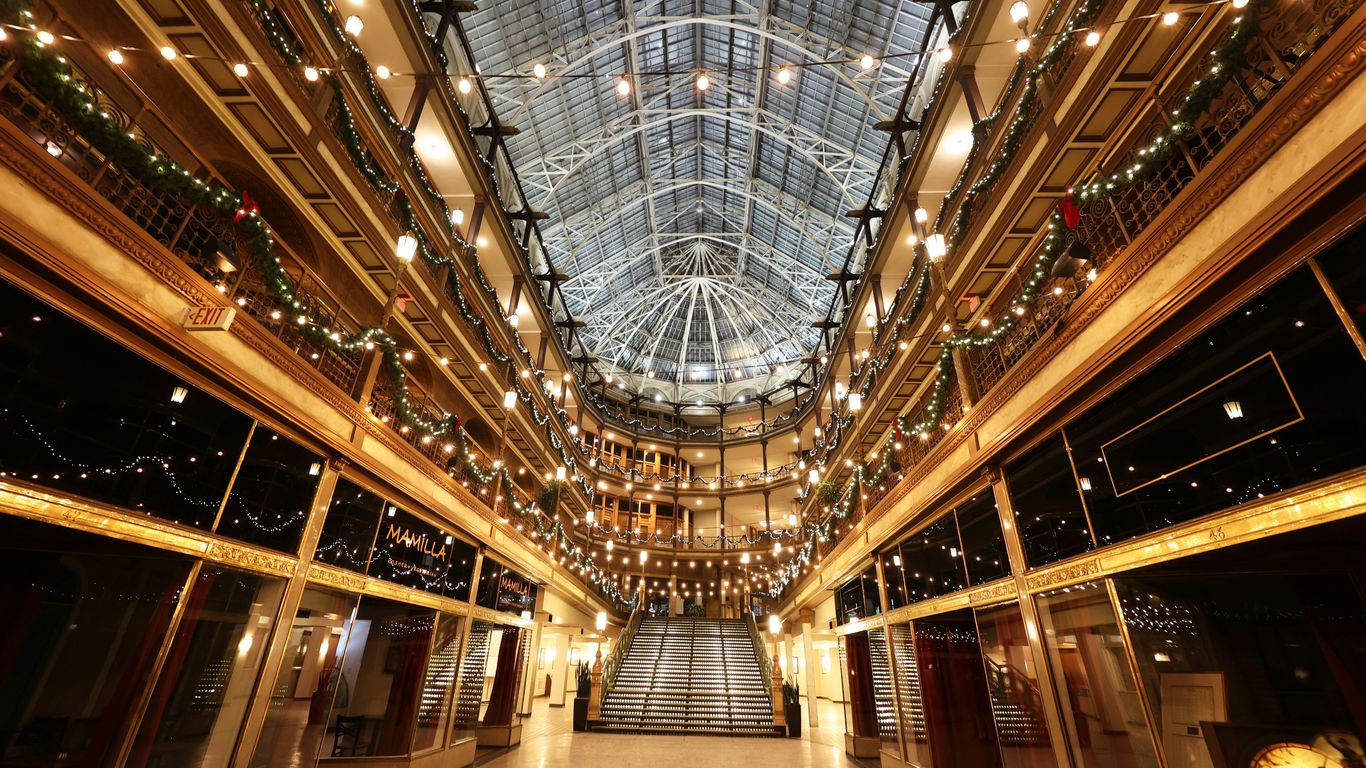
The Victorian origins of Telok Ayer Market
The market traces its roots back to the early 19th century when it served as a primary fish market on the waterfront for the people of colonial Singapore. In the Victorian era, the need for a more permanent structure led to the commissioning of an ornate design by municipal engineer James MacRitchie. The building arrived in sections from Glasgow before being assembled on-site to serve the thriving trade district.
Architectural significance of the cast-iron structure
This structure remains one of the few examples of pre-fabricated cast-iron design surviving in the region today. The intricate spires and open-air layout were specifically chosen to encourage air circulation, keeping the interior cool despite the tropical heat. Over the years, the building’s aesthetic status has been preserved as it remains a highly regarded local landmark.
Transition from a traditional wet market to a modern food centre
Following the reclamation of the surrounding bay, the market outgrew its original function as a fish stall hub. It eventually transitioned into the modern food centre that today welcomes thousands of visitors looking to taste authentic local flavours. The site continues to stay relevant by updating its facilities while respecting the historic character that defines its national monument status.
Navigating the food stalls
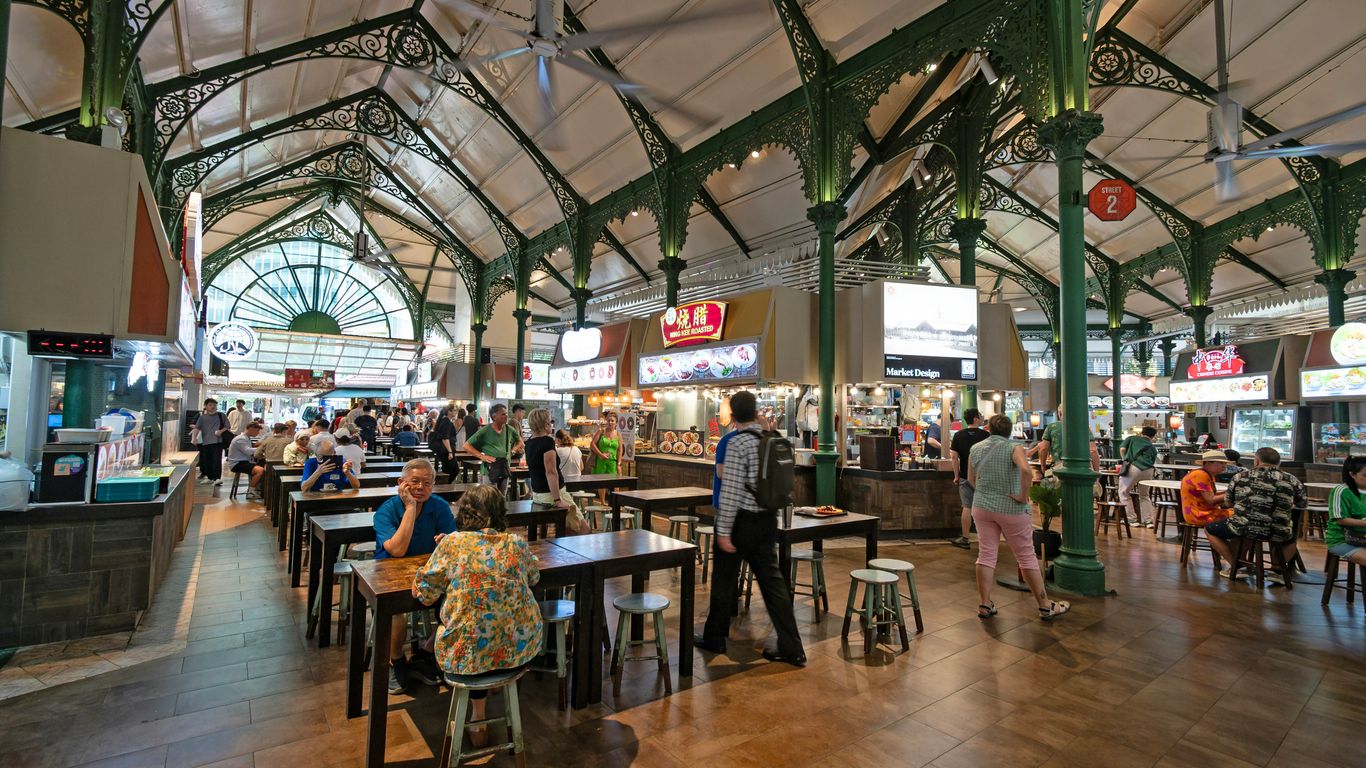
Diversity of Singaporean hawker cuisine available
The sheer variety of dishes on offer here can be overwhelming for a first-time visitor. Local workers often head straight for reliable staples like laksa, mee goreng, or Hainanese chicken rice, which are prepared by vendors who have spent decades perfecting their recipes.
| Food Category | Characteristic | Recommended Dish |
|---|---|---|
| Local Hawker | Essential Singapore | Chicken Rice |
| Seafood | Fresh Grilled | Chili Crab |
| Regional | Spicy/Sour | Laksa |
The diversity observed at the stalls is a direct reflection of the melting pot of cultures found across the city, ensuring there is a dish for every palate.
Regional specialties and international dining options
Beyond traditional local plates, visitors will find a range of global cuisines. It is common to see stalls offering authentic Vietnamese pho, Korean bibimbap, or even Mediterranean kebabs sitting side-by-side with heritage sellers. This mix provides an accessible way to experience international flavors without leaving the vibrant atmosphere of the district.
Tips for finding seating during the busy lunch rush
Finding a seat when the office workers descend on the market can be a tricky task. It pays to arrive shortly before the peak hour or linger near tables where diners look finished with their meals. To make the most of your delicious local dining experience, we recommend the following strategies:
- Look for the small cleaning carts that signal quick table turnover.
- Consider visiting slightly earlier than the conventional midday rush.
- Share communal tables if you are dining in a smaller group.
- Keep an eye out for vacant spots in the peripheral corners of the hall.
The famous Satay Street experience
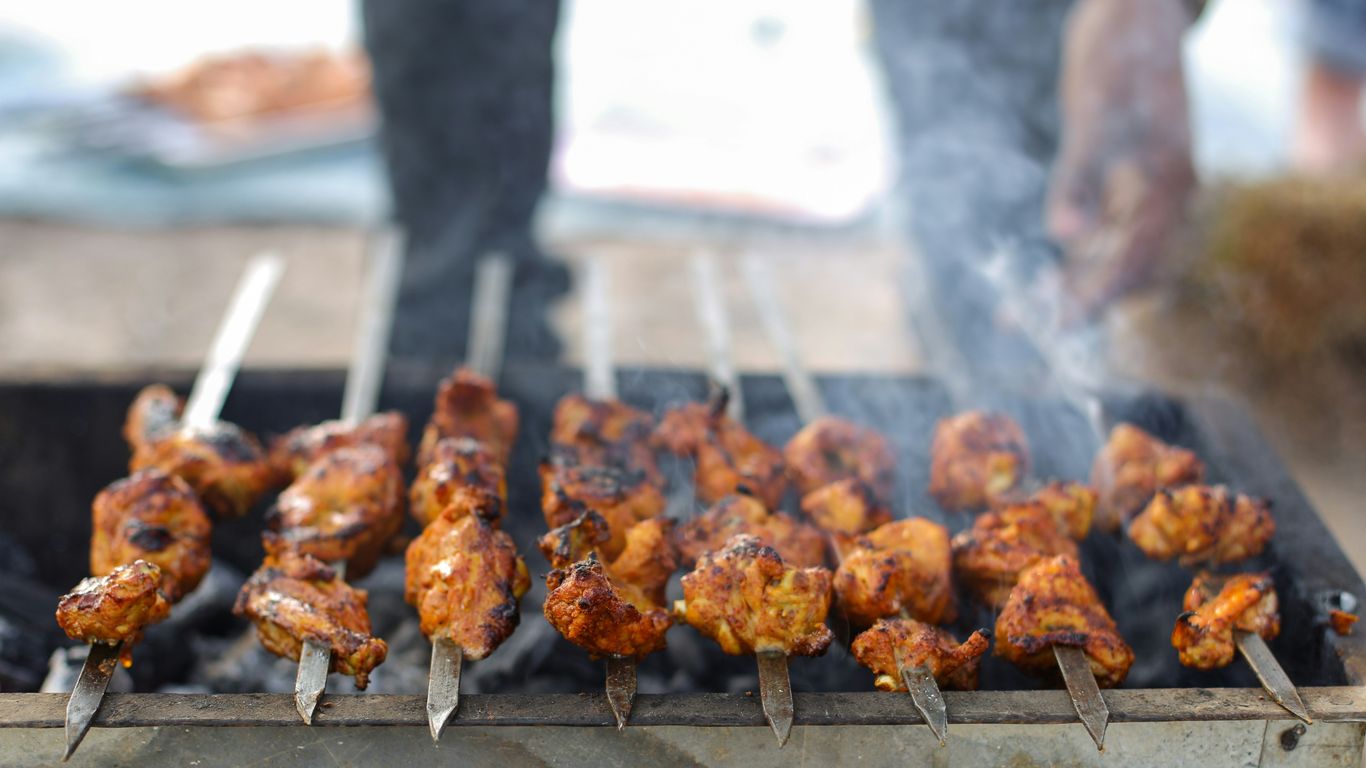
Evening road closures on Boon Tat Street
When the sun sets, the adjacent Boon Tat Street undergoes a dramatic transformation into a pedestrian-exclusive zone. This unique road closure allows hawkers to set up open-air charcoal grills, filling the air with the unmistakable scent of barbecued meat. Seeing the smoke rise against the backdrop of modern skyscrapers is a quintessential local memory for any traveler.
Ordering and etiquette at the open-air grills
You will typically order your skewers by the dozen, and you might want to book now if you are planning a large event or group outing nearby. The stall operators are brisk and efficient, usually handing you a buzzer that alerts you when your order of grilled favorites is ready to be collected.
Popular meat skewer varieties and sambal pairings
Most patrons opt for a combination of chicken, beef, and mutton, all served with generous portions of spicy peanut satay sauce. A side of ketupat, or compressed rice cakes, is almost always included to help balance the heat of the sambal. This meal is best enjoyed with a chilled beverage while sitting at the low-slung tables scattered across the closed street.
Best time to visit Lau Pa Sat

Balancing the weekday lunch crowd versus dinner atmosphere
Visiting during the lunch hour provides a high-energy glimpse into the lives of busy local professionals. In contrast, the evenings offer a more relaxed, al fresco vibe that is perfect for those who want to take their time soaking in the sights. Many visitors find that the transition from day to night is the perfect interval for a refreshing break during their city tour.
Weekend versus weekday foot traffic patterns
On weekdays, the centre caters heavily to the financial district, leading to very predictable surges of activity. Weekends tend to attract more leisure tourists who want to explore without the pressure of a rushing office crowd. Regardless of the day, you will find the Fairprice Group managed environment consistently busy and full of life.
Weather considerations for outdoor and semi-outdoor seating
While the main hall offers shelter under the iconic iron structure, the popular street-level tables are open to the elements. During the rainy season, you will want to ensure you have a fallback plan to retreat under the arches of the market if the skies open up suddenly. Staying flexible with your seating choice is the best way to ensure a comfortable night.
Essential visitor information
Proximity to Raffles Place and public transport links
Getting here is incredibly straightforward thanks to the nearby underground rail network. Most visitors arrive via the Raffles Place MRT station, which places you within a short, scenic walk of the main entrance. The area itself is quite walkable, making it a great anchor point for your city exploration.
Accessibility and facilities for international tourists
For those travelling from abroad, you will find Sarasota Jungle Gardens themes for family-friendly activities, but locally, the market provides accessible ramps and clear signage to assist with navigation. The facilities have been modernized to accommodate high foot traffic, with regular maintenance ensuring a pleasant environment for all guests.
Payment methods and local dining customs to observe
Most stalls accept the Fairprice App, major credit cards, and cash, giving you plenty of options for settling your bill. It is polite to clear your own tray if you are finished, as this keeps the shared space clean for other guests who are waiting for a spot to open up.
Conclusion
Whether you are hunting for a quick and flavourful lunch or planning a long, relaxed evening over smoky skewers, this national monument remains a standout highlight in the city’s culinary map and is well worth an extended visit.
Frequently Asked Questions
Is the market open 24 hours a day?
Yes, the facility operates around the clock, though individual food stalls may have their own specific operating hours and rest days.
Can you visit by public transport easily?
It is situated within walking distance of several major MRT stations, making it extremely convenient for visitors using the city’s rail system.
Do the stalls cater to specific dietary requirements?
Given the massive variety of vendors, there are generally options available for many dietary preferences, though you should check with individual stall owners.
Is there an admission fee to enter?
There is no cost to enter the building, as it is a public hawker centre accessible to everyone throughout the day and night.
How does the outdoor seating work at night?
Outdoor seating is provided on the adjacent street, which is closed to vehicle traffic, allowing diners to enjoy freshly grilled food in an open-air environment.
Are there any shopping options nearby?
Beyond the food area, the building and its immediate surroundings are situated in the heart of the central business district, providing access to diverse shopping malls and amenities.
What is the best way to pay for food?
While cash is widely accepted across all stalls, many now support digital payment methods, and using an app or card is often the most efficient way to pay.
Enjoy Your Visit
We would love to help you plan your next culinary journey through the heart of the city’s vibrant hawker culture and iconic heritage spots. Book your next local tour with us today to experience the absolute best of the region’s flavours and historic sites.