
Key Takeaways
Navigating the schedule of Singapore’s historic market is essential for a seamless meal, especially when coordinating visits with the famous evening closures.
- Visit during the mid-morning or mid-afternoon transitions to easily secure a table for your group.
- Lau Pa Sat functions as a 24-hour hub, though individual stall hours vary significantly based on their menu.
- The iconic Satay Street closures typically begin around 7:00 PM when Boon Tat Street shuts down to vehicles.
- Public transport remains your best option, as the site sits within walking distance of several major MRT stations.
- Check official channels for public holiday adjustments, as these dates frequently impact standard operating patterns.
Understanding current Lau Pa Sat opening hours
Visitors often find that while the building itself remains accessible around the clock, the heartbeat of the venue is found in the operational timing of its diverse array of hawker vendors. Understanding the lau pa sat opening hours involves recognizing that the market, managed by FairPrice Group’s Kopitiam, operates as a continuous space with shifting peaks.
Daily operating times for individual stalls
Most stalls typically open by 8:00 AM to catch the early office crowd, but individual owners maintain unique schedules. You can expect lunch service from 11:30 AM to 2:00 PM, which represents the most intense activity period, with many stalls starting their cleanup or pivoting menus by late afternoon.
Differences between weekday and weekend availability
Weekdays are defined by the frantic pace of the Central Business District lunchtime rush, while weekends trade this for a more touristic, balanced demographic. The Telok Ayer Market tends to see a consistent flow during weekend evenings, as the atmosphere shifts from a rapid-turnover business canteen to a leisurely dining spot for families and visitors.
Holiday and public event schedule adjustments
Large events or public holidays often lead to extended service hours or temporary closures, particularly for smaller independent vendors. Always verify the status of individual kitchens if you are planning your trip around notable festivities or city-wide celebrations.
Planning your visit around peak dining times
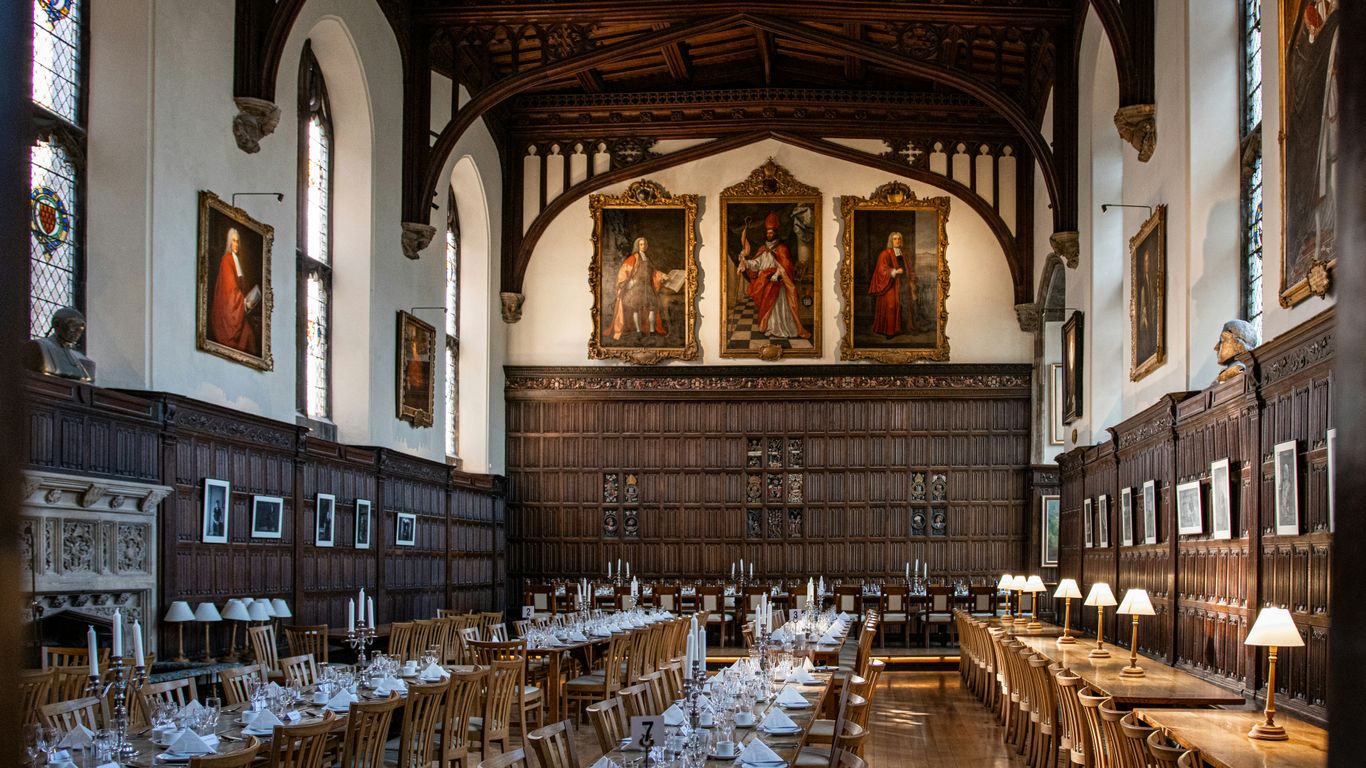
Finding a seat during the busiest intervals requires a strategic approach, as the sheer volume of visitors can overwhelm common areas. Timing your arrival to avoid the absolute peak requires a bit of local knowledge, but this small adjustment significantly improves the quality of your visit.
Lunchtime crowd patterns for office professionals
The period between 12:00 PM and 1:30 PM is consistently the most overcrowded window for the venue. During this time, office workers prioritize efficiency, meaning tables turn over quickly, but the initial search for seating can be quite challenging without a coordinated group dining approach.
Evening rush and the Satay Street experience
As the sun dips, the focus shifts to Boon Tat Street, where the evening satay vendors fire up their grills. This transition creates an outdoor spectacle that draws tourists and locals alike, necessitating an early arrival if you hope to secure one of the coveted outdoor benches.
Off-peak hours for a more relaxed dining environment
If you prefer a quieter experience, aim for the mid-afternoon gap between 3:00 PM and 5:00 PM or arrive well before the dinner rush begins. At these times, the ambient noise levels drop and you have a much better chance of interacting with vendors who are otherwise occupied during the primary service windows.
Navigating stall availability and kitchen operations
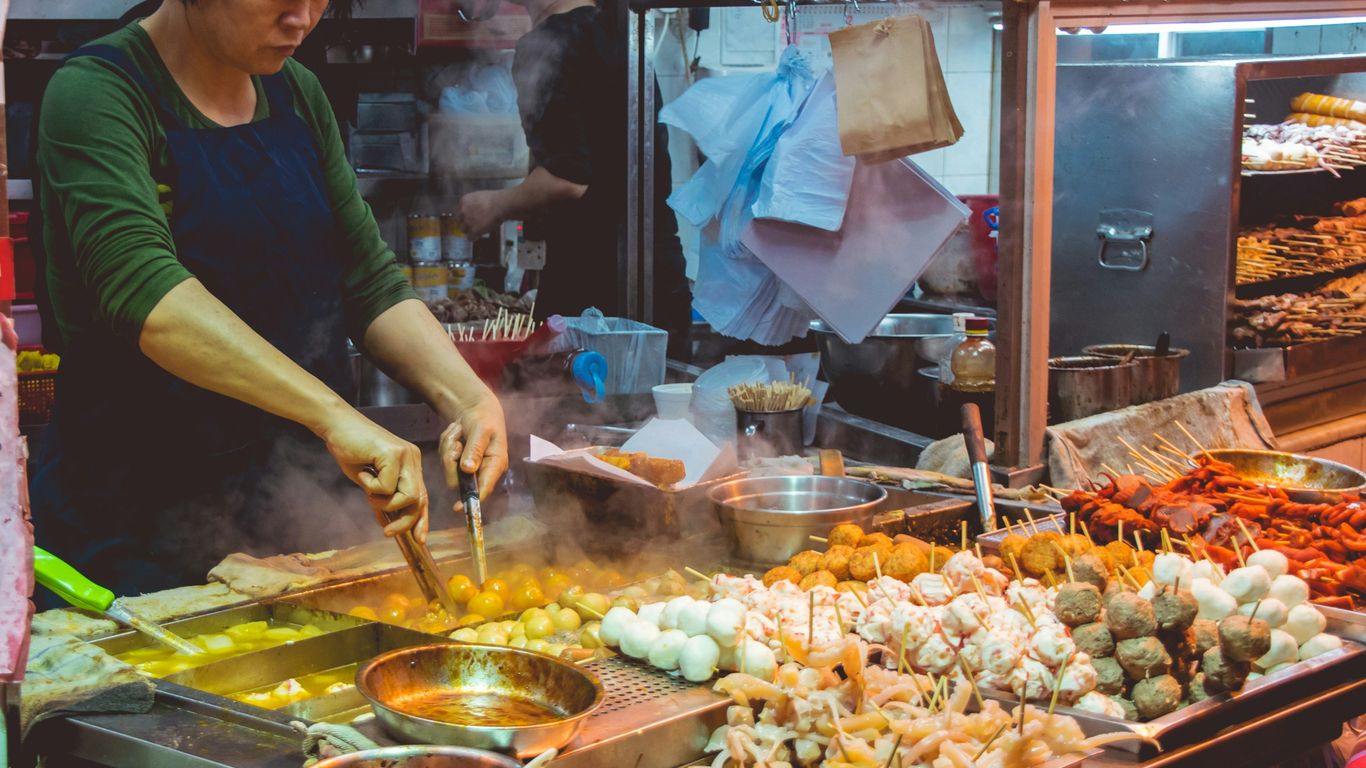
Because of the massive variety within the building, each stall operates as an autonomous unit with its own rhythm for prep and service. This decentralized model ensures that while a few units might be closing, others are just beginning their shift for the late hours.
Stall-specific variations beyond the main hours
You should identify your preferred dishes ahead of time, as some specialized kitchens close immediately after their primary signature menu item is sold out. To help you plan, here is a general breakdown of how the operational schedule typically segments across the various vendors residing in this historic Victorian building:
| Vendor Category | Average Opening | Main Service Window | Closing Pattern |
|---|---|---|---|
| Breakfast Specialists | 6:30 AM | 7:00 AM – 10:30 AM | Afternoon |
| Lunch Mainstays | 10:30 AM | 11:30 AM – 3:00 PM | Late afternoon |
| Dinner Satay Stalls | 5:00 PM | 7:00 PM – 11:00 PM | Midnight |
By checking the specific vendor’s window, you can avoid arriving at a closed stall and needing to pivot your plans entirely.
Early morning breakfast selections
Starting your day here offers a unique perspective on the Central Business District, as early-bird vendors serve traditional kaya toast and local coffee long before the city truly mobilizes. These early hours are quiet and intimate, perfect for those who want to avoid the upcoming heat and business rush.
Late-night dining options after midnight
The market maintains its status as a late-night refuge for those wandering the city after dark. While the main thoroughfare of stalls may have ceased operations, select units continue to provide late-night snacks for the lingering crowd, and you can always explore hawker centres at your own pace.
Logistics and location tips for visitors
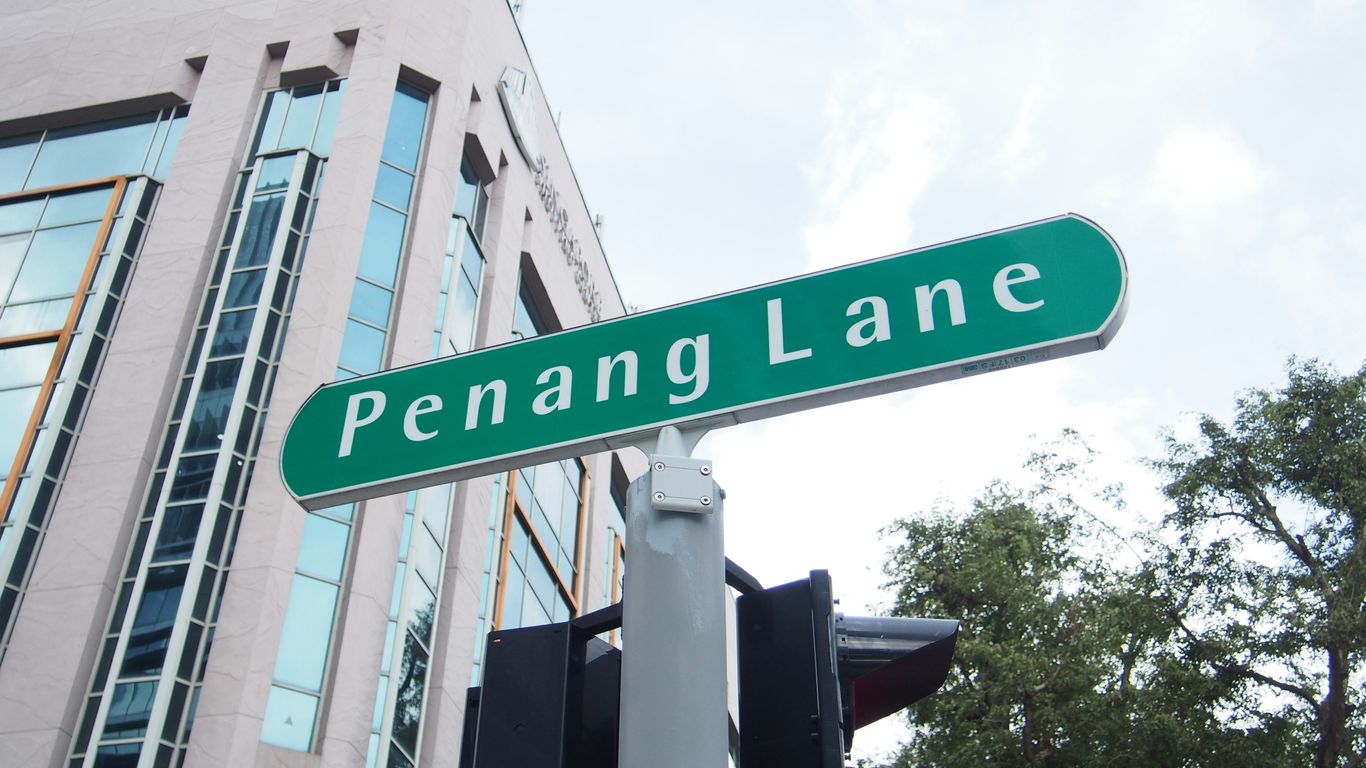
Getting to your destination efficiently is the first step toward a successful experience, especially in a part of the city as busy as the Downtown Core. Utilizing the city’s robust infrastructure will save you time and preserve your energy for the culinary tour that awaits upon arrival.
Accessing the venue via public transportation
For a stress-free journey, skip the rental car and rely on the MRT system, which delivers thousands of people to the doorstep of this iconic site daily. Most regular visitors find that the walking path from surrounding major hubs is shaded and well-signposted, making it an easy addition to a day spent exploring the city.
Connectivity to nearby Raffles Place MRT
The most convenient stop remains the Raffles Place station, which connects you within a short walk to the market’s main entrance. If you follow the signs for the business district exits, you will find the historic architecture appearing quite suddenly against the backdrop of modern office towers.
Parking facilities and access hours
While public transport is strongly recommended, some visitors prefer driving and utilize the commercial parking garages available nearby. Be sure to check the specific entry requirements and ensure you have read the Terms and Conditions regarding access times if you intend to visit during public holiday periods.
Maximizing your food experience at Lau Pa Sat

Getting the most out of your visit requires more than just finding an available seat; it involves a clear strategy to navigate the vast array of available regional cuisines. Whether you are sampling Hainanese chicken rice or fresh satay skewers, having a plan helps you taste of Singapore properly.
Prioritizing must-try stalls during peak hours
If you want to taste the most recommended dishes, it is wise to establish a strategy for splitting your group so you can queue at multiple stalls simultaneously. Consider these steps for success:
- Assign one group member to secure a central table as a home base.
- Research signature items for each vendor during the planning phase.
- Utilize digital payment options to speed up the transaction time per stall.
- Share dishes among friends to increase the variety of flavors sampled during one sitting.
Once you have secured your setup, you can gather your bounty and enjoy a multi-course local feast without constantly leaving your seat to handle various queues.
Balancing availability with popular menu items
Popular items, especially those with high demand, can sell out well before the official closing time. If you have your heart set on a specific dish, prioritize visiting those vendors early in the session to ensure you have a chance to experience the full menu.
Group dining strategy for large crowds
When traveling with more than four people, finding contiguous seating becomes difficult, so the best approach is to stagger your timing or send a scouting party ahead. Having a defined meeting spot is vital, as the density of the building can make finding one another difficult once the crowd settles in for the night.
Conclusion
Visiting this historic space provides an unforgettable look at Singapore’s food heritage, provided you plan your timing to account for the ebbs and flows of the city’s busy schedule. By keeping these operational details in mind, you can focus on the flavors rather than the logistics, ensuring your time is spent enjoying everything the site has to offer.
Frequently Asked Questions
Is it possible to use credit cards at the hawker stalls?
Most vendors have moved toward digital, cashless, or QR-coded payment systems, significantly simplifying the process for both locals and international visitors who may not carry local currency.
Are there specific dress codes for visiting the market?
There is no formal dress code, but because of the tropical humidity, it is generally advised to wear lightweight, breathable clothing that makes moving through the busy crowds more comfortable for everyone.
Can I make a reservation for a table?
Individual stalls do not accept reservations for specific seating, as the nature of the hawker center is based on shared, first-come-first-served communal space regardless of the time of day.
Is the market accessible for visitors with limited mobility?
Yes, the site provides flat, step-free access points near the primary entrances, making it relatively simple to navigate with a wheelchair, though it can become quite tight during peak lunch hours.
Are there vegetarian options available?
There is a growing selection of vegetarian-friendly stalls throughout the premises, offering everything from fresh vegetable stir-frys to specialized plant-based local recipes that cater to most dietary requirements.
What happens if it rains during a visit?
The venue is entirely sheltered under its historic roof, which means it serves as an excellent location for dining even if the tropical weather turns rainy, as you will remain completely dry inside.
Are the restroom facilities easy to find inside?
Publicly maintained restroom facilities are located within the premises, and the signage is generally clear, though you should expect queues during the busiest periods of the day.