
Key Takeaways
Jalan Besar is a unique precinct where Singapore’s colonial history meets modern urban living, offering a layer of culture for every visitor.
- The district transitioned from swamp land to a commercial hub.
- Architectural preservation maintains the charm of heritage shophouses.
- Culinary diversity spans traditional hawker stalls to contemporary cafes.
- The neighbourhood hosts significant cultural and sports landmarks.
- Future master plans aim to keep the area green and connected.
The historical significance of Jalan Besar
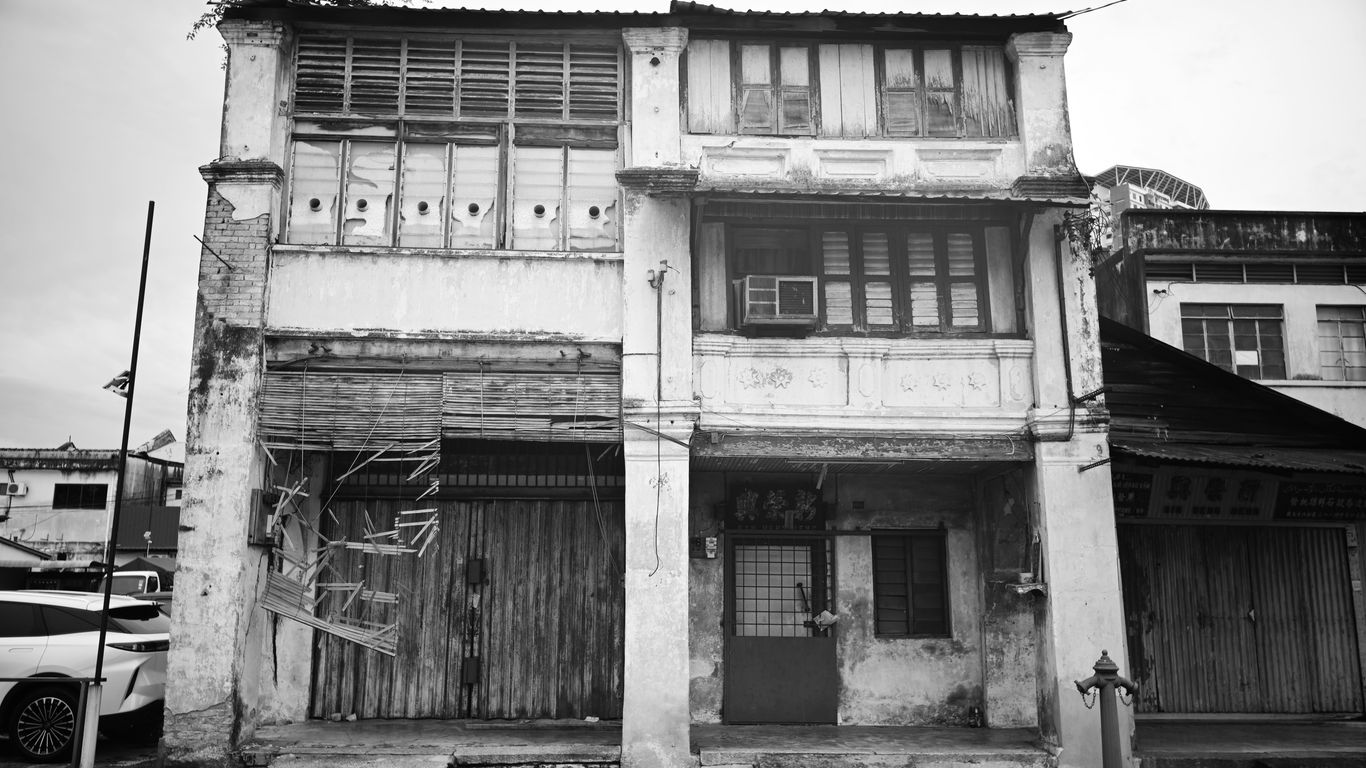
The history of this area is a fascinating journey through Singapore’s rapid urbanisation. Once characterised by murky wetlands, it has evolved into a dense, vibrant arterial road that connects commuters across the central district.
Origins as swamp land and early development
In the late 19th century, this region was little more than low-lying swampy terrain located between the Kallang and Rochor rivers. Residents in those early days contended with difficult drainage and challenging living conditions, yet the area slowly emerged as a space for early light industry. A deeper look at this historic one-way road reveals how the very name, meaning big road in Malay, was an acknowledgment of its importance for the heavy bullock carts and early motor vehicles traversing the city’s outskirts.
British colonial urban expansion and shophouse architecture
As the British colonial presence deepened, the precinct witnessed a flurry of development marked by the rise of rows upon rows of shophouses. These structures generally featured a distinctive design with tiled facades and thick, sturdy walls that provided insulation against the tropical heat. You can still admire the craftsmanship in these conserved buildings today, which stand as enduring monuments to the city’s architectural past and demonstrate how trade hubs were historically integrated into residential layouts.
The evolution of the neighbourhood into a mixed-use precinct
Over the decades, the district transformed into a versatile, mixed-use zone that welcomed a blend of commercial hardware businesses, workshops, and small-scale residences. This evolution has resulted in a dense tapestry of life where ancient, multi-generational clans operate alongside modern apartment dwellers. It is the kind of authentic architectural character that earns a quiet double-take from anyone walking past the century-old residential facades.
Exploring the local culinary scene
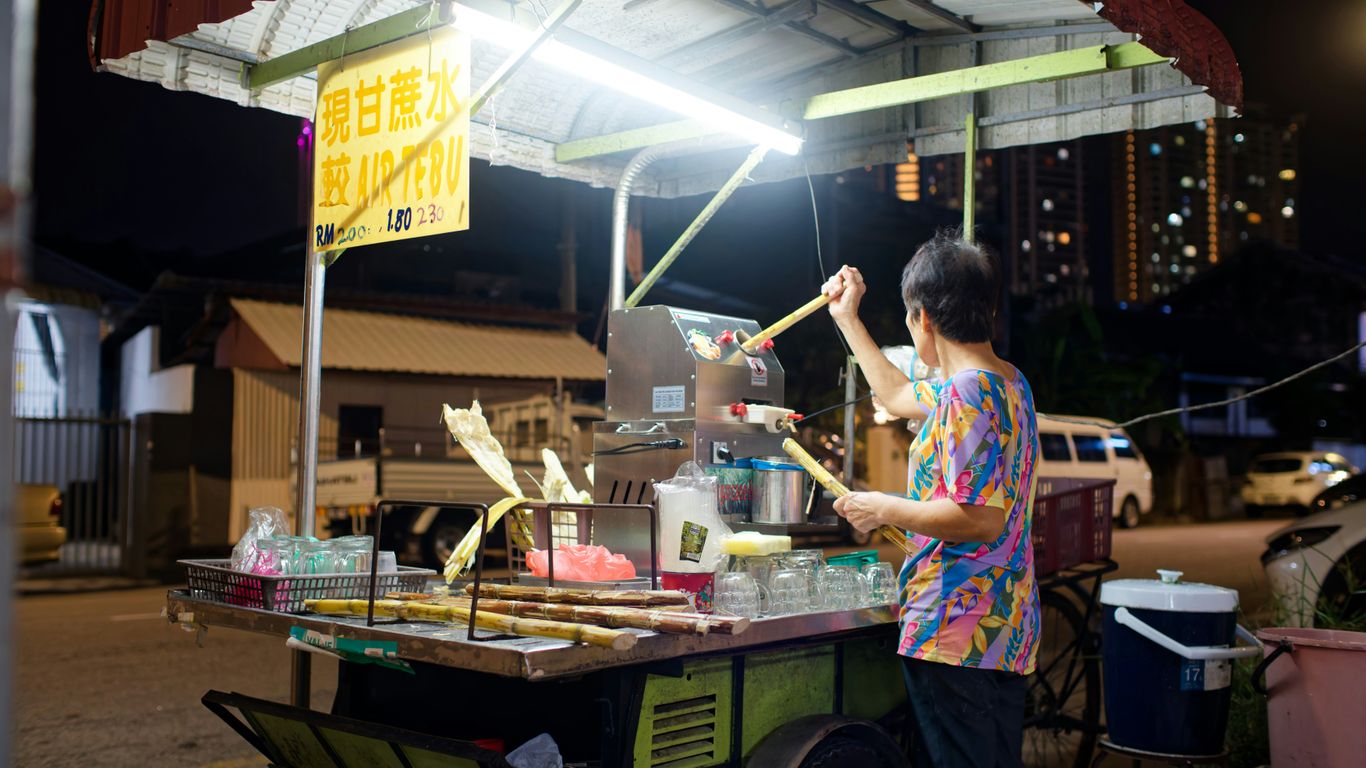
Few places in Singapore offer such a candid look at the city’s food journey as this neighbourhood. The blend of past and present flavours is evident on every corner, attracting food enthusiasts who appreciate both heritage techniques and new-age experimentation.
Iconic hawker stalls and local food history
Local food culture is anchored by legends that have stood the test of time, drawing long queues for dishes that taste of tradition. Consider the famous options available during your visit, which represent the backbone of Singapore’s rich eating culture in this zone.
- The legendary sloppy rice at the local corner stall.
- Traditional breakfast sets served in rustic coffee shops.
- Hand-crafted artisan cakes from boutique local bakeries.
- Authentic single-origin coffee for the modern morning crowd.
The surge of artisanal coffee shops and brunch cafes
In recent years, the district has seen a surge of creative energy channeled into coffee and brunch culture. Coffee enthusiasts often gravitate toward spaces like Cove 382, where industrial chic interiors provide a backdrop to serious brews. These businesses do not just serve caffeine but also turn old hardware shop spaces into social hubs, effectively rebranding the neighbourhood as a destination for the younger urban demographic.
Balancing traditional coffee shops with modern dining trends
Maintaining the balance between the old-school kopi joints and the new wave of brunch cafes is a continuous effort for community stakeholders. The traditional shops remain essential for the local workforce, while the modern spots provide curated experiences for weekend explorers. This coexistence adds a layer of economic vitality that ensures the district stays relevant for every generation, creating a welcoming home for all who value quality food regardless of its origin.
Cultural landmarks and community spaces

Beyond the food, the area is imbued with a creative spirit that manifests in physical community nodes. These spaces allow locals and visitors alike to engage with the city’s identity through sport, art, and shared history.
The historic significance of Jalan Besar Stadium
Opened in 1929, the stadium is a landmark that resonates with local sports aficionados. It served as the birthplace of the Singapore football scene and has hosted countless historic matches that define the national sporting consciousness. Its presence acts as a central anchor for the district, keeping the heritage of competition alive in the heart of urban development.
Street art, murals, and creative community hubs
Art serves as a medium for social commentary and beautification across the narrow lanes and side streets. By checking out the local art walk exhibitions, one can better understand the complexities of life in this area and the transient communities that passed through it. These murals turn functional walls into galleries, ensuring that every pedestrian walk feels like an exploration of an open-air museum.
Art walks and exhibitions exploring the local identity
The neighborhood has become a canvas for creators to interpret urban shifts and social interactions. Below is a summary of key landmark features found in the area:
| Feature | Primary Focus | Cultural Value |
|---|---|---|
| Stadium Complex | Community Sports | High Historical |
| Murals and Street Art | Visual Identity | Contemporary |
| Heritage Shophouses | Architectural Form | Historical |
These elements collectively ensure that the precinct is seen as more than just a thoroughfare, but as a space for cultural reflection and community engagement.
Practical tips for visiting the area
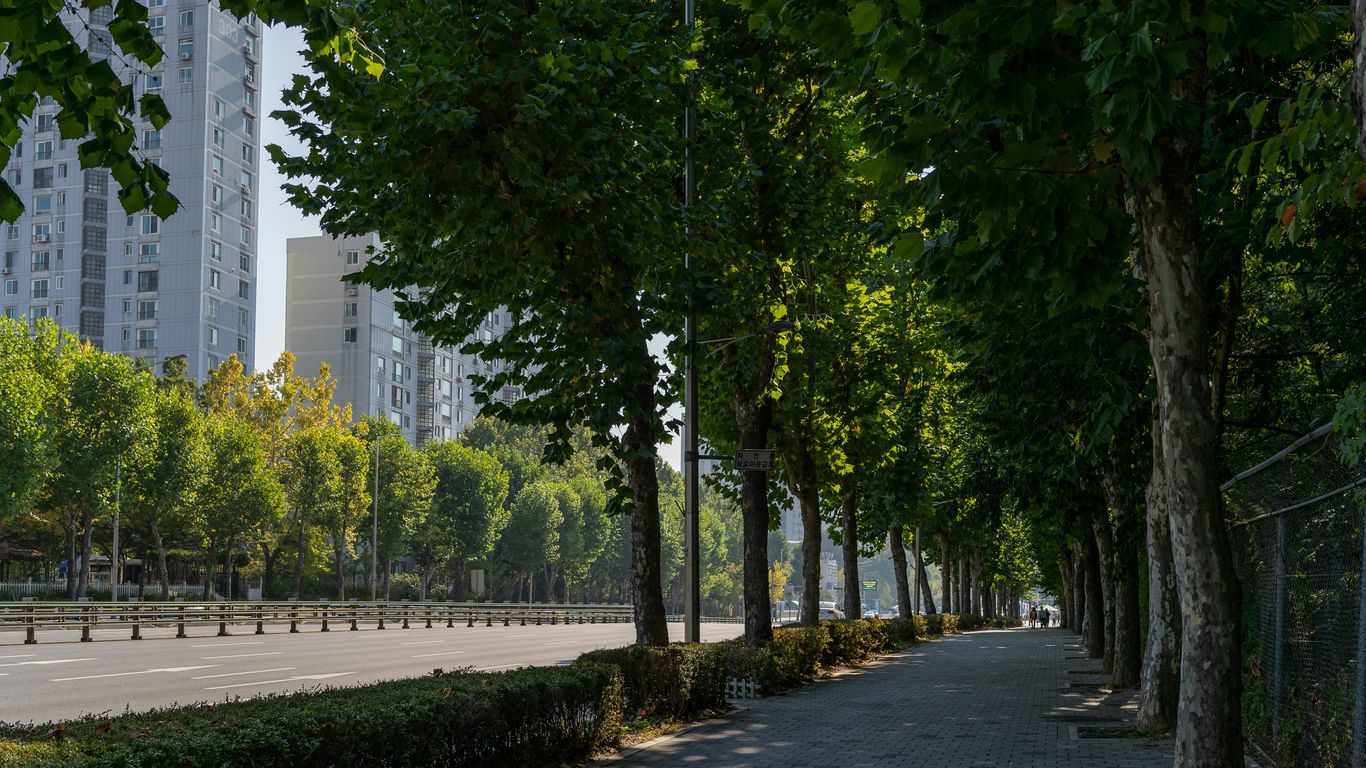
Planning a trip requires a bit of savvy timing to navigate the crowds and the tropical climate. Whether you are aiming for architectural photography or a casual food crawl, keep these logistics in mind to make the experience smooth.
Accessibility via public transport and MRT stations
Using the train system is the most efficient way to enter the district. The central station provides immediate access to the heart of the activity, and walking tours are simple to plan from the various exits. It is often helpful to travel light if you plan on visiting nearby CHIJMES complex or other major city landmarks after your tour of the area concludes. Always check the digital maps to ensure you are disembarking at the most convenient line for your first destination.
Optimal times of day for street photography and exploration
Mid-morning or late afternoon hours are generally best for those interested in snapping pictures. The sun is less harsh, and the morning hours allow you to capture the bustling energy of the wet market and early trade activity. If you prefer to book now for an organized food tour, ensure you compare slots to find the ones that allow for a more intimate look at the local eateries before the lunch rush hits.
Navigating the connections to nearby districts like Lavender and Bugis
Because the district sits at such a strategic overlap, it is incredibly easy to walk toward neighbouring areas like Lavender or Bugis. These pedestrian-friendly routes are lined with interesting shops and architecture that make the travel time feel nonexistent. If you require specialized assistance or gift ideas, you can Encuentra los mejores regalos for friends and family in the boutique stores located in these adjacent hubs before circling back for dinner.
The future of the Jalan Besar precinct
Strategic visioning is currently guiding the next phase of the district’s life cycle. As residents and business owners collaborate, the goal is to transform the area into a more livable town that does not lose its character in the process.
Master plan goals for a sustainable and greener community
Policy documents such as the Jalan Besar GRC Master Plan highlight an ambitious vision for future sustainability. The plan focuses on enhancing public spaces and creating a greener environment through initiatives that prioritize resident wellbeing and ecological integration. This collective vision aims to turn local input into reality, making the neighbourhood an enjoyable place for families and long-time businesses.
Balancing the impacts of gentrification with heritage preservation
Growth is inevitable, but stakeholders are deeply committed to protecting the existing heritage. Managing the influx of new lifestyle businesses while maintaining the integrity of old shophouses requires careful planning and enforcement of historical guidelines. Success in this area is defined by ensuring the neighborhood remains accessible and relevant without becoming a sterile or unaffordable enclave for the people who built it.
Enhancing public infrastructure and neighbourhood connectivity
Connectivity is being improved through better footpaths, updated transit access, and more robust signage that helps visitors navigate the dense area. By connecting the dots between old landmarks and modern infrastructure, authorities are ensuring that the precinct functions as a single, accessible unit. Residents look forward to seeing these infrastructure projects come to life over the next five years, creating a seamless environment for everyone.
Conclusion
Jalan Besar remains a compelling reflection of Singapore’s journey, effortlessly weaving the threads of historical grit and modern lifestyle into a coherent and welcoming neighborhood tapestry. Whether you are there to hunt for the perfect coffee, admire vintage architecture, or take a casual stroll through its landmarked streets, the area offers a genuine experience that feels both tied to the past and ready for the future.
Frequently Asked Questions
Is Jalan Besar a good place for tourists?
Yes, it is highly recommended for tourists who want to experience authentic Singaporean life away from the overly polished mall environments. The area offers a deep dive into heritage street food, unique architecture, and a distinct urban vibe.
What is the best way to get to Jalan Besar?
Public transport is the best approach, specifically via the MRT network which serves the area directly. This allows you to avoid the complexities of driving or finding parking in a historically dense precinct.
Are there vegetarian food options available?
Yes, the area’s culinary diversity means you can find a wide range of food including vegetarian and Halal-friendly dishes. Many traditional hawker stalls and modern cafes now cater to a variety of dietary preferences.
Can I walk to nearby districts from here?
Absolutely, the neighbourhood is well-connected to districts like Lavender and Bugis. The walking routes are pedestrian-friendly and offer a chance to explore more of the city’s urban design and smaller side streets.
Is the area suitable for families with children?
While the area is quite dense, families often enjoy the access to parks, the history of the streets, and the diverse dining options. It is a great way to introduce children to the heritage of the city in a safe and accessible way.
When is the busiest time to visit?
Weekends and weekday lunch hours are typically the busiest times, as both locals and office workers flock to the area for its famous food spots. Visiting on a weekday morning or late afternoon can provide a more relaxed and manageable experience.
Does the area have 24/7 facilities?
Being a busy, centrally located district, there are various establishments that remain open late or operate around the clock, particularly convenience stores and some dining outlets. It is always a good idea to check specific shop hours online before your visit.