
Key Takeaways
Hokkien is a significant component of Singapore’s rich cultural and linguistic tapestry, bridging the gap between ancestral migration and modern culinary traditions. Understanding its history offers a deeper appreciation for the diverse heritage that defines the city-state today.
- Hokkien, a major branch of the Min Nan linguistic group, originated in China’s Fujian province.
- Early migration patterns established Hokkien as a primary language for Singapore’s pioneer communities.
- The language played a pivotal role in the professional and social life of 19th-century Singapore.
- Famous dishes like Hokkien mee highlight the deep-seated influence of Fujianese culinary traditions.
- Contemporary language shift has sparked renewed interest in the preservation of heritage dialects.
The origins and classification of the Hokkien language
The Hokkien language, often recognized as a branch of the Min Nan group, serves as a crucial link to history for millions of speakers across East Asia. Its development is deeply entwined with the terrain and history of China, fostering a distinct identity that persists through generations. By examining the Hokkien language, we can better appreciate the complex nuances of human migration and linguistic evolution.
Defining Hokkien within the Min Nan Chinese group
Hokkien is classified within the southern Sinitic branch of the Chinese language family, specifically falling under the Min Nan grouping. Unlike Northern Mandarin, it exhibits unique tonal qualities and vocabulary that have been preserved through centuries of relative geographical isolation in southern China.
Development in the Fujian province of China
Originating in the province of Fujian, the language evolved alongside the coastal communities that relied heavily on maritime trade and mountain-based agriculture. These communities developed early forms of communication that survived as refugees travelled across seas before modern standardisation took root in other regions.
Geographical spread and variations of spoken Hokkien
Over the centuries, the language expanded across borders into Taiwan and Southeast Asia, adapting to local environments while maintaining its core phonetic structure. This geographical spread led to numerous regional variations, creating a tapestry of dialects that vary slightly in pronunciation and common vocabulary usage.
The distinction between dialect and language in linguistic studies
Linguists often debate the classification of Hokkien as a dialect or a distinct language, especially when compared to Chinese languages and its various dialects which share common characters but feature wildly different spoken forms. This classification challenge highlights the divide between standard written systems and regional spoken heritage.
Migration and the historical establishment of Hokkien in Singapore

The mass migration from the Fujian province to the Malay Peninsula during the 19th century forever changed the demographic and cultural makeup of Singapore. These pioneers arrived not just with their belongings but with traditions and a language that would soon underpin the city’s commercial success. Their journey, often born fromeconomic instability in southern China, forged deep ties that led to the flourishing of a new society.
The waves of migration from Fujian to Southeast Asia
Waves of Hokkien settlers arrived through the 1800s, driven by the promise of labour and commerce in the emerging Straits Settlements. These early groups often arrived as contract labourers, settling in compact enclaves where their native tongue remained the dominant means of daily communication.
The role of clan associations in early Singaporean society
Clan associations became the bedrock of support for these newcomers, providing housing, employment networking, and spiritual care. These organizations essentially mimicked the social structures of the homeland, ensuring that those arriving in a foreign land were not left to fend for themselves.
Establishing economic dominance through maritime trade
Leveraging their ancestral knowledge of seafaring, Hokkien immigrants quickly moved from basic labour into maritime business and trade. Their control over local ports and merchant firms helped secure a position of socioeconomic power that defined early Singaporean urban development.
Challenges faced by early Hokkien immigrants in the region
Adapting to the humid, tropical environment required immense resilience, particularly as they balanced trade with the unpredictable policies of colonial authorities. Despite these hardships, they laid a foundational structure for modern connectivity and tech which enabled their descendants to thrive in a contemporary globalised framework.
Hokkien as a pillar of Singaporean cultural identity
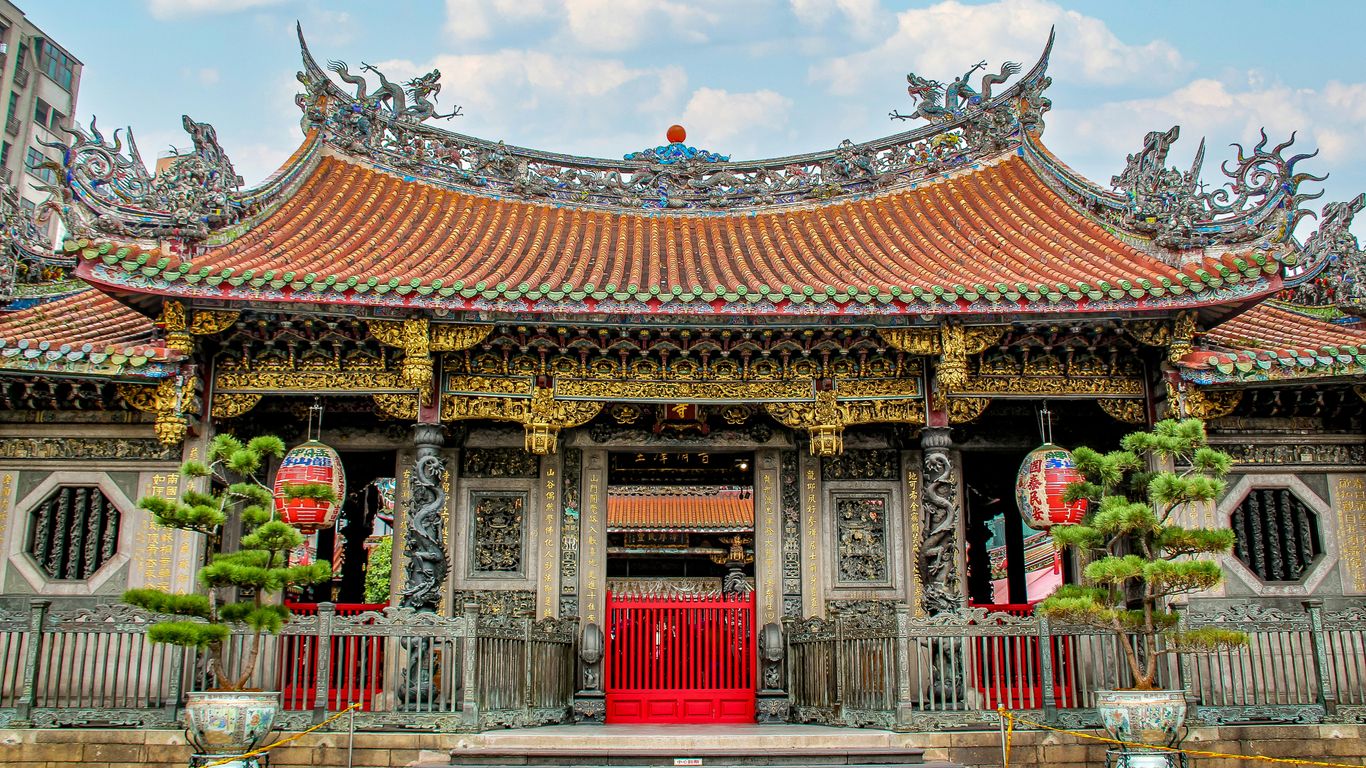
As the Hokkien community expanded, their language became a vital instrument for social coherence, transcending mere communication to define an entire class of identity. The community was an essential contributor to the media companies in Singapore that began to broadcast community narratives, ensuring that their influence was documented for the next century of growth. Our Taste of Singapore guides often reflect on how this communal spirit helped maintain the integrity of migrant identities even after significant cultural assimilation.
The dominance of Hokkien as a lingua franca in 19th-century Singapore
For nearly a century, Hokkien acted as the primary bridge between Chinese merchants and the wider colonial economy in Singapore. It was common for non-Hokkien merchants to learn basic phrases to facilitate trade, cementing the language as a central tool for effective business relations.
Religious practices and temples rooted in Hokkien traditions
Traditional temples across the city, such as Thian Hock Keng, remain physical manifestations of Fujianese spiritual life. These centers of worship offered solace and community, allowing immigrants to perform ancient religious rites that were vital for social stability.
Inter-ethnic interactions between Hokkien settlers and local groups
Cultural exchange was frequent, particularly in early marketplace settings where Hokkien merchants interacted with Malay and Indian neighbours. This synergy birthed unique syncretic customs that define the multicultural character of Singaporean daily life seen even today.
The legacy of Hokkien storytelling and performing arts
Street opera and oral storytelling preserved the epics of the Fujian heartland, often performed at festivals to keep history alive for the younger generation. The vibrant legacy of oral storytelling continues to influence local theatre, proving that the heritage remains relevant long after the original migration waves ceased.
The enduring influence of Hokkien on Singaporean cuisine
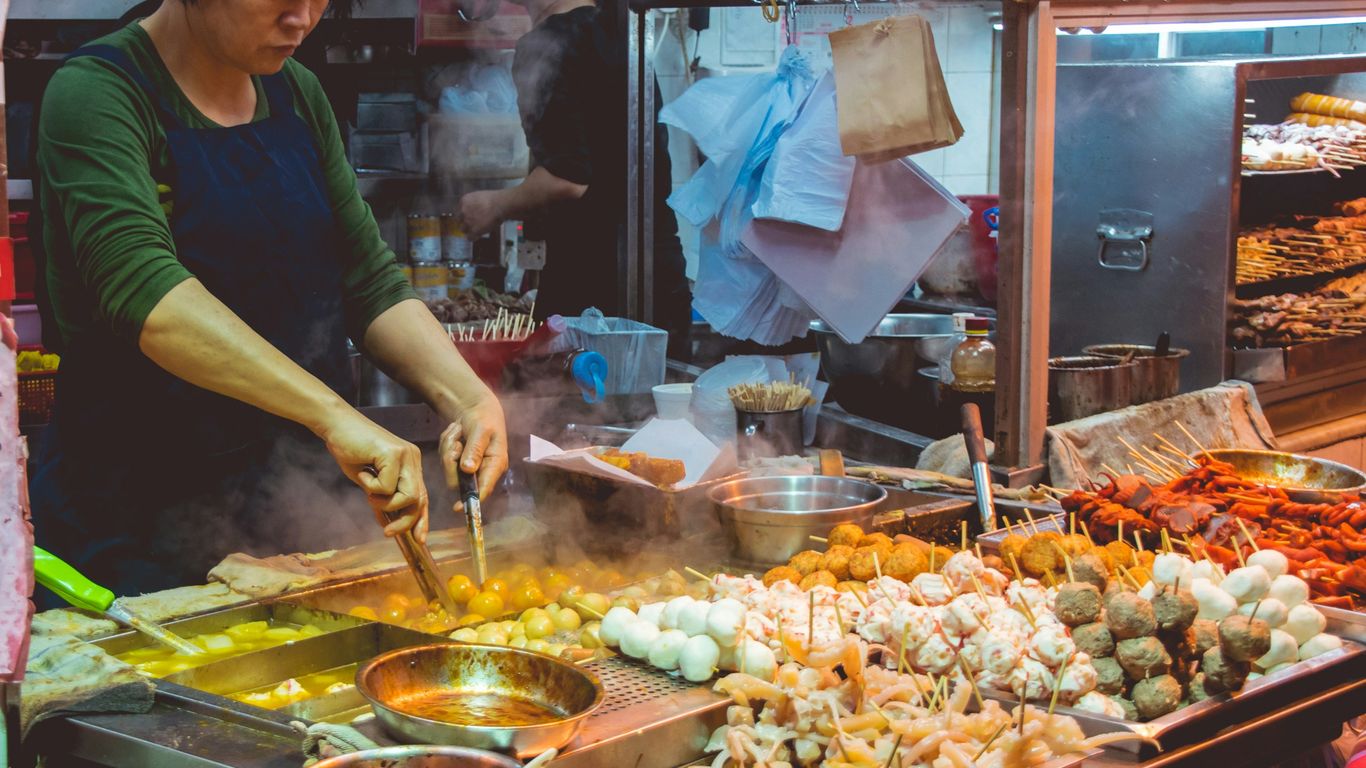
The migration of Fujianese food culture remains one of the most visible remnants of the Hokkien legacy, deeply embedded in the nation’s Hawker Culture. The adaptation of traditional recipes to local ingredients is a testament to the resourcefulness of early residents. Experience these authentic flavors through Taste of Singapore, where we explore how such recipes tell the story of the nation.
Iconic Hokkien dishes and their migration to hawker centres
Culinary traditions migrated from home kitchens to bustling street stalls, eventually finding permanent homes in local hawker centres. This shift allowed dishes once reserved for clan feasts to become accessible to the entire population.
The use of local ingredients in traditional Fujian recipes
Staples such as fresh seafood and local spices replaced rare mainland ingredients, leading to delicious innovations that characterise Singaporean style. The following table illustrates common ingredient adaptations:
| Original Fujian Ingredient | Local Singaporean Substitute | Purpose |
|---|---|---|
| Northern Wheat Noodles | Alkaline Egg Noodles | Texture |
| Deep-sea Fish | Prawns and Squid | Flavour profile |
| Dried Peppercorn | Sambal Chilli | Spice adaptation |
These adjustments were necessary to cater to the availability of fresh produce in a tropical market.
Culinary staples like Hokkien mee and fried oyster omelette
Specific plates quickly became household names among the diverse population of the island. Must-try examples of this culinary evolution include:
- Hokkien mee, a rich noodle dish infused with smoky stock.
- Fried oyster omelette, served with a signature spicy sauce.
- Prawn noodle soup, highlighting the importance of rich crustacean stock.
- Various stir-fried vegetables, often seasoned with traditional heavy sauces.
These iconic staples provide a literal taste of history for those willing to book now and experience the heritage firsthand.
How regional food identity survived through generations of migration
The survival of this food identity is not automatic; it requires the conscious effort of hawkers who maintain traditional methods, such as the use of intense wood fires to achieve a unique char.
Language shift and the modern status of Hokkien
As the 20th century progressed, the national drive towards English and Mandarin for unity resulted in a steady decline in dialect fluency among the youth. However, this shift did not mean the death of the tongue, but rather a transformation in how it is valued within the island’s diverse social fabric.
Government policies regarding Chinese dialects in the 20th century
Legislation aimed at standardising communication across different communities often disfavoured dialects in education settings. These measures intended to lower barriers for national unity but inadvertently cooled the generational transmission of native tongues.
The decline of Hokkien fluency among younger Singaporean generations
Language competency has waned as younger Singaporeans pivot towards digital literacy and English-medium education. Today, the dialect survives primarily in the home, spoken by elders to their grandchildren rather than as a primary workplace medium.
Current efforts towards language preservation and revitalisation
Interest in heritage language is resurging as younger generations realize that learning their ancestors’ words connects them to their cultural identity. From formal classes to social media initiatives, the focus has shifted toward finding creative ways to maintain interest.
The role of Hokkien in contemporary Singaporean media and pop culture
Media platforms often utilise Hokkien for comedic effect or to ground narrative authenticity in local dramas. This visibility helps normalize the language, ensuring that even those who do not speak it fluently recognize its rhythm as an integral facet of their Singaporean heritage.
Conclusion
Hokkien is more than a relic of the past; it is a living bridge between Singapore’s early migration history and its vibrant, multicultural present. While the way we communicate and eat continues to change, the enduring influence of this heritage reminds us of the resilience and innovation of the generations who first arrived on these shores.
Frequently Asked Questions
What are the main characteristics of Hokkien?
Hokkien is a Sinitic language from the Min Nan branch, known for its unique tonal system and vocabulary that differs significantly from Mandarin.
Is Hokkien related to Taiwanese?
Yes, the language spoken in Taiwan is a variant of Hokkien, and the two are highly mutually intelligible despite minor regional variations.
Why is the language called Min Nan?
The term Min Nan refers to the ‘Min’ river region in southern China, which is the geographic heartland where the language originated.
Can I learn Hokkien in Singapore today?
Yes, there are community-led initiatives and specialized interest groups attempting to revitalize the language through workshops and casual meetups.
How did Hokkien influence Singaporean street food?
Early immigrants brought their native cooking methods from Fujian to Singapore, adapting them to local ingredients to create iconic dishes like fried noodles.
Do most Singaporeans still speak Hokkien?
While usage has declined among the younger generation due to language standardisation, it is still frequently spoken by the elderly and holds significant cultural prominence.
Where can I experience authentic Hokkien heritage today?
Visiting traditional temples, exploring historic hawker centres, and participating in guided cultural experiences offer excellent ways to connect with this rich legacy.