
Key Takeaways
This guide explores the historical and cultural significance of the unique park known as Haw Par Villa, highlighting its transition into a modern educational landmark.
- Visit the world-renowned park to experience unique Chinese artistic traditions.
- Discover the historical roots of the venue founded by prominent entrepreneurs.
- Explore the world’s first museum dedicated solely to death and the afterlife.
- Learn about the moral and ethical lessons depicted within traditional dioramas.
- Plan an educational visit with essential transit and ticketing information provided.
The history and origins of Haw Par Villa
The vision of Aw Boon Haw and Aw Boon Par
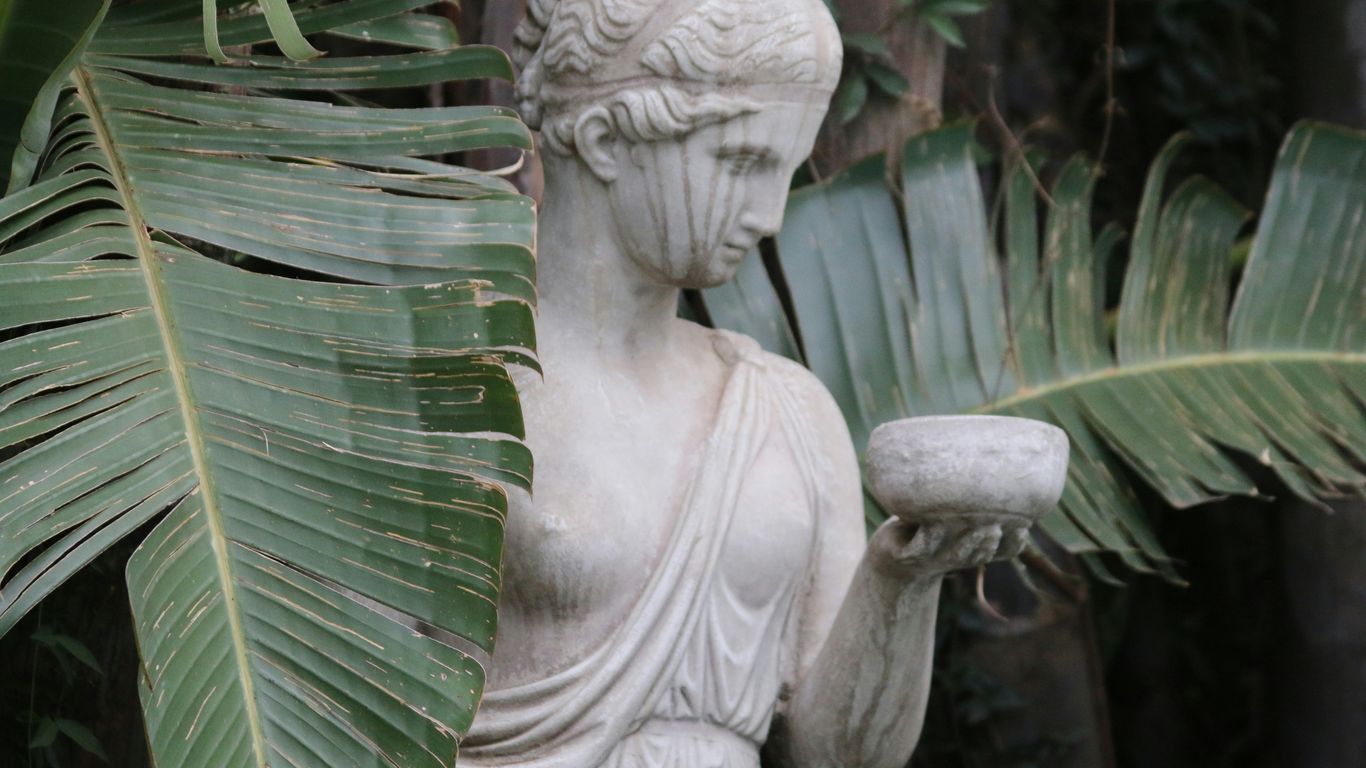
The villa was established by two Burmese-Chinese brothers, Aw Boon Haw and Aw Boon Par, who gained fame as creators of the Tiger Balm ointment. Their shared vision for this site went beyond residential use, as they sought to preserve traditional values through visual storytelling that would resonate with the local community in Singapore.
Evolving through Singapore’s changing landscape
As the city matured, the park grew from a private villa into a public attraction that documented the shifting cultural consciousness of the region. This evolution ensured that the site remained a point of public interest even as the city transformed around it with rapid modernization and infrastructure projects.
Preservation efforts and cultural significance
Government and historical societies have worked to ensure that the site persists as a testament to early 20th-century Chinese cultural expression in Southeast Asia. These preservation efforts and cultural significance cement the park’s role as a vital piece of the nation’s social heritage that requires ongoing maintenance to be shared with future generations.
Exploring the ten courts of hell

Cultural themes and moral lessons
The narrative of the afterlife served as a pedagogical tool for generations of visitors, illustrating concepts of karma and morality. This educational layer allows for a structured approach to understanding human values during the early 20th century.
Understanding the artistry behind the statues
The craftsmanship involved in creating the thousands of statues remains a subject of intense study, reflecting technical skills imported from traditional artisan backgrounds.
| Feature | Description | Historical Status |
|---|---|---|
| Statue Type | Painted Concrete | Maintained |
| Cultural Theme | Morality, Religion | Active |
| Artistic Origin | Chinese Folklore | Preserved |
You can appreciate the level of detail provided by these artisans during your visit.
The Hell’s Museum experience and educational focus
Today, the site incorporates the Hell’s Museum, which provides a formal context for the graphic scenes displayed in the courtyard. This immersive space uses modern technology to compare various religious perspectives on the end of life with scholarly depth.
Must-see attractions in the park
The grand entrance and oriental architecture
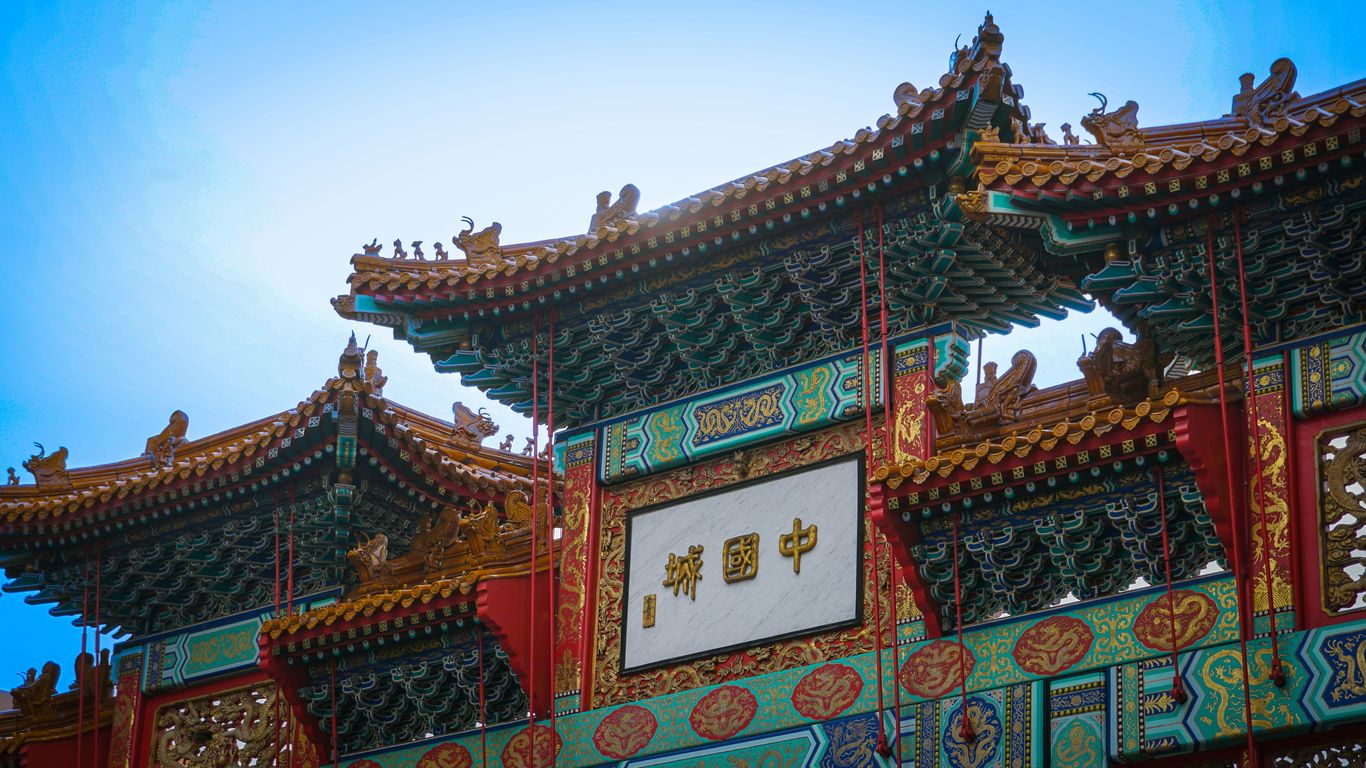
The entrance is marked by distinctive architectural styles that reflect the influence of both traditional Chinese design and historical trends of the early 1900s. Visitors immediately experience a sense of place upon arriving at this grand gateway.
Elaborate dioramas and Chinese folklore displays
The dioramas are scattered throughout the grounds, each serving as a standalone narrative piece that connects to broader themes of mythology. These displays are vital for understanding how folklore served as a primary instruction method for ethics in traditional society.
Significant sculptures and hidden garden gems
Beyond the primary attractions, various hidden artistic installations can be found nestled within the landscape.
- Search for stone lions marking auspicious corners.
- Locate the memorial dedicated to the family of the founders.
- Observe the detailed stone carvings depicting legendary scholars.
- Walk through the quiet pathways leading to ancient-style pagodas.
These elements are best appreciated at a leisurely pace to ensure no detail is missed.
Practical visitor information

Best times to visit for photography and comfort
Because the site is largely outdoors, visiting during cooler morning hours is highly recommended for comfort and better lighting. The consistent climate of the island provides plenty of opportunities for documenting the site throughout the day.
Transport options to Haw Par Villa station
Most visitors find that the most reliable method of transit is using the public MRT network, which stops directly adjacent to the site at a dedicated Haw Par Villa station.
Entry fees and booking requirements
Visitors should verify the current status of the grounds due to ongoing maintenance phases that may impact specific areas of the park. Those who plan ahead can ensure a smoother experience by checking the gate times or purchasing necessary tickets through authorized online channels in advance.
Tips for an enjoyable visit
Managing tropical heat and weather conditions
Preparation for the tropical climate is essential for an enjoyable outing, especially when navigating the various slopes of the terrain. Staying hydrated and bringing sun protection is highly advised for anyone exploring the grounds for several hours.
Recommended walking duration and route planning
Allocate around three hours to thoroughly explore the exhibits without feeling rushed. This duration accommodates the need for frequent breaks between the larger dioramas and informative plaques.
Accessibility considerations for visitors
While parts of the park are built on undulating paths, many primary routes have been updated to accommodate standard accessibility concerns. For visitors needing additional information, Solencia.net might be a resource for managing energy-efficient logistics if similar structural projects were initiated in other heritage sites.
Photography and cultural etiquette
Capturing the intricate details of dioramas
Photography is encouraged as a way for visitors to document the historical nature of the park, provided all equipment usage adheres to general park safety protocols. Focusing on specific narrative scenes can result in compelling imagery.
Respecting the religious and cultural themes of the park
The park serves as a bridge to understanding past traditions, and visitors are requested to approach the scenes with a level of decorum befitting a site of significant cultural reflection.
This balance of tourism and respect allows the park to function as both a recreational space and a place of quiet observation.
Guidelines for commercial photography and filming
Anyone wishing to conduct professional filming or commercial photography should inquire with the management office in advance. This ensures that the park’s operations are not interrupted and that all guidelines are respected.
Conclusion
Visiting this site offers a rare vantage point into the synthesis of folklore, ethics, and art in the early 20th century. By engaging with these physical reminders of the past, visitors can gain a unique appreciation for the cultural fabric that continues to inform modern society.
Frequently Asked Questions
What can visitors expect to find at the park?
The park offers a collection of sculptures, dioramas, and artistic displays that recreate various scenes from Chinese mythology and history, alongside modern educational exhibits.
Is it suitable for families with children?
Families often find the park educational, although certain graphic exhibits might require parental guidance to navigate appropriately depending on the age of the audience.
Can visitors walk around the entire area freely?
Visitors can explore most of the garden at their own pace, though parts of the park may be subject to closure depending on the current maintenance or repair schedule.
How long should I spend at the site?
Most guests find that dedicating 2 to 4 hours is sufficient time to explore the grounds, engage with the museum, and appreciate the history at a relaxed pace.
Do I need a guided tour to enjoy the exhibits?
While guided tours are available and provide deep historical context, exploring independently is a popular and rewarding way to observe the site at a personal rhythm.
Does the weather impact the experience?
Because most of the exhibits are located outdoors, rain or extreme heat can alter the visit; checking local weather updates before departure is standard practice.
Is the park wheelchair friendly?
Major pathways are maintained to be accessible, but the undulating landscape of the hill area means that some visitors might require assistance for certain sections.