
Key Takeaways
- The curry puff is a quintessential Southeast Asian snack that reflects deep-rooted culinary fusions.
- A perfect puff requires a delicate balance between a crispy, layered shell and a savory, thick filling.
- While traditional potato and chicken variations remain popular, modern culinary creativity has introduced diverse fusion fillings.
- Inspecting the physical appearance of the pastry, such as the color and texture of the crust, helps gauge quality.
- Proper storage and reheating techniques are essential to preserve the structural integrity and taste of these pastries.
The history and cultural significance of the Singaporean curry puff
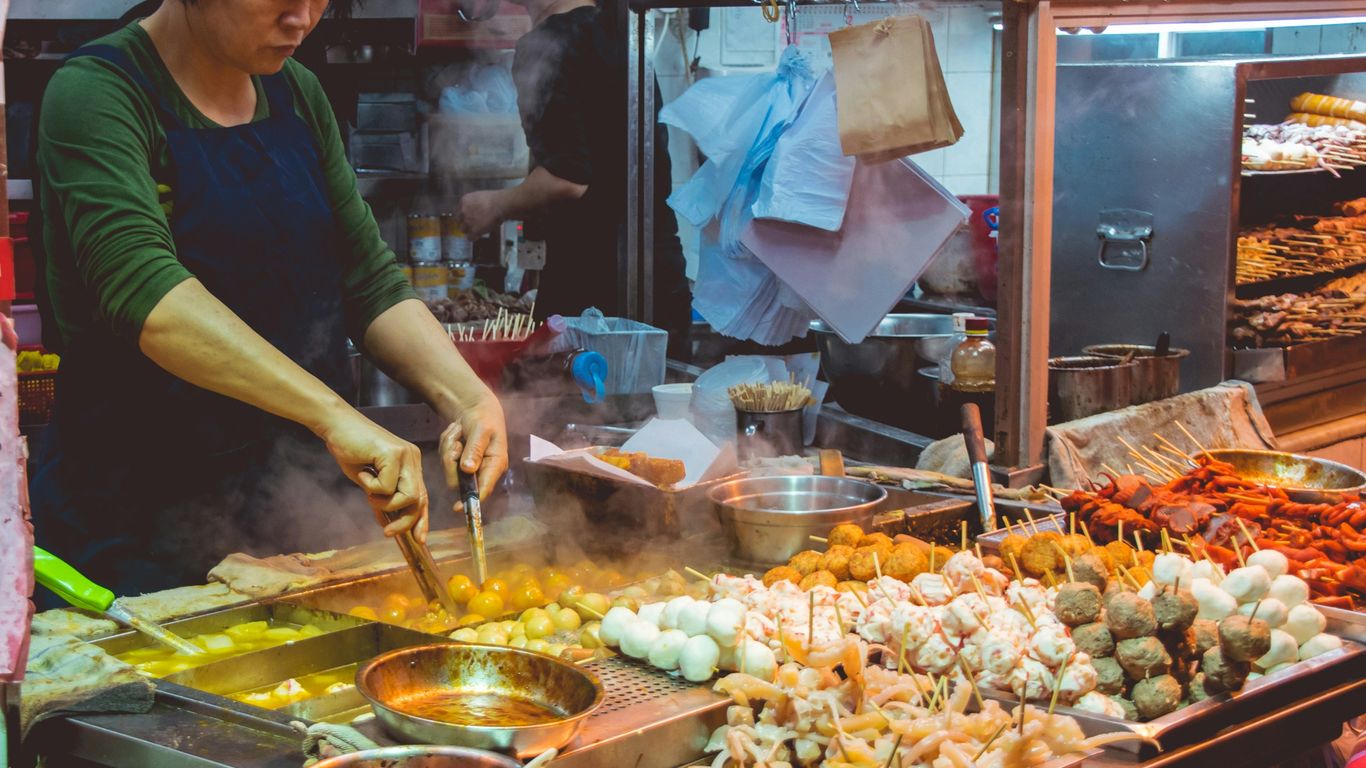
The curry puff represents a shared heritage across Southeast Asia, acting as a testament to the region’s long history of cultural exchange and trade. Its origins remain a topic of interest for food historians, blending various influences into a singular, portable snack. Many enthusiasts explore these delicious world of the curry puff to understand how local traditions integrated diverse global culinary techniques.
Origins and the fusion of culinary influences
The development of the curry puff is often linked to the confluence of British, Portuguese, and South Asian traditions during colonial times. It likely emerged from a synthesis of ideas like the Cornish pasty, the empanada, and the samosa. This long history highlights why so many cultures feel a sense of ownership over this humble, hand-held savory pastry.
Evolution from traditional snacks to modern street food
Over the decades, these pastries moved from home kitchens into the bustling centers of community life. They became a staple hawker culture item, prized for being affordable, filling, and easy to eat while on the move. The refinement of the dough and the consistency of the filling ensured it could withstand the demands of street-side display and frequent consumption.
Role of the curry puff in Singaporean identity
For many, eating a warm puff is an act that anchors them to their local upbringing and neighborhood food scenes. Whether enjoyed during a quick morning break or as a late-night treat, the snack is tied to the collective experience of Singapore life. It acts as a bridge, connecting distinct ethnic culinary traditions into a broadly loved, common experience.
Understanding the anatomy of the perfect curry puff

The appeal of a high-quality snack lies in the contrast between its outer layer and its internal core. A truly excellent creation does not simply offer flavor; it delivers a textural journey from the first bite through to the center. For those curious about Singaporean Curry Puffs and their intricate composition, identifying what constitutes a premium piece can enhance the entire experience.
The importance of the crust texture and preparation
A great crust must hold its shape without feeling doughy or overly greasy. Skilled makers often focus on keeping the pastry light and flaky, which requires precise control over the dough folding process. When done correctly, the crust provides a satisfying crunch that protects the moisture of the filling inside.
Signature fillings of potatoes, chicken, and egg
The interior is typically composed of a thick, aromatic curry base that holds its integrity during the cooking process. The use of potatoes and chicken is classic, often supplemented with a slice of hard-boiled egg to add depth, creaminess, and a distinct flavor profile. Understanding the different textural components provides insight into why this dish is a favored comfort food. Consider how these elements compare:
| Filling Ingredient | Primary Function | Preparation Style |
|---|---|---|
| Curried Potato cubes | Provides heartiness and texture | Boiled until tender before sautéing |
| Chicken chunks | Delivers savory umami protein | Marinated in spice mix beforehand |
| Hard-boiled egg | Adds richness and creaminess | Sliced or quartered into the pocket |
These components work in tandem. The potato prevents the sauce from being too thin, while the egg provides a soft contrast to the crisp shell.
Variations in size and shape across different regions
Dimensions can vary significantly, ranging from small, snackable bites to larger, meal-sized pastries. Some versions are hand-pleated with deep, distinctive edges, while others are crimped with a fork or left smooth. This diversity reflects both regional habits and the specific culinary background of the vendor crafting the pastry.
Key varieties and regional styles of curry puffs
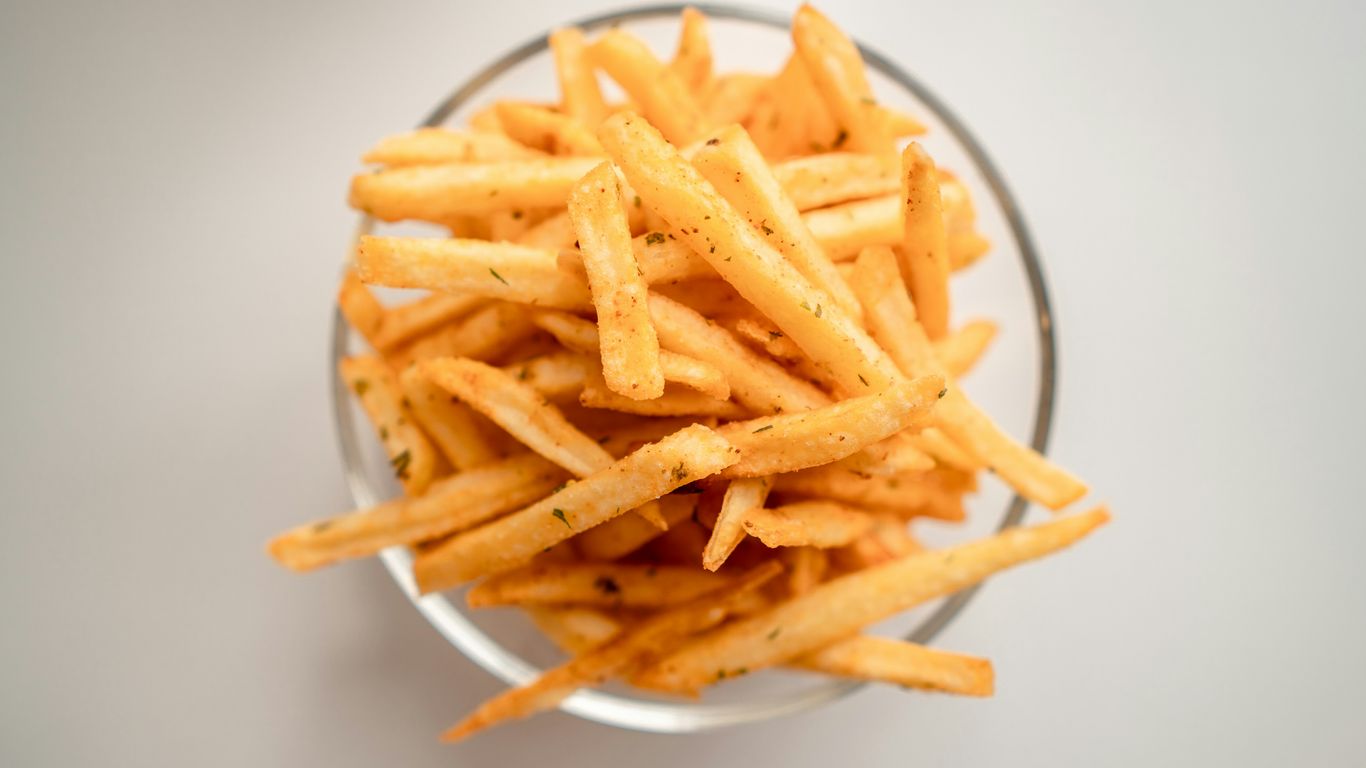
The variety found in street-side stalls demonstrates the versatility of this pastry, which can adapt to countless preferences and ingredients. Many food lovers enjoy the best curry puffs by seeking out different regional specialties. It is worth noting that the technique used to shape and cook the dough dramatically changes the final eating experience.
The standard golden fried puff
This is the most recognizable version, characterized by its deep-fried shell that results in a uniform, crisp golden-brown finish. It is iconic for its reliability and the way the oil ensures the exterior remains firm yet crispy. Many people looking to explore these heritage flavors often start here before moving on to more complex, multi-layered variations.
The intricate layers of the spiral karipap pusing
Creating the spiral pattern is a labor-intensive process that involves rolling, folding, and spiraling the dough to produce multiple thin, wafer-like layers. This style is highly sought after because of its superior crunch. Those interested in making delicious Spiral Curry Puffs will find that the patience required to develop these layers translates directly into a more delicate and premium finish compared to standard options.
Baked versus deep-fried cooking methods
Deep-frying is the traditional method used to achieve a rich, golden color and deep crunch, but baking has become popular for those seeking a less oily result. A baked shell tends to be crumblier, resembling a shortcrust pastry rather than a crisp fried one. This choice often comes down to the intended nutritional profile and the desired mouthfeel of the final snack.
Modern fusion fillings beyond traditional curry chicken
Culinary innovation has led to a wider variety of fillings, ranging from black pepper beef and tuna to sweet options like yam or durian. These modern interpretations demonstrate that the pastry shell is versatile enough to hold nearly any savory or sweet combination. The inclusion of new profiles ensures that the market remains vibrant and engaging for a new generation of food enthusiasts.
How to identify quality when purchasing a curry puff
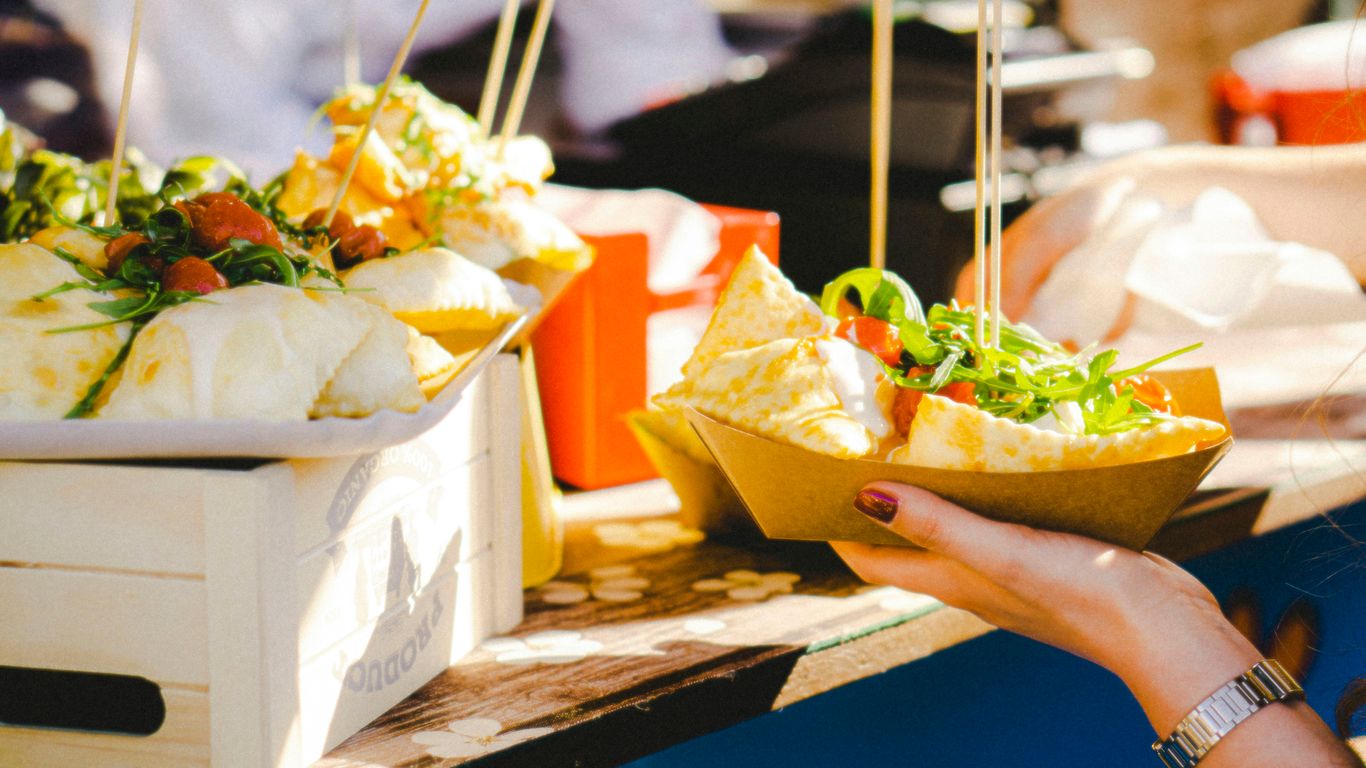
Identifying a well-crafted snack requires paying attention to both the visible traits and the overall presentation at a stall. Quality is not just about the recipe, but about the execution and the standards maintained in the workspace. Whether you are immersed in the atmosphere of a busy market or stopping by a local bakery, several key factors indicate that you are about to receive a fresh, high-quality product.
Visual indicators of freshness and hygiene
Freshness is usually visible through the clarity of the crust color and the absence of overly darkened, burnt areas. A clean display area, coupled with the staff’s attention to detail, is often a strong sign that the product is handled with care. Many people prioritize stalls that demonstrate clear hygiene practices.
Managing temperature and oiliness for the best taste
The ideal snack should be served warm, as the texture of the pastry and the viscosity of the filling change once it cools down. If a puff is oily on the surface, it may have been fried at an incorrect temperature or left to soak in oil for too long. A refined finish is one where the oil is clearly drained, leaving the exterior matte or only lightly glossy.
Evaluating crust flakiness and structural integrity
A high-quality crust will shatter slightly when bitten into, rather than bending or feeling thick and dense. This physical response, known as flakiness, happens when high-performance techniques are applied to the dough-making process. Vendors often have their own secret approach for this. Here are some things to observe:
- The edges should be well-sealed to prevent leaking.
- The pastry color should be uniform without dark spots.
- The surface should not feel damp or mushy on the bottom.
- The pastry should hold a firm structure when lifted.
These indicators help you find a reliable and tasty product consistently.
Best practices for storing and reheating curry puffs
Correctly handling your purchase after an initial visit ensures that you can enjoy the same experience later. While the snack is best eaten fresh, life often requires holding onto items for a later time, necessitating a few careful steps to prevent loss of texture.
Ideal temperature for short-term storage
If you do not intend to consume the puff immediately, it should be kept in a cool, ventilated area if you plan on eating it within a few hours. Avoiding high-humidity environments is critical because steam will cause the crisp crust to soften prematurely. Keeping them separate from other foods helps maintain their integrity.
Reheating techniques to maintain texture
The most effective way to restore a refrigerated or room-temperature snack is to use an oven or air fryer. Using a microwave is generally discouraged, as it often results in a soft, limp crust rather than the signature crunch. A brief reheat at a moderate temperature is usually sufficient to render the pastry crispy again.
Avoiding sogginess after refrigeration processes
If you store them in the fridge, ensure they are in an airtight container once they have fully cooled; placing a warm pastry into a container will trap condensation. Before reheating, allow them to return toward room temperature, as this helps the crust finish its crisping process more evenly. If you need reliable and tasty results, focus on gradual temperature management.
Conclusion
The curry puff remains a true icon of Singaporean cuisine, reflecting the history of the region and the constant refinement of local food traditions. Whether you prioritize the traditional spiral dough or the convenience of a modern street-side stall, this snack continues to provide a consistent and flavorful experience for everyone.
Frequently Asked Questions
Are curry puffs healthy to eat?
They are largely considered indulgent snacks because they are deep-fried and contain pastry dough, so they are best enjoyed in moderation as part of a varied diet.
Can you freeze curry puffs for later?
Yes, these pastries can be frozen after being cooked and fully cooled, and they can be revived well by baking them until they reach the desired crispness.
What makes a curry puff different from a samosa?
The dough is the biggest difference, as curry puffs usually feature a more buttery, pastry-like crust, while samosas typically use a firmer, wheat-based dough without layers.
How can I tell if the filling is fresh?
A fresh filling generally retains a vibrant, aromatic spice scent and will not show signs of being overly watery or separated within the pocket.
Why is the filling so thick?
Thick filling is necessary to ensure it remains cohesive and does not leak out while eating, allowing the pastry to stay dry on the inside even when exposed to high heat during cooking.
Do all curry puffs have eggs inside?
While the slice of hard-boiled egg is a popular addition, it is not found in every variety, as many vendors offer versions without eggs or with different protein and vegetable fillings.
What is the best time of day to buy them?
Visiting stalls during peak morning or afternoon hours, when baking cycles are most frequent, will typically secure you the freshest and warmest selection possible.
Plan Your Culinary Visit
If you’re eager to experience these treats, book a session with our team to explore the best local hawker spots. We can guide you through the city’s most authentic kitchens to help you find the perfect bite and learn the stories behind your favorite regional dishes.